Description
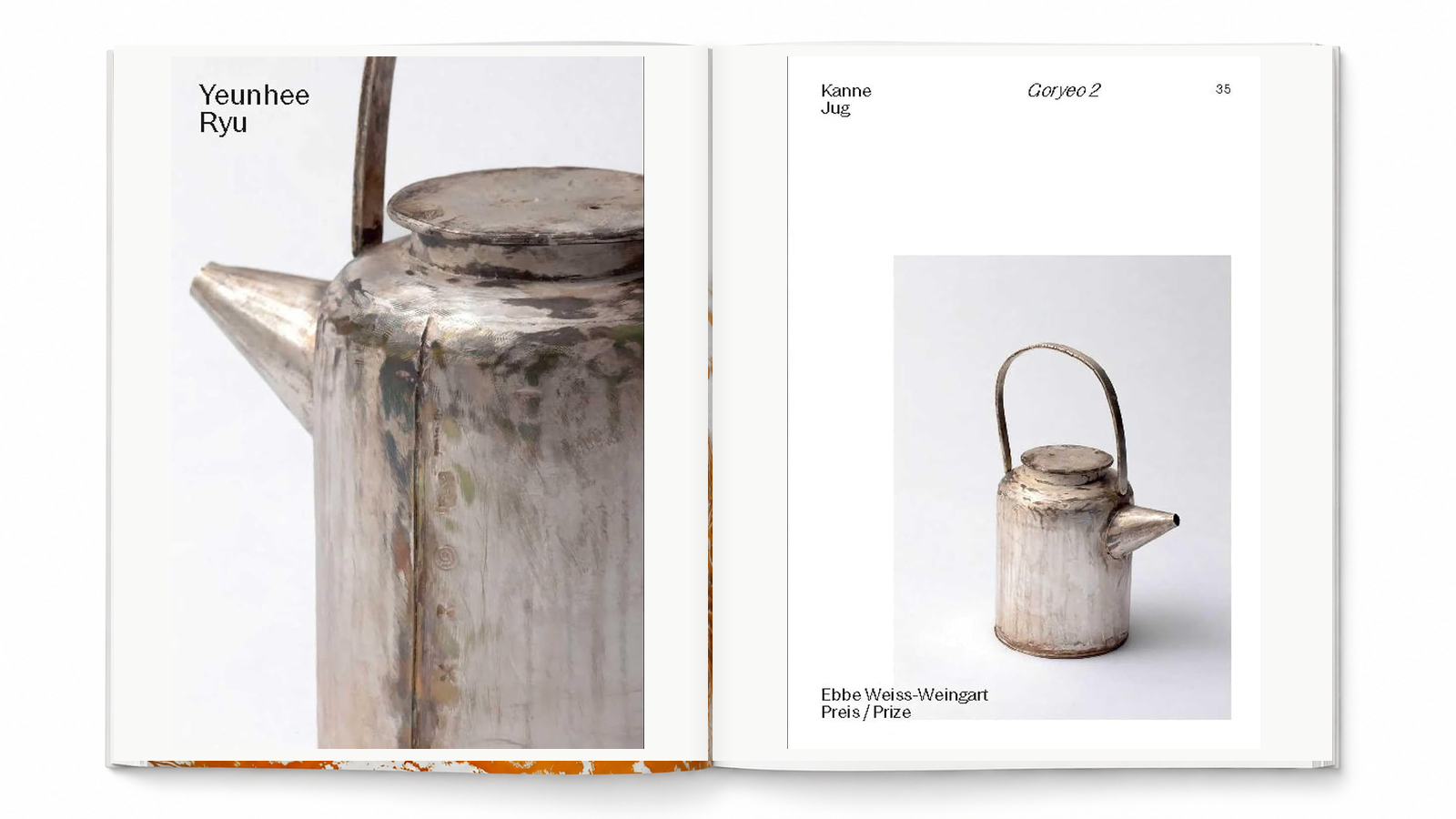
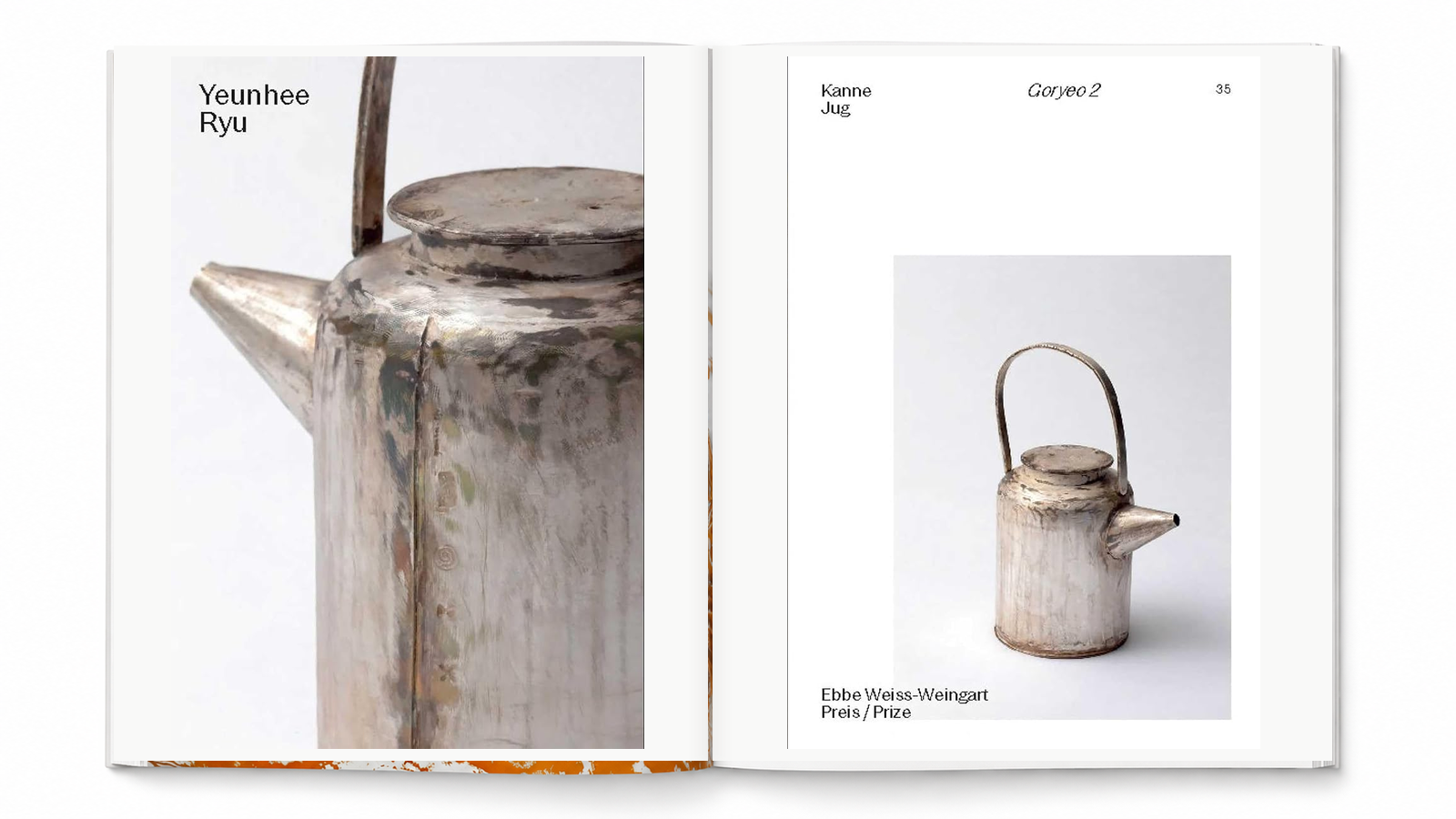
The surface of a silver pot looks as though it has been used for many years. Its hammer marks have not been completely smoothed away, and its outline retains a subtle irregularity. Although it is a newly created work, it seems to have been taken from a life already lived, carrying a sense of time left by holding, pouring and keeping. Another vessel is made from small pieces of silver joined with linen thread; when lifted, the normally rigid metal shifts slightly under its own weight. In these works, silver no longer represents only brilliance, preciousness and permanence. It can also express softness, wear, fragility and unease.
21st Silver Triennial International 2025 presents 67 selected works from the 21st International Silver Triennial, bringing together 59 artists from 15 countries. Teapots, bowls, vases, tableware and bottles remain important forms within the exhibition, yet the artists move beyond the proportions and ornamentation of traditional vessels. Beginning again with spouts, handles, interior and exterior spaces, metal surfaces and gestures of use, they consider how a silver object can enter contemporary life and how an everyday utensil can become an object capable of expressing memory, the body and cultural experience.
Yeunhee Ryu’s Goryeo responds to memories of Korean vessels and architecture through a forged silver pot. The uneven surface and slightly displaced contours clearly preserve the traces of handcraft. Rather than pursuing the smoothness and symmetry of mechanical production, the work makes silver feel more intimate, as though it might continue to change through use. Yong-il Jeon’s teapot takes a different approach: a restrained silver body and nickel handle create subtle tonal variations, while the lid, grip and pouring structure are reduced to their essential forms. Approaching the functional vessel through a sense of time and through precision respectively, the two works demonstrate that it remains a form open to continued refinement.
Other works push the physical properties of silver in unexpected directions. Jieun Park binds numerous silver units together with linen thread, giving the vessel a textile-like flexibility when touched or moved. Siqiu Zhang constructs a vase from extremely fine strands of pure silver, transforming an originally weighty and enclosed form into something transparent, light-permeable and almost weightless. The hardness of the metal does not disappear; instead, it is reorganised into a kind of visual and tactile softness. The tension between the material’s inherent character and the state assumed by the finished work invites viewers to pause and look more closely.
A vessel can also become a structure for emotion. In Angst, Rebecca Bierbrodt repeatedly winds silver wire around the body of the object, as though an external force were still compressing it and holding it at the moment just before deformation. In Conceal and Reveal, Jae Hui Jeong pushes the metal outward from inside the vessel, preserving beneath its calm exterior the pressure accumulated during its making. Anxiety, concealment and exposure are not translated into words or images in these works; they exist directly within forms produced by pulling, compression and hammering.
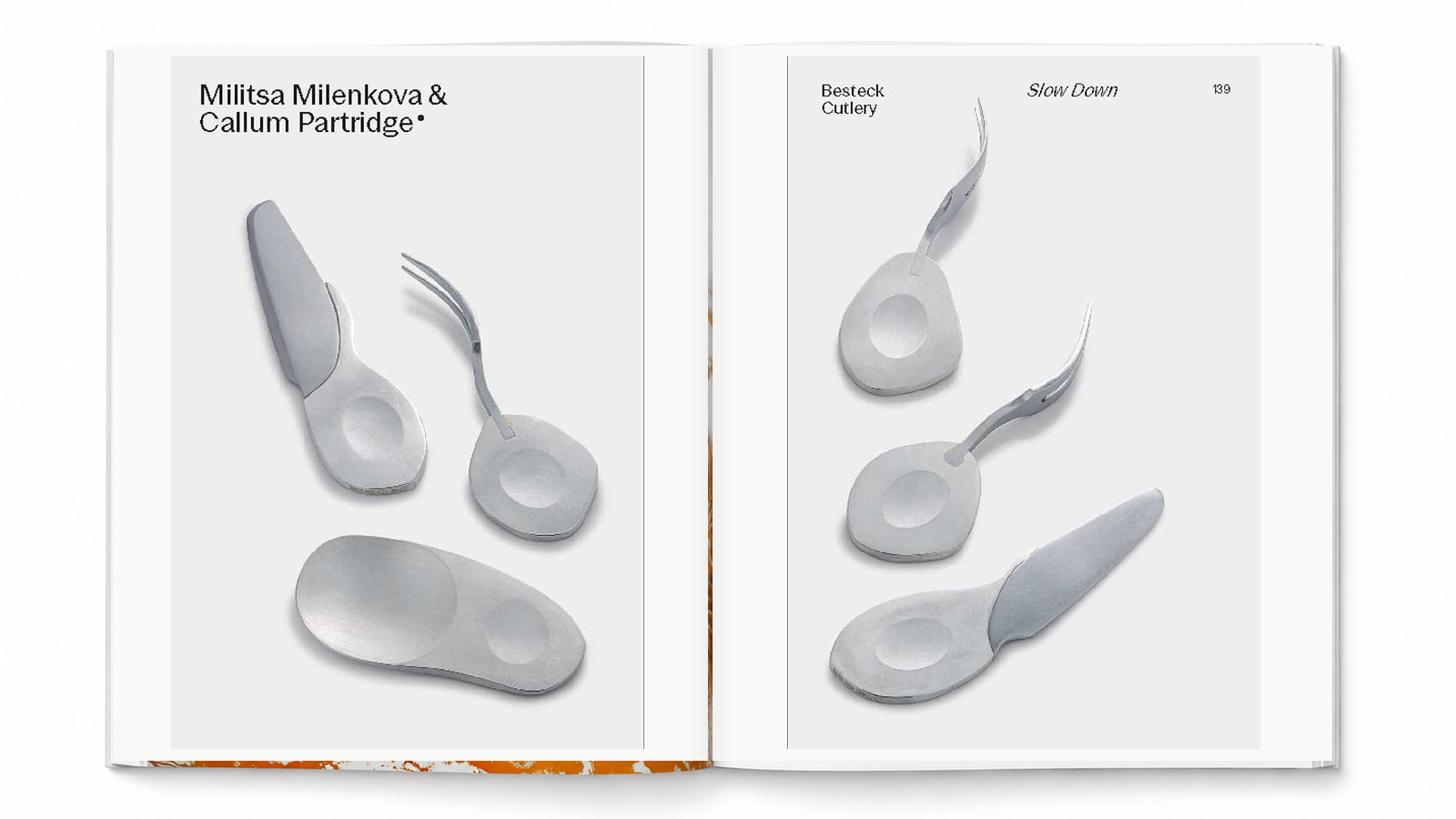
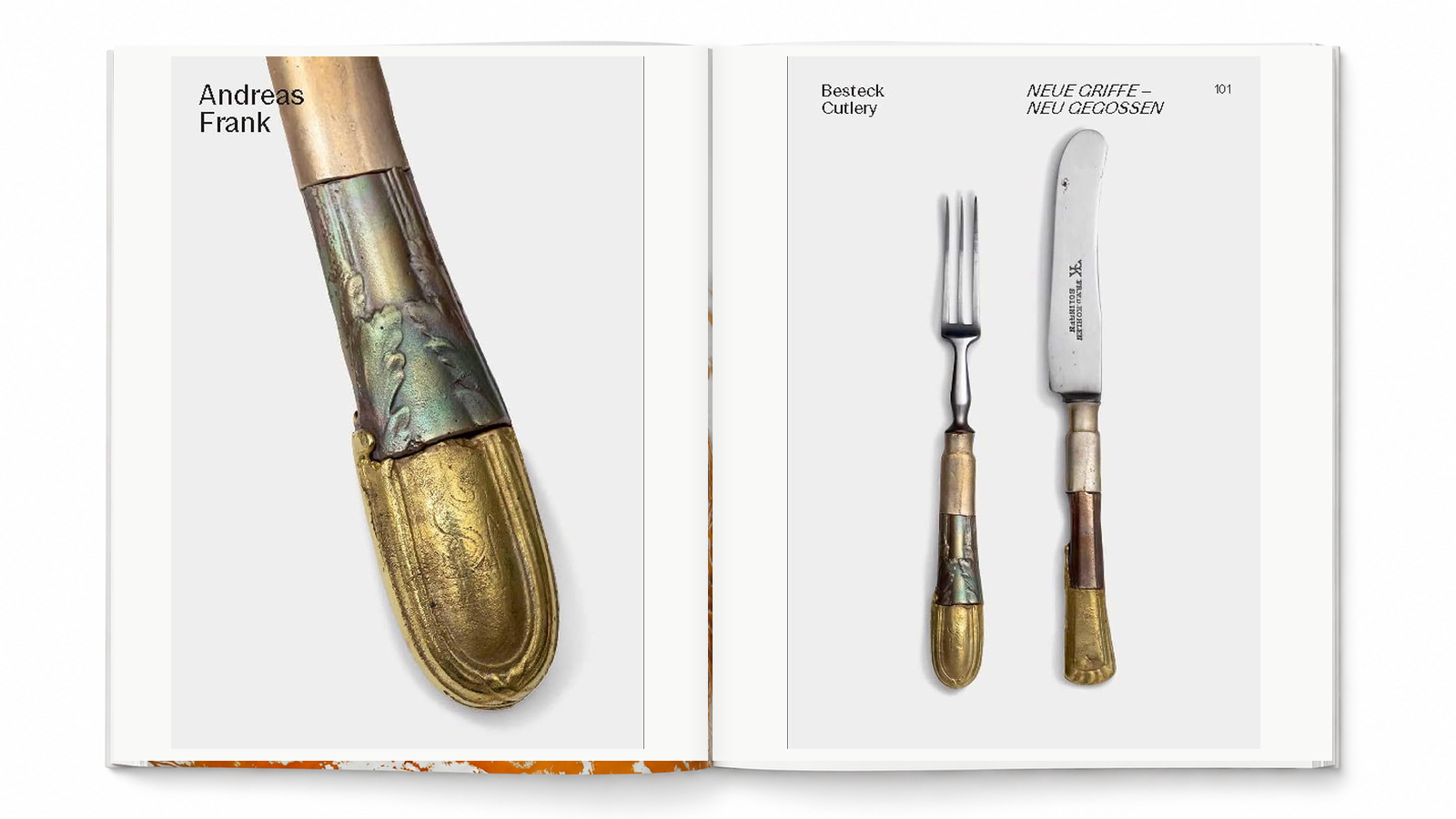
The spoons, pots and bottles in the exhibition also carry relationships between people. Yegyu Shin stitches several silver spoons together with red thread, turning everyday cutlery into a symbol of the transmission of time and memory. A spoon is ordinarily held close to the hand and mouth, making it one of the objects most directly involved in daily life. Once layered, reshaped and sewn together, its practical function temporarily recedes, while its connections to family, growth and relationships between generations become more visible. The value of silverware no longer comes solely from the material itself, but also from the way it accompanies life and accumulates stories.
This edition of the Triennial presents works by both established makers and emerging artists, allowing traditional techniques and new approaches to materials to be considered within the same context. Forging, hammering, assembly, silver filigree, weaving and stitching are not merely demonstrations of technical difficulty; every process also alters the way a work is perceived. Hammer marks preserve the rhythm of making, joints reveal how an object was formed, and weaving and stitching bring silver into contact with fibre, softness with hardness. Here, craftsmanship is not labour concealed behind the finished object, but an integral part of the work’s content.
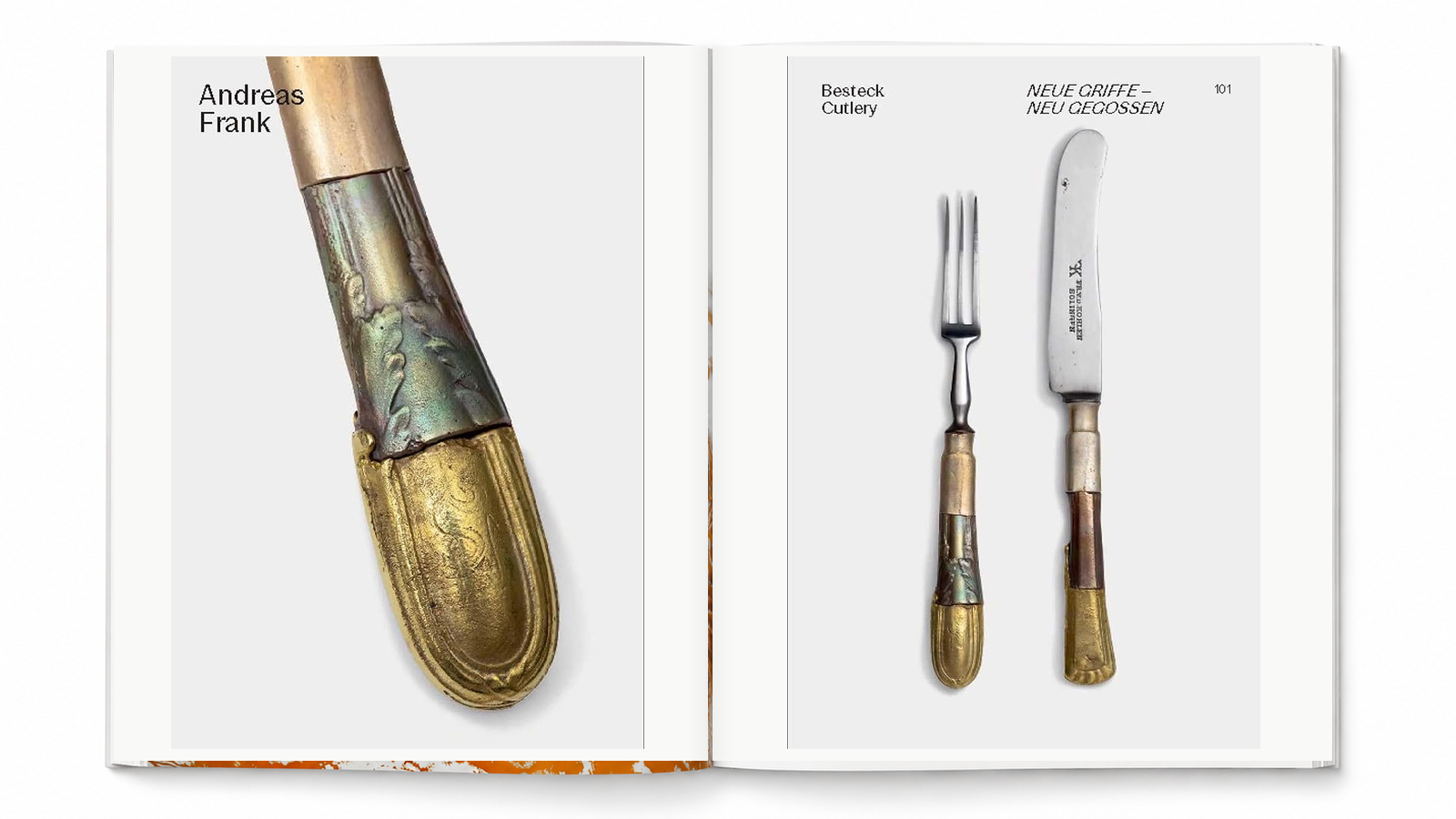
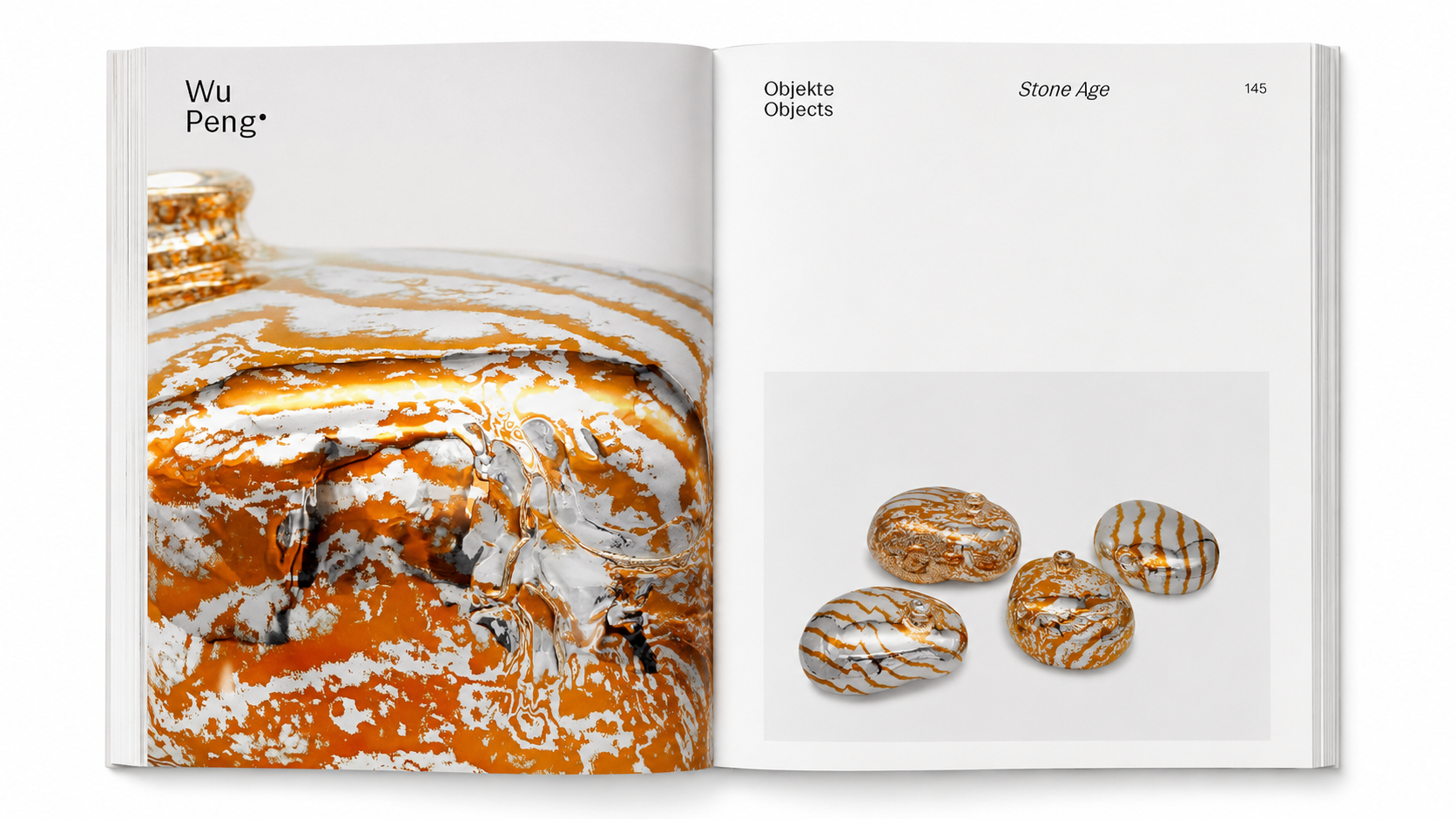
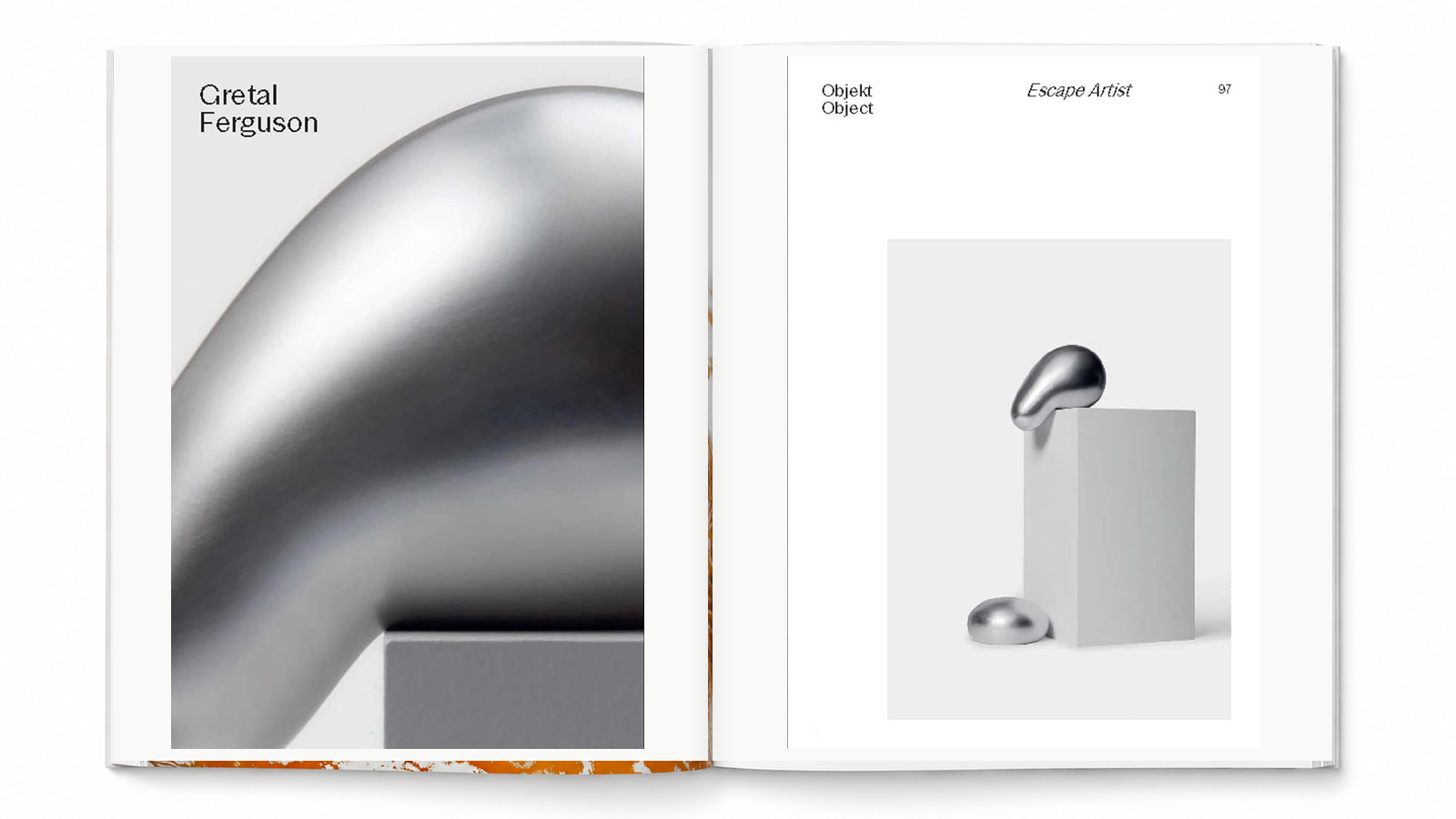
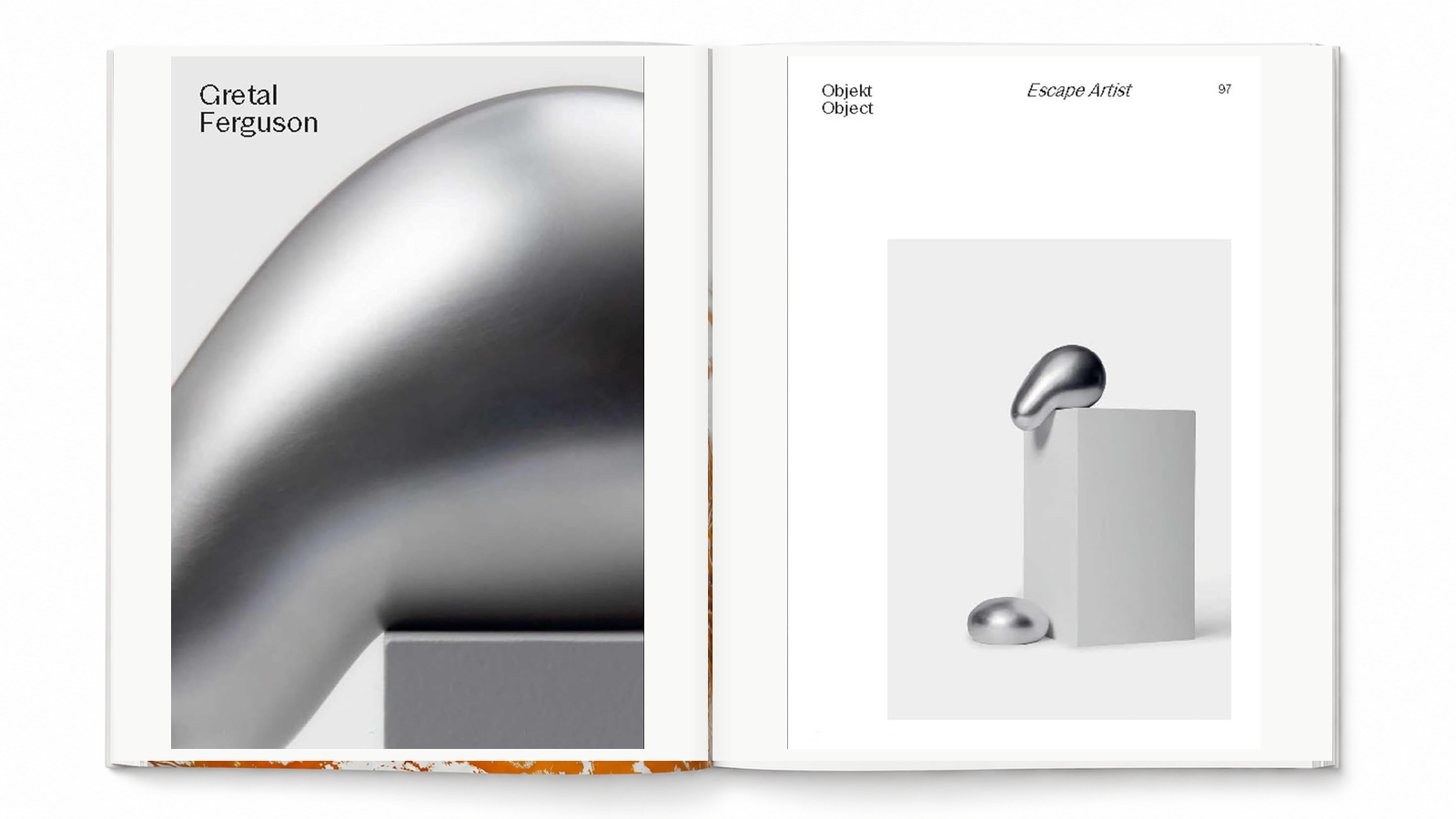
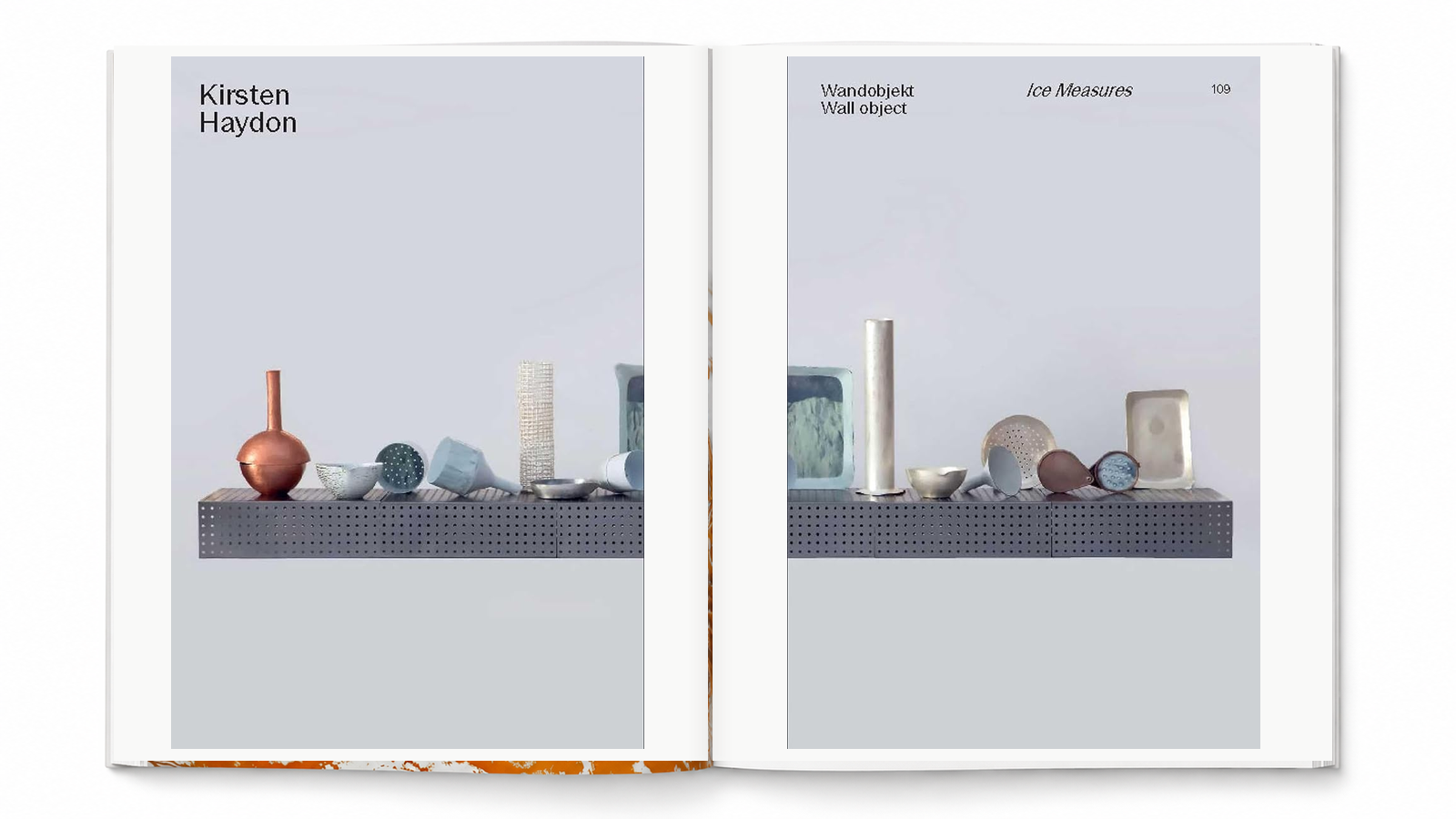
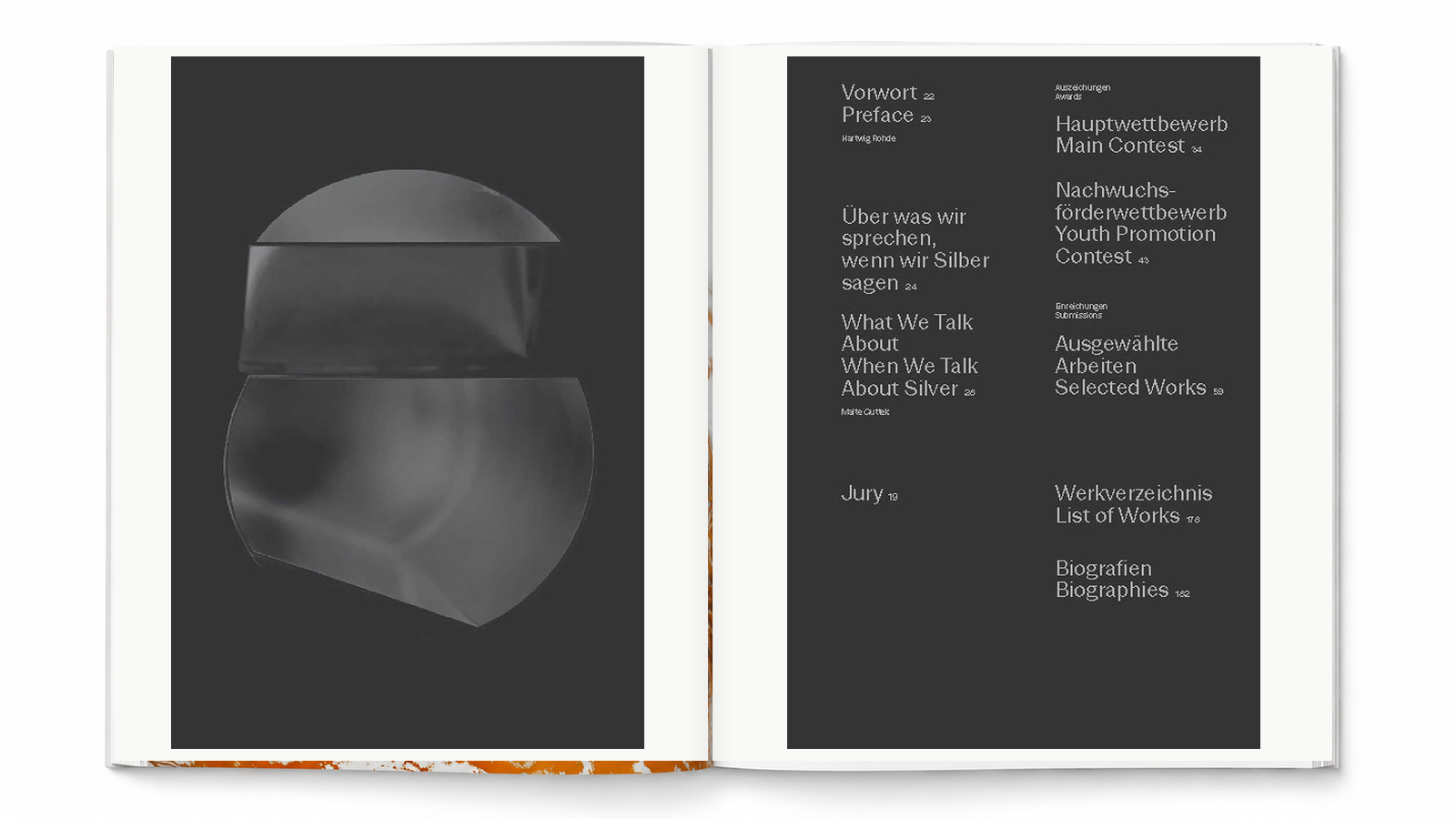
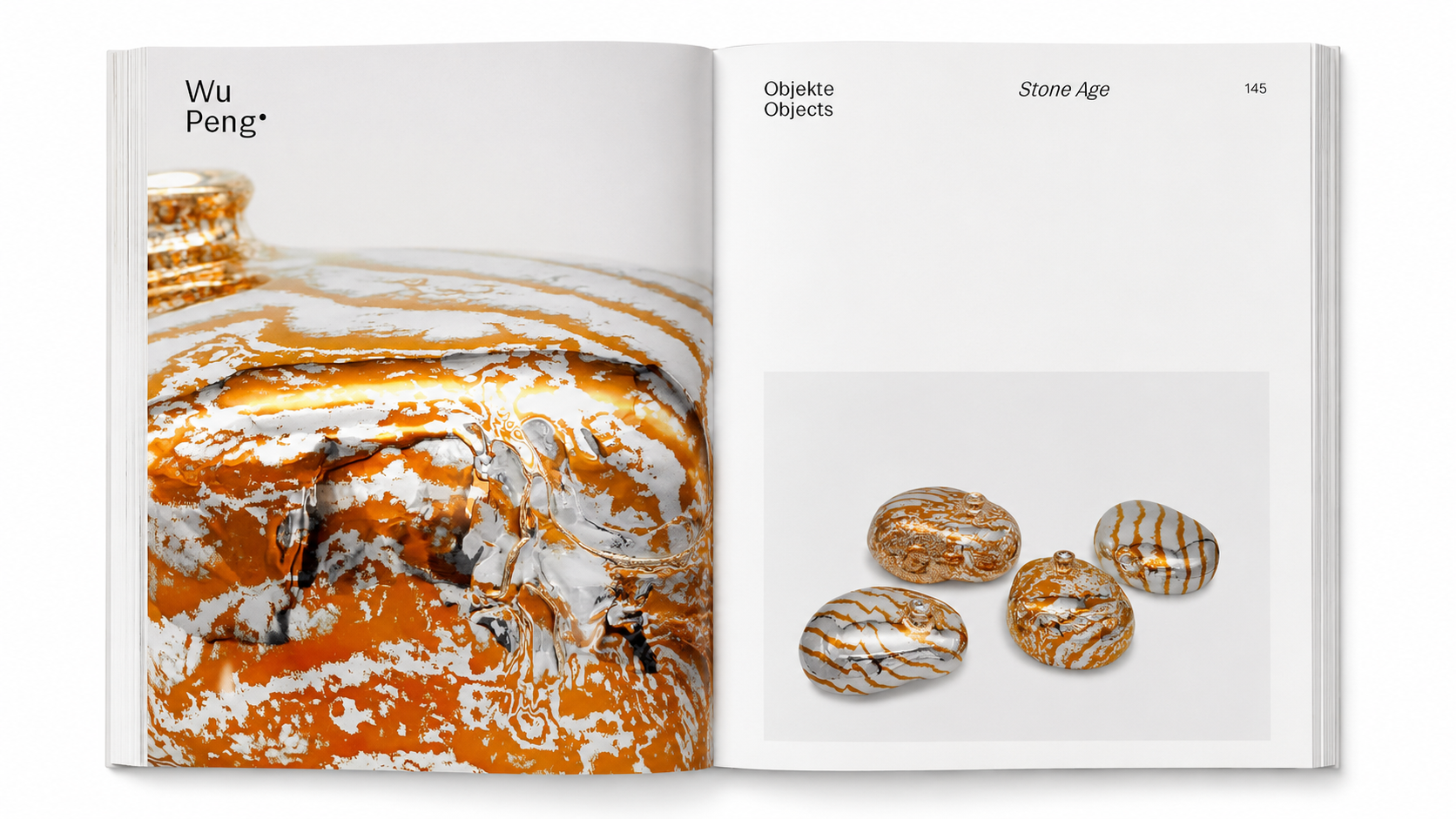
Through photographs of the works, close-up details and information on materials, dimensions and techniques, the catalogue documents a silver exhibition spanning different countries and generations. Readers can examine the proportions and functions of each complete form, while also moving closer to the surface to observe hammer marks, oxidation, seams and intricate silver wirework. This arrangement makes the publication more than a visual record of the exhibition. It also forms a contemporary craft archive that can be revisited by practitioners working in metalsmithing, jewellery, product design and object design.
21st Silver Triennial International 2025 reveals how silver continues to transform itself today. It can take the form of a precisely structured teapot or a vessel that changes under the force of gravity; it can remain bright and smooth or retain traces of damage, restraint and ageing. As readers encounter the works one by one, silverware ceases to be merely a collection of precious objects displayed in a cabinet. Instead, it becomes a material language capable of recording time, responding to the body and carrying contemporary emotions.
Details
Authors: Malte Guttek, Gesellschaft für Goldschmiedekunst e.V.
Publisher: Arnoldsche Art Publishers
Publication Year: 2025
Dimensions: 24 × 16 cm
Binding: Hardcover
Pages: 208