Description
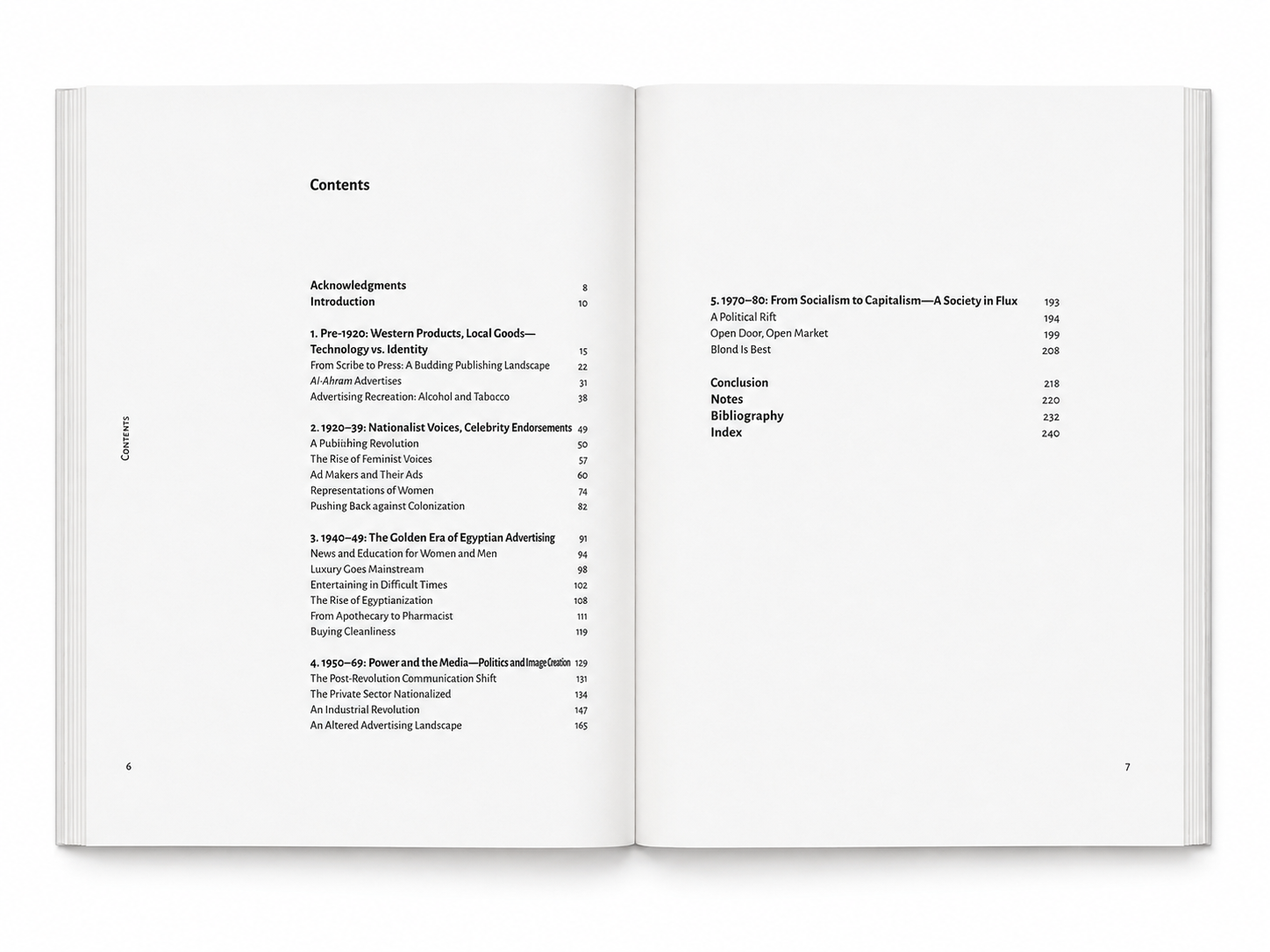
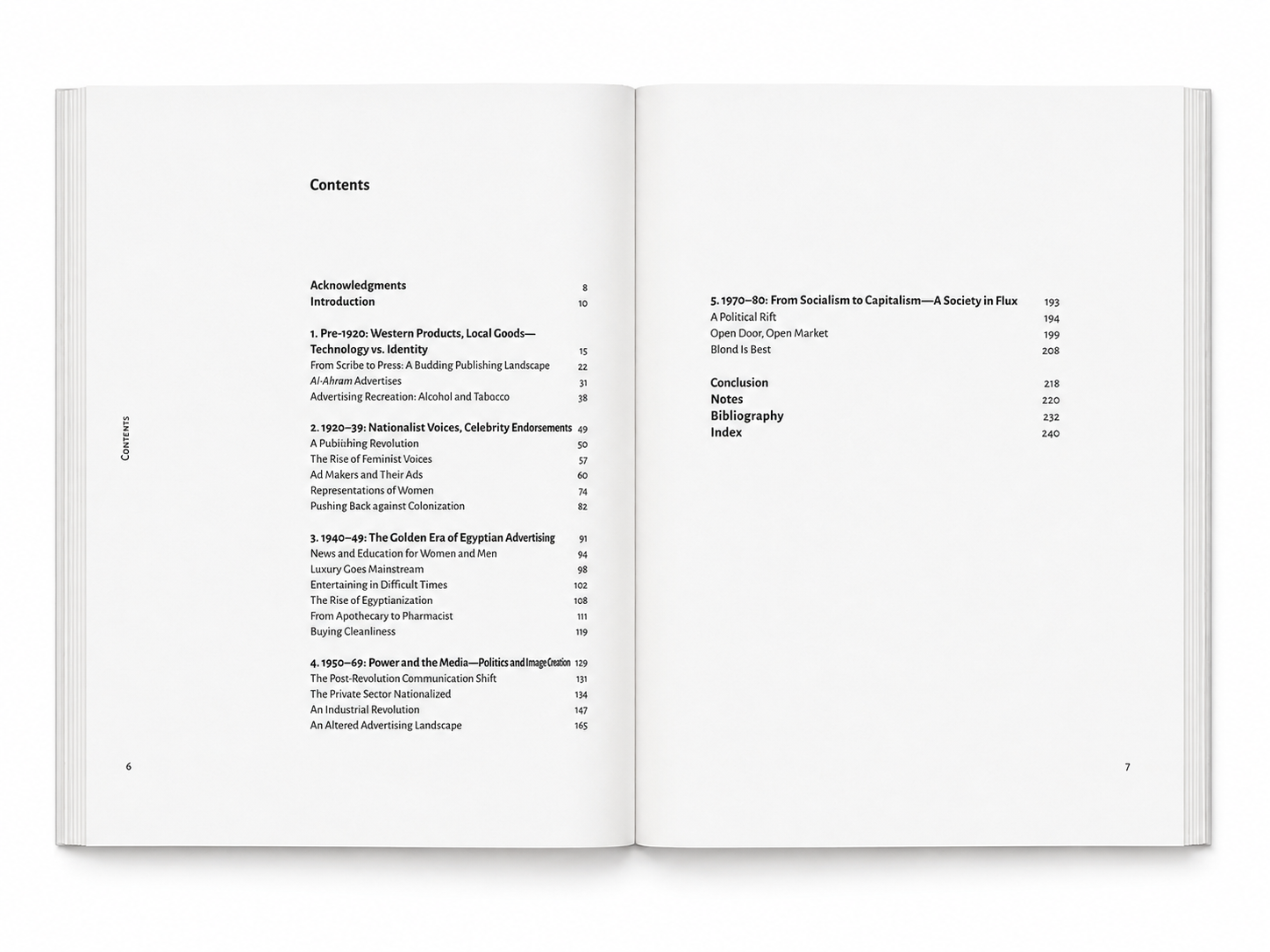
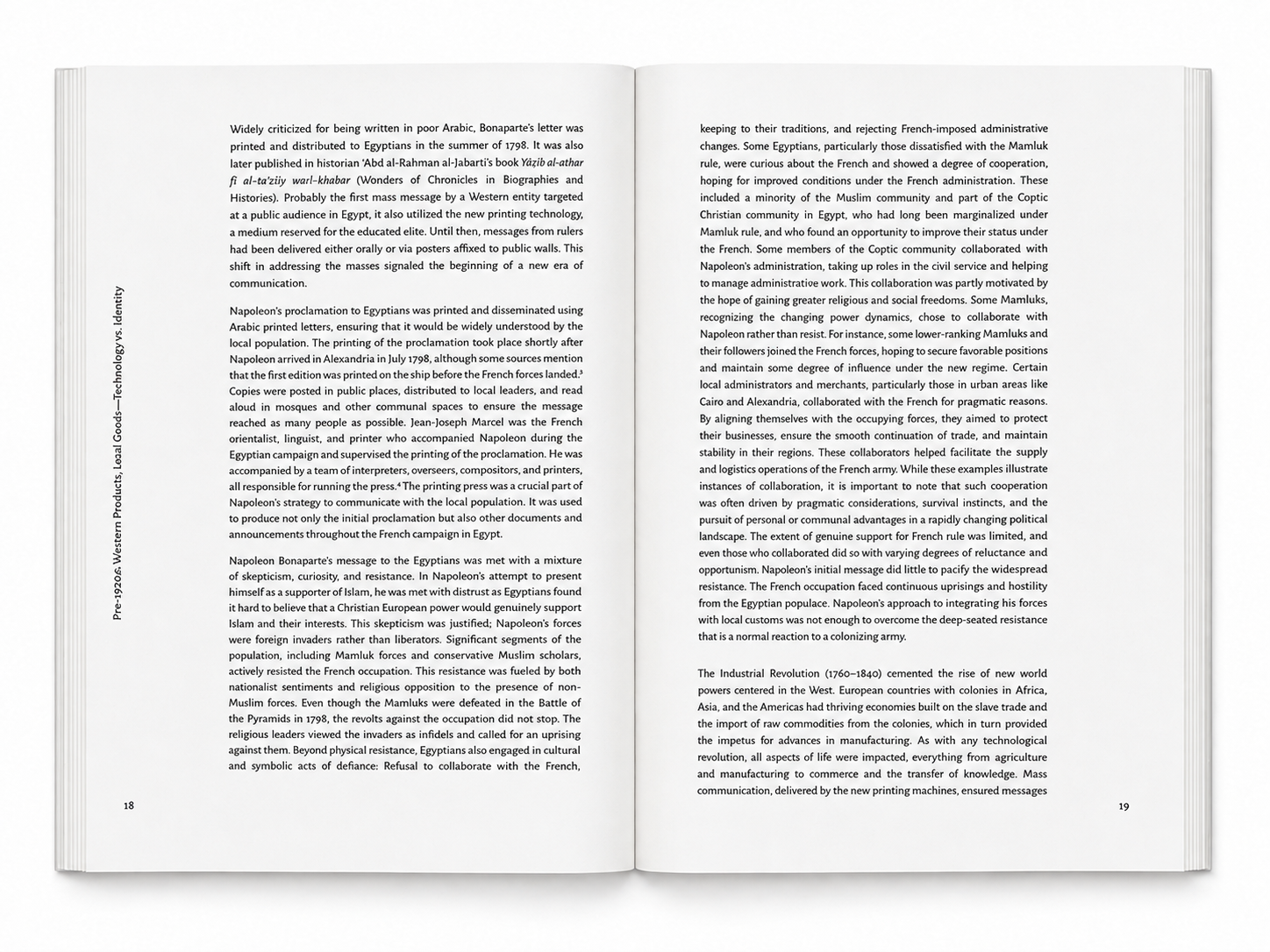
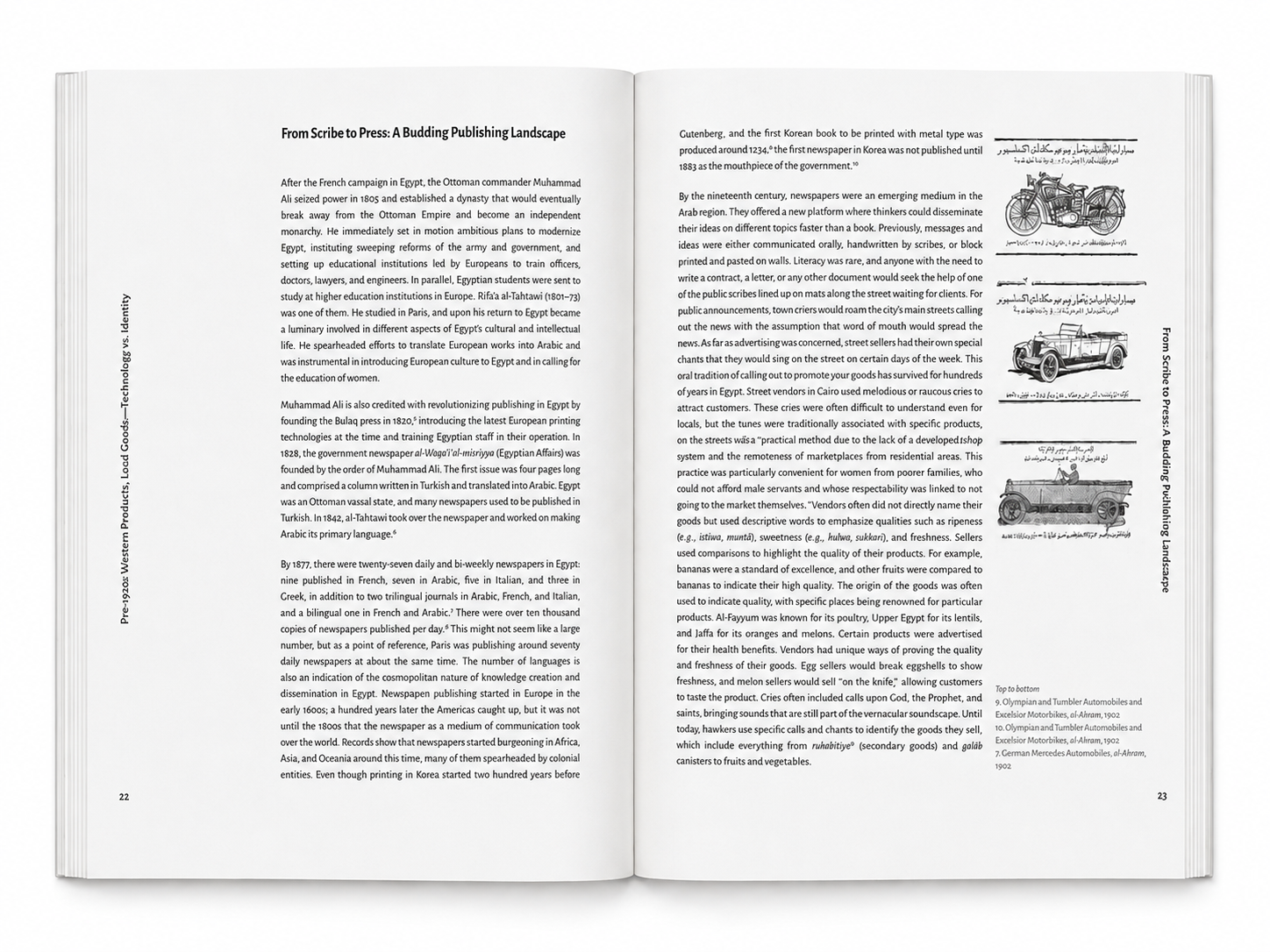
If we want to understand what people dreamed of a hundred years ago, we may not need to begin with a history textbook. We might simply look at the advertisements of the time. A bottle of liquor, a bar of soap, a wristwatch, or a car may appear to be nothing more than products waiting to be sold, yet behind them lies a society’s imagination of wealth, civilization, beauty, and modern life. A Trade in Dreams: A Century of Egyptian Print Advertising begins with these commercial images to offer a new way of reading Egypt between 1880 and 1980.
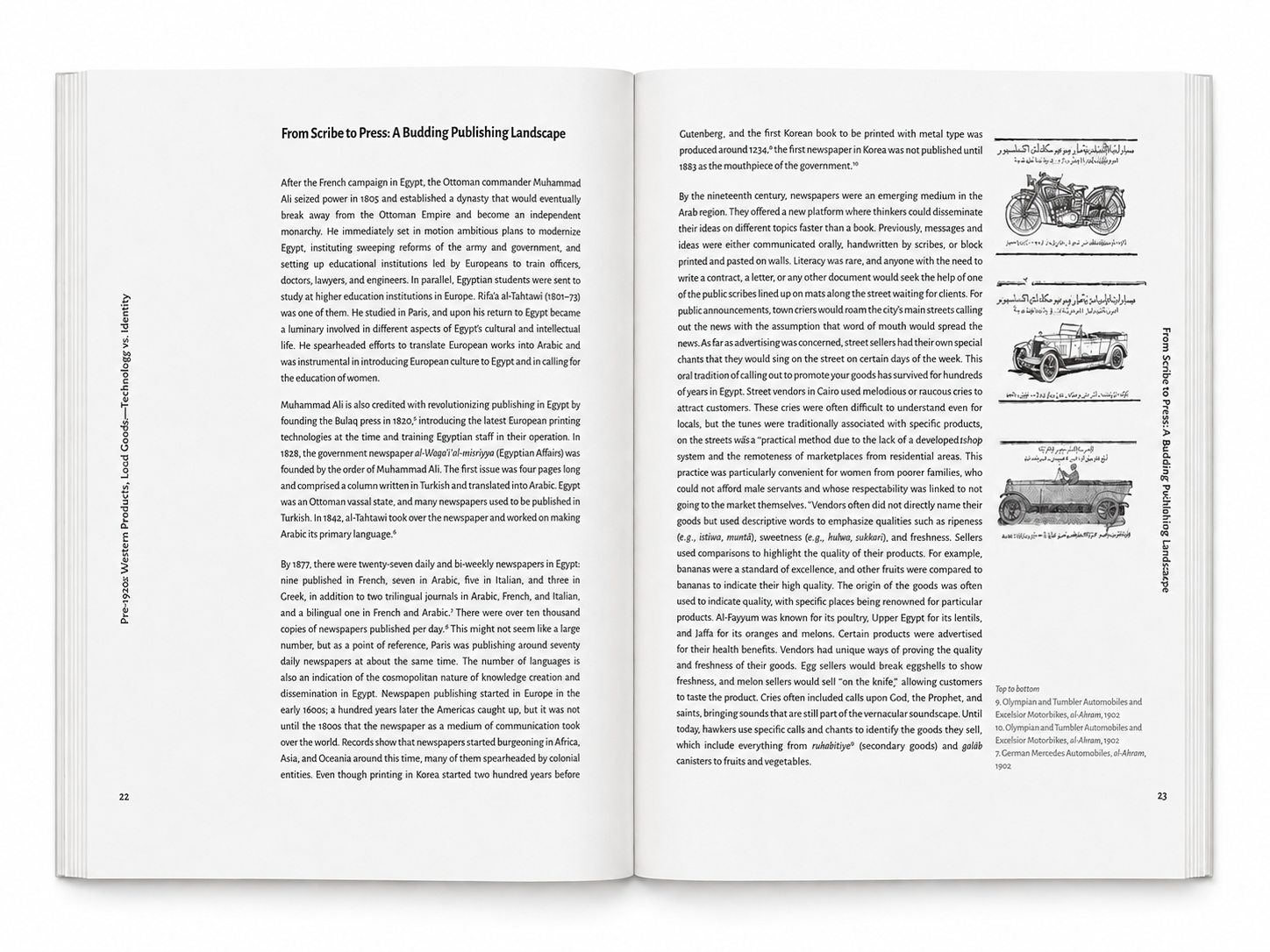
By the late nineteenth century, large quantities of European and American goods were entering the Egyptian market, and advertising began to portray new ways of living. Imported liquor, cigarettes, jewelry, textiles, and an expanding range of modern products represented more than consumer choice; they gradually became associated with progress, taste, and social status. The way people dressed, the images through which women were represented, and the products presented as objects of aspiration all reveal traces of changing social values.
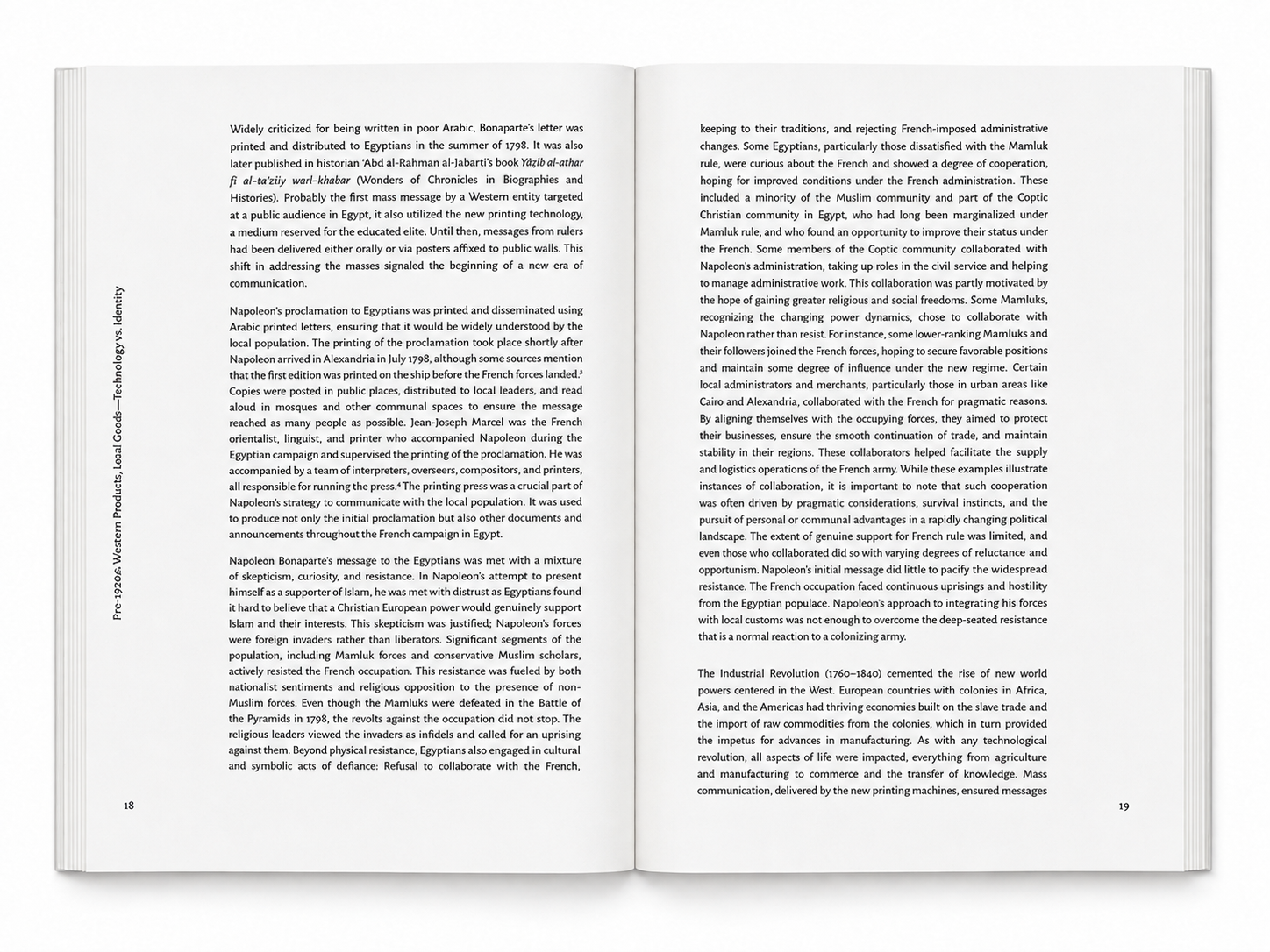
Yet these “dreams” were far from simple. While Western products came to symbolize modernization and prosperity, Egypt was simultaneously experiencing colonial rule, the rise of nationalism, and the reshaping of national identity. By the 1920s and 1930s, local industries, representations of women, celebrity endorsements, and nationalist consciousness increasingly entered the language of advertising. What people chose to buy also became connected to a larger question: “What kind of society do we want to become?”
After the 1950s, revolution, nationalization, and changes in the media environment once again reshaped Egypt’s commercial landscape. As the economy gradually reopened in the 1970s, new products and consumer cultures flowed back into the country. The language, figures, and visions of ideal life portrayed in advertisements changed accordingly, transforming what were once fleeting commercial messages into another kind of historical archive through which political, economic, and social change can be understood.
Featuring more than 350 print advertisements drawn from newspapers and magazines, the book is researched and compiled by artist, designer, and scholar Bahia Shehab. It is more than a history of Egyptian advertising or an archive of graphic design. More importantly, it helps us understand why these advertisements looked the way they did. A Trade in Dreams may document not only a century of advertising, but also a century of “dreams” that a society was sold, pursued, rejected, and continually redefined.
Details
Author: Bahia Shehab
Publisher: The American University in Cairo Press
Publication Year: 2026
Size: 24 × 21 cm
Format: Paperback