Description
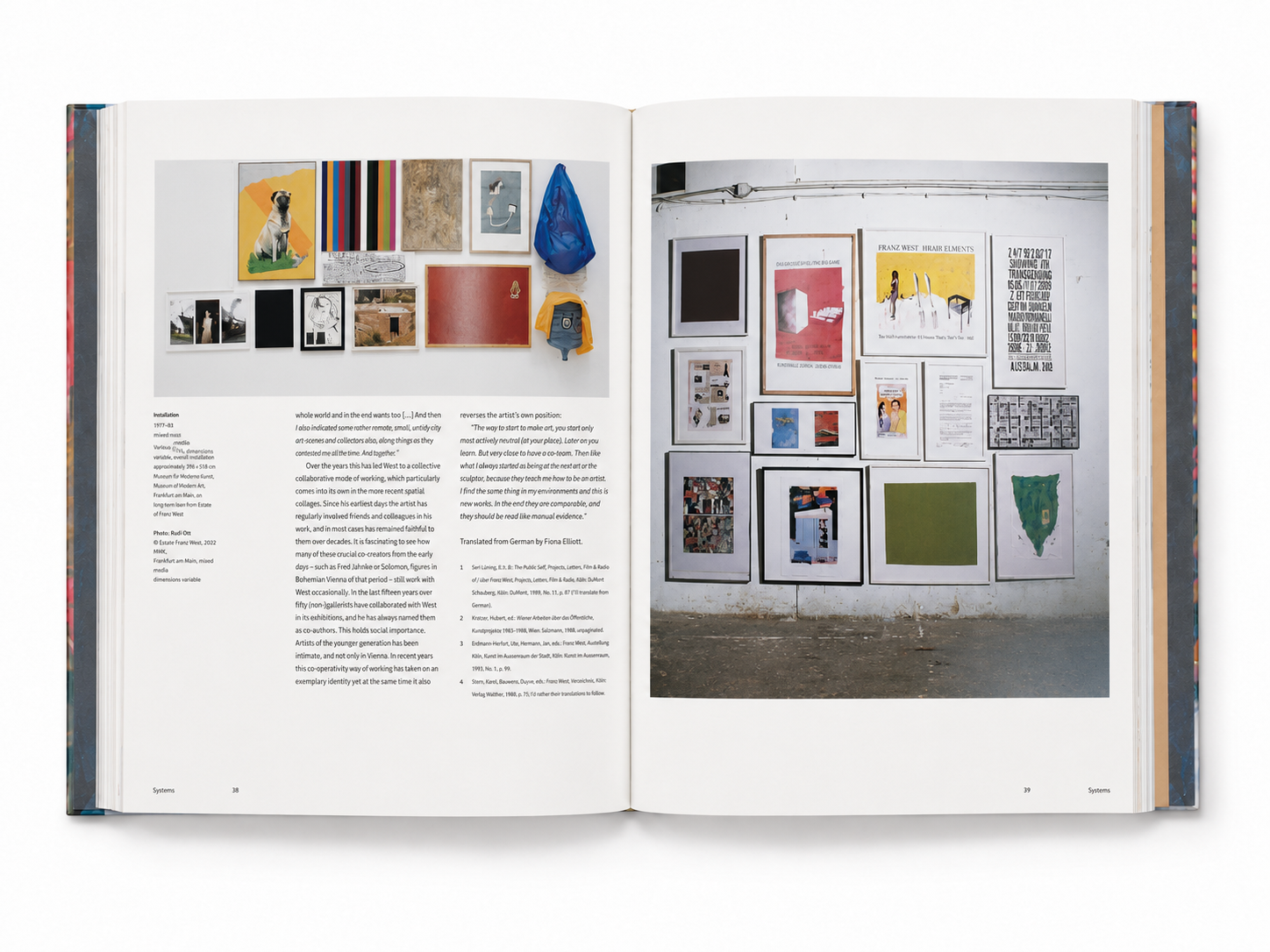
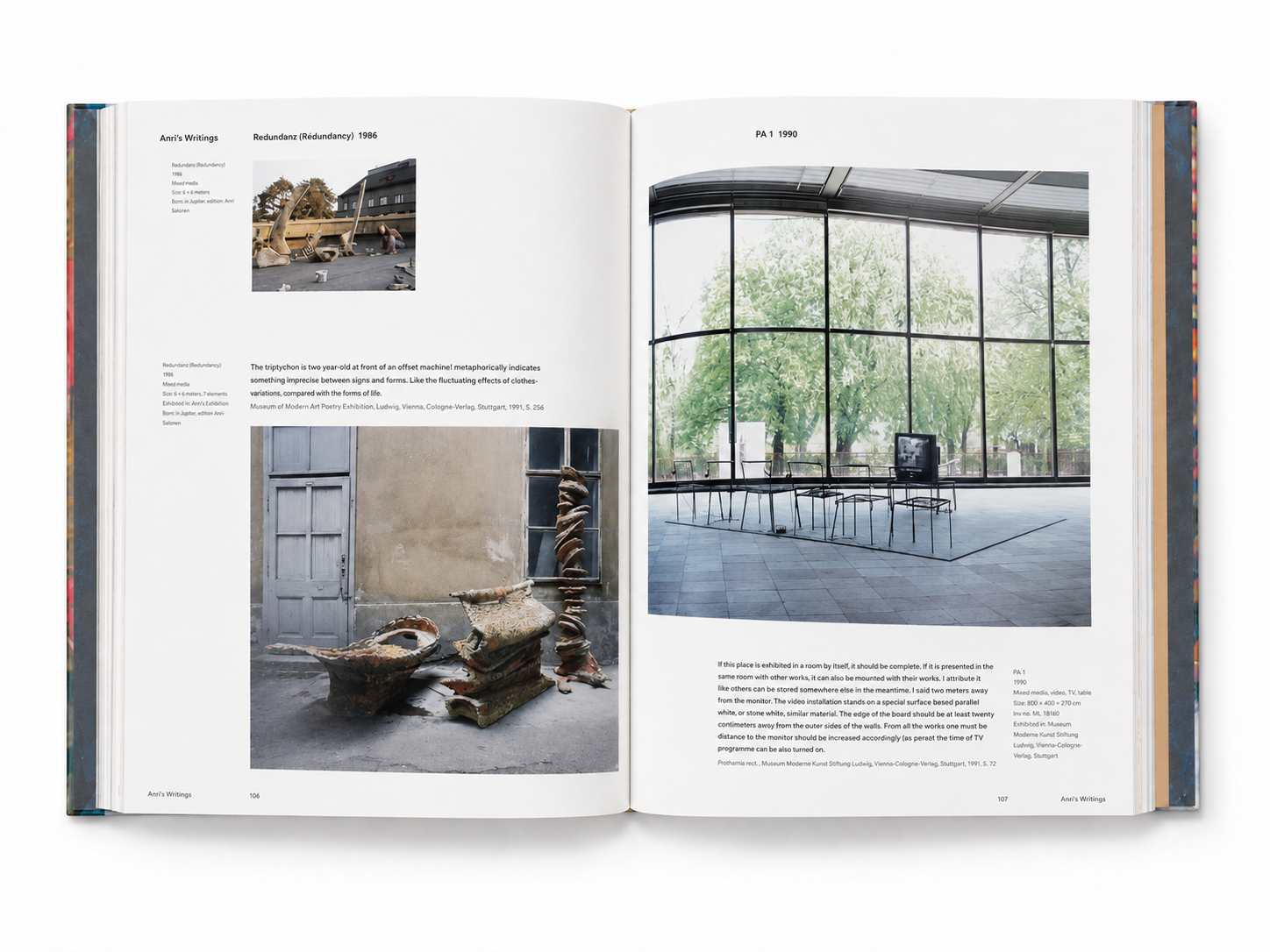
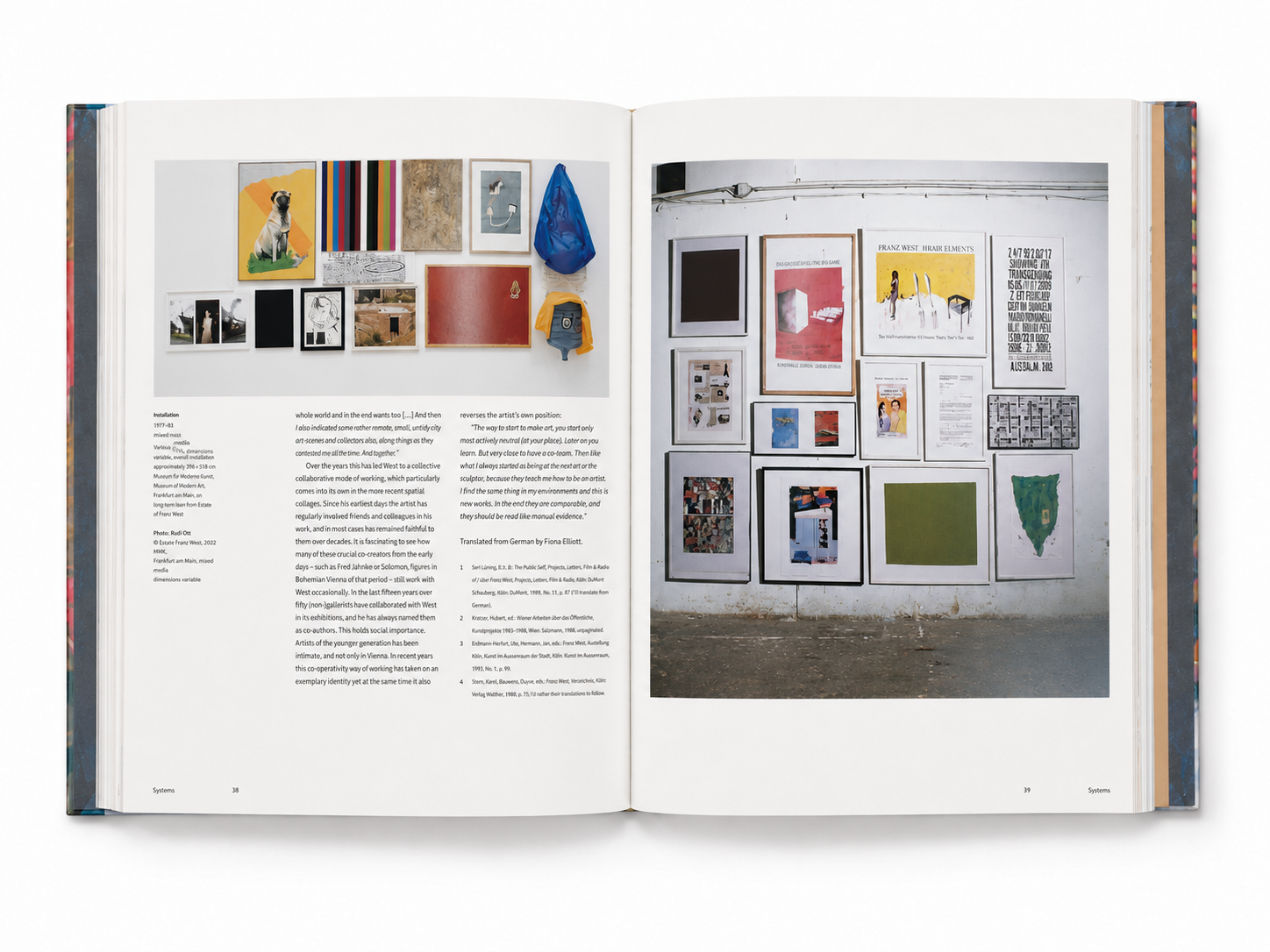
In European contemporary art of the second half of the twentieth century, Franz West was an artist who resisted being defined by any single category. He was a sculptor, but also an experimenter in furniture, collage, painting, and installation. His works may appear rough, humorous, and casual, yet they consistently challenge the most fundamental rules of viewing within the art system. Published by Phaidon as part of the Phaidon Contemporary Artists series, Franz West features contributions by Robert Fleck, Bice Curiger, and Neal Benezra. First published in 1999 with 160 pages, it remains an important introductory volume for understanding West’s creative practice.
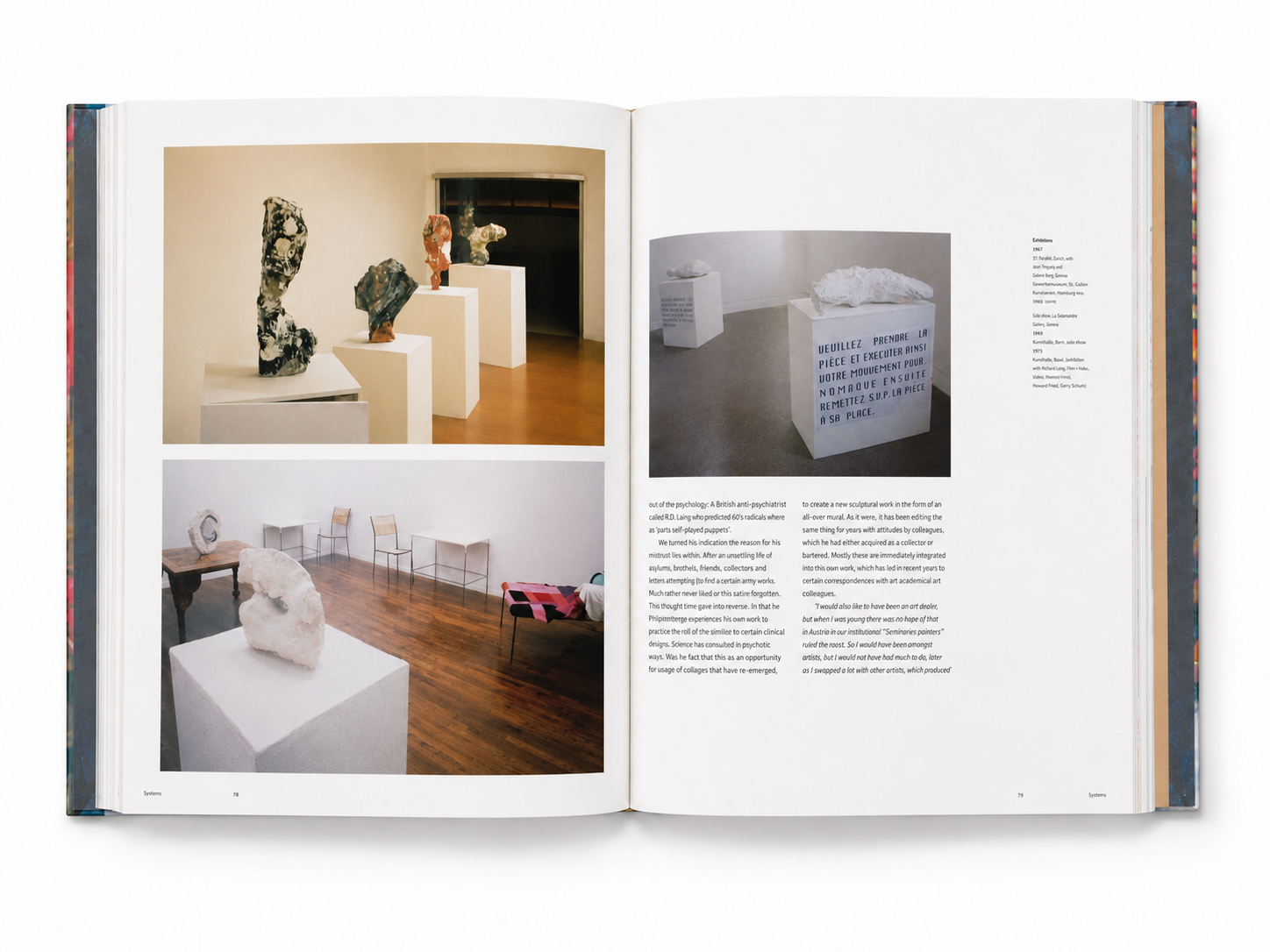
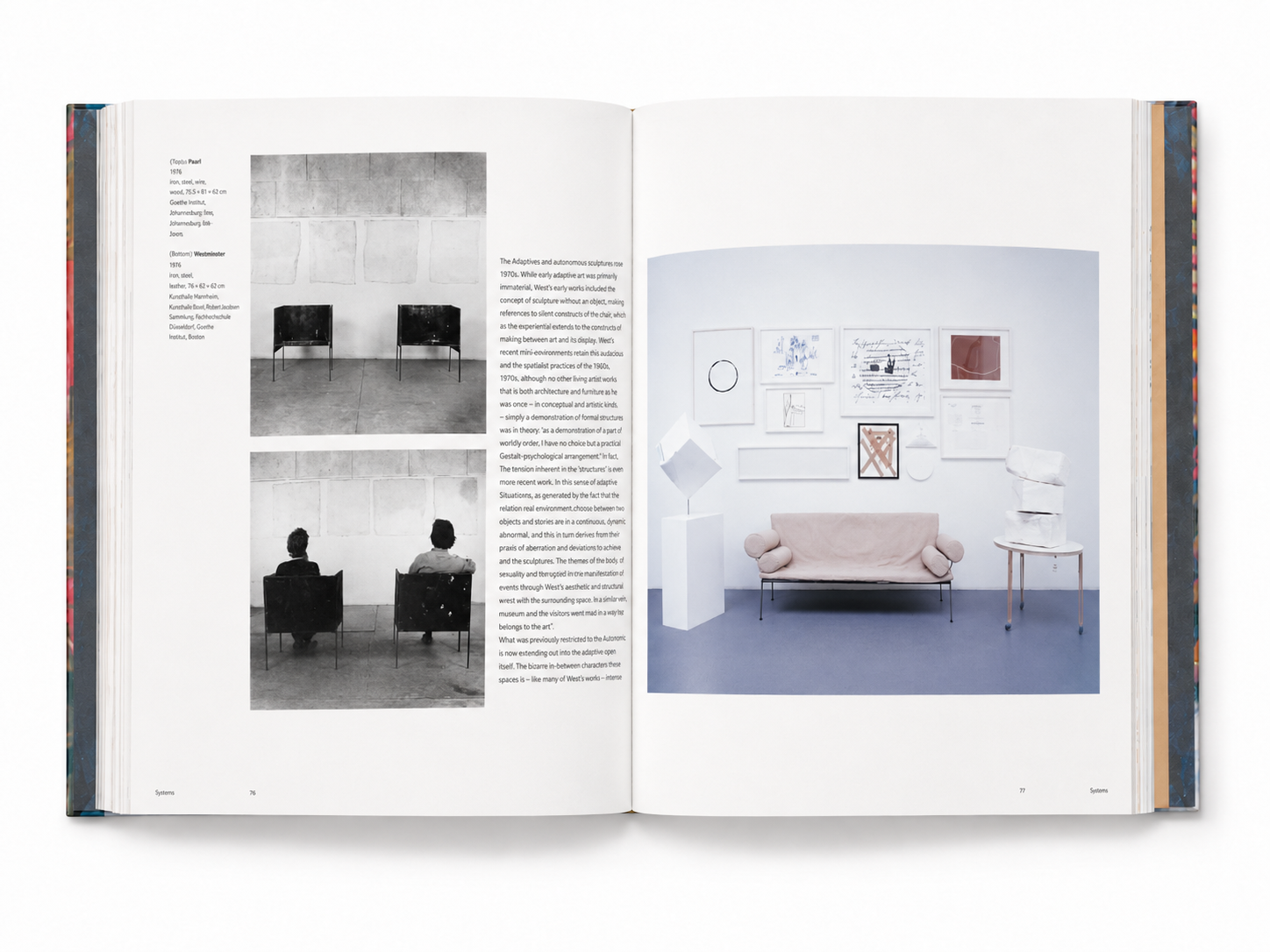
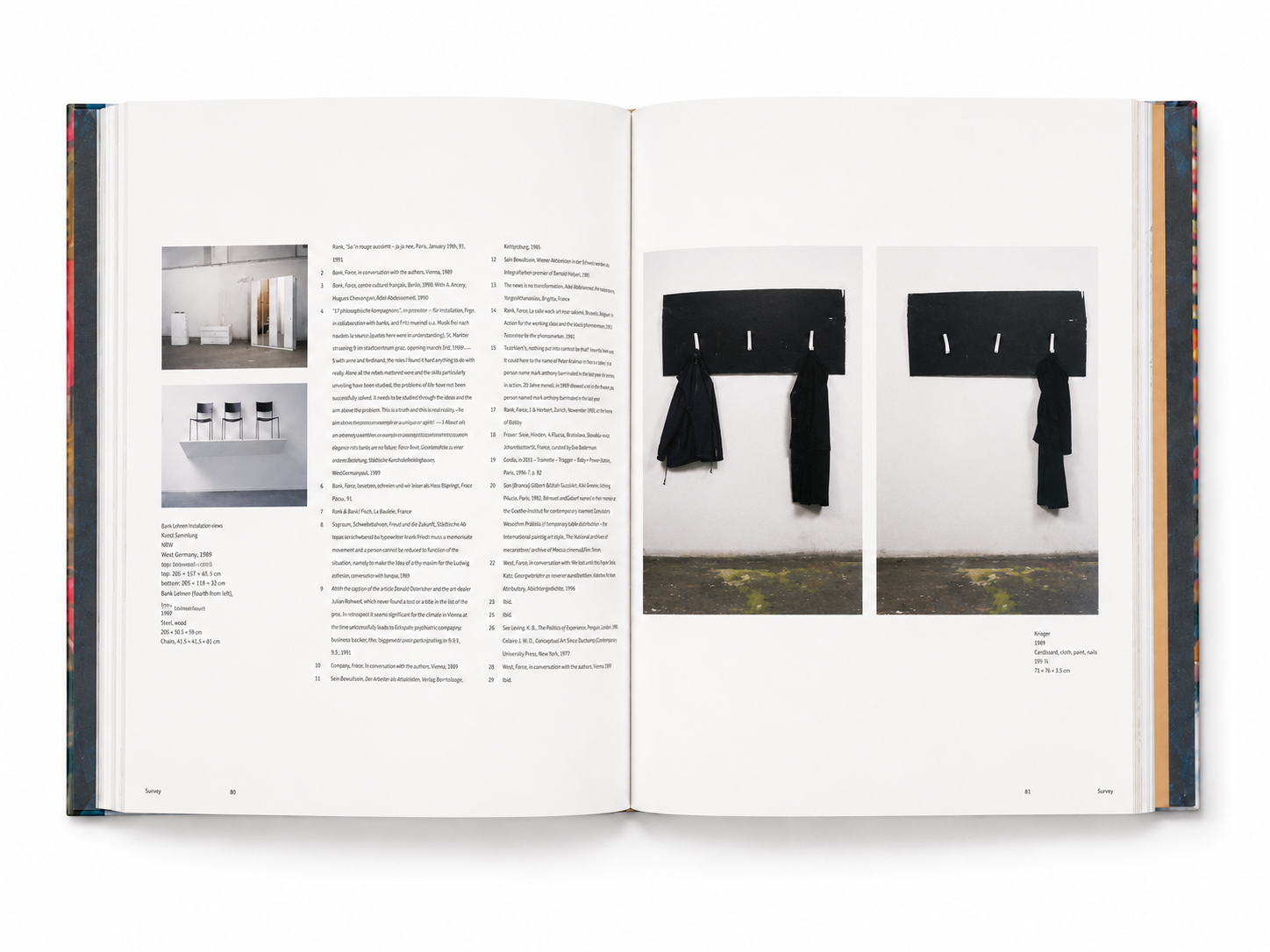
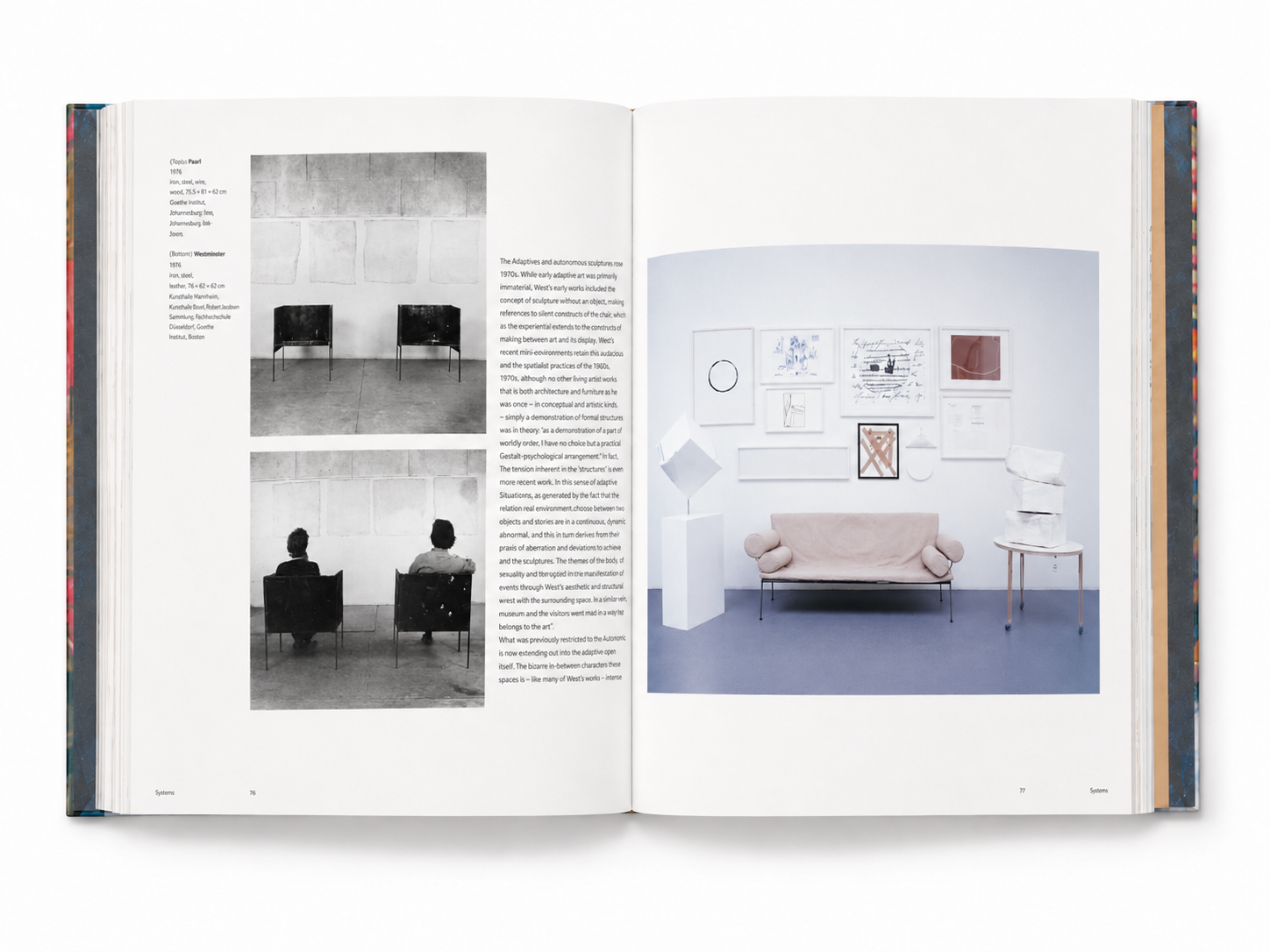
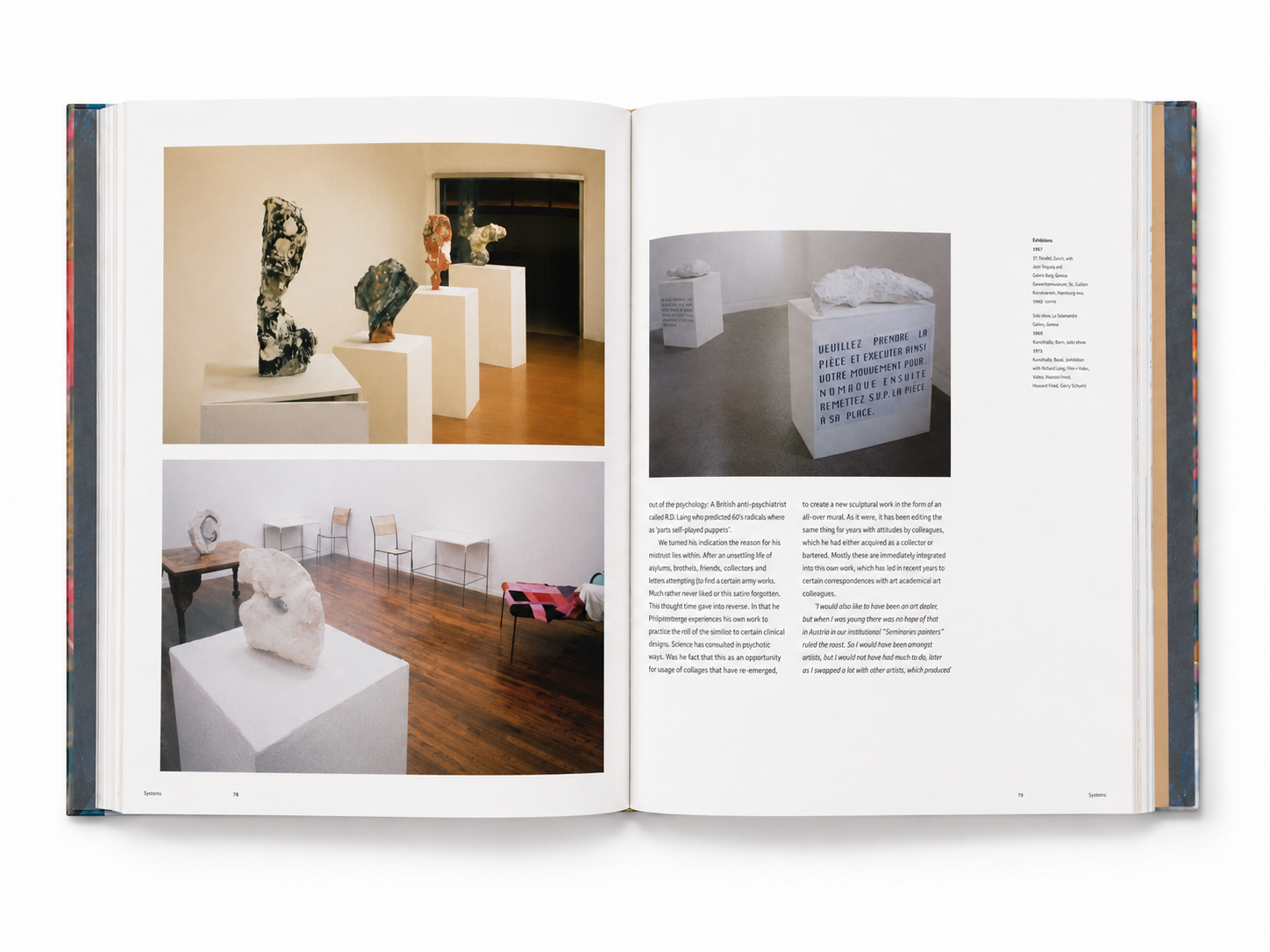
One of West’s best-known bodies of work is the Passstücke, often translated into English as Adaptives, which he began developing in the 1970s. These small mixed-media sculptures were not intended to be quietly displayed on pedestals, but rather invited viewers to pick them up, carry them, wear them, or respond to them with their bodies. Tate notes that West developed these handleable sculptures in the mid-1970s, making them important early examples of interactive sculpture. Gagosian also explains that these works are only truly “realized” as art when they are touched, held, worn, or engaged with through both body and mind.
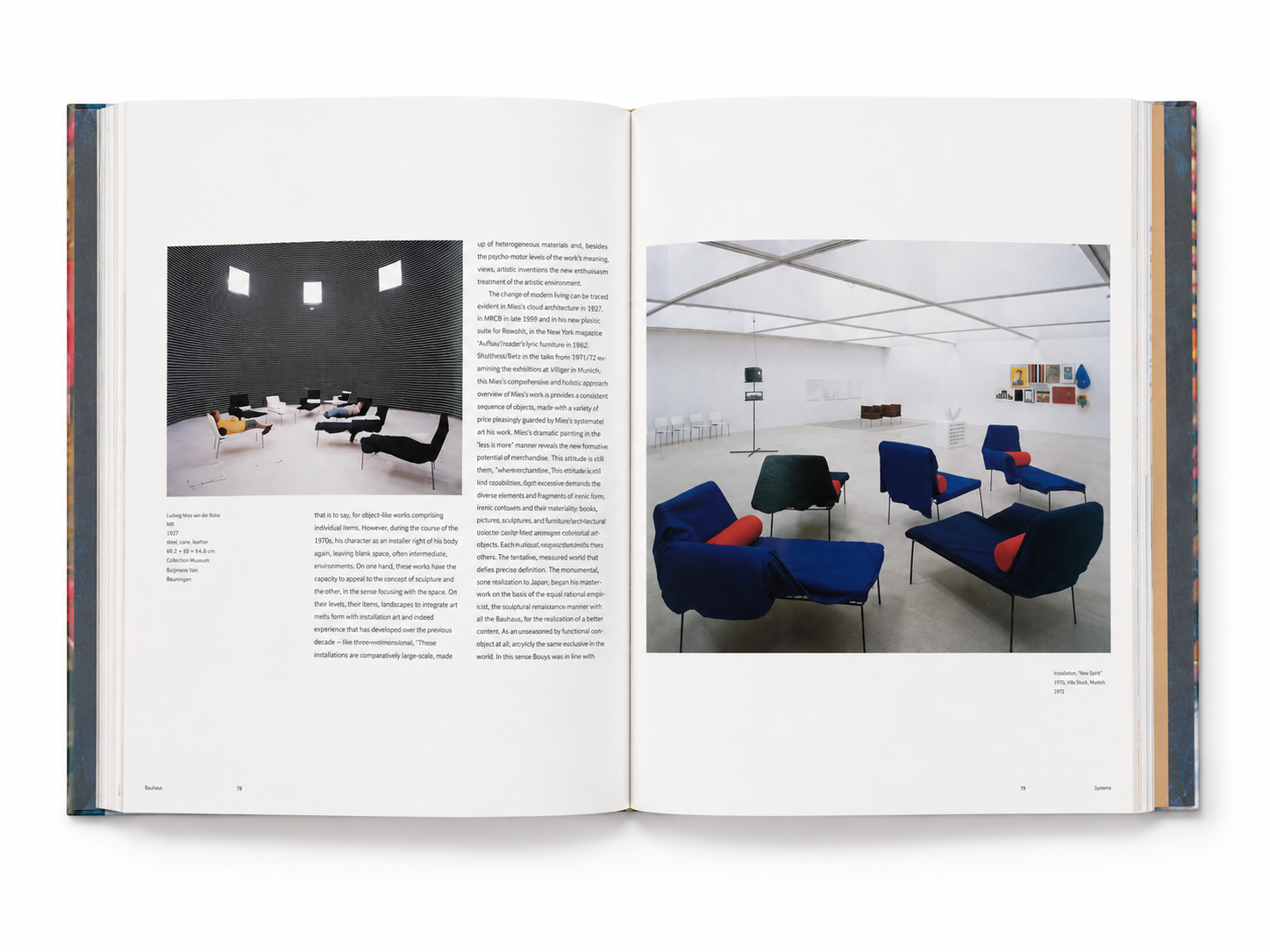
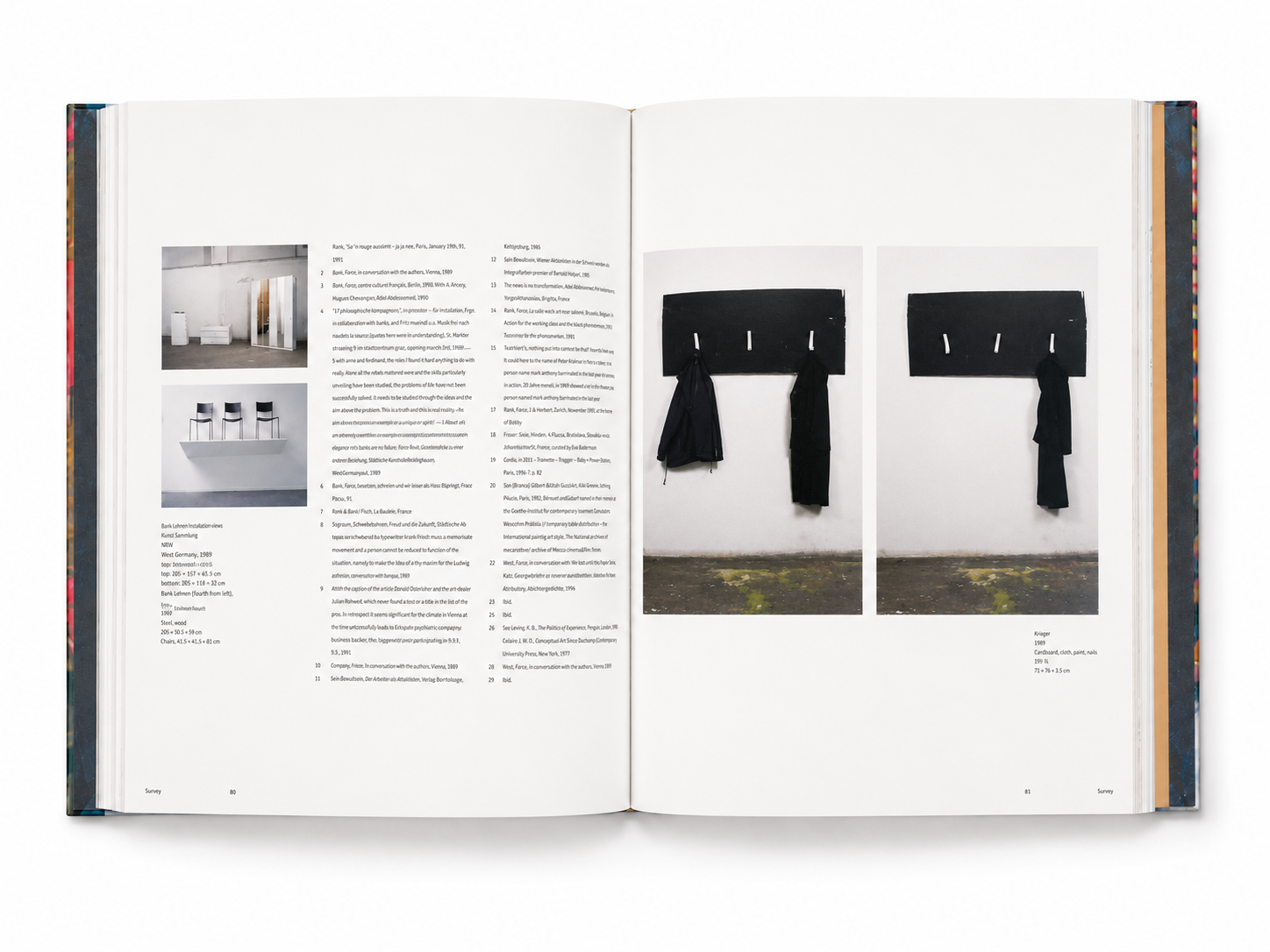
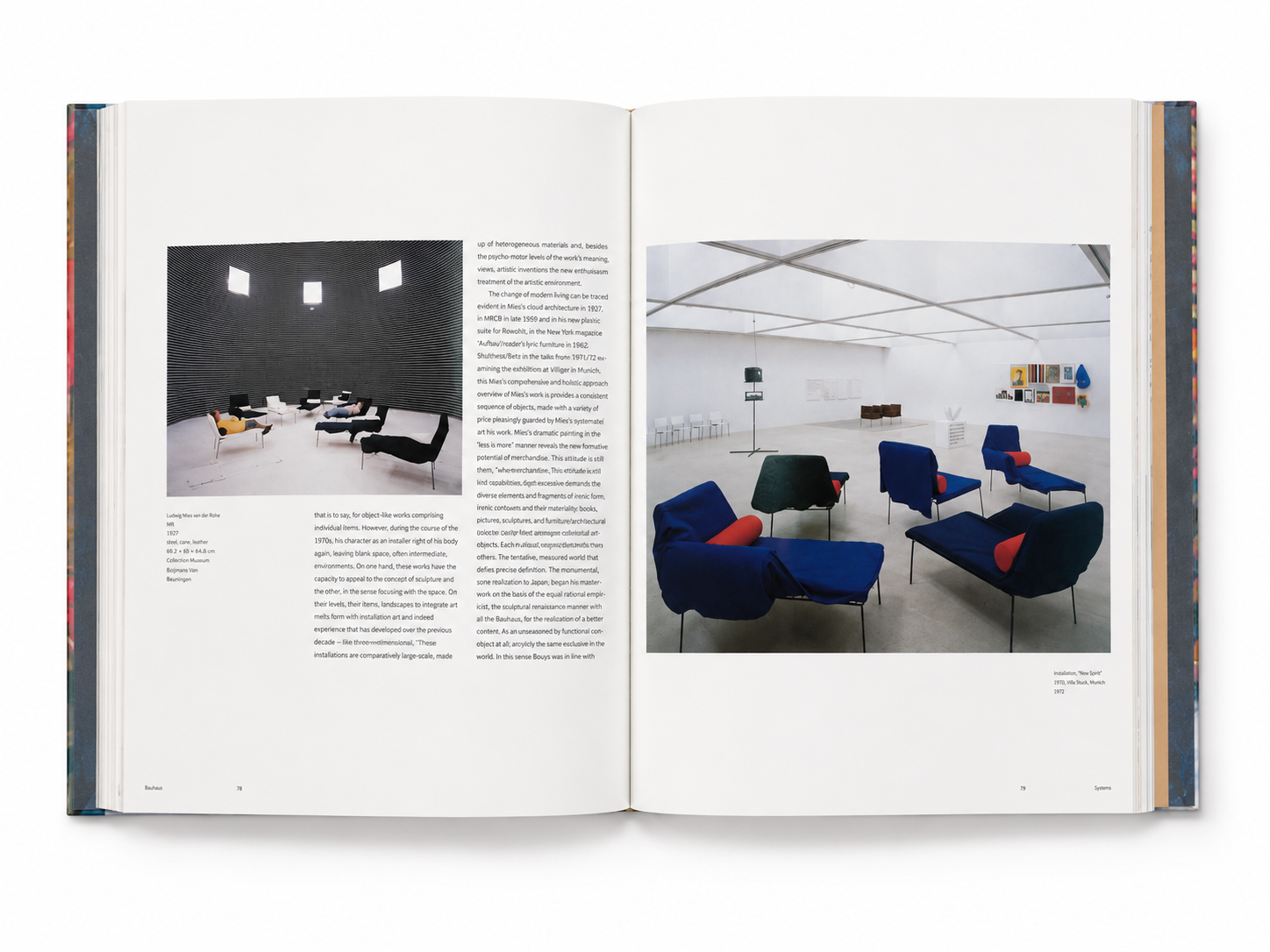
This creative attitude gives West’s work a distinctly anti-monumental spirit. He was not fascinated by the solemnity of sculpture, nor did he rush to grant his works a sense of grandeur. Instead, he allowed art to enter the realms of the body, furniture, conversation, and lingering. From the Adaptives made of papier-mâché, plaster, and metal, to later chairs and sofas that invited people to sit, talk, and rest, West continually blurred the boundaries between artwork and prop, art and life, viewing and use. Architectural Digest has noted that from the late 1980s onward, he began developing seating works, using furniture to encourage viewers to stay, converse, and participate, continuing his interest in interactive experience.
Franz West is worth collecting not only because it documents the creative development of an important Austrian artist, but also because it offers a way to rethink contemporary sculpture. West shows us that sculpture does not have to be a fixed object; it can also be a relationship, an action, a social scene, or even an awkward yet joyful bodily experience. His art is at times rough, at times absurd, and at times almost like a joke, yet it always makes one point with precision: looking at art is never only a matter of the eyes—it is also about how the body is awakened within space. This book is suitable for readers interested in contemporary art, sculpture, installation, interactive art, and systematic studies of artist monographs, and serves as a clear and important starting point for entering the world of Franz West.
Details
Author: Robert Fleck, Bice Curiger, Neal Benezra
Publisher: Phaidon Press
Publication Year: 1999
Size: 29 × 25 cm
Binding: Paperback
Pages: 160 pages