[Book Introduction]
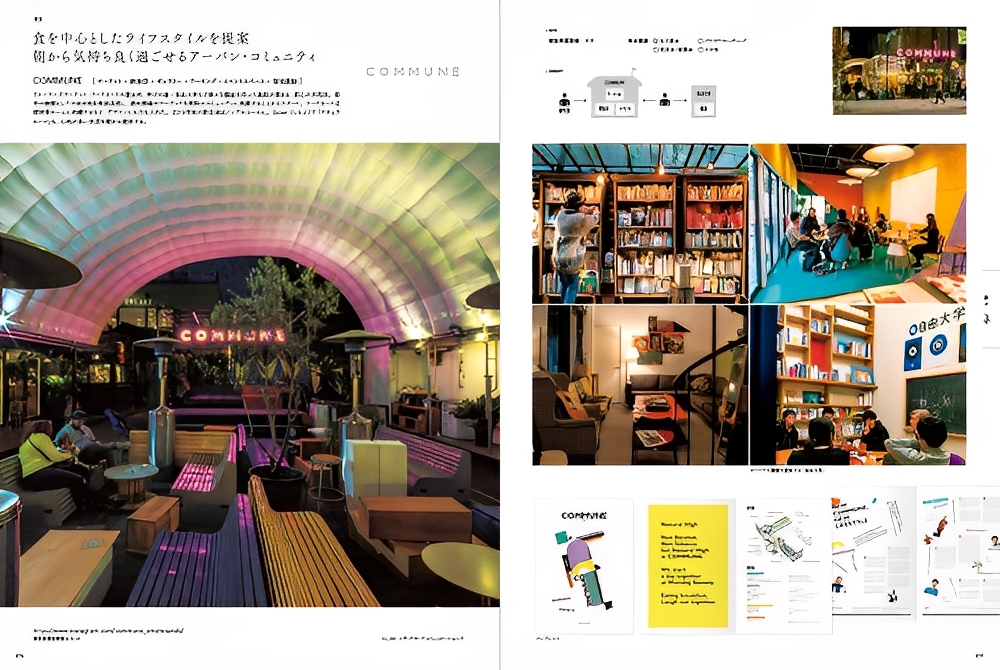
Creating New Communities Through Space and Design is a comprehensive exploration of how physical spaces can serve as platforms for building new forms of community. Centered on the question of how spatial design can foster human connection, the book categorizes its case studies into four functional and experiential themes: “Living,” “Experiencing,” “Playing,” and “Learning.” Each chapter presents thoughtfully selected projects that demonstrate how space can spark social interaction, revitalize localities, and promote intergenerational exchange.
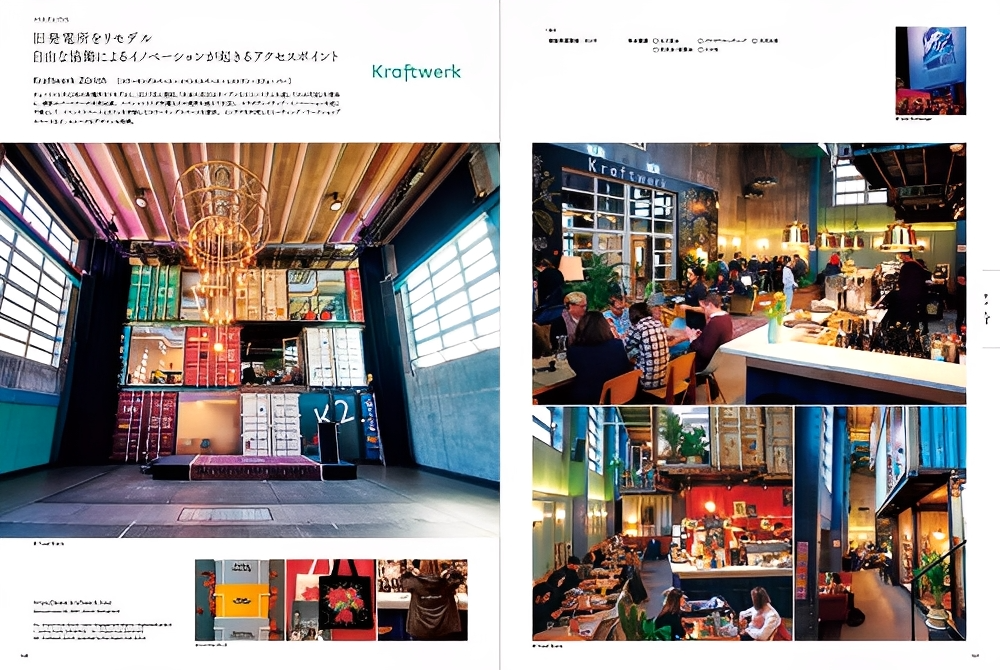
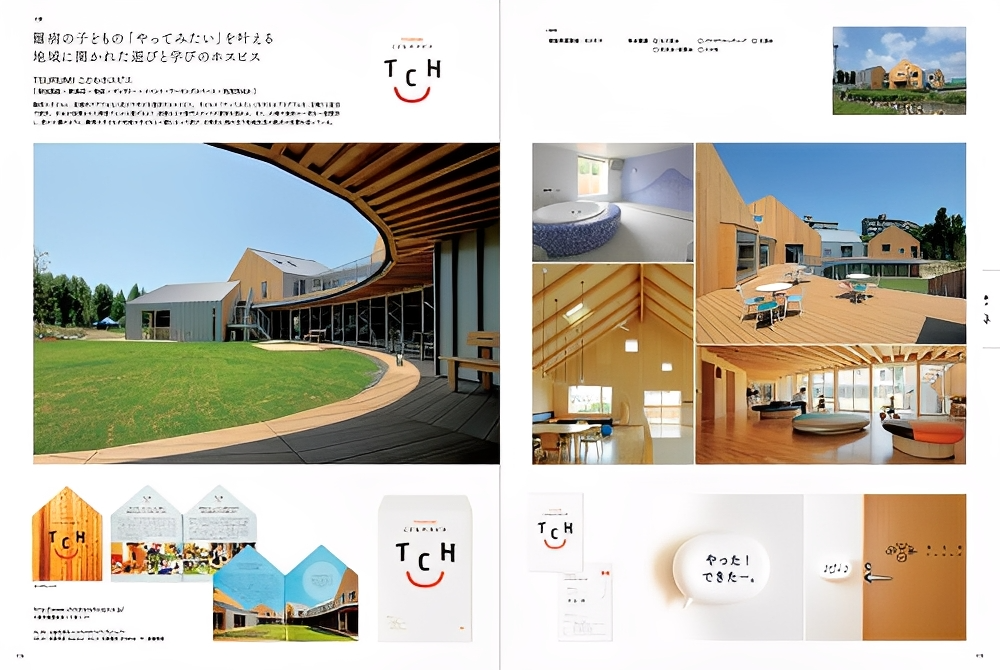
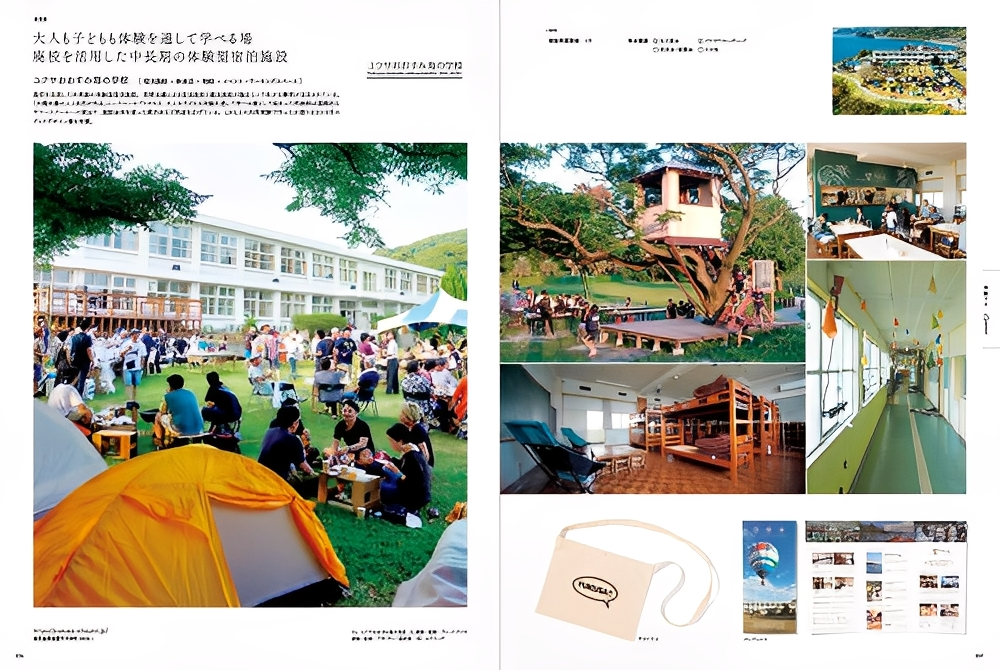
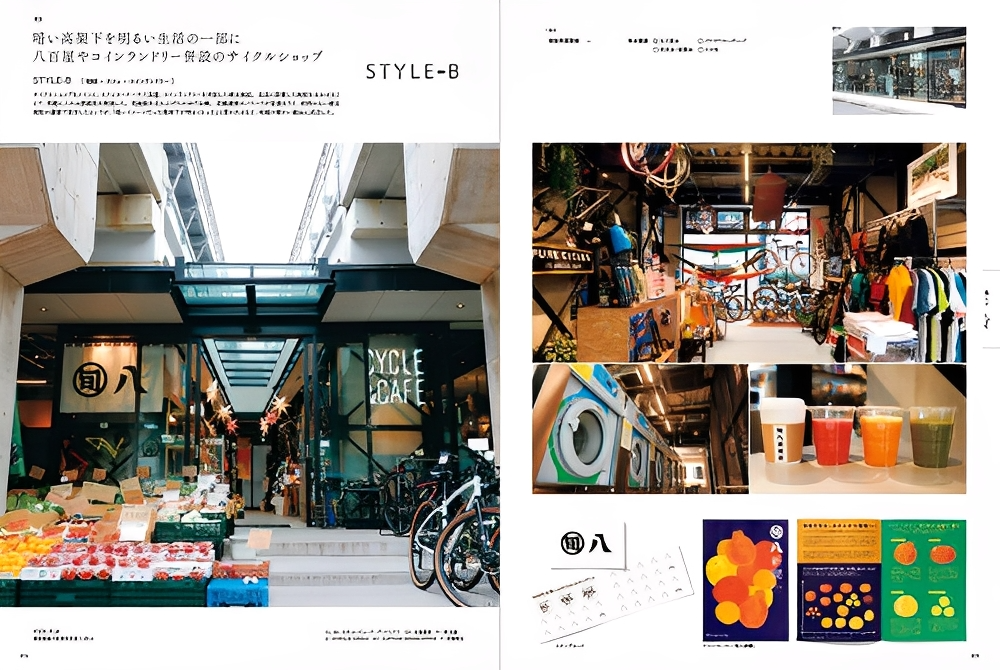
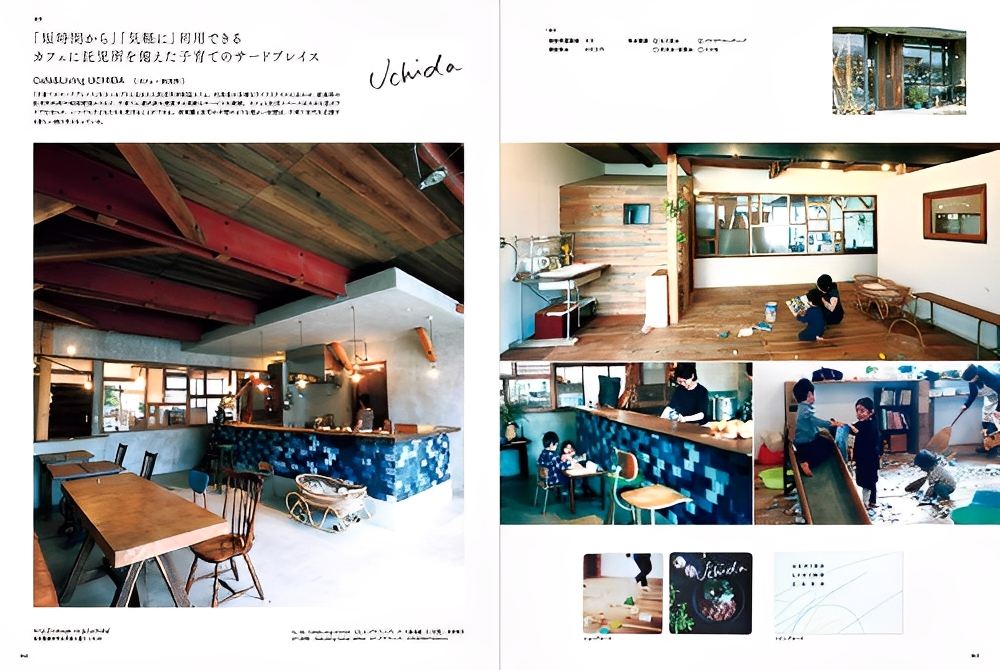
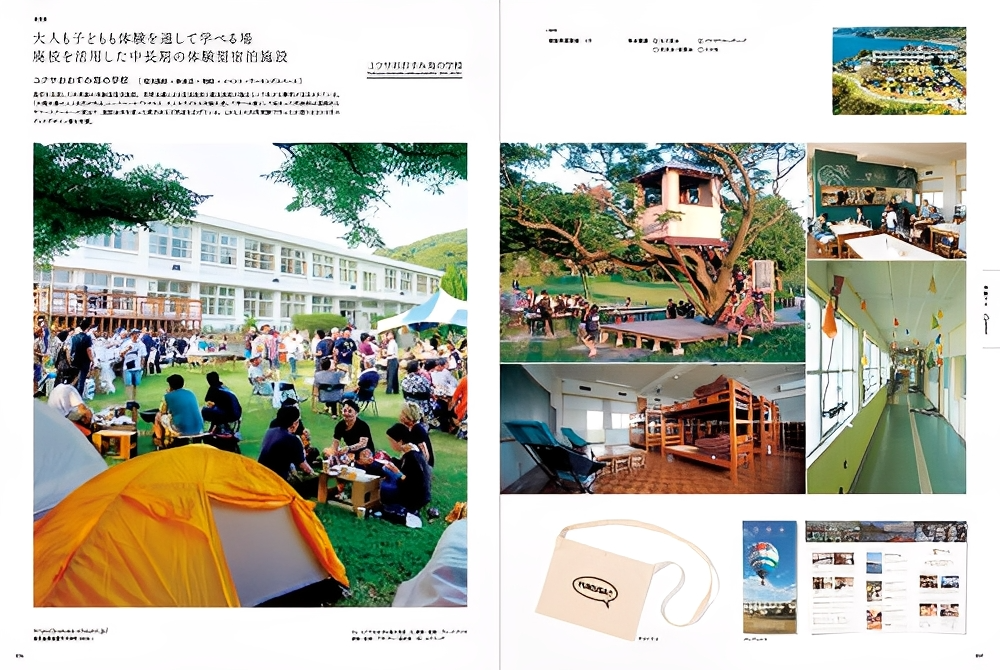
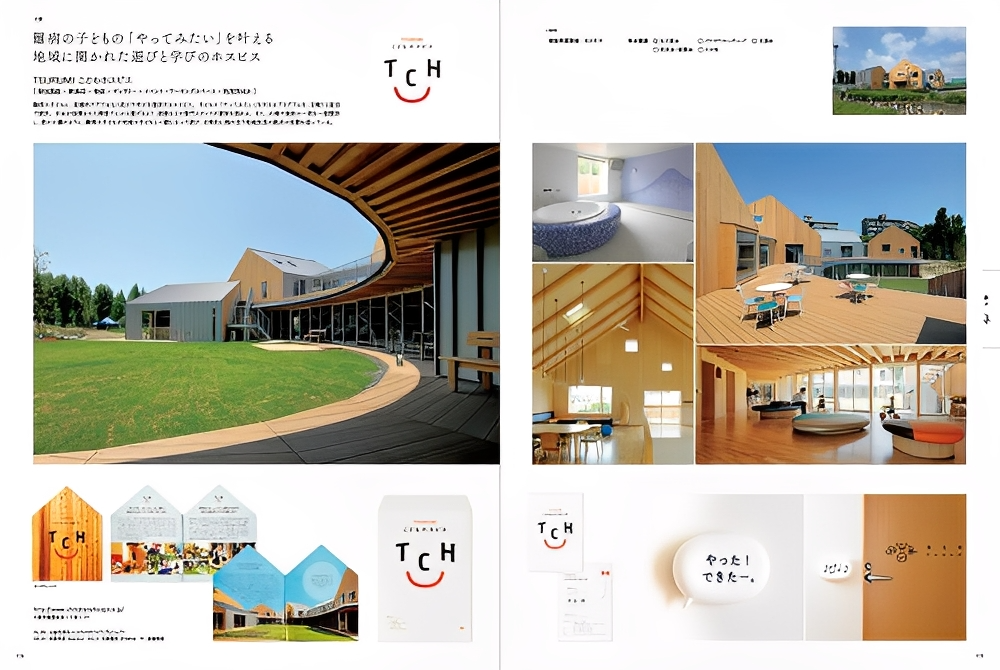
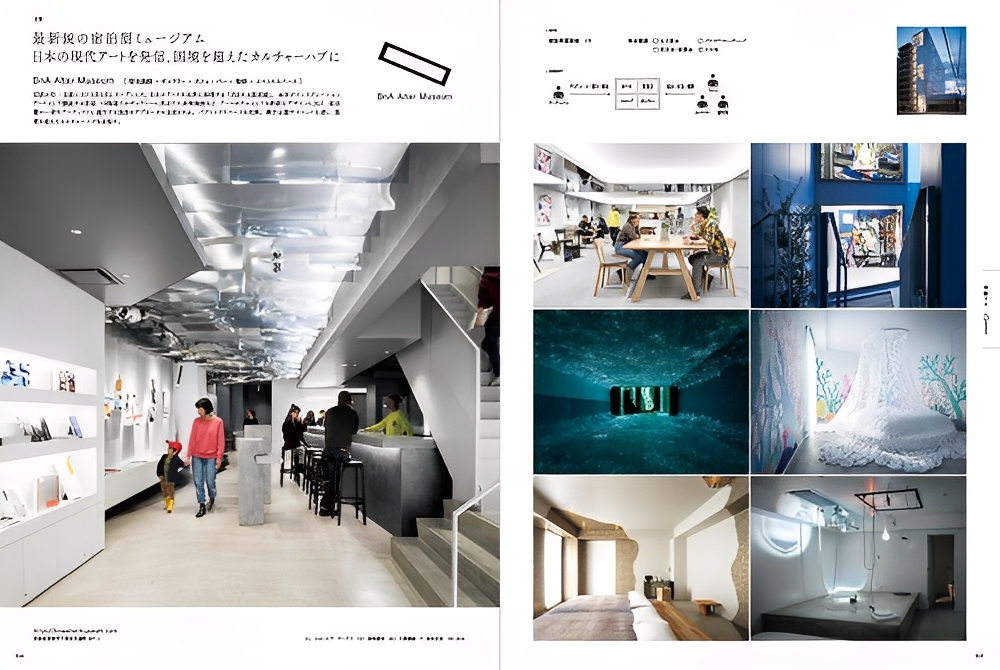
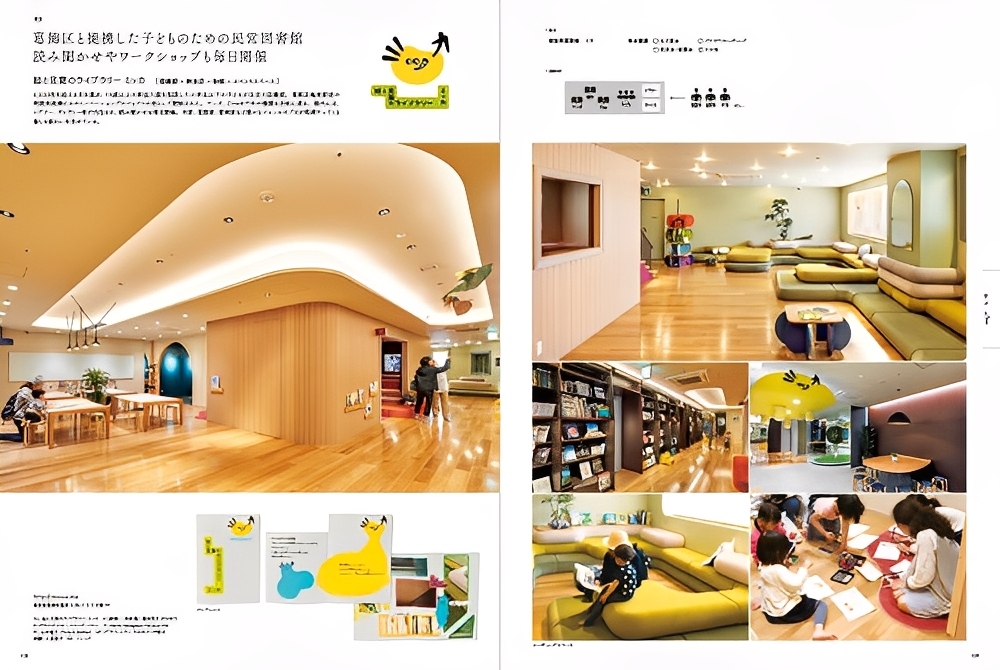
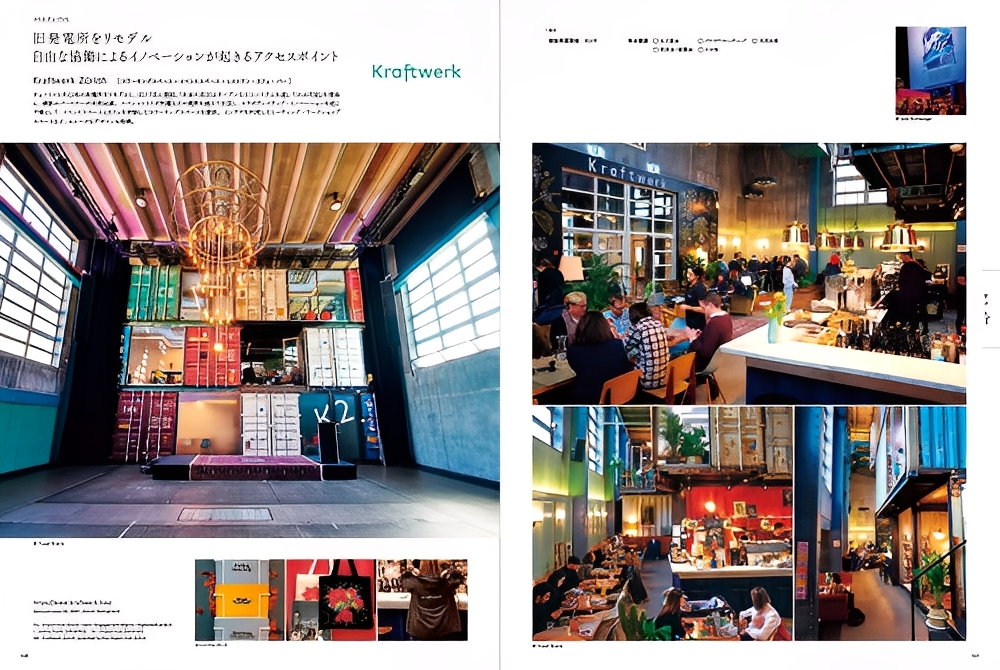
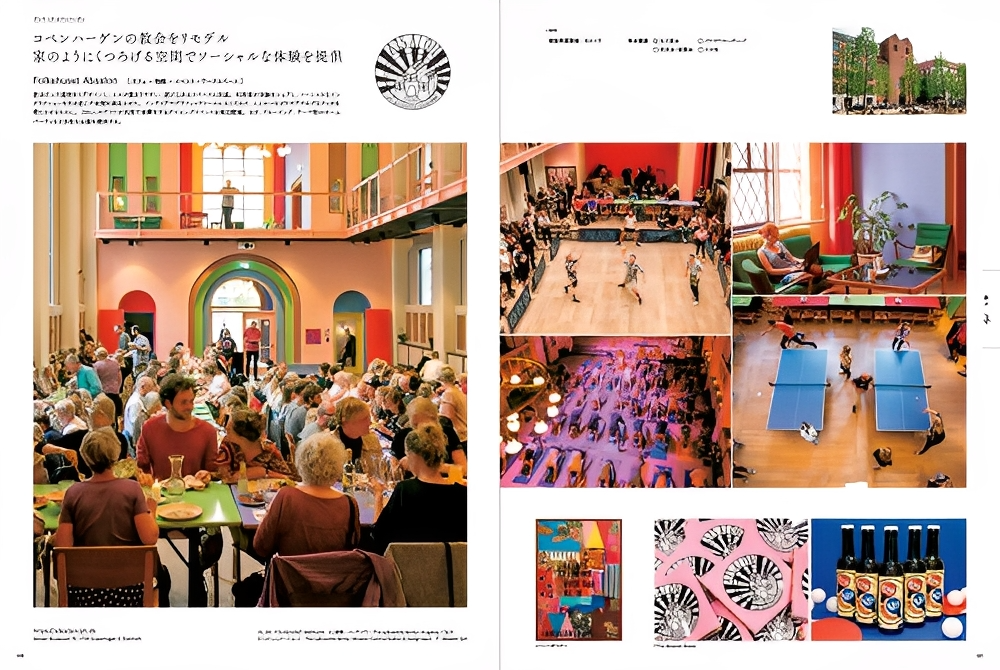
The book features a diverse array of case studies from both Japan and abroad, reflecting the dynamic possibilities of spatial diversity and cultural integration. Domestic examples include the child-friendly cafe and daycare hybrid Cafe & Living UCHIDA, the multifunctional STYLE-B space beneath an overpass combining a market and laundromat, the school-to-experience facility Yukusa Osumi Umi no Gakkō, and TSURUMI Children's Hospice, a care-centered space for children with serious illnesses. International cases such as Kraftwerk Zurich in Switzerland, Folkehuset Absalon in Denmark—transformed from a church into a community hub—and Japan’s BnA Alter Museum, which merges art with accommodation, further highlight how design can transcend cultural and geographic boundaries.
Notably, the book has served as a practical reference for design professionals and spatial planners. TANOSHINAL, the operator of the multifunctional venue CASICA, drew inspiration from the book to host events like “Shinen-nichi” and the “Cinema Night Market,” illustrating the intersection of spatial design and curation in creating multi-layered human experiences. Urban regeneration and art-driven community models such as Shimokita Railway Street and Hotel Anteroom Kyoto are also featured as forward-thinking examples of design-led social innovation.
More than a collection of architectural case studies, Creating New Communities Through Space and Design offers a deep investigation into the strategies and impact of spatial design in contemporary society. Its rich visual documentation, clear thematic structure, and expert commentary make it a valuable resource for community designers, public space planners, cultural organizers, entrepreneurs, and urban theorists alike. Whether for academic inquiry, practical application, or visual appreciation, this is a highly insightful and aesthetically refined volume on spatial design and community building.
[Book Details]
Author: PIE Editors
Publisher: PIE International
Publication Year: 2020
Size: 30 × 22 cm
Binding: Softcover