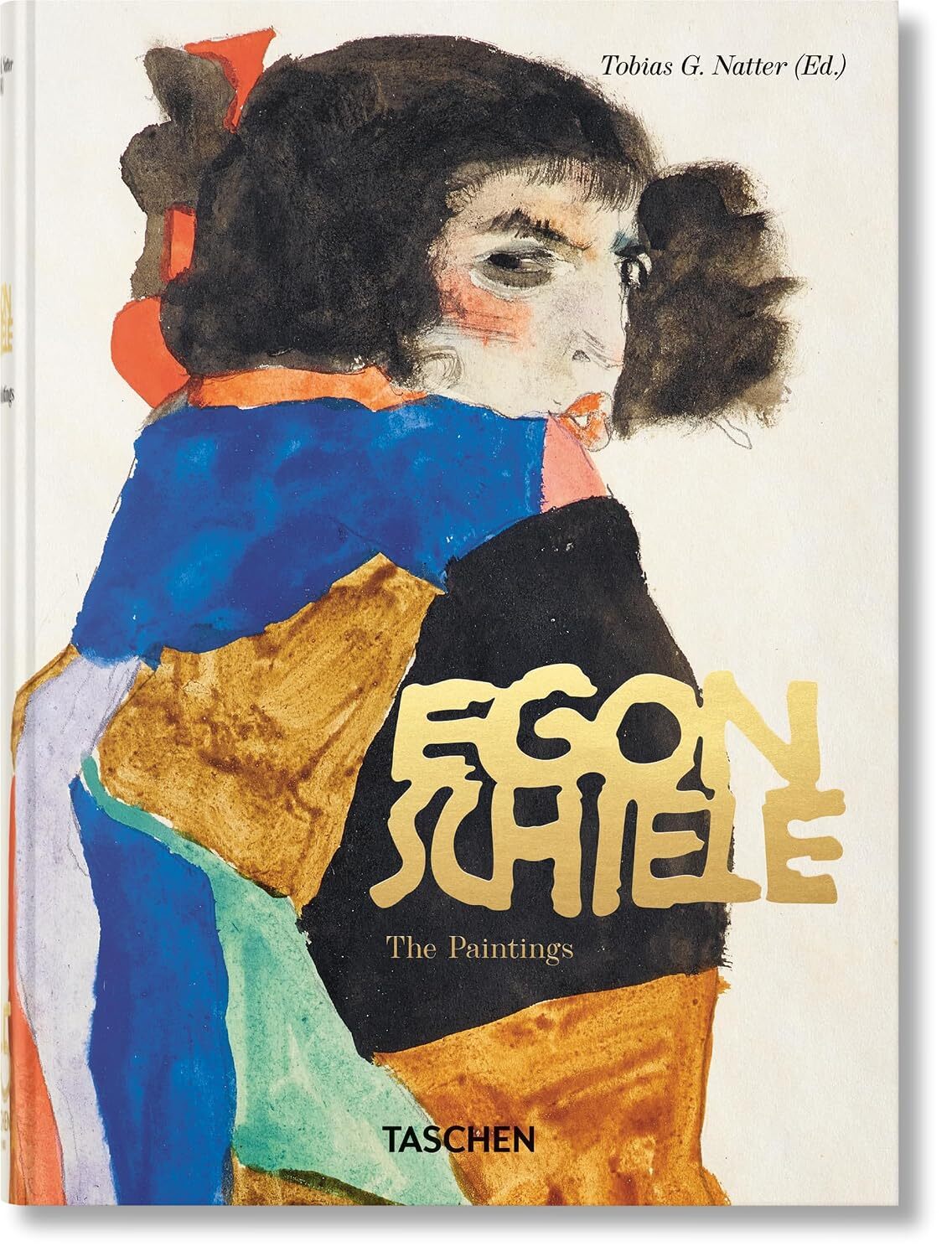
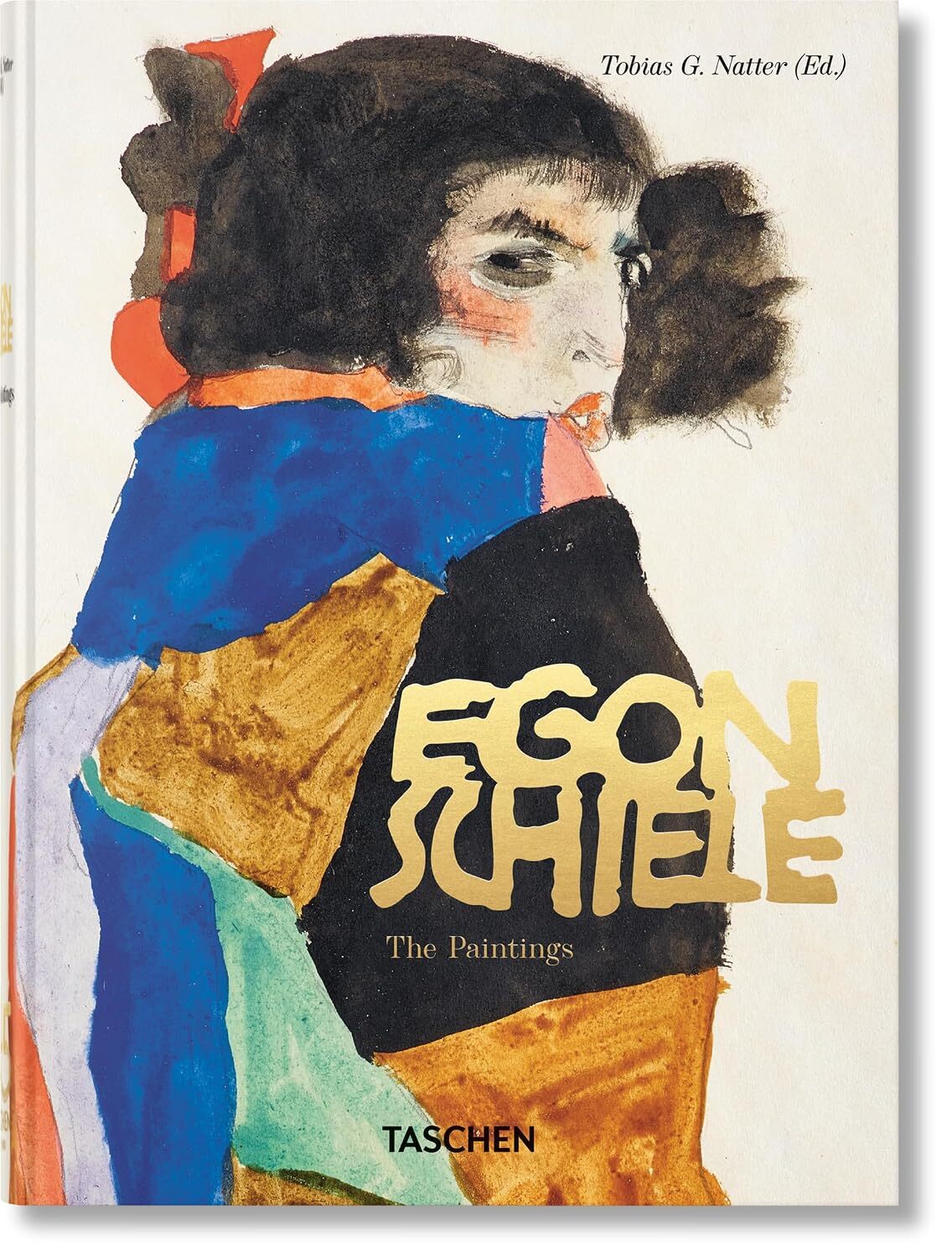
【Book Introduction】
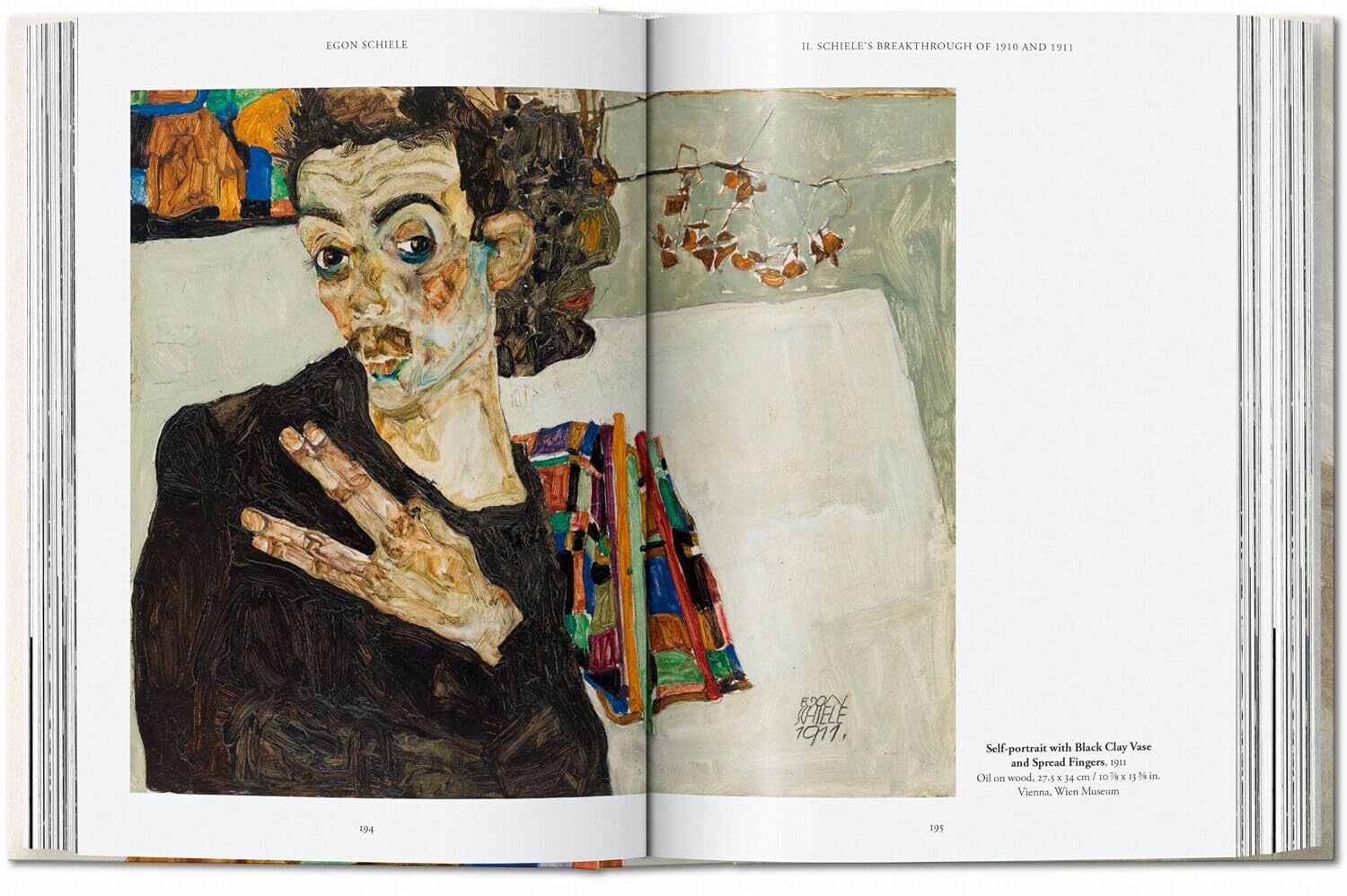
Egon Schiele (1890–1918) was one of the most important Austrian artists of the early 20th century. Deeply influenced by Gustav Klimt in his early years, Schiele gradually moved beyond his mentor’s style and, within just a decade, developed a highly distinctive visual language that secured his place in the history of modern art. In 1918, Schiele died from the Spanish flu at the age of only 28, leaving behind a remarkably rich and influential body of work.
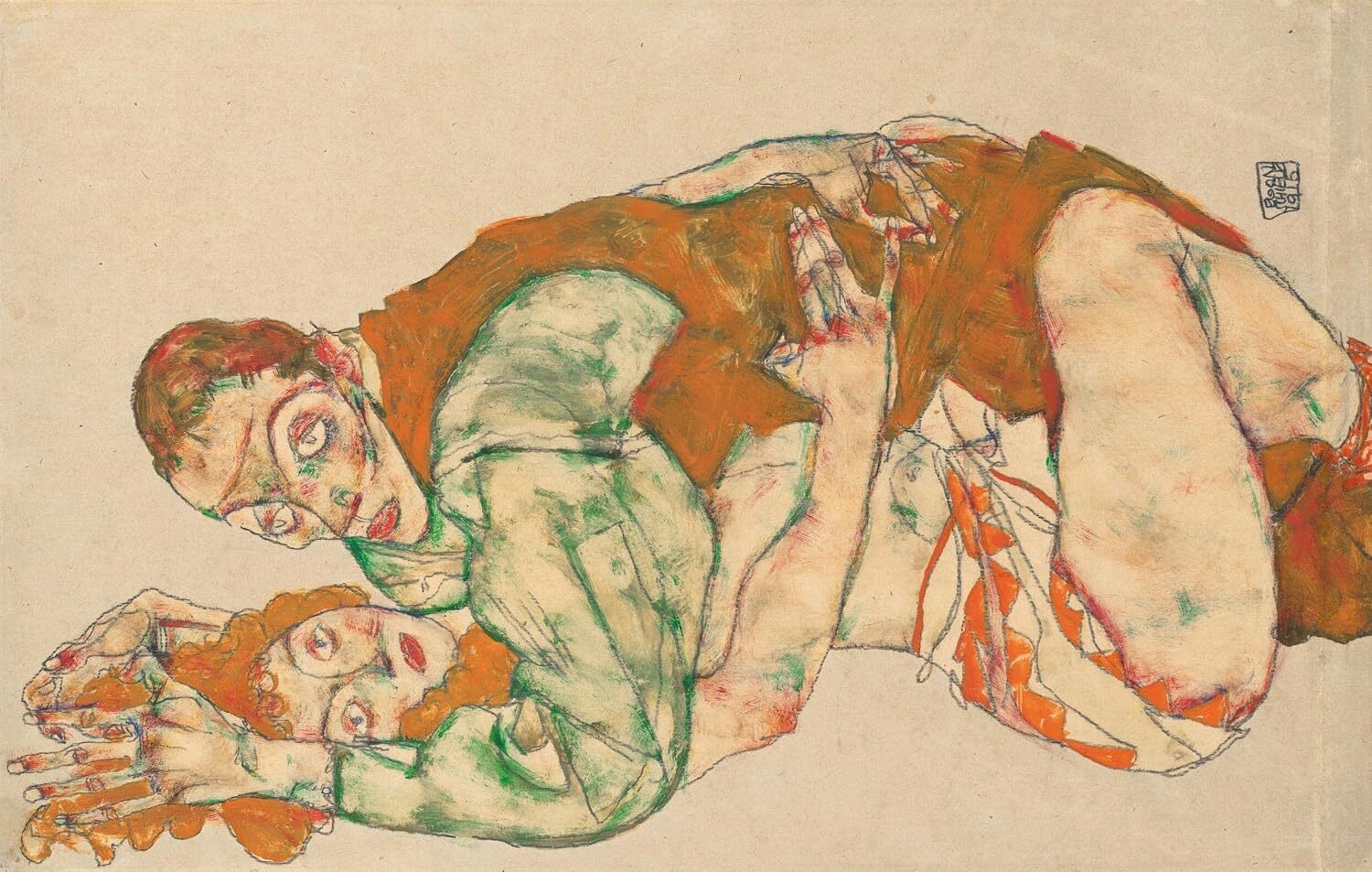
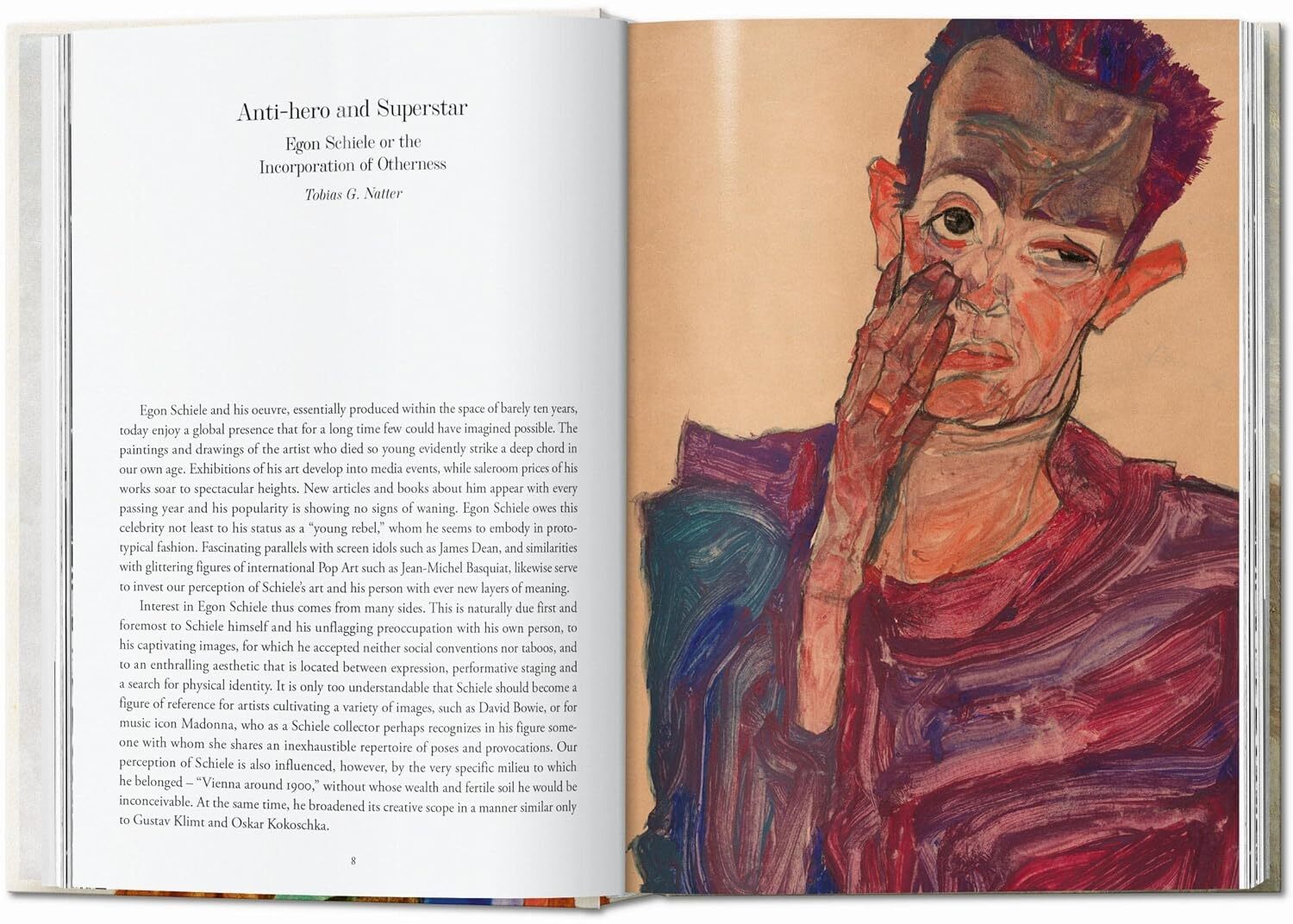
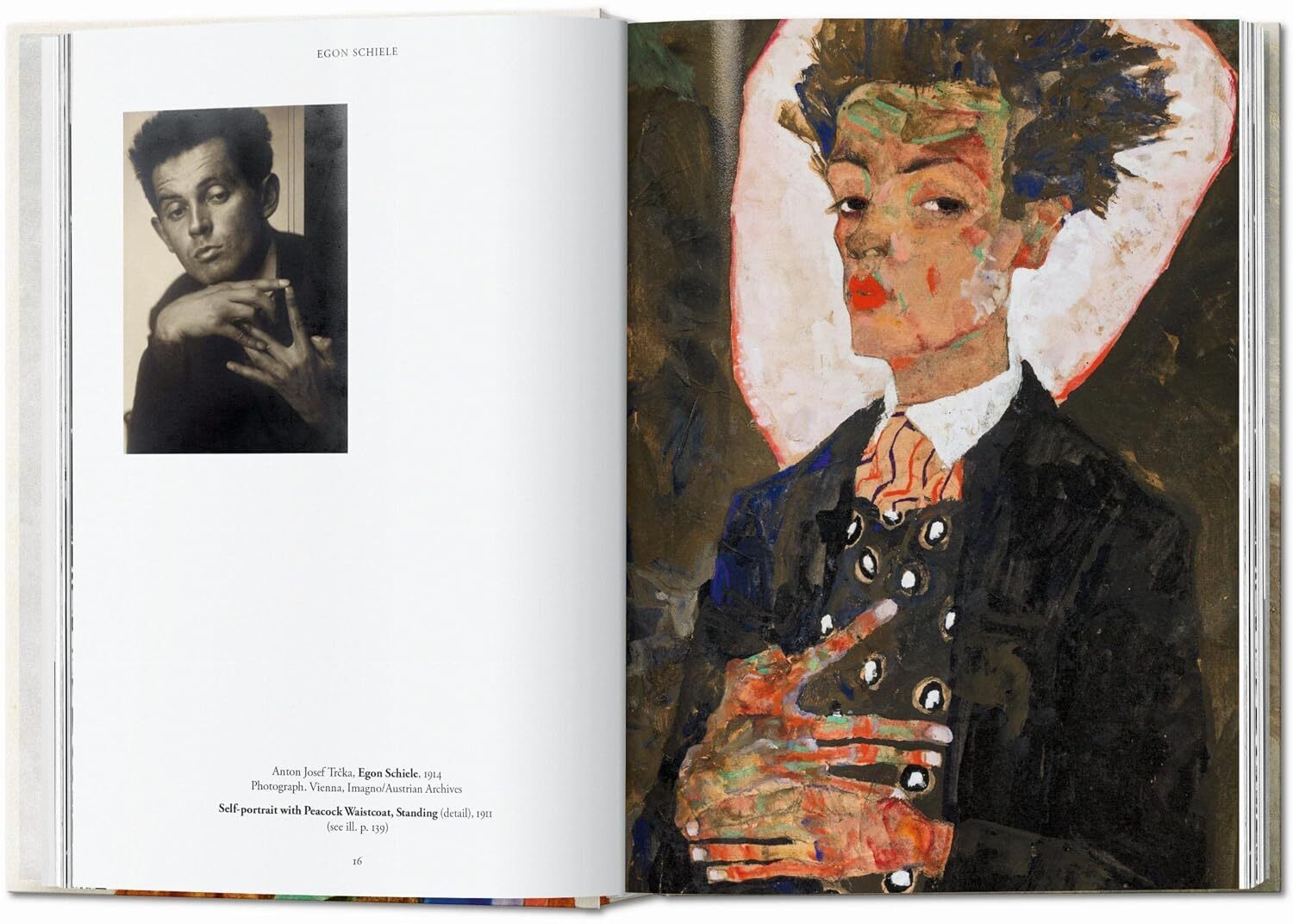
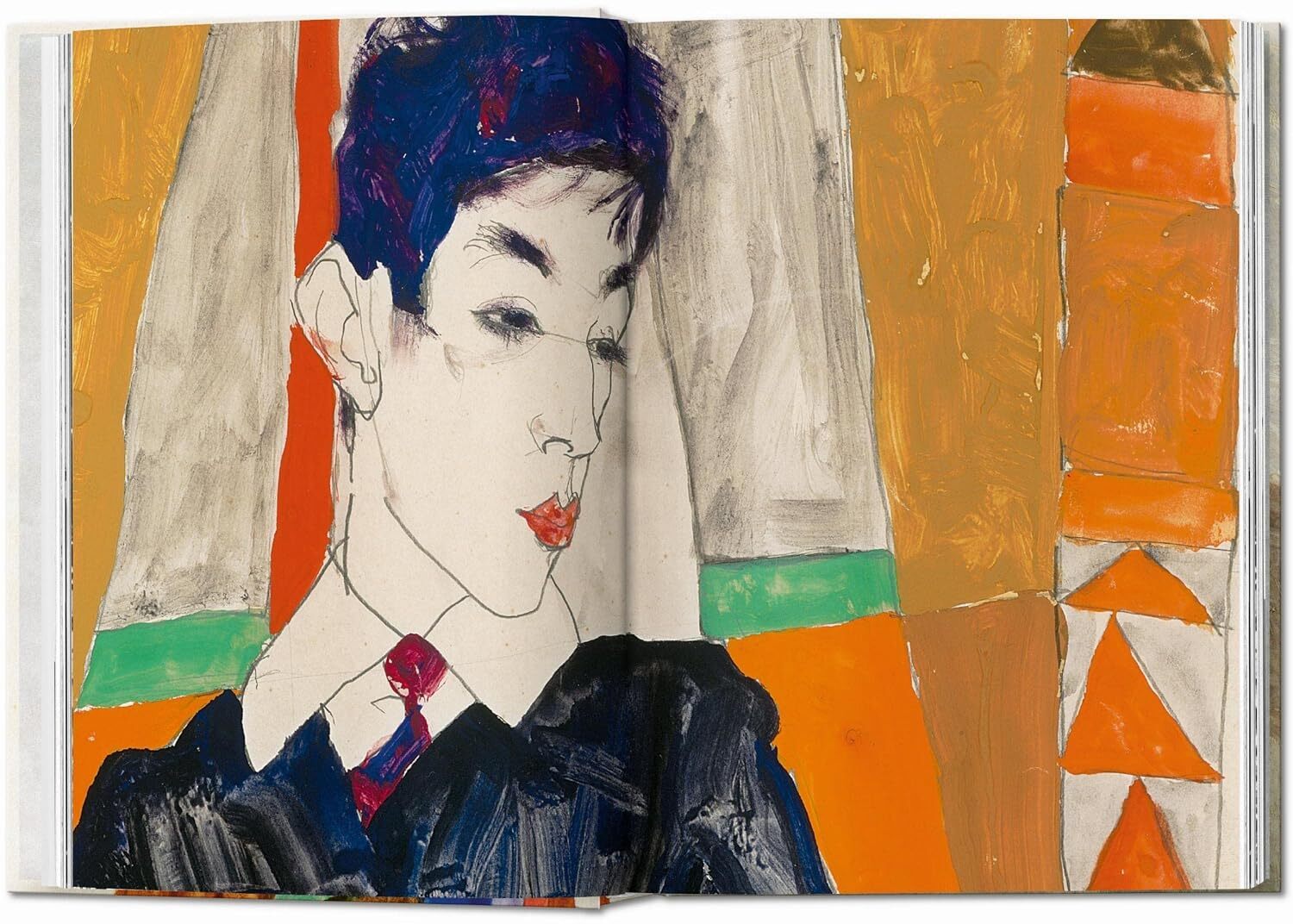
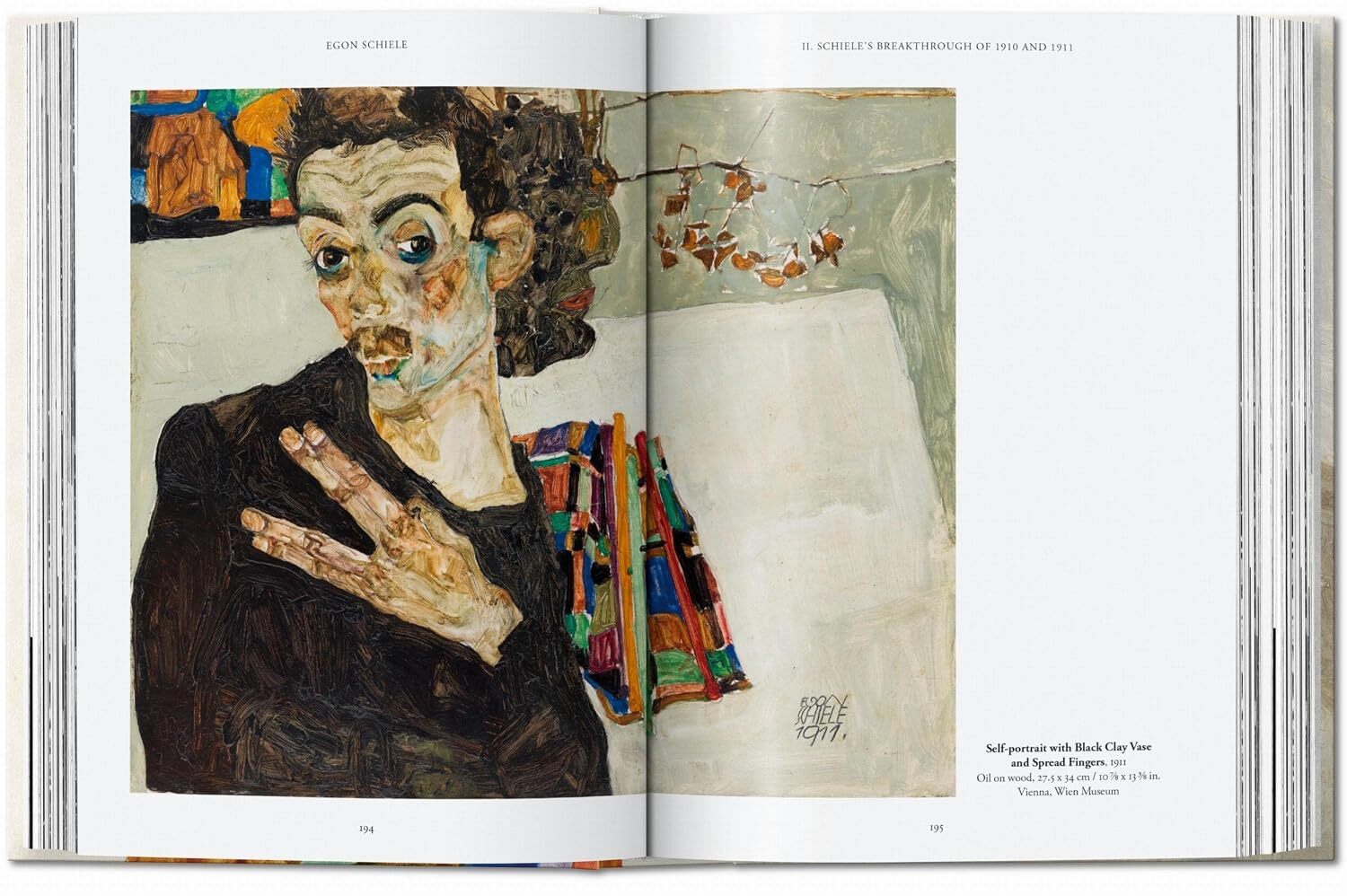
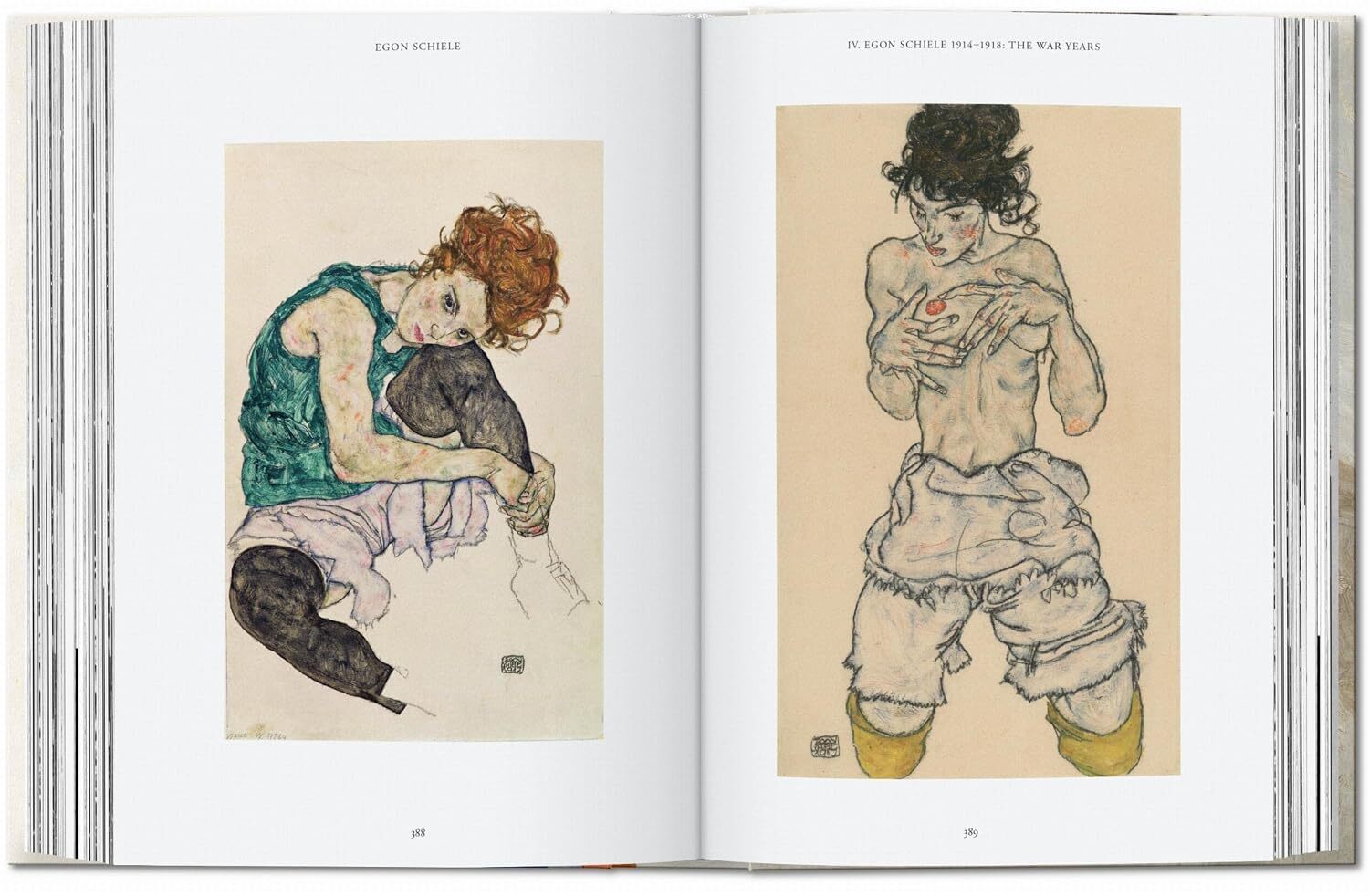
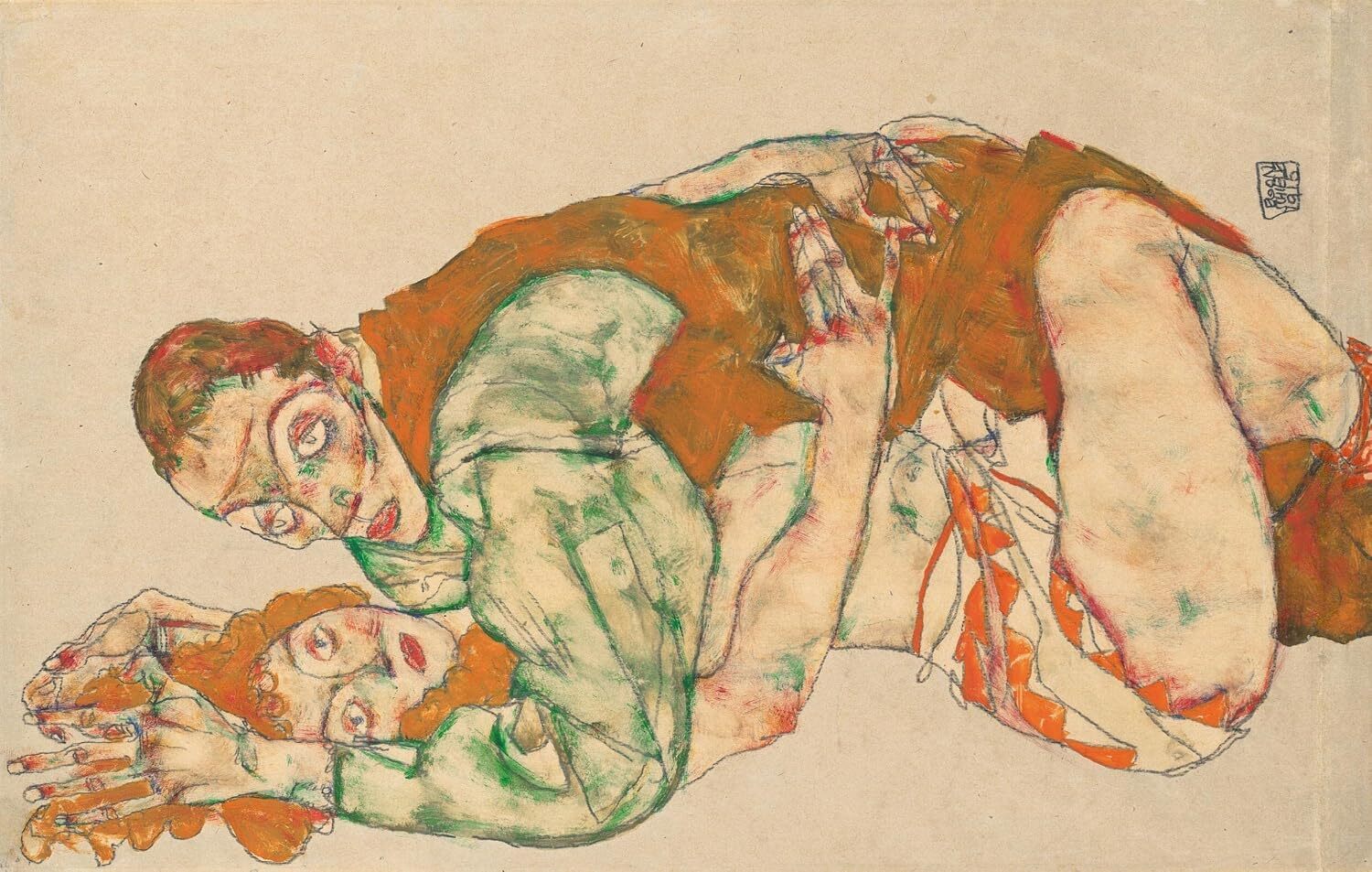
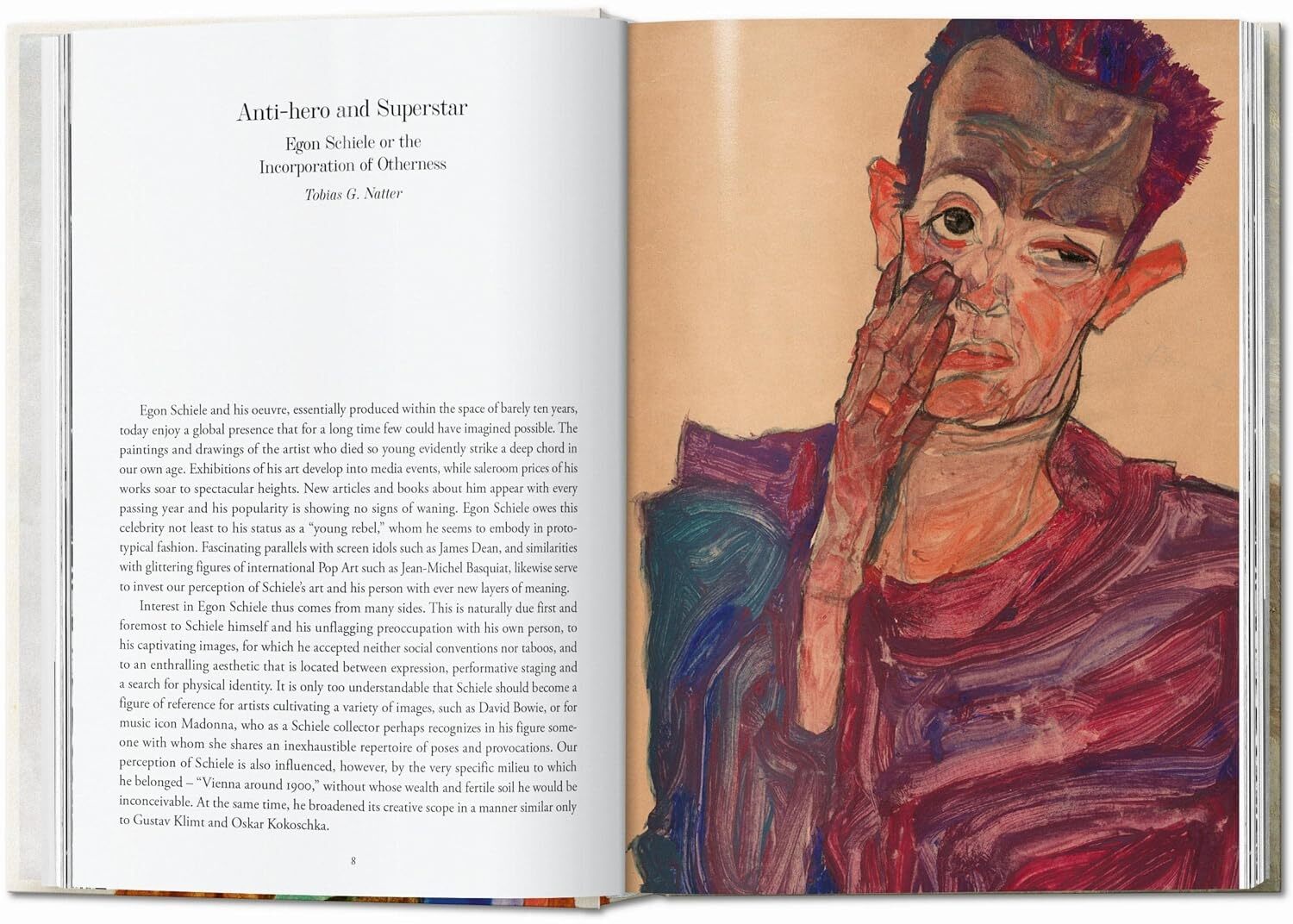
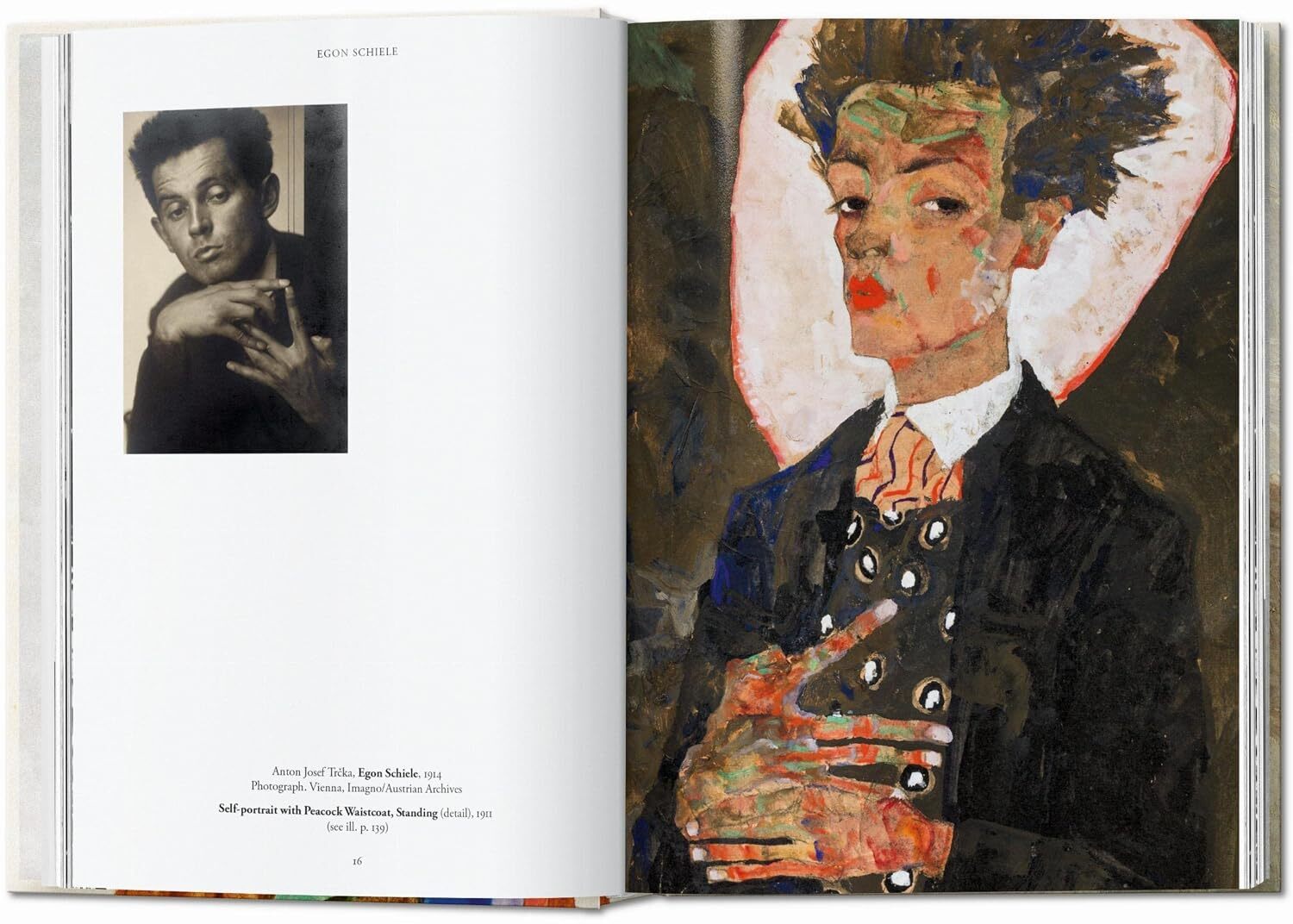
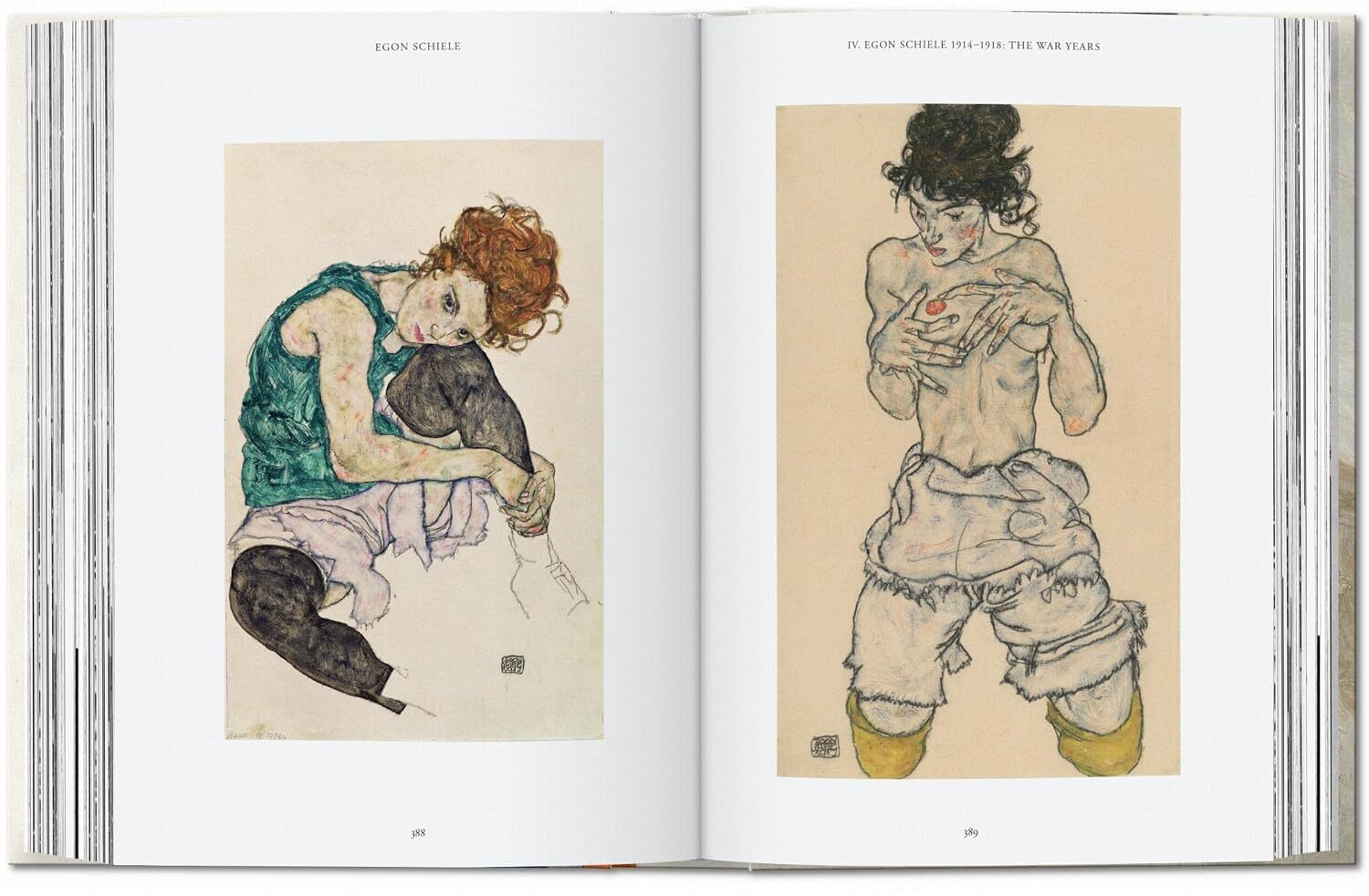
Unlike Klimt’s decorative and sumptuous compositions, Schiele’s art was more direct, raw, and psychologically intense. His figures are often thin, elongated, and almost distorted, with poses filled with unease and tension. In his self-portraits, he repeatedly presented himself with gaunt features and strained expressions that seem to hover between brilliance and madness. Sexuality, desire, loneliness, death, and bodily awareness became recurring themes in his work and contributed to the controversy that surrounded him during his lifetime.
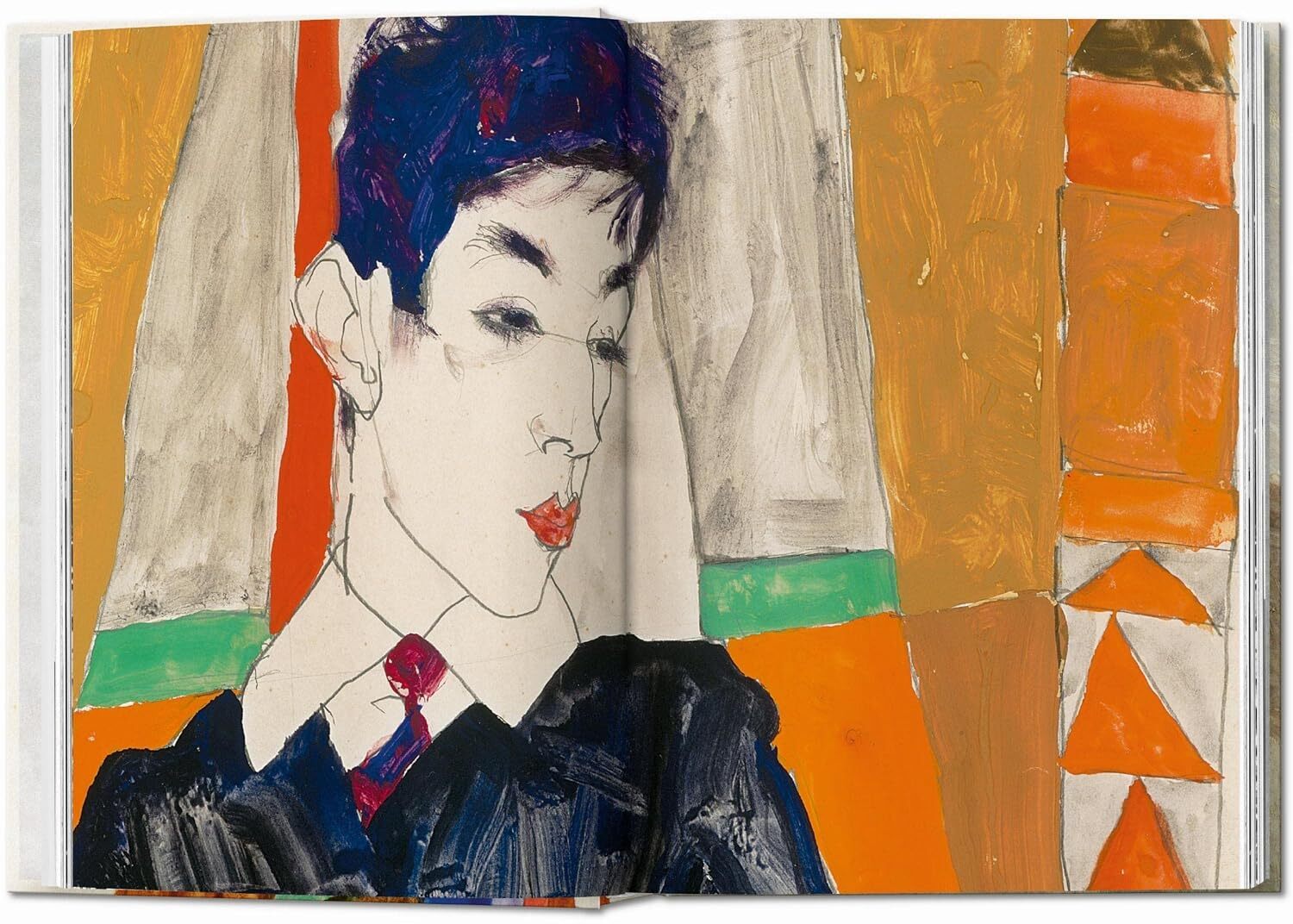
Schiele did not seek to idealize the human figure. Instead, he portrayed physical imperfection and emotional instability with an almost brutal honesty. His lines are sharp and expressive, while his restrained use of color often heightens the sense of tension, making his figures appear exposed before the viewer. This uncompromising approach challenged conservative Viennese society and became one of the defining visual languages of European Expressionism.
Although Schiele’s works were later condemned by the Nazi regime as “degenerate art” and were for a time largely overlooked, his influence continued to grow. Artists ranging from Günter Brus and Francis Bacon to Tracey Emin have reflected his impact on figurative art, self-representation, and psychological expression. Today, Schiele is firmly established as a major figure in modern art, and his works remain highly regarded by museums, collectors, and the international art market.
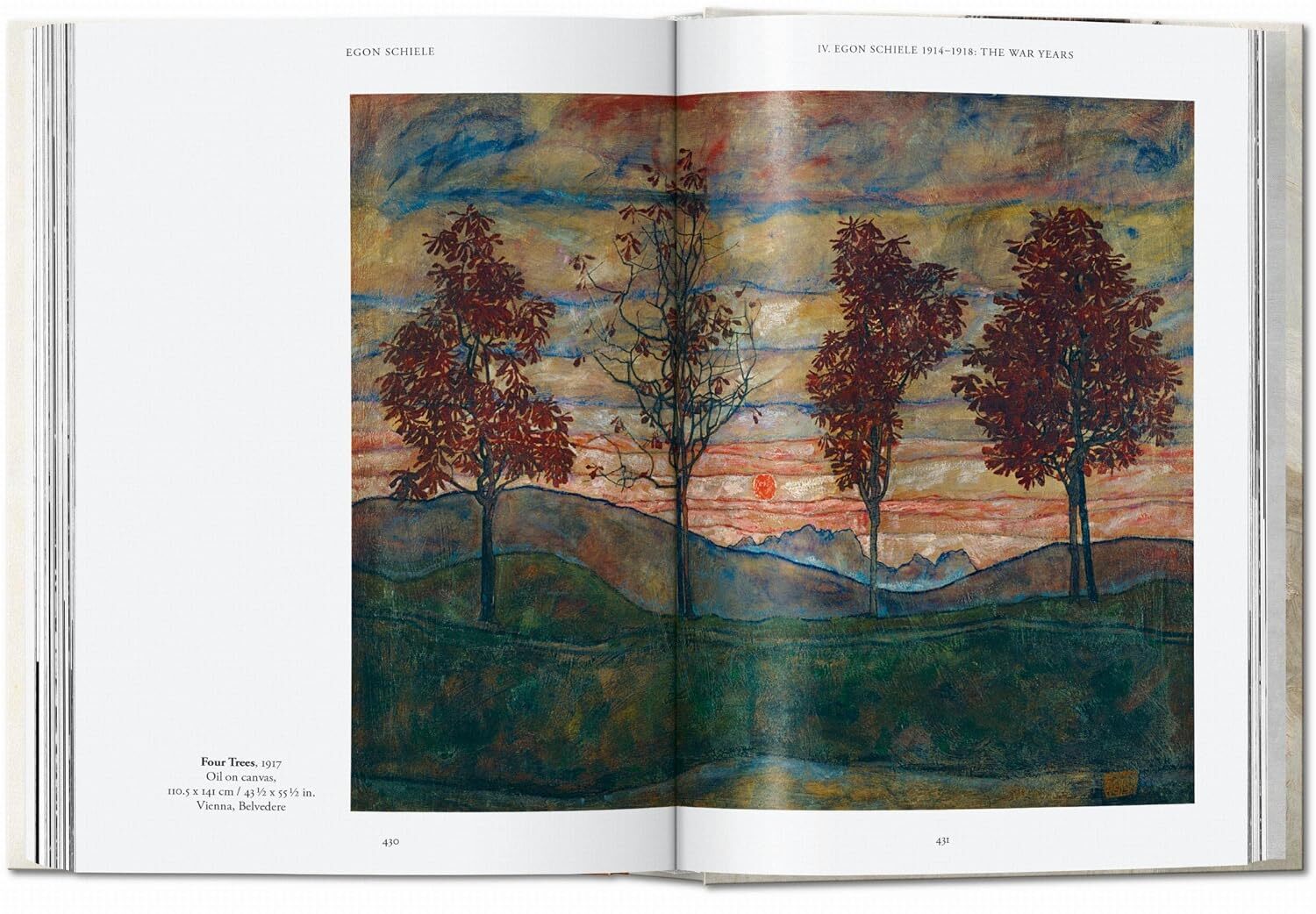
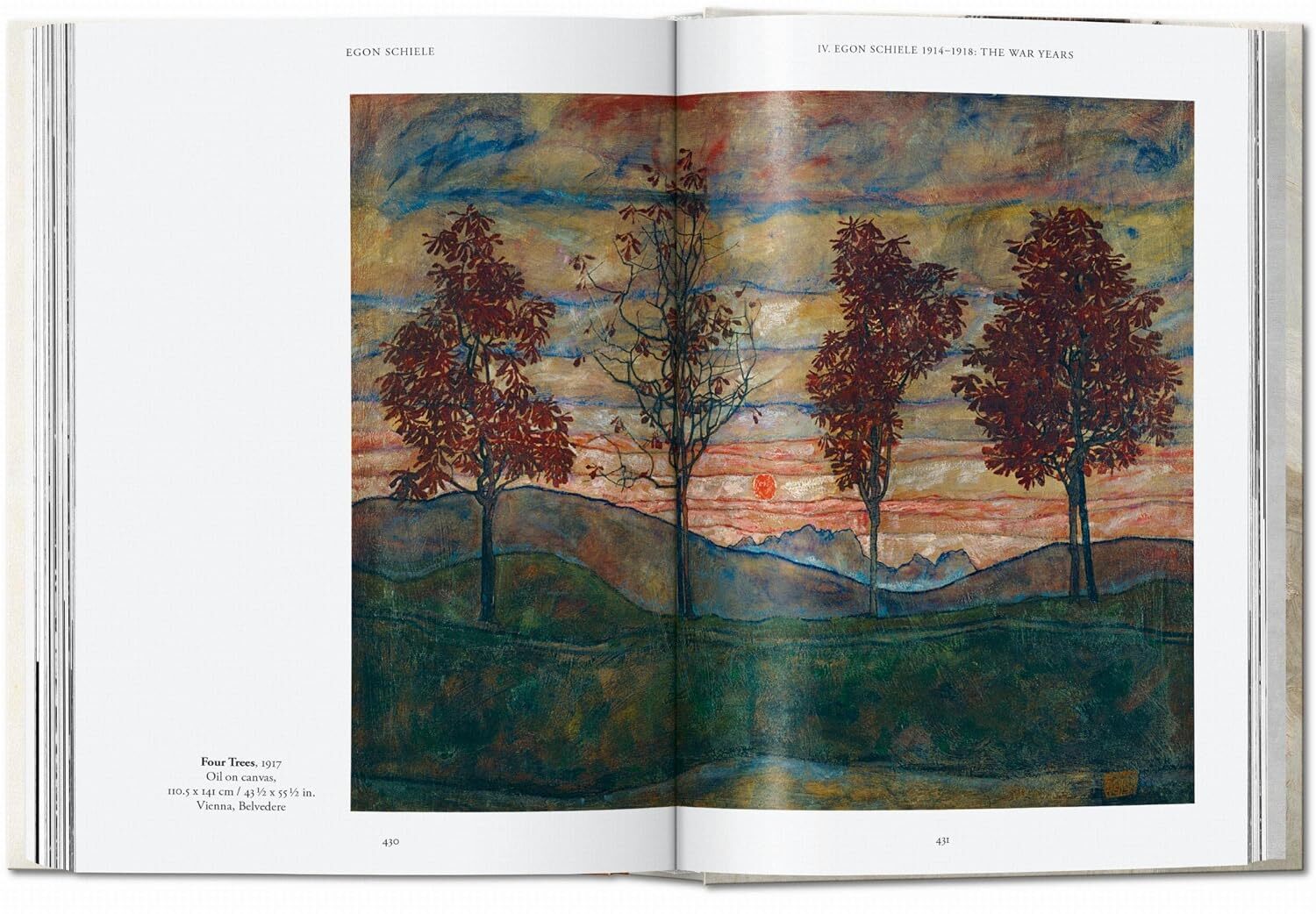
Originally published by TASCHEN in an XL edition, this monograph was reissued in a slightly abridged and more compact format to celebrate the publisher’s 40th anniversary. The book brings together a substantial selection of Schiele’s paintings and drawings, focusing on the final decade of his life, the period in which his artistic production was at its most fertile and mature. A series of essays further explores his biography, artistic development, and creative context.
Through its rich selection of images and scholarly texts, this volume not only highlights Schiele’s distinctive treatment of the human body and self-portraiture, but also places his work within the broader context of European Expressionism and early 20th-century Viennese culture. For readers seeking a deeper understanding of Egon Schiele, Expressionism, and the development of modern figurative art, this is an important volume combining visual appreciation with art-historical insight.
【Series Introduction】
TASCHEN’s “40” series was created to celebrate the publisher’s 40th anniversary, presenting new editions of some of its most important art and culture titles in a more compact format and at a more accessible price, while maintaining TASCHEN’s high standards of image reproduction, printing, and production quality.
【Details】
Editor︰Tobias G. Natter
Publisher︰TASCHEN
Publication Year︰2020
Dimensions︰21 × 15 cm
Binding︰Hardcover
Pages︰512 pages