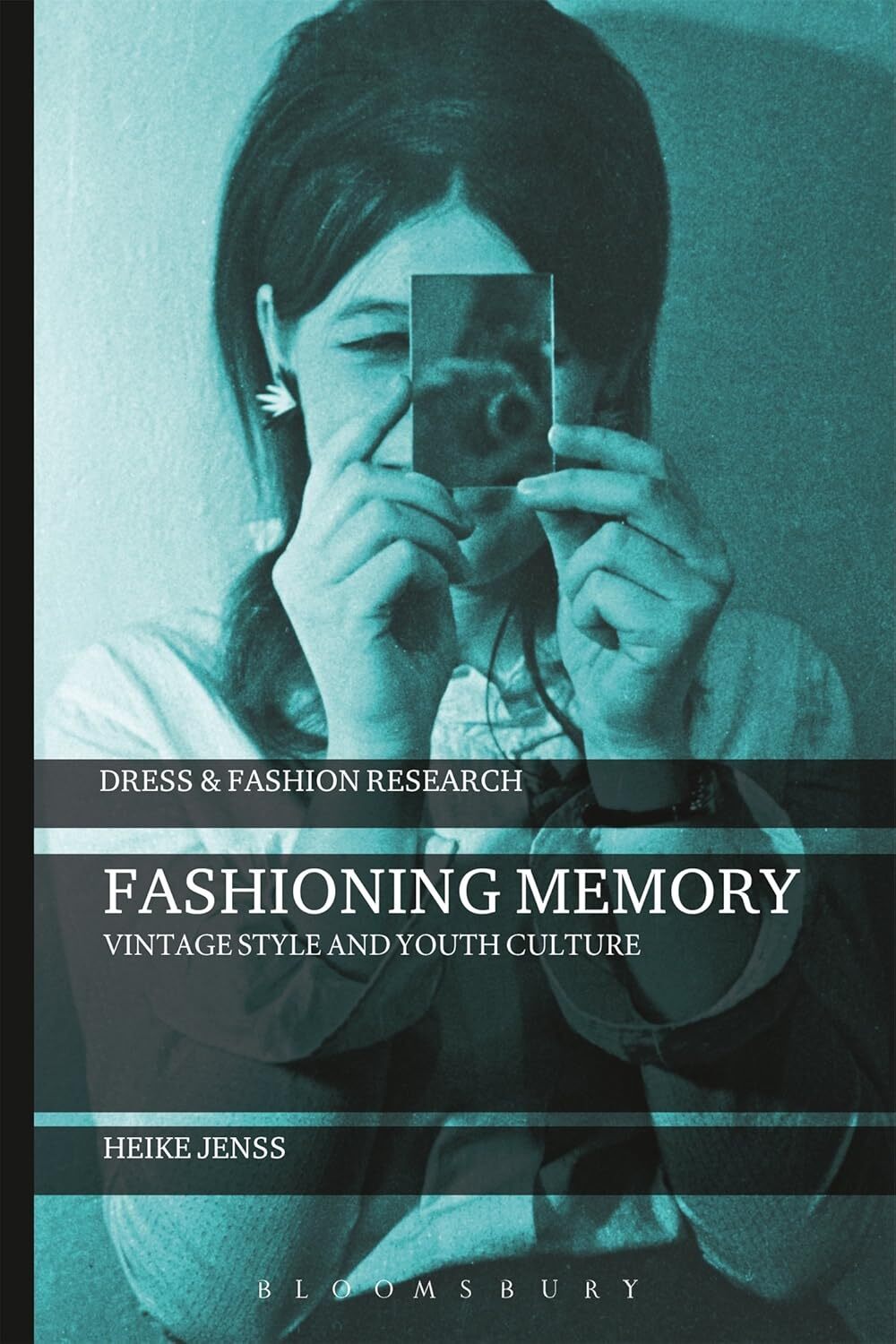
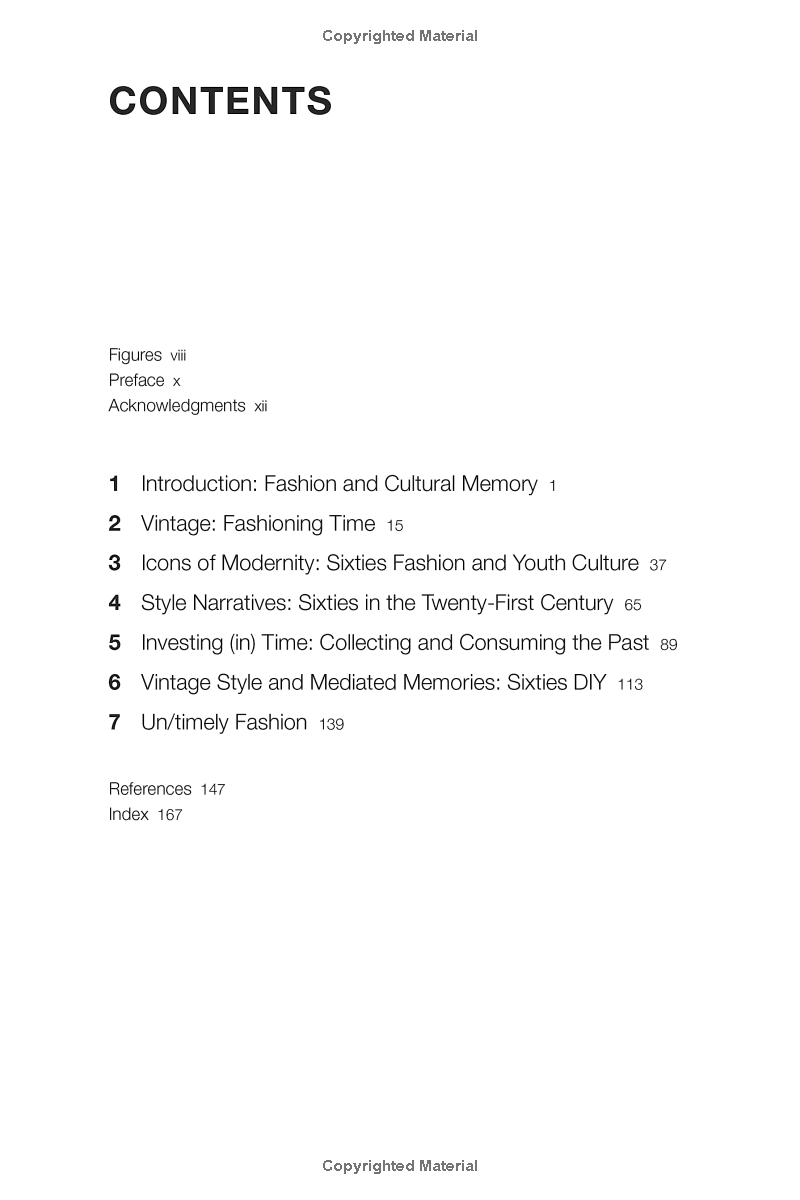
With the rise of vintage culture, the value and meaning of old clothing have been reinterpreted in contemporary society. Whether through purchasing second-hand garments or wearing newly produced clothes inspired by past styles, engaging with the fashion of the past has become a widespread cultural phenomenon. This book explores how clothing carries memories of time and history, examining how vintage fashion is experienced, interpreted, and practiced in everyday life.
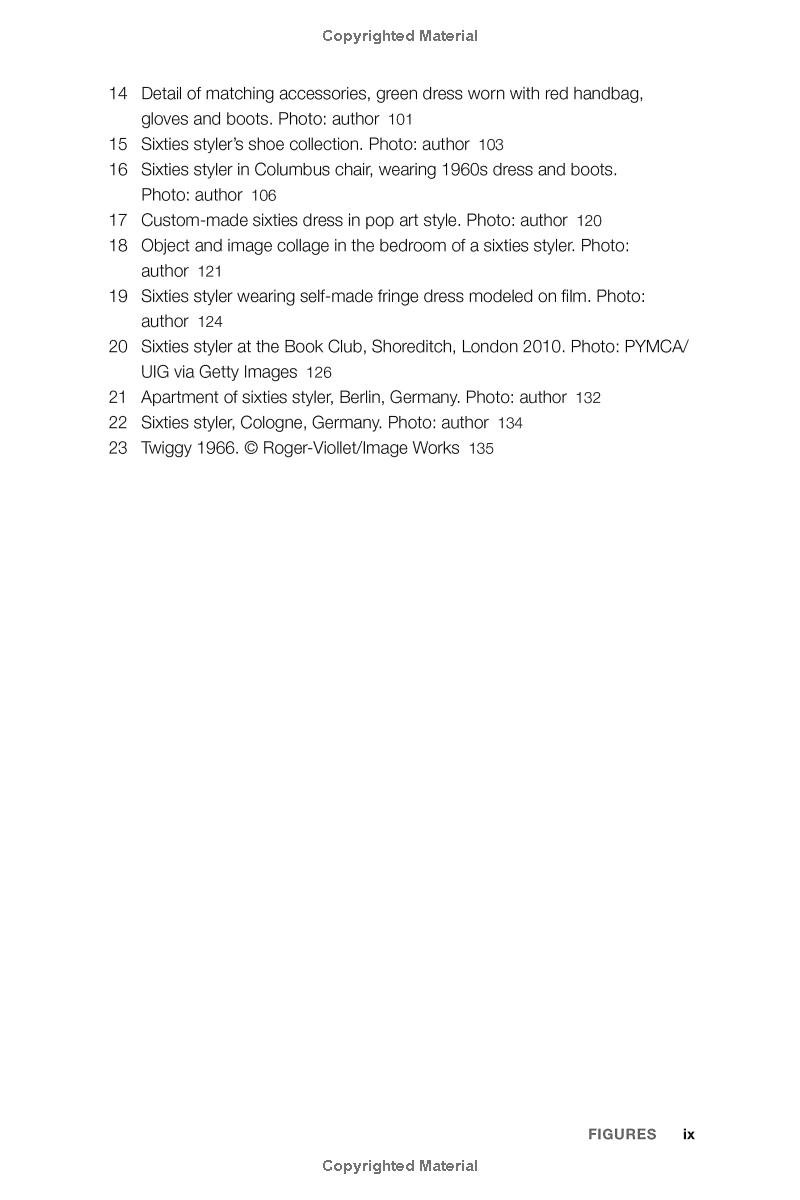
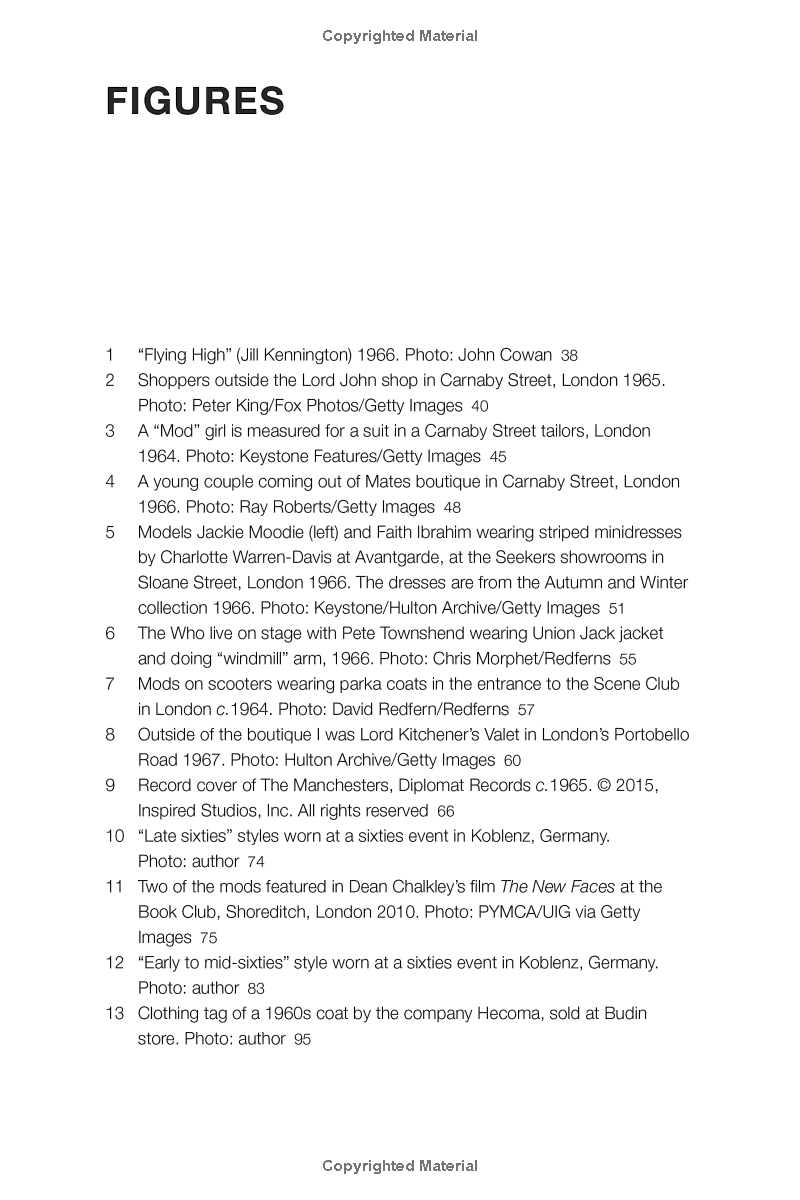
Based on in-depth ethnographic research, including participant observation and interviews, the author studies a group of German enthusiasts devoted to the culture of the 1960s. These individuals bring the British Mod style into the twenty-first century, reinterpreting the youth culture of the 1960s through clothing, styling, and lifestyle practices. The book describes how they reconstruct and engage with the past through everyday activities such as searching for vintage garments at flea markets, browsing eBay for second-hand pieces, and forming emotional connections with vintage clothing through material and mediated memories.
Through these case studies, the book examines the relationship between fashion, cultural memory, and modern life, while tracing how vintage clothing has evolved from being considered merely “old clothes” into a meaningful cultural and stylistic expression throughout the twentieth century. It also raises key questions: How does fashion shape experiences of time and memory? How have attitudes toward second-hand clothing shifted across different historical periods?
Drawing from cultural studies and fashion studies, Fashioning Memory reveals how clothing functions as a medium of memory and emotional expression. It explores how styles are remembered, performed, transformed, and reinterpreted across different times, places, and generations. For readers interested in fashion culture, youth culture, cultural memory, and consumption studies, this book offers an insightful perspective on the significance of vintage fashion in contemporary society.