Description
We often describe a design as “beautiful,” “innovative,” or “well made,” but truly successful products are usually required to answer far more difficult questions. Are they easier to use? Do they understand the body and human behavior? Are their materials and manufacturing methods appropriate? And when people of different ages, abilities, and living conditions encounter them, do they all receive an equally intuitive and dignified experience? Focus Open 2020 presents precisely this more complex—and more realistic—way of evaluating design.
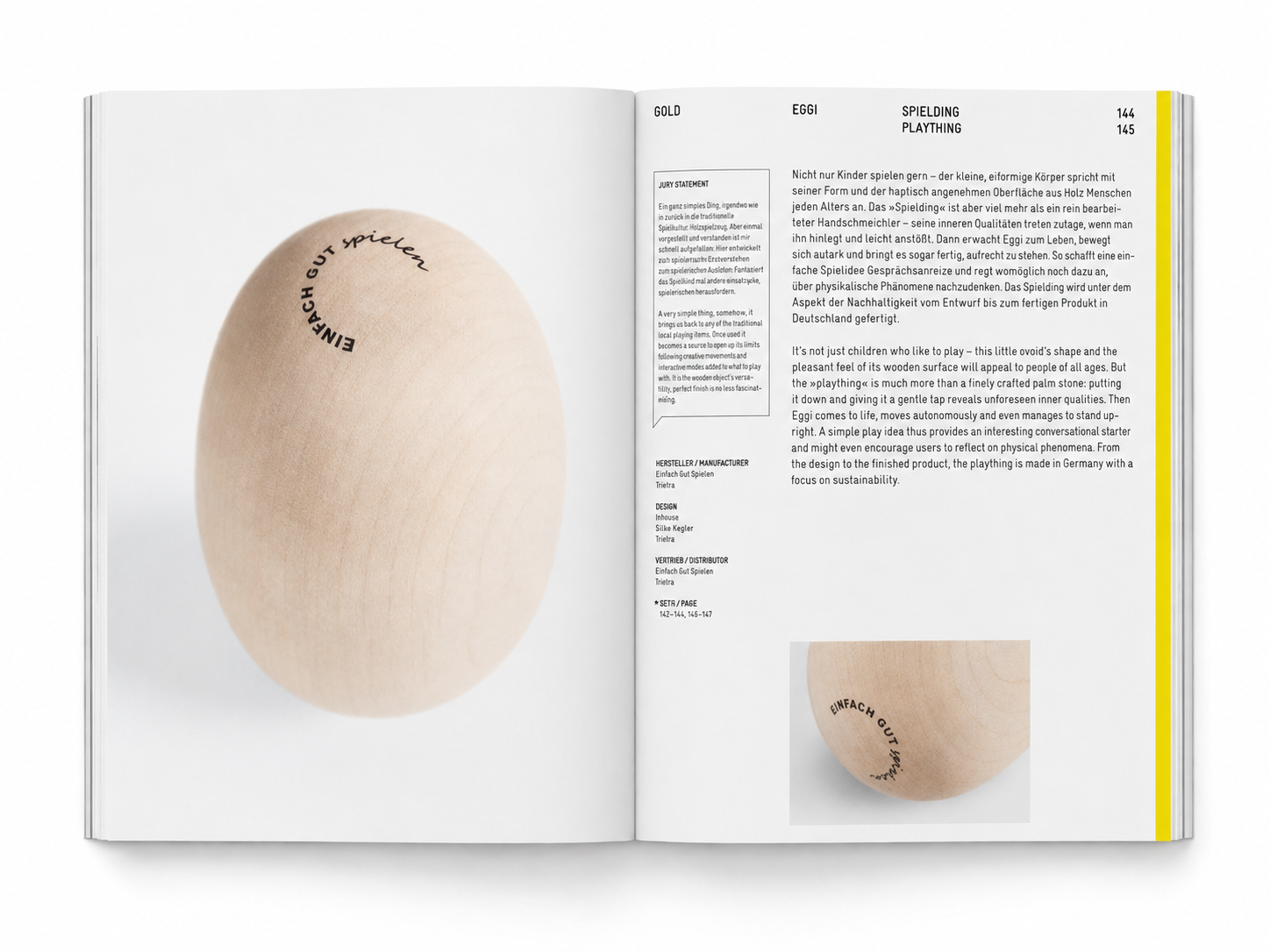
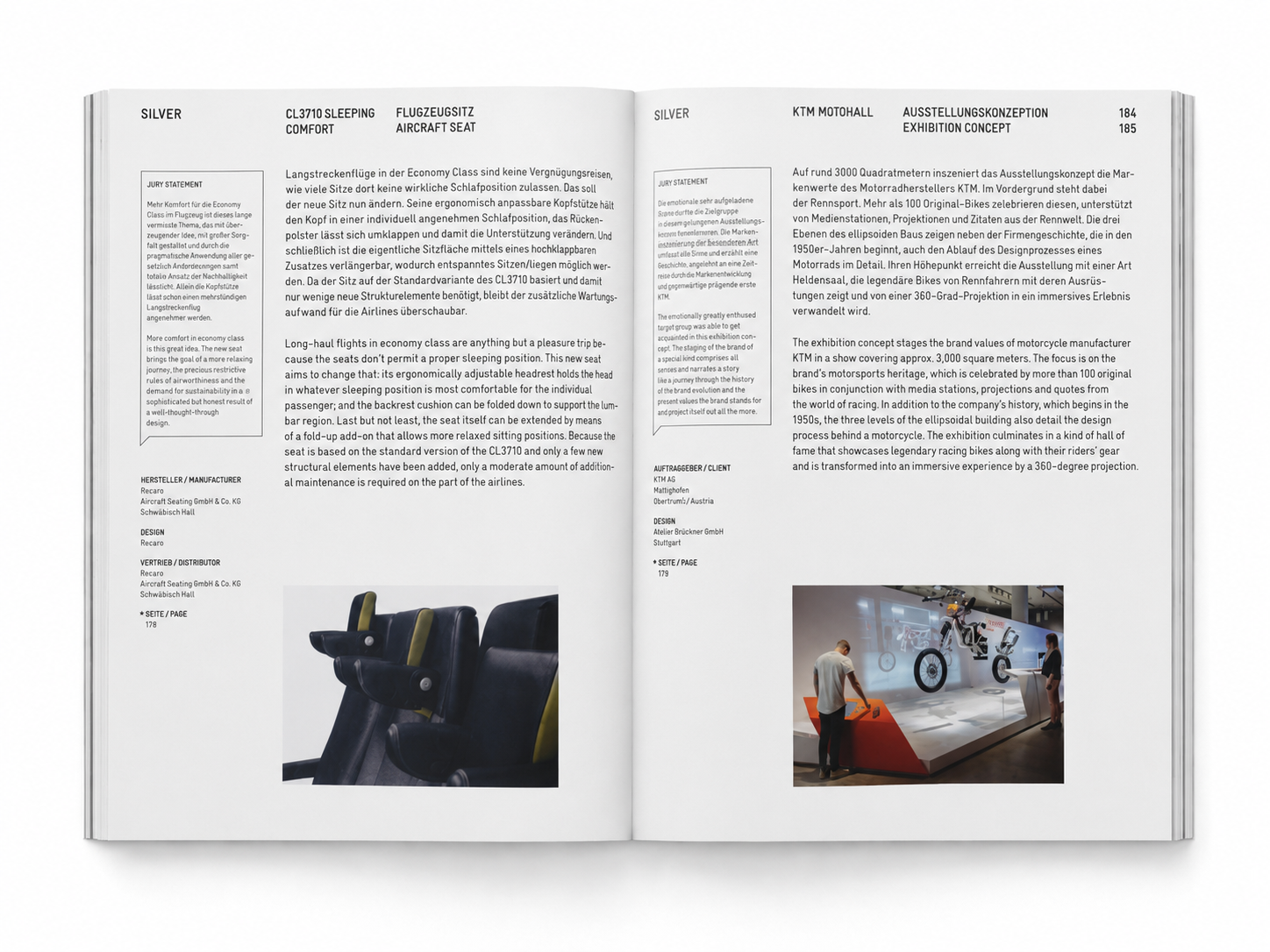
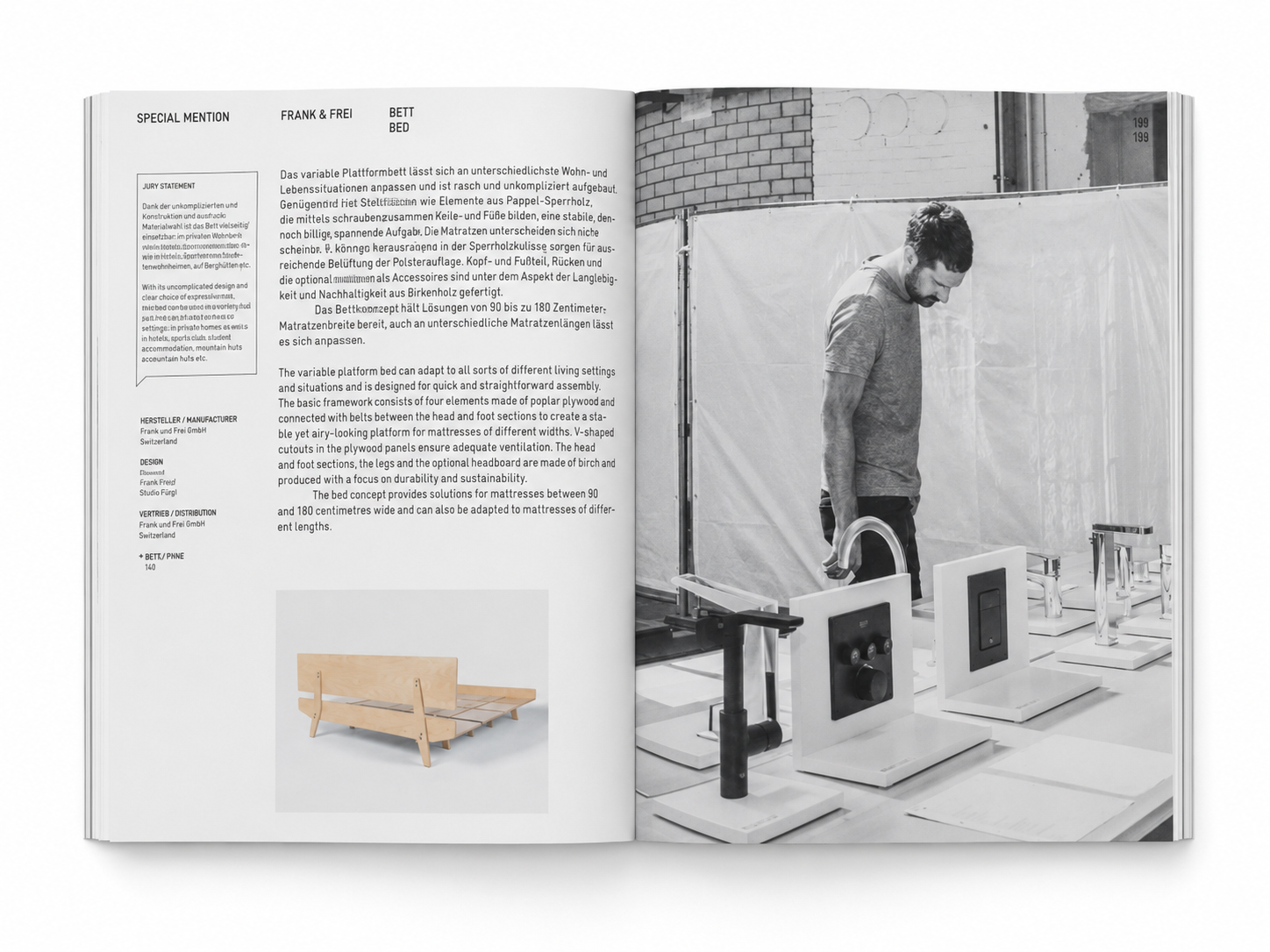
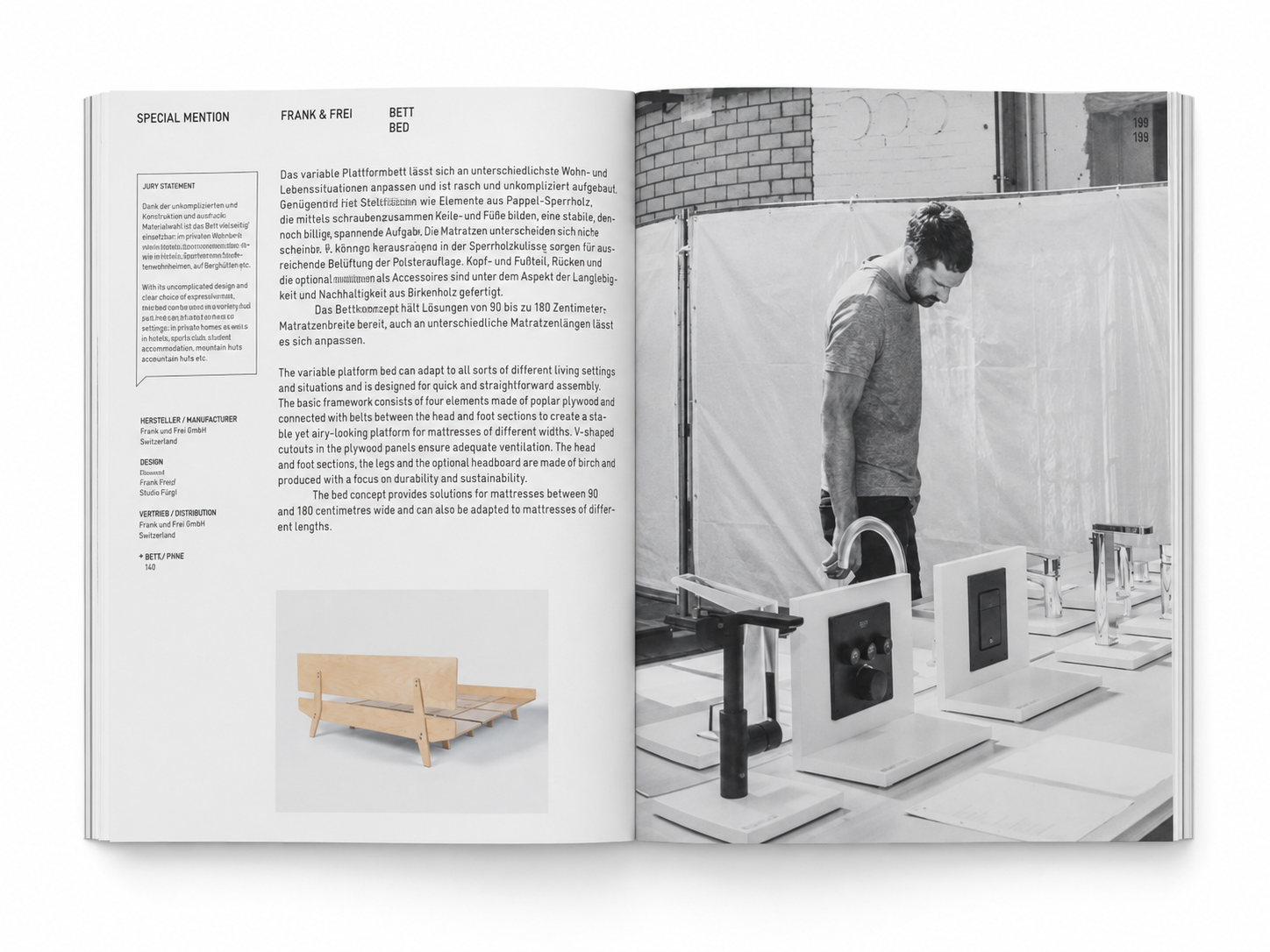
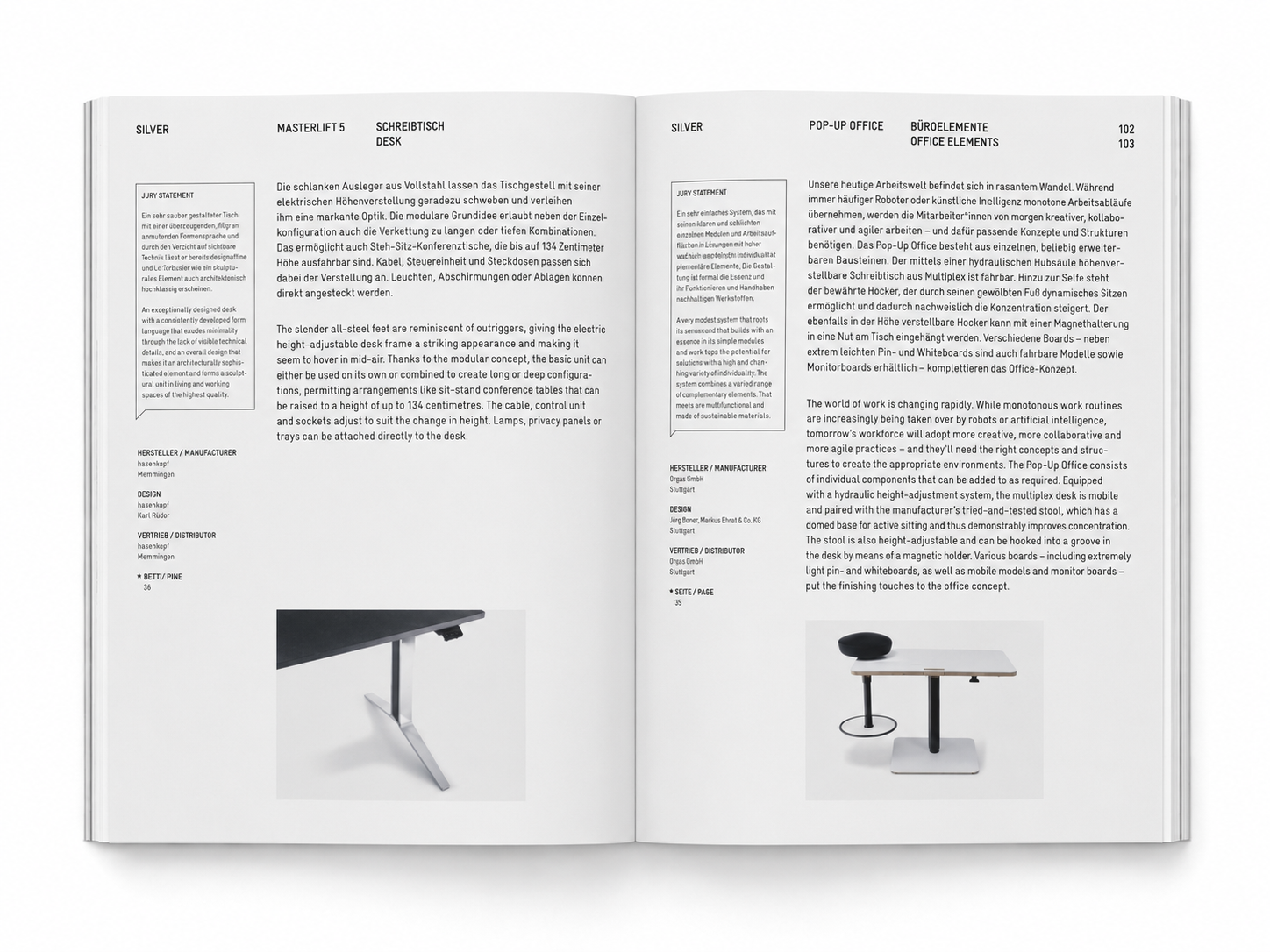
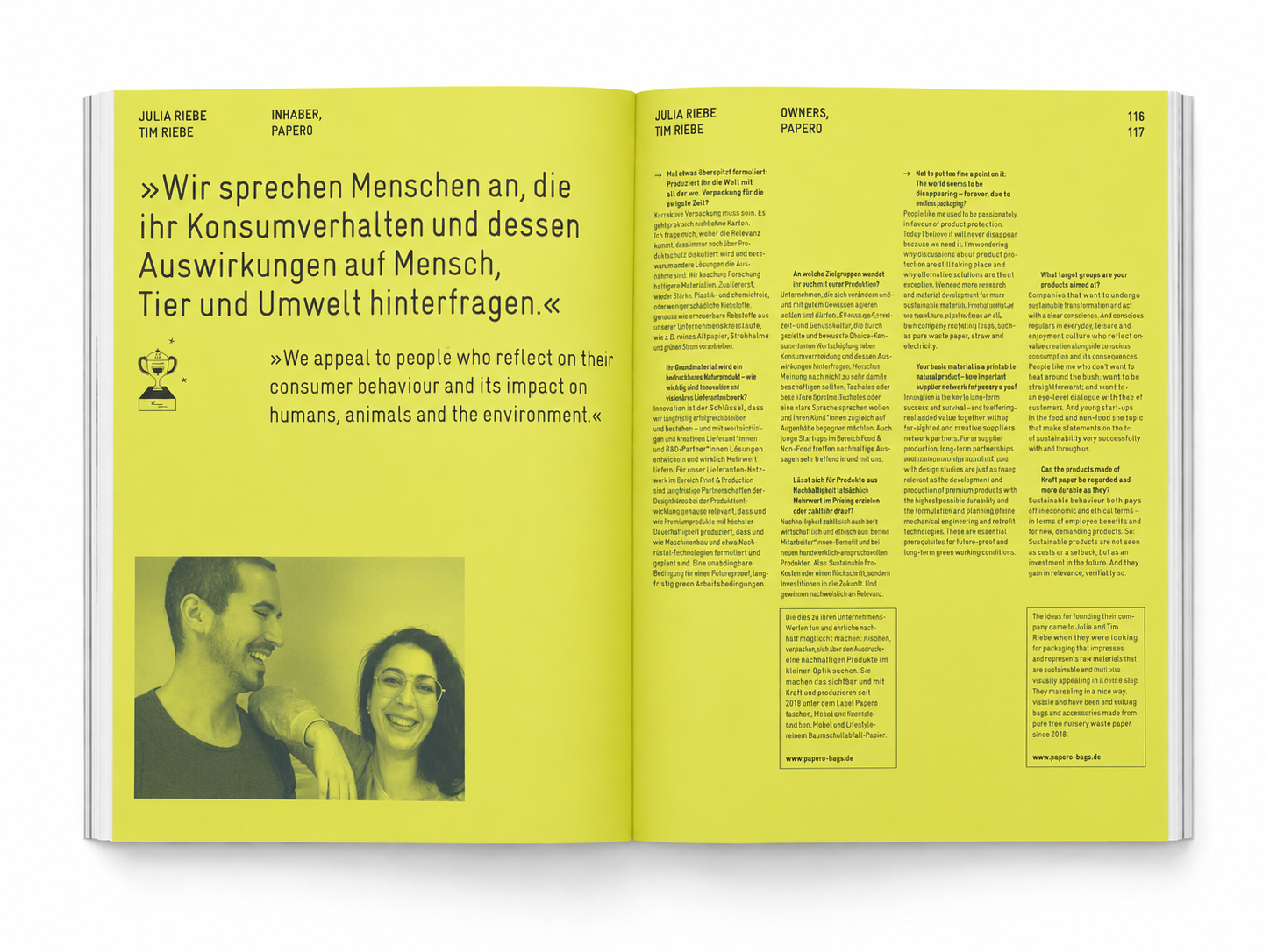
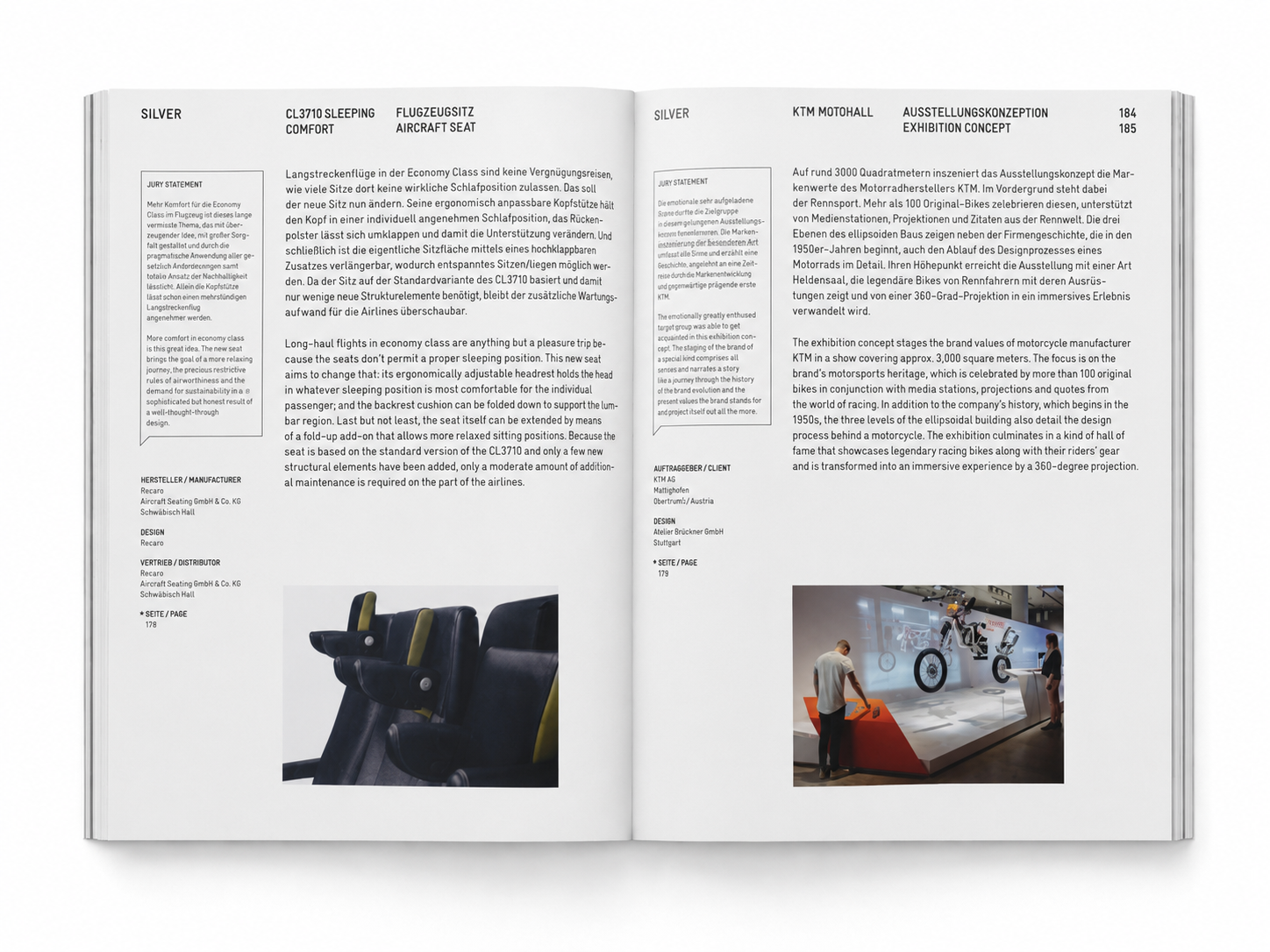
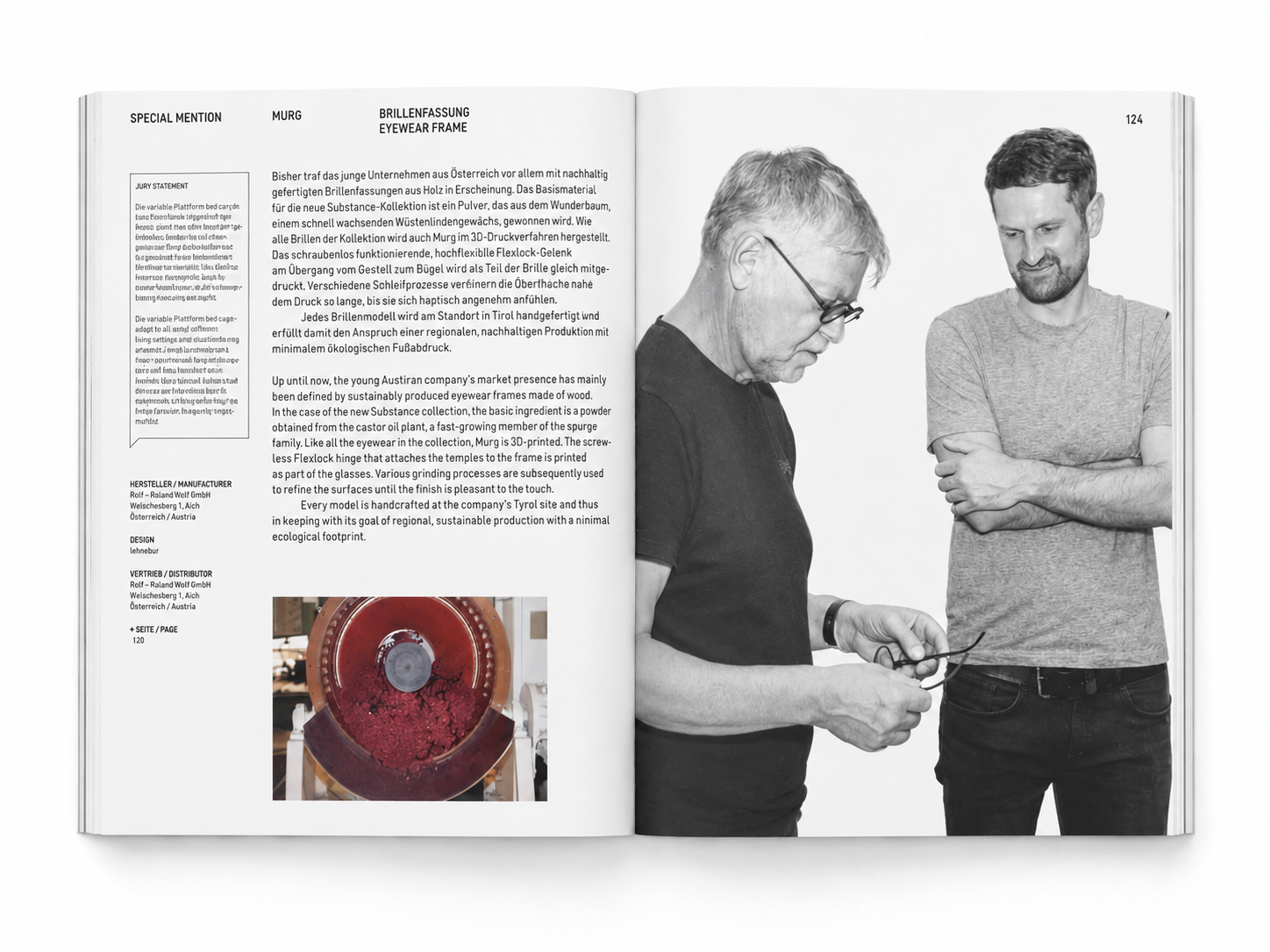
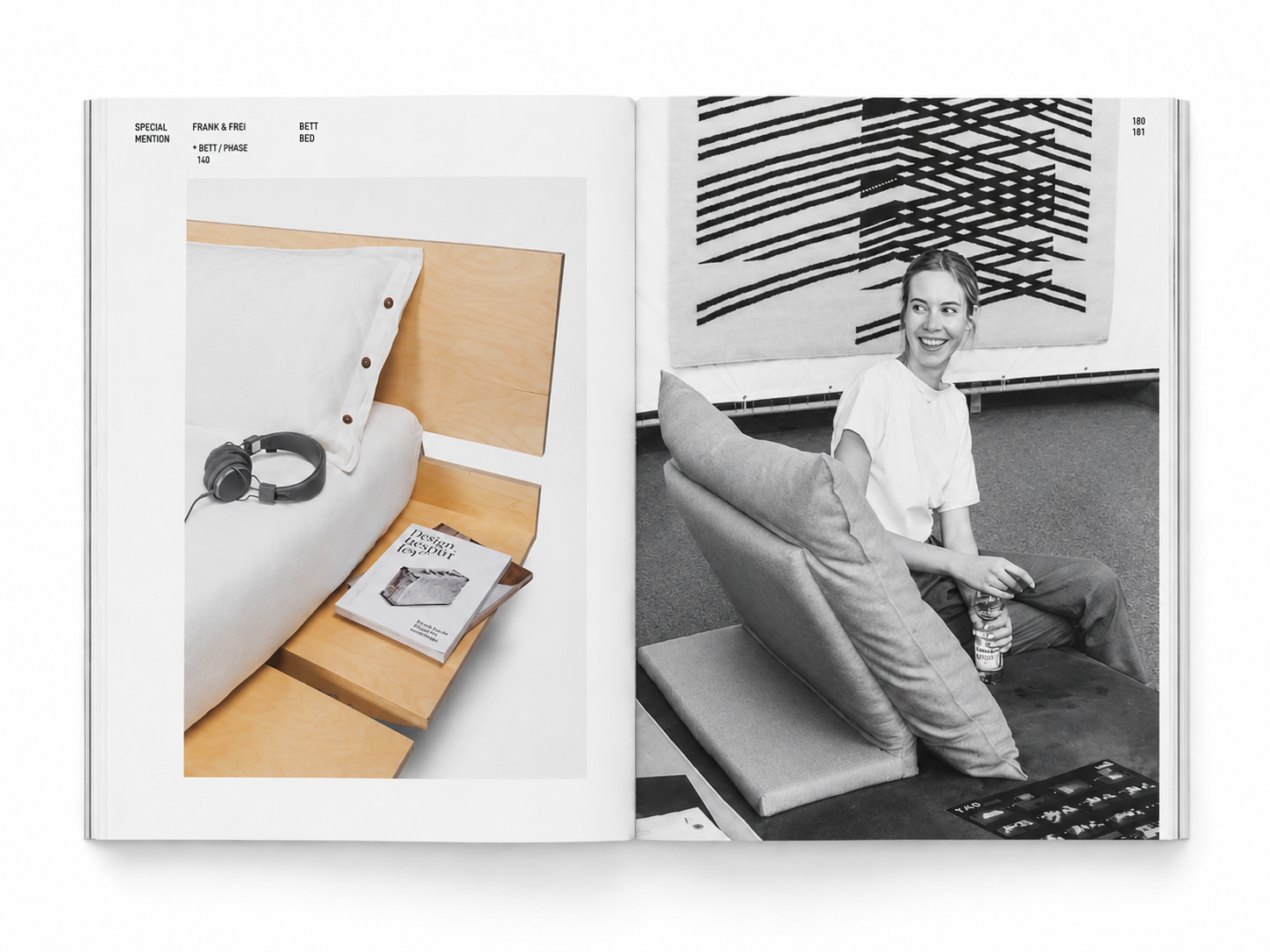
As the official yearbook of the Baden-Württemberg International Design Award, the book features 56 award-winning projects across industrial equipment, healthcare, furniture, household appliances, lighting, mobility, public space, service systems, and innovative materials. Unlike conventional design award publications that rely mainly on polished photography and prize labels, this volume preserves the jury’s detailed observations on each work. Function, ergonomics, technological innovation, interface design, sustainability, brand expression, and social relevance are treated not as abstract ideals, but as practical criteria for determining whether a product can genuinely enter and improve everyday life.
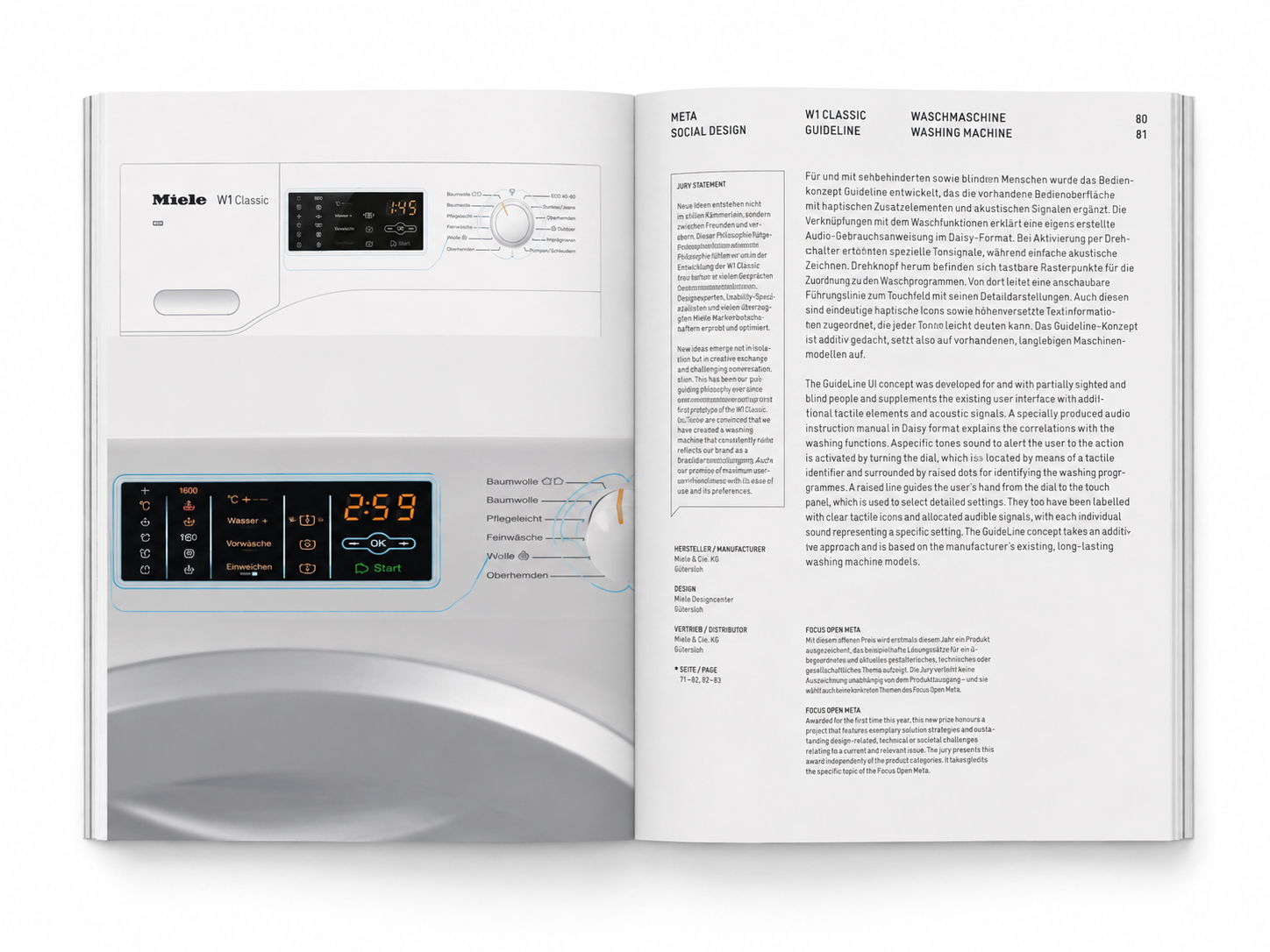
One of the most compelling examples is not necessarily the most visually dramatic. The Miele W1 Classic GuideLine washing-machine interface uses tactile markers and acoustic signals to help visually impaired users operate the appliance independently. It does not radically redesign the machine’s appearance, nor does it disguise innovation beneath layers of complex technology. Instead, it identifies a long-overlooked need within an existing product and responds with precision. Awarded the inaugural Focus Meta prize, the project reminds us that meaningful design does not always come from adding more functions; sometimes it begins by giving choice back to those who were previously excluded.
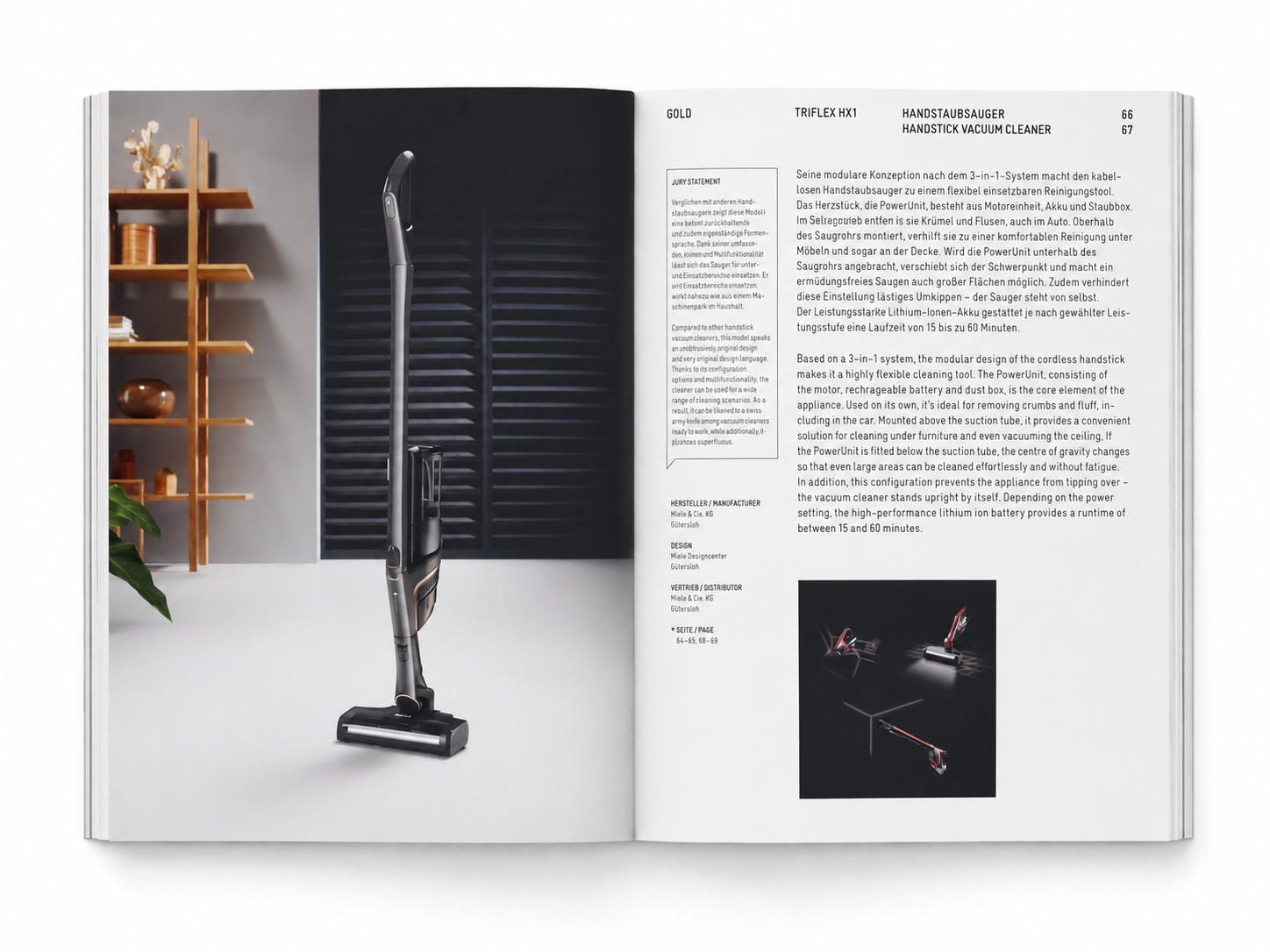
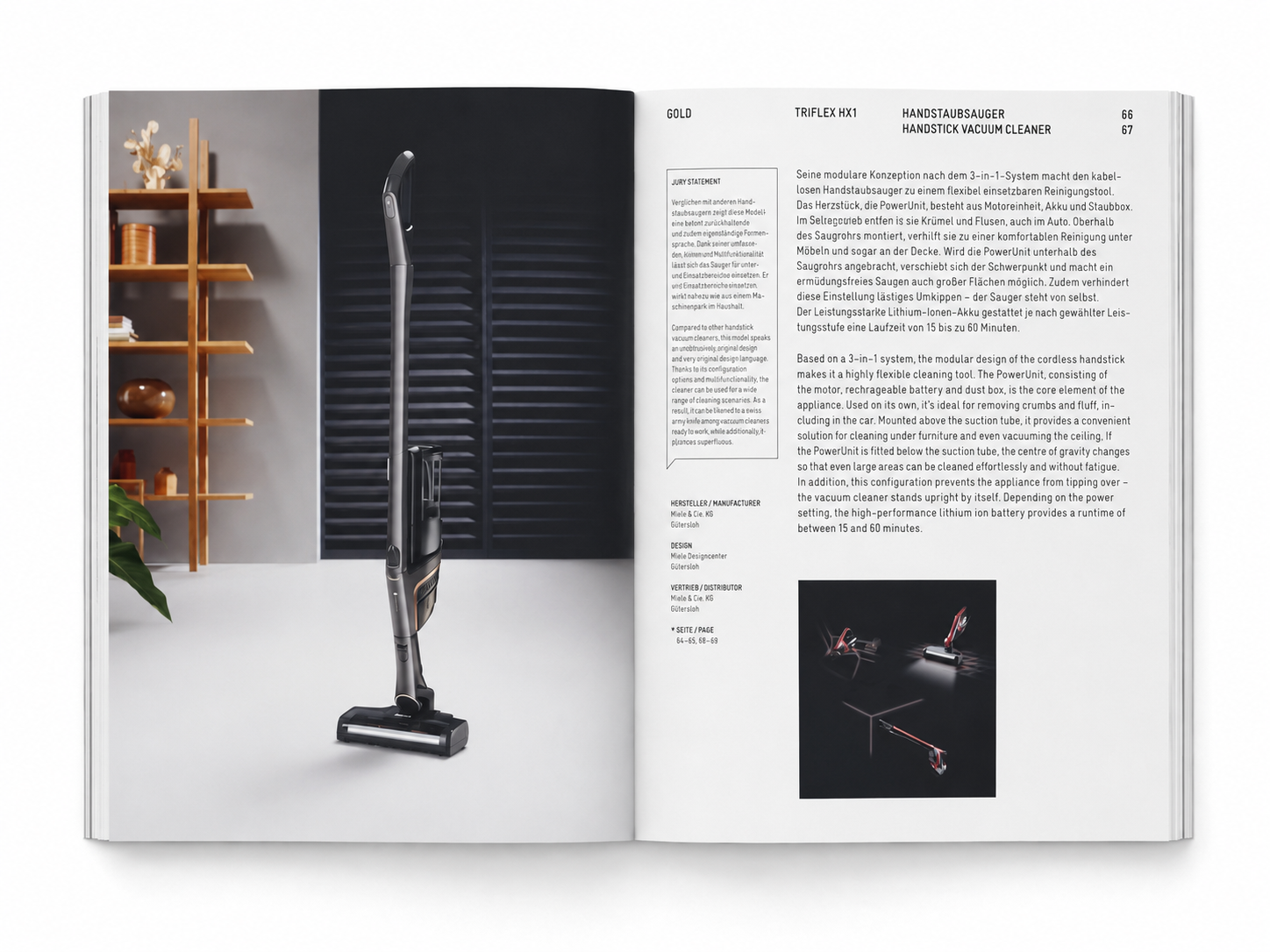
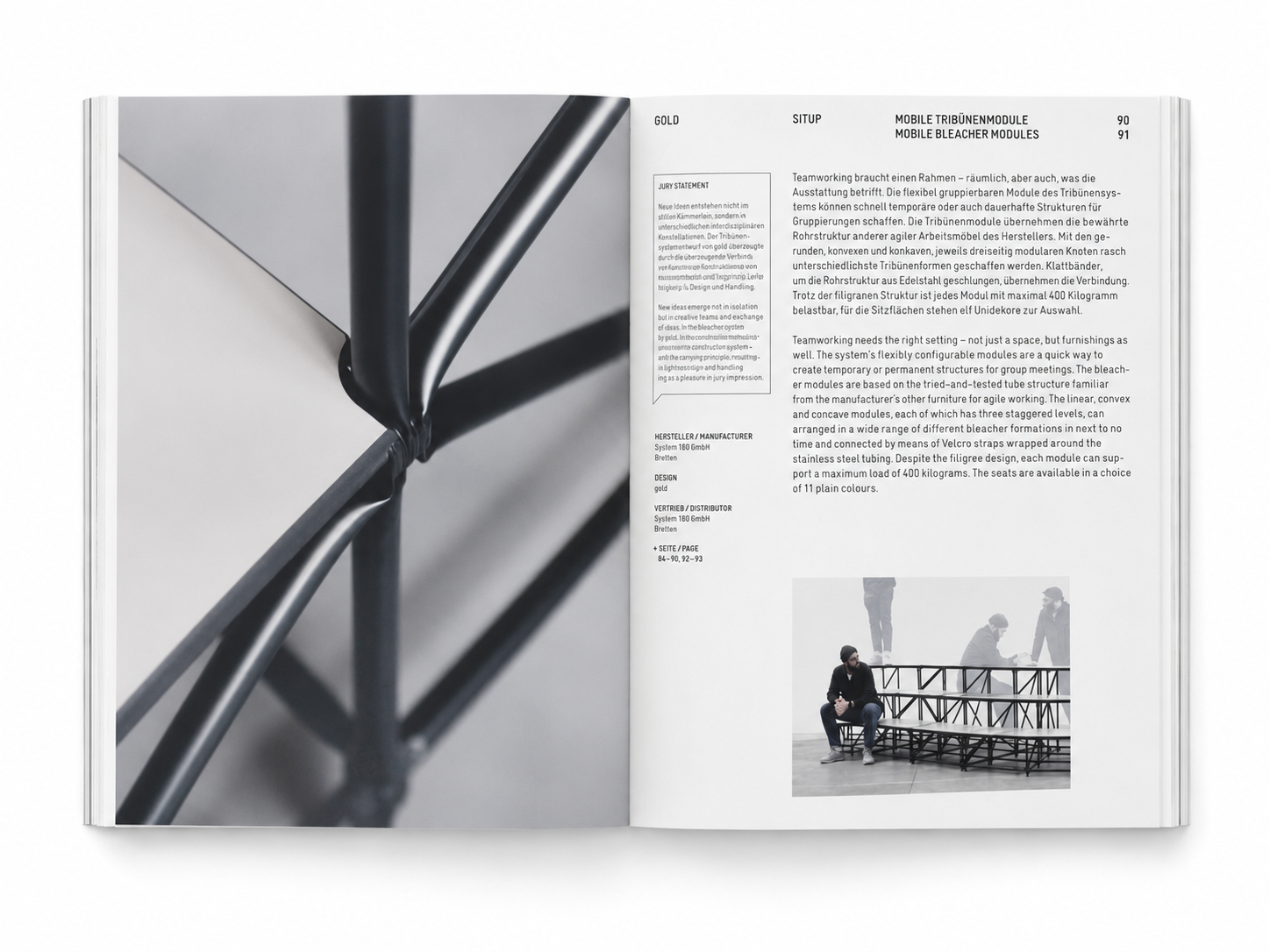
Other projects in the book reveal the same attention to detail. A cordless vacuum cleaner adapts to different cleaning situations through a flexible structure; a modular mobile grandstand can quickly generate multiple spatial configurations; a timber acoustic surface combines sound control with the character of natural material; and a bicycle light integrates illumination, sensing technology, and rider safety. None of these products is designed merely to create momentary novelty. Their value emerges from sustained observation of real use and from carefully recalibrating the relationship between people and objects.
Published at the beginning of the COVID-19 pandemic,
Focus Open 2020 now reads like a snapshot of a moment when design values were beginning to shift. As domestic life, healthcare, public space, and supply chains were suddenly disrupted, flexibility, durability, independent use, digital connectivity, and inclusivity were no longer optional additions. They became central criteria for determining whether a product deserved to exist. The inclusion of the Mia Seeger Prize for young designers further strengthens this perspective, placing mature industry projects alongside student proposals and showing how social issues, public responsibility, and systems thinking are increasingly entering design education.
Details
Author: Design Center Baden-Wuerttemberg
Publisher: AVEdition
Publication Year: 2019
Size: 28×22 cm
Binding: Softcover
Pages: 256 pages