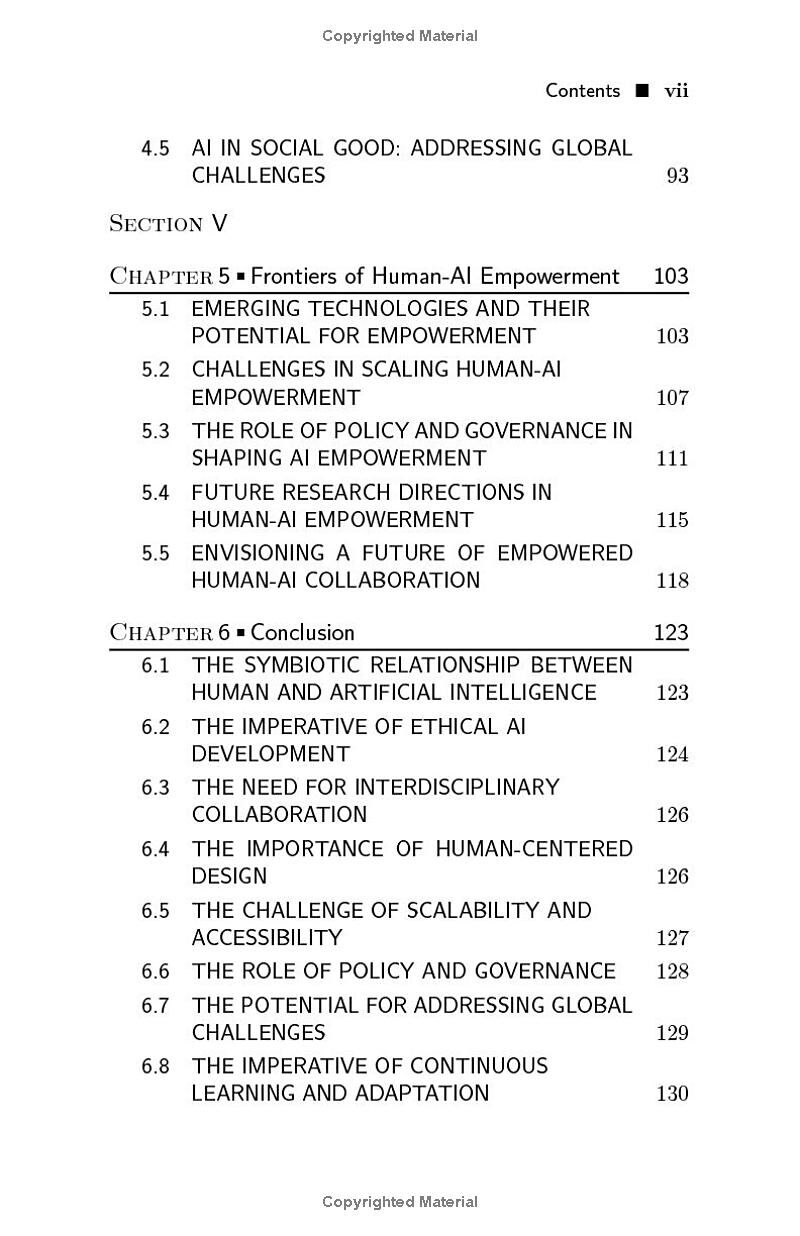
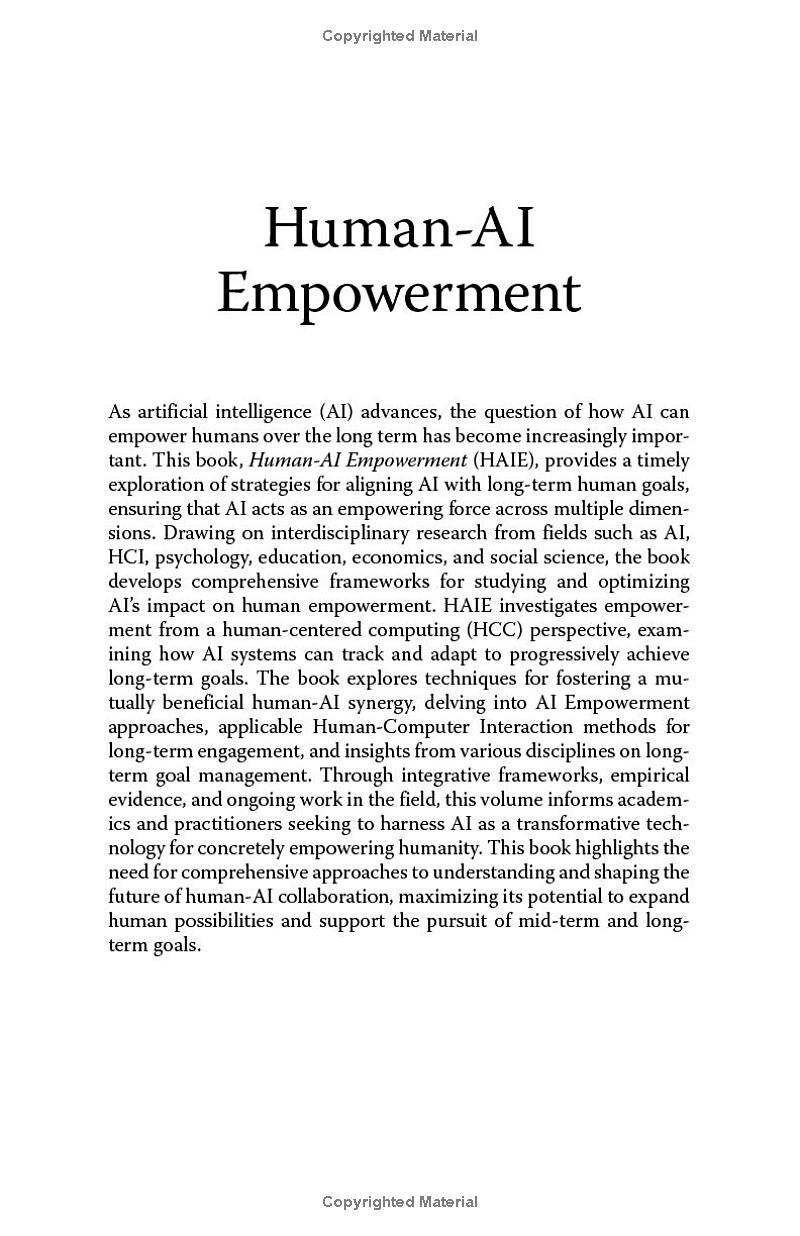
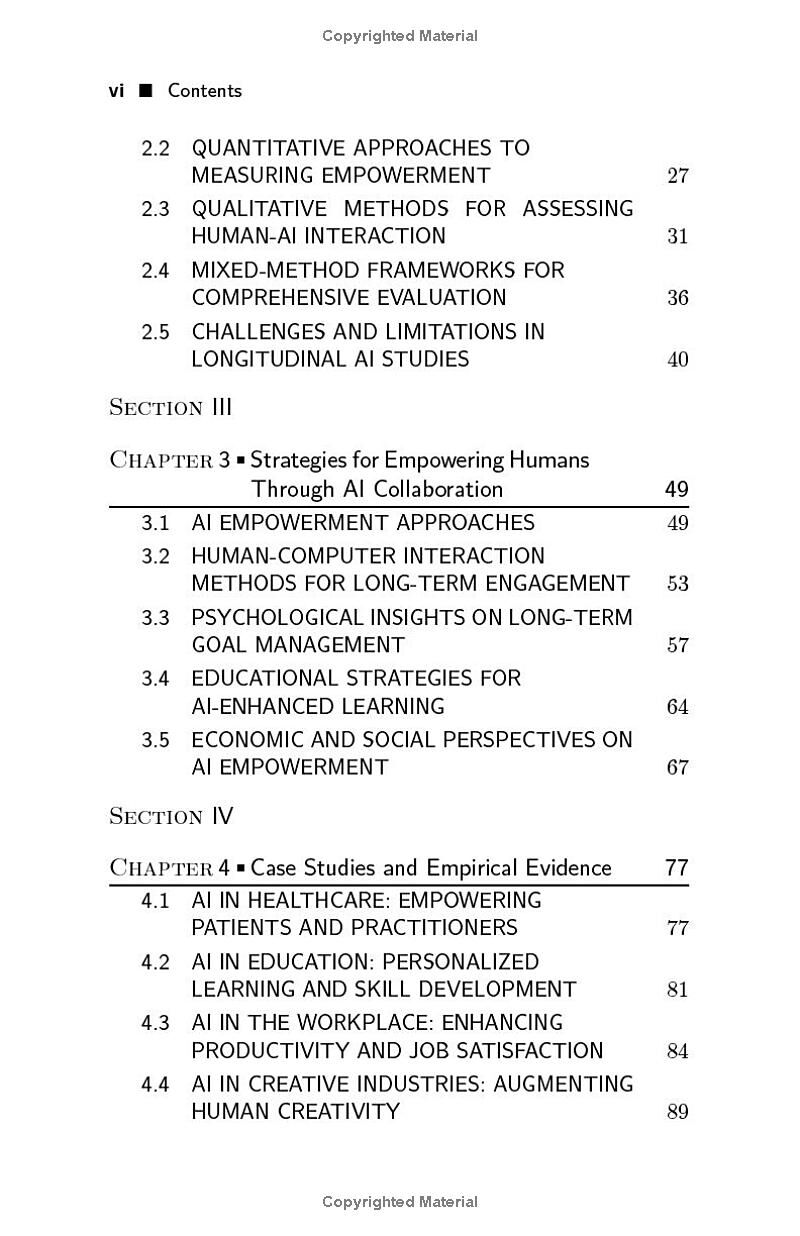
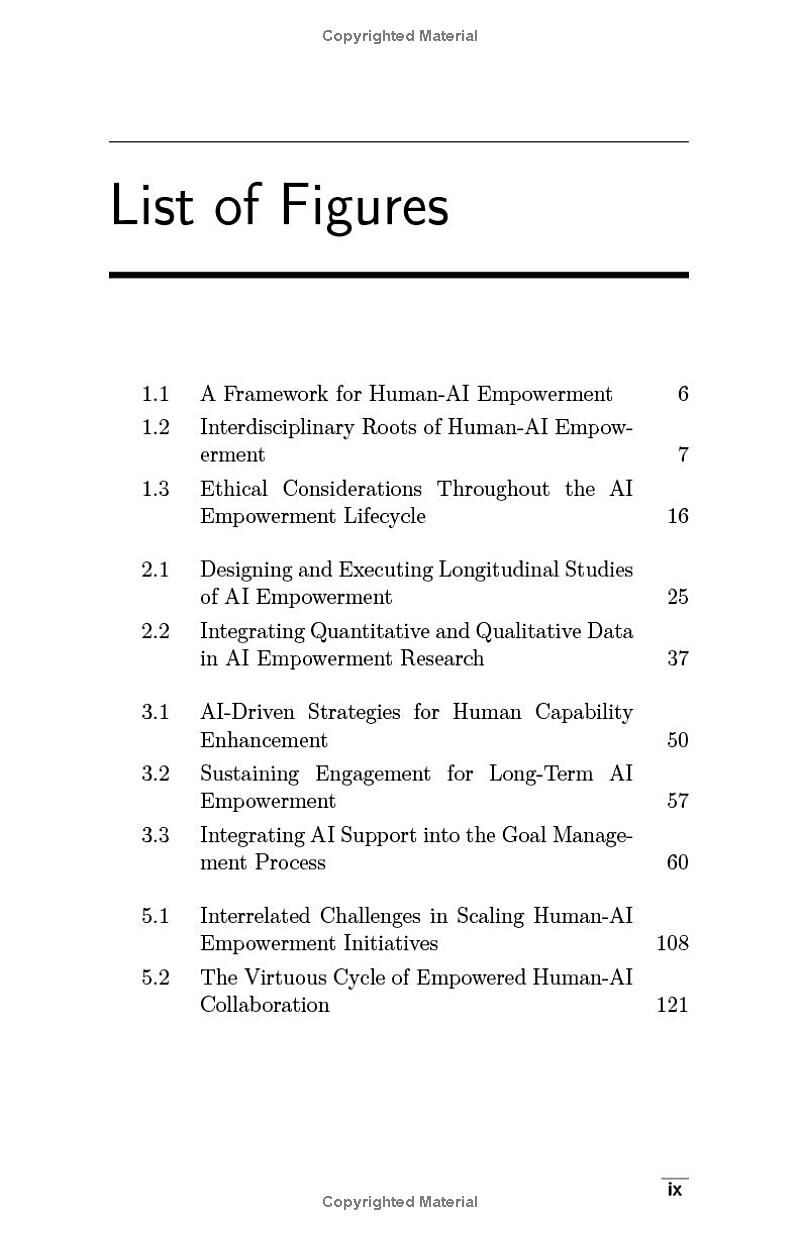
As artificial intelligence rapidly permeates everyday life and work environments, the key question is no longer simply what AI can do, but whether AI can genuinely support and expand human capabilities over the long term. Human–AI Empowerment (HAIE) takes this question as its central focus, exploring how humans and AI can establish a human-centered and forward-looking collaborative relationship, enabling AI to become a positive force for human development.
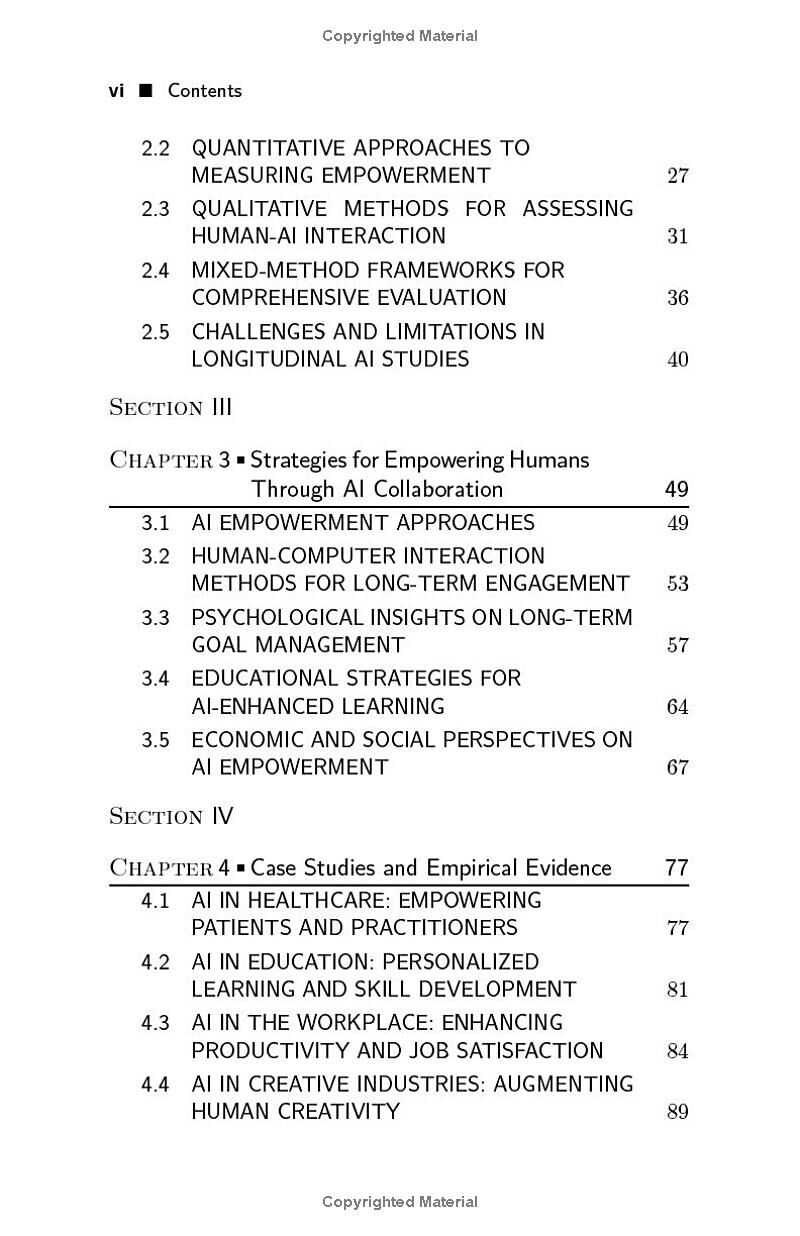
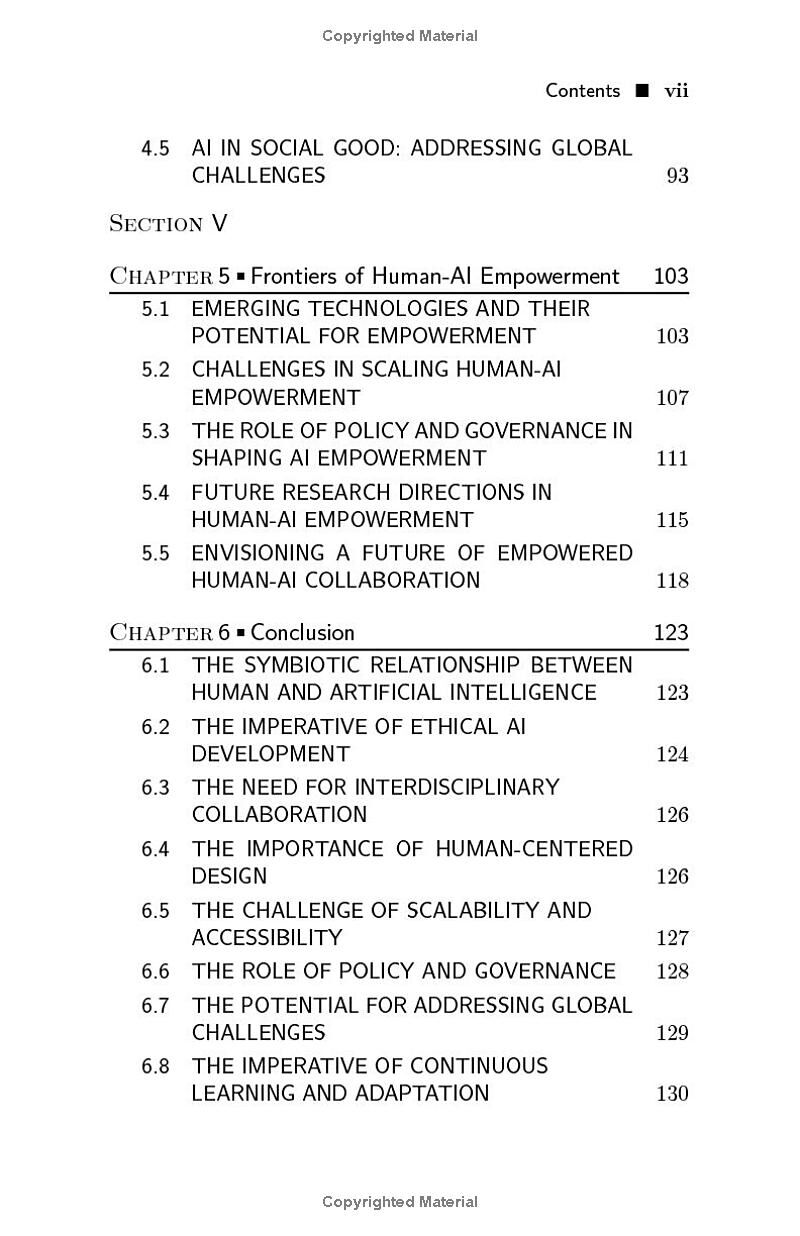
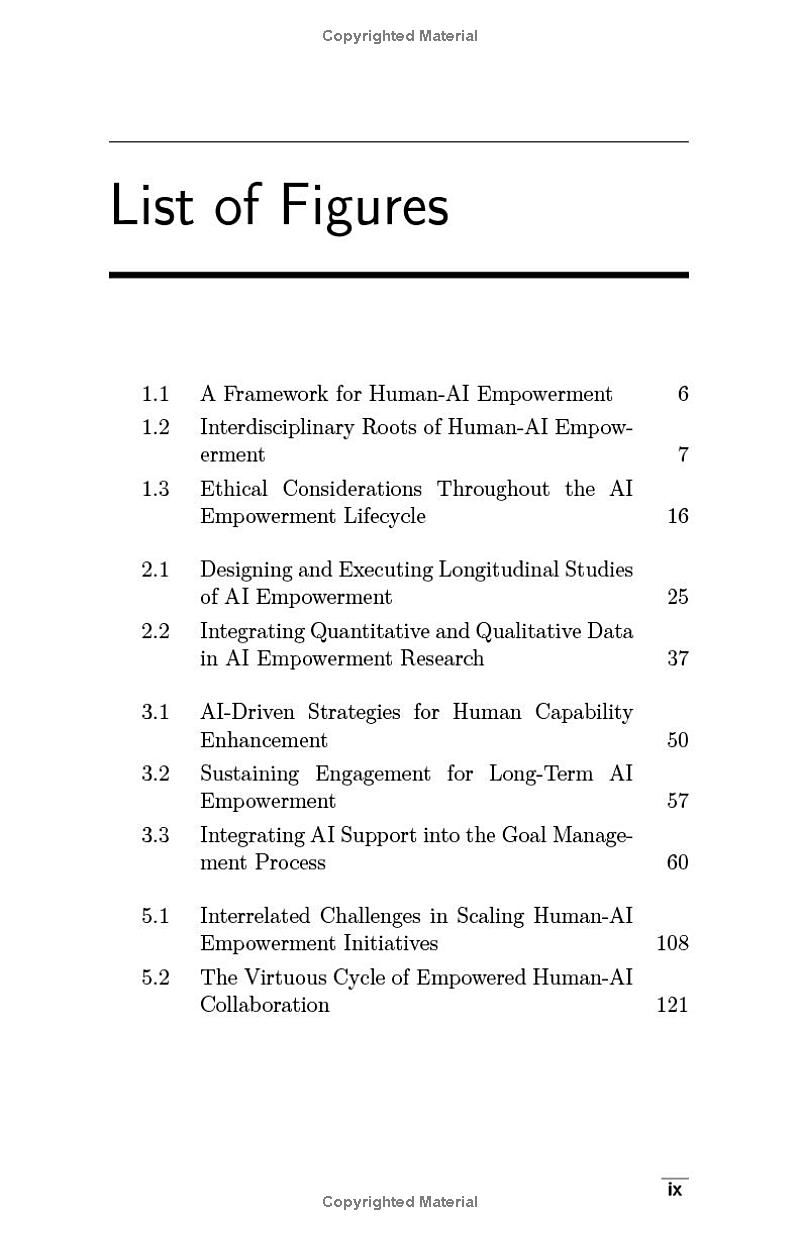
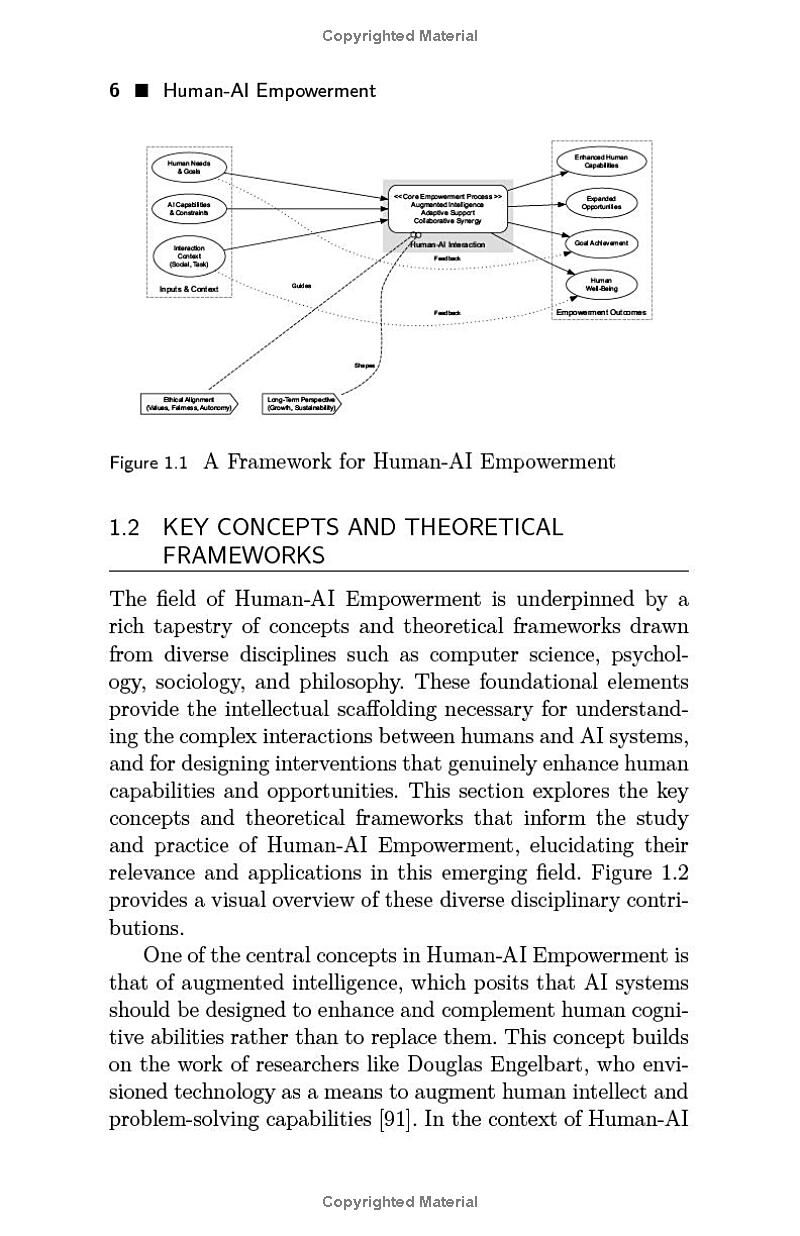
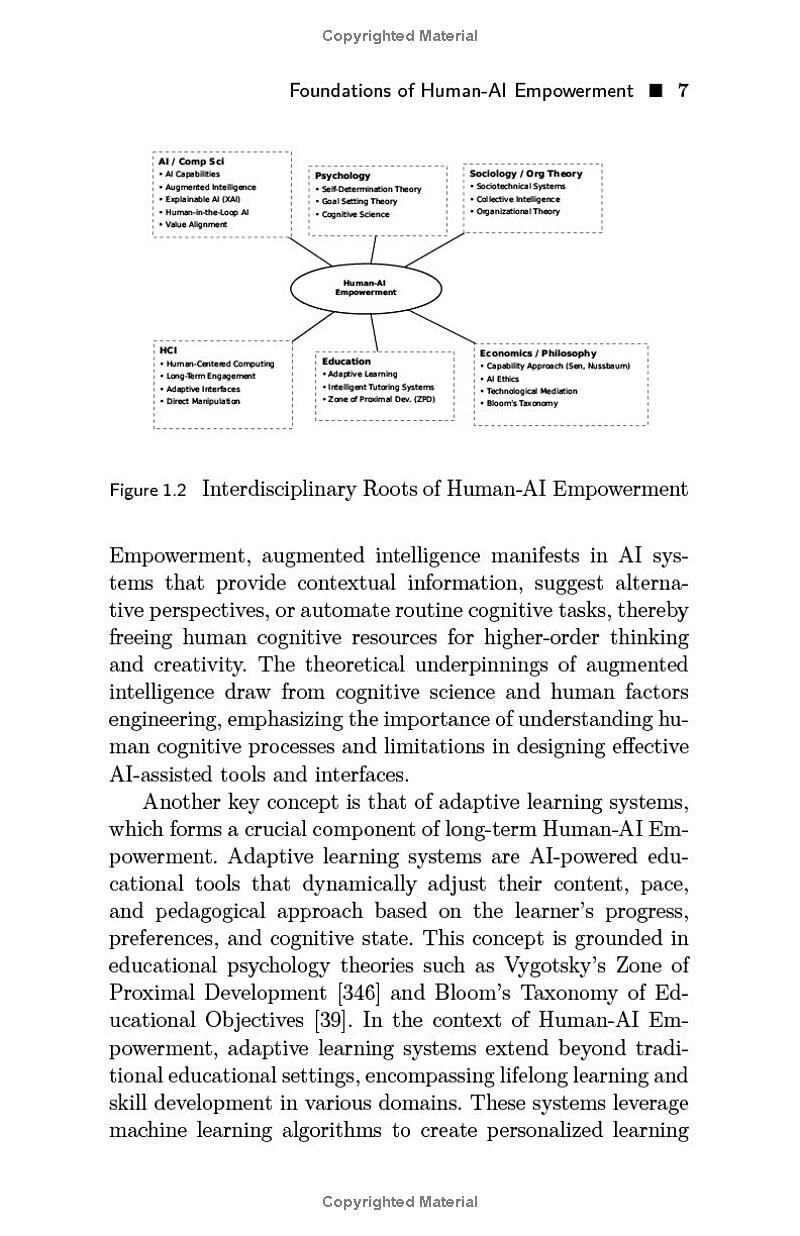
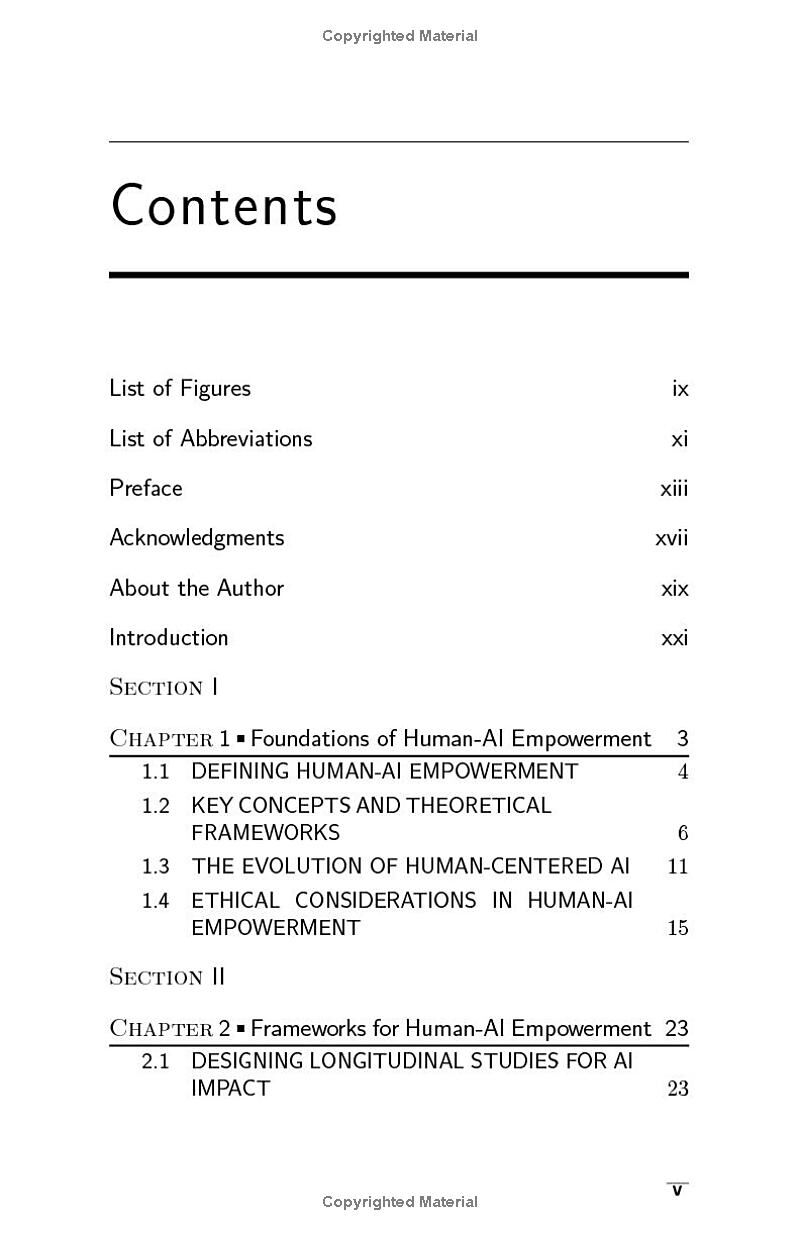
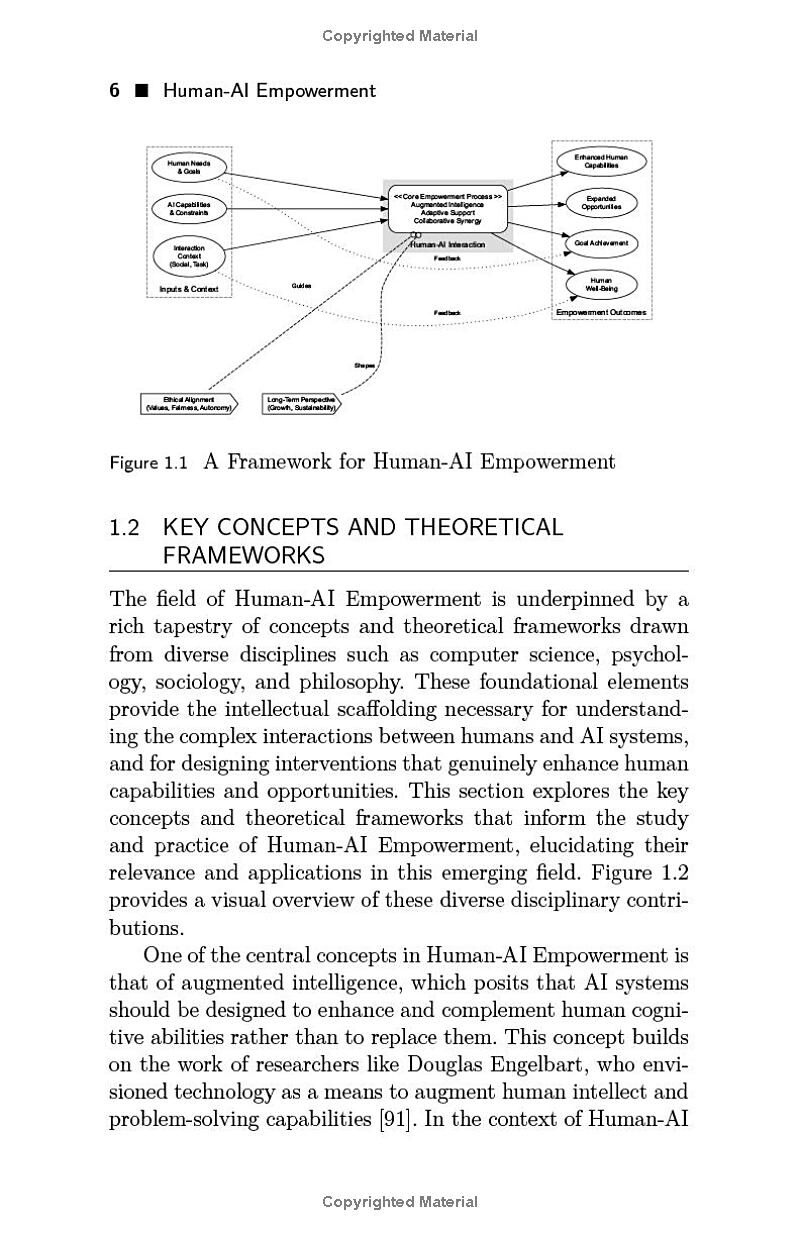
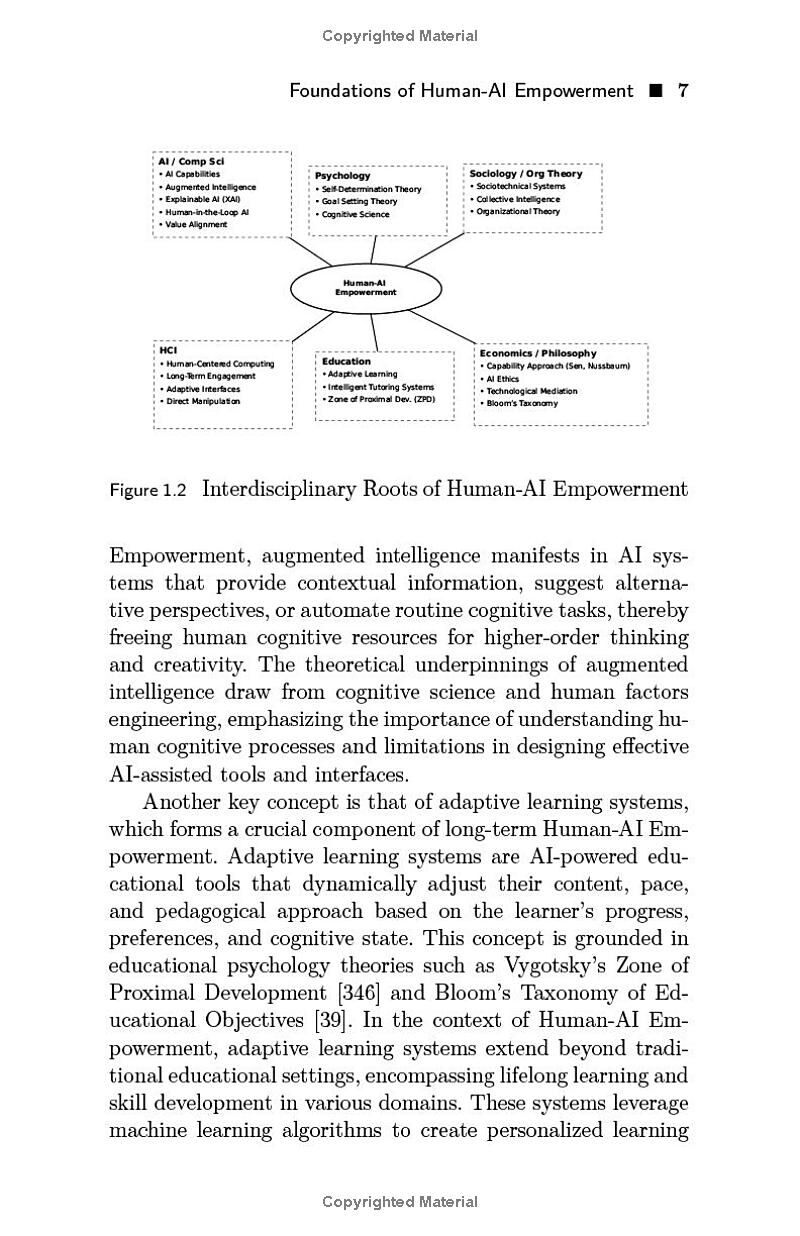
Approaching the topic from a Human-Centered Computing (HCC) perspective, the book integrates interdisciplinary research from artificial intelligence, human–computer interaction, psychology, education, economics, and social science. It proposes a systematic analytical and design framework that explains how AI systems can understand human needs over sustained interactions, track progress toward goals, and dynamically adapt their behavior to support the achievement of mid-term and long-term objectives.
The book also examines mutually beneficial human–AI collaboration, discussing a range of AI empowerment strategies and human–computer interaction methods that support long-term engagement. Drawing on insights from multiple disciplines on goal management and behavior change, it demonstrates how meaningful and stable human–AI cooperation can be fostered through practical system design. Through integrative theoretical frameworks, empirical research findings, and current developments in the field, the book provides a clear pathway for understanding and practicing human–AI co-creation.
This volume is particularly suited for researchers, designers, and technology practitioners concerned with the future relationship between humans and AI. It is also an important work that encourages readers to rethink the social role of AI. By adopting a long-term and holistic perspective on human–AI collaboration, the book offers inspiring theoretical and practical insights into expanding human potential and supporting the achievement of individual and societal goals.