Book Description
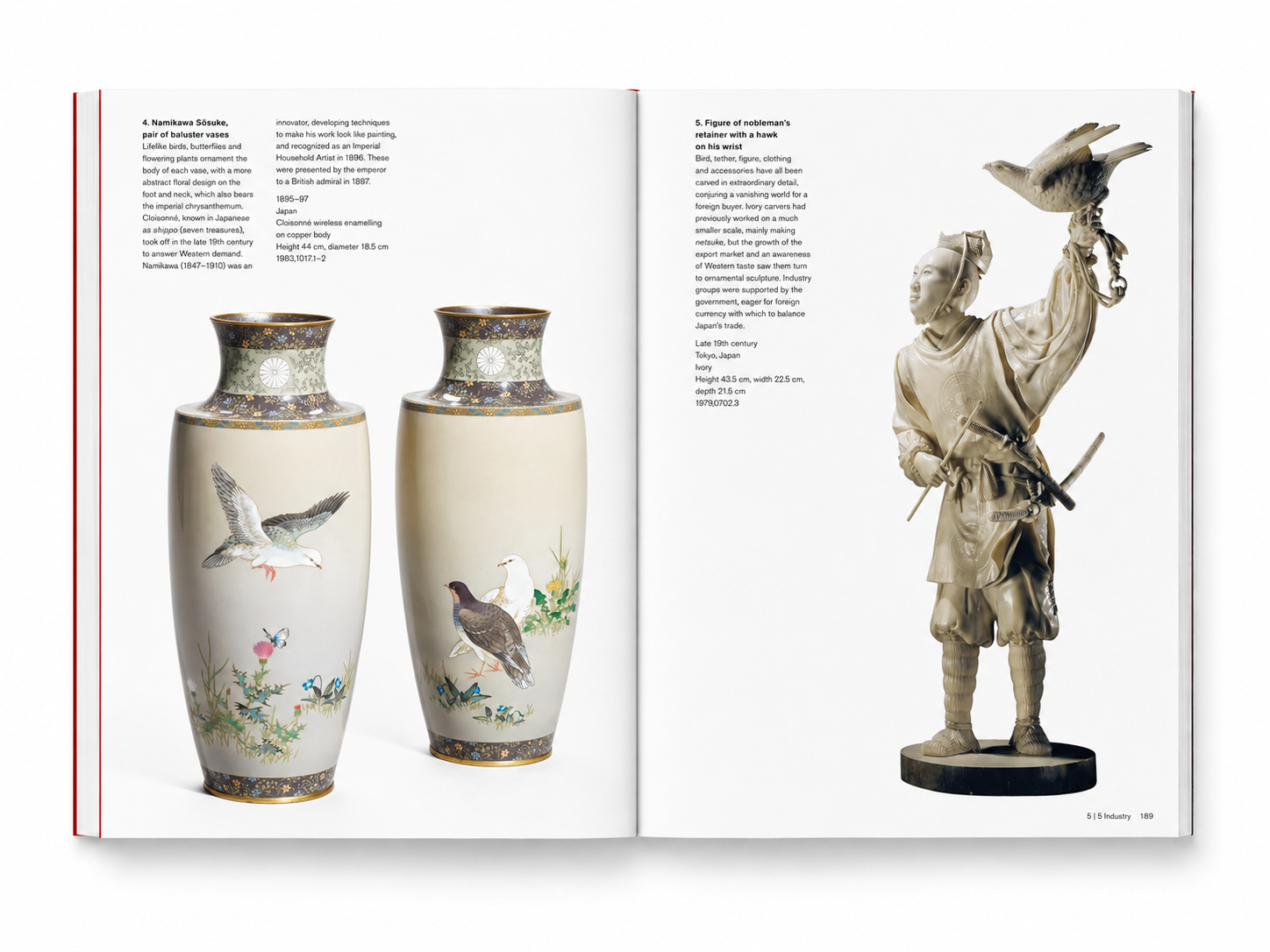
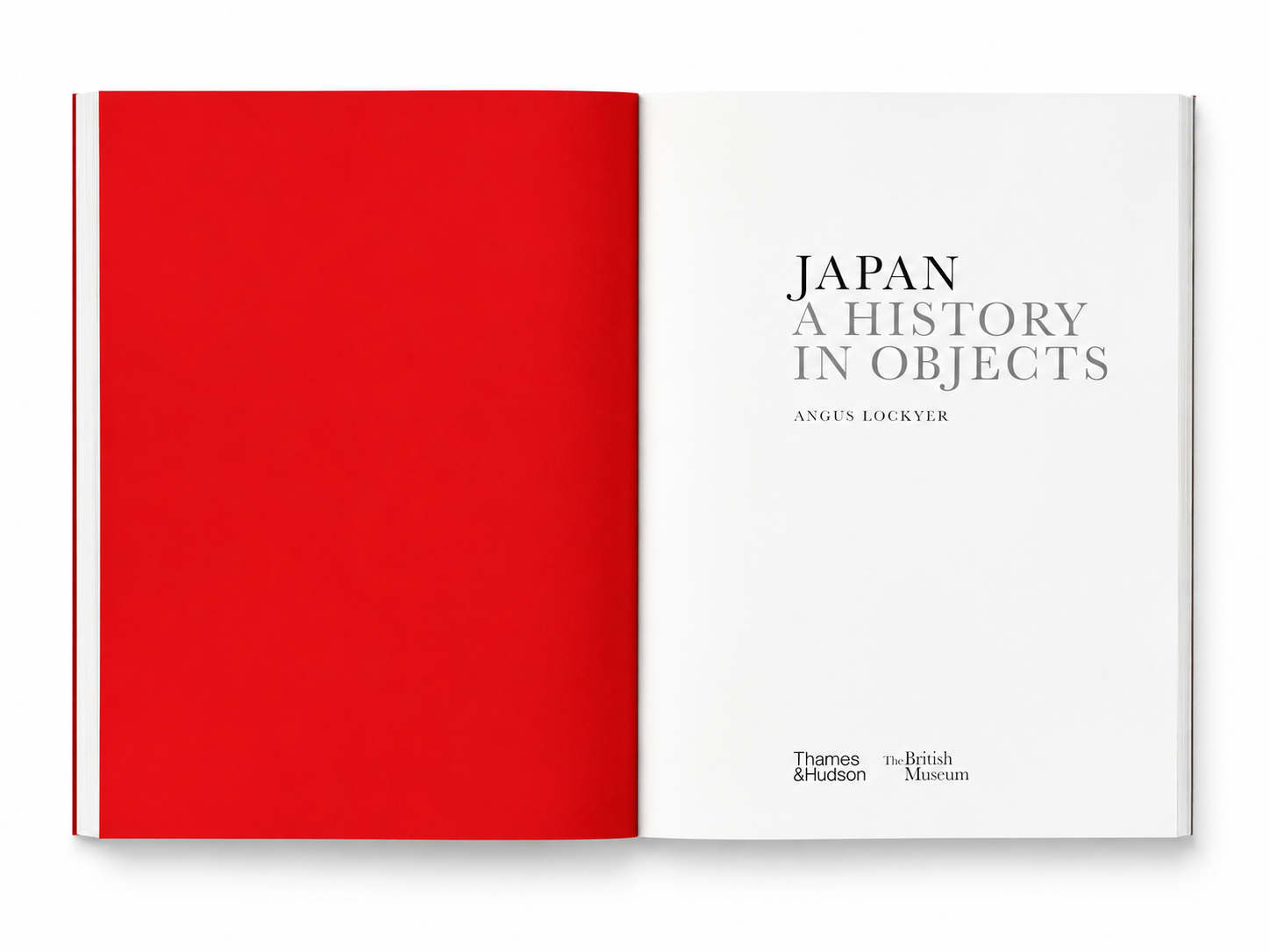
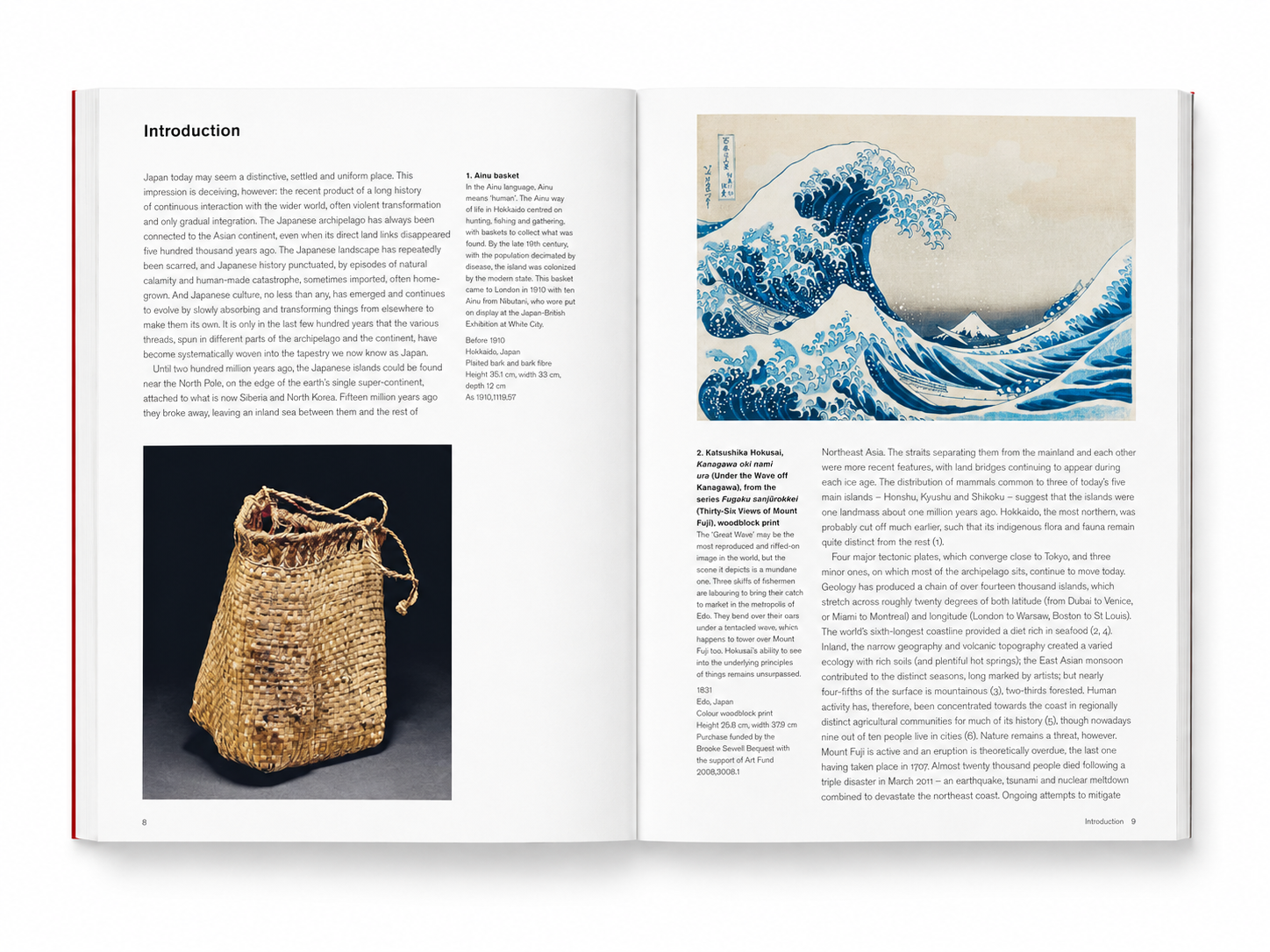
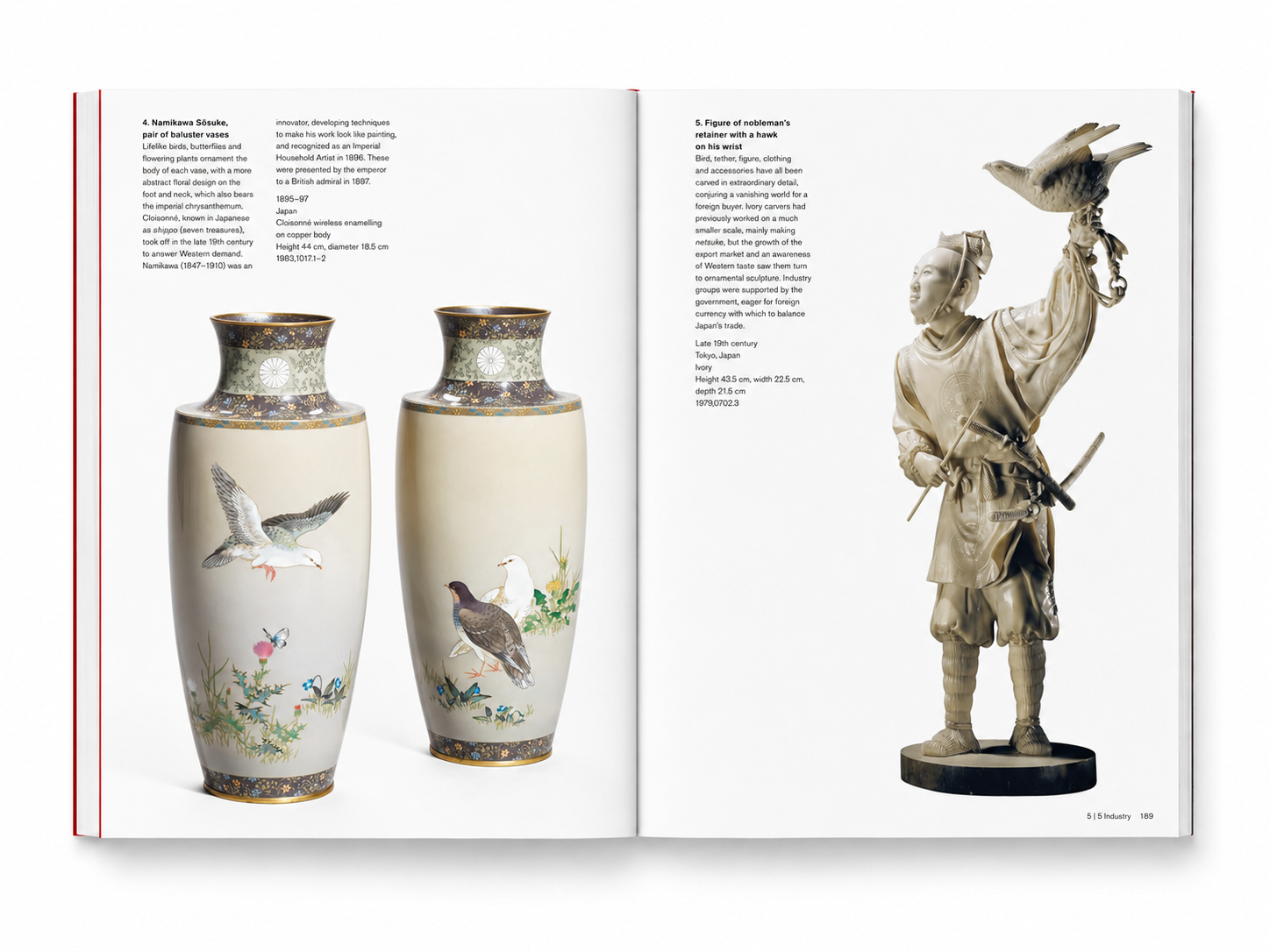
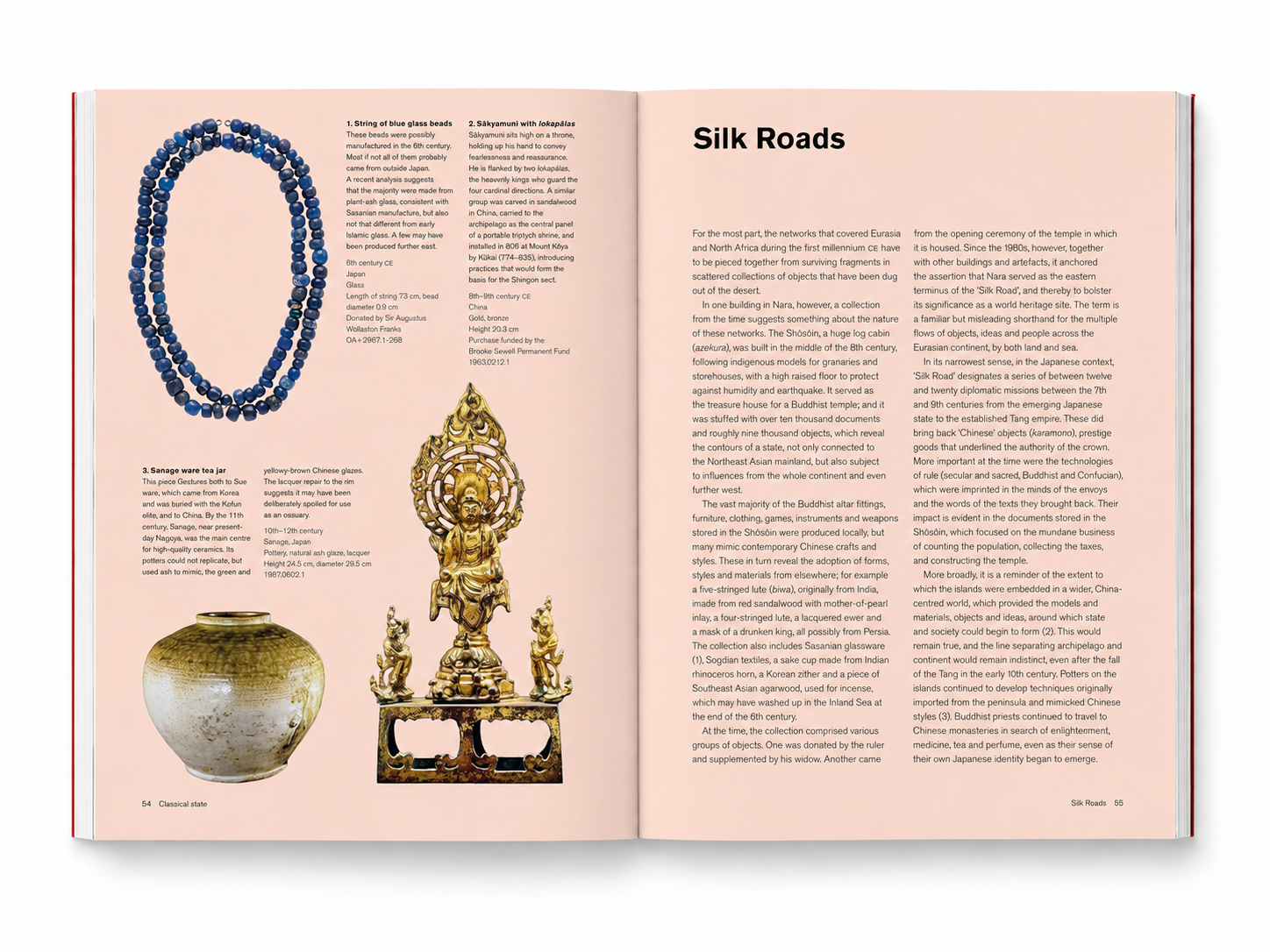
From Jōmon-period pottery and religious sculptures created after the introduction of Buddhism, to swords and armor used by the samurai; from lacquerware, ceramics, textiles, and woodblock prints to manga, industrial products, and contemporary digital media, the history of Japan is not recorded only in texts and chronology. It also exists in the objects people made, used, exchanged, and treasured.
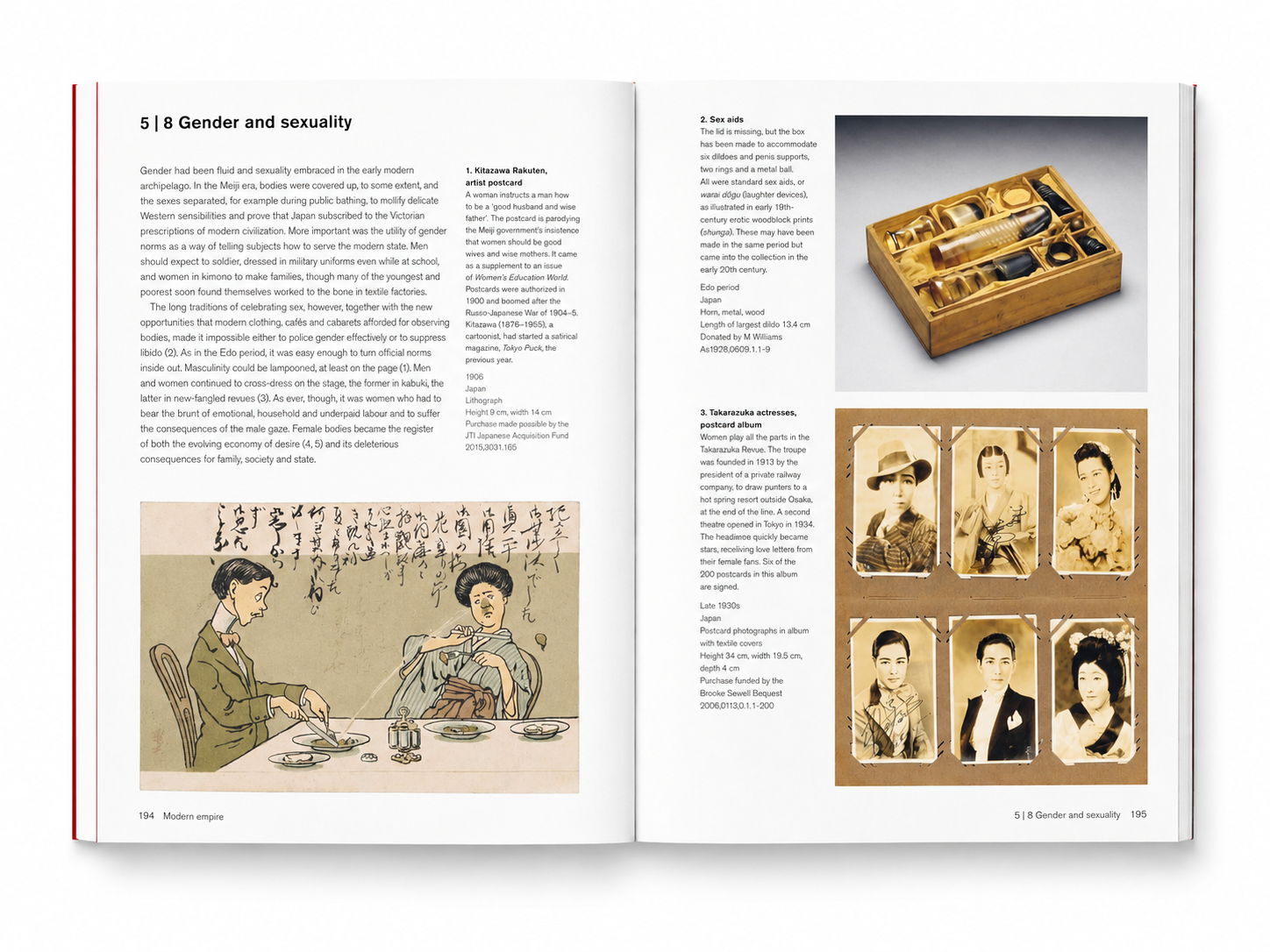
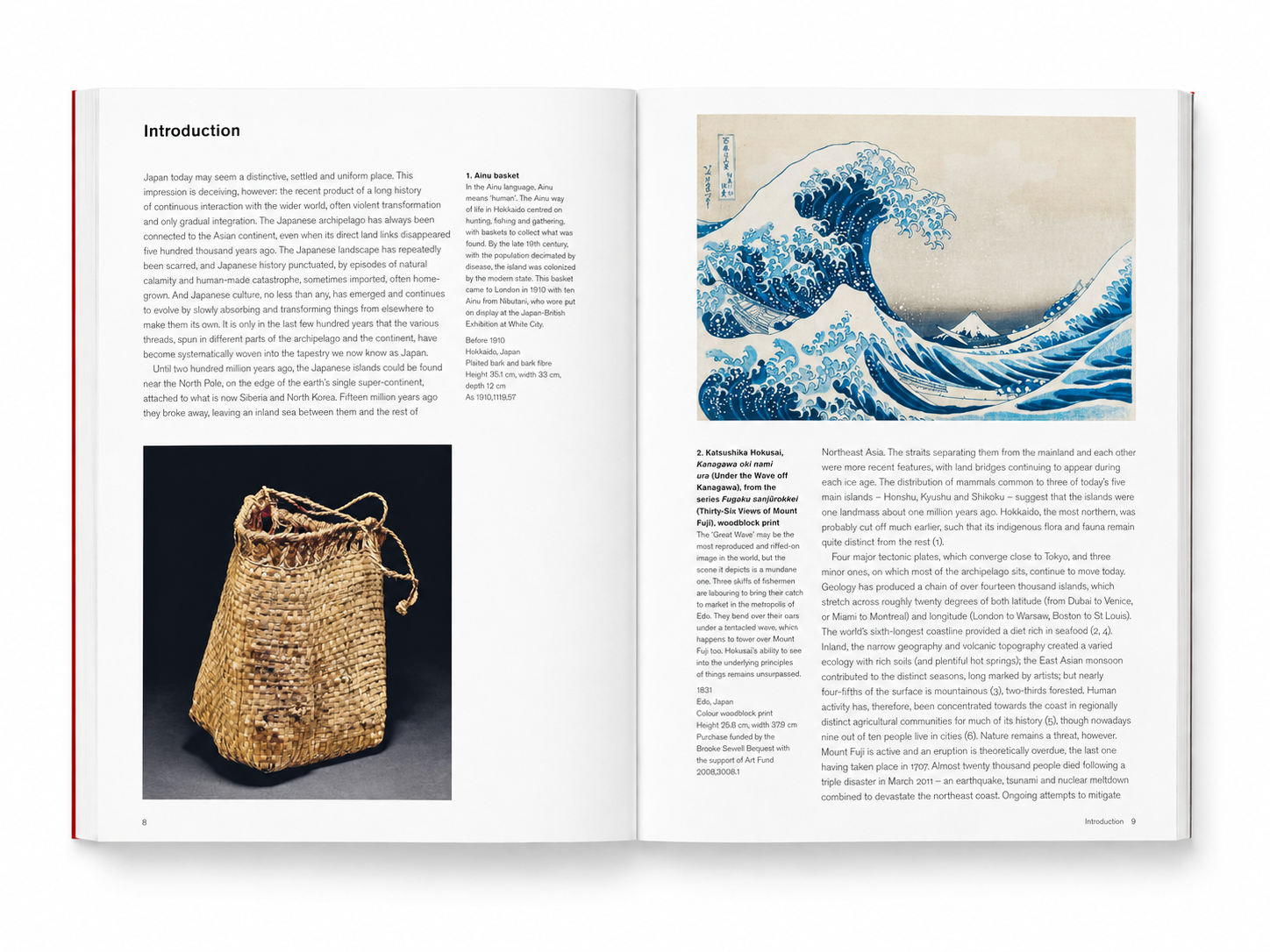
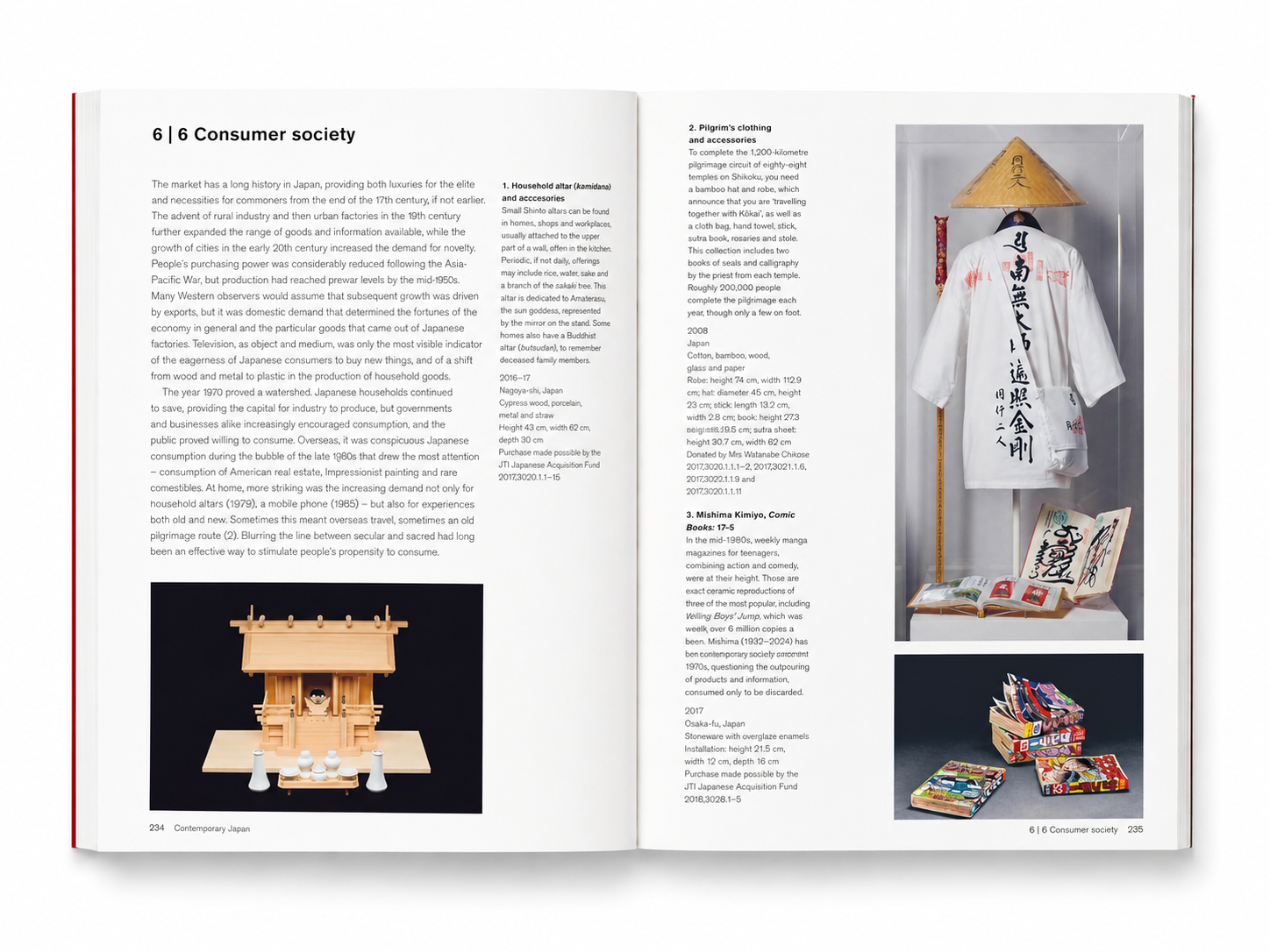
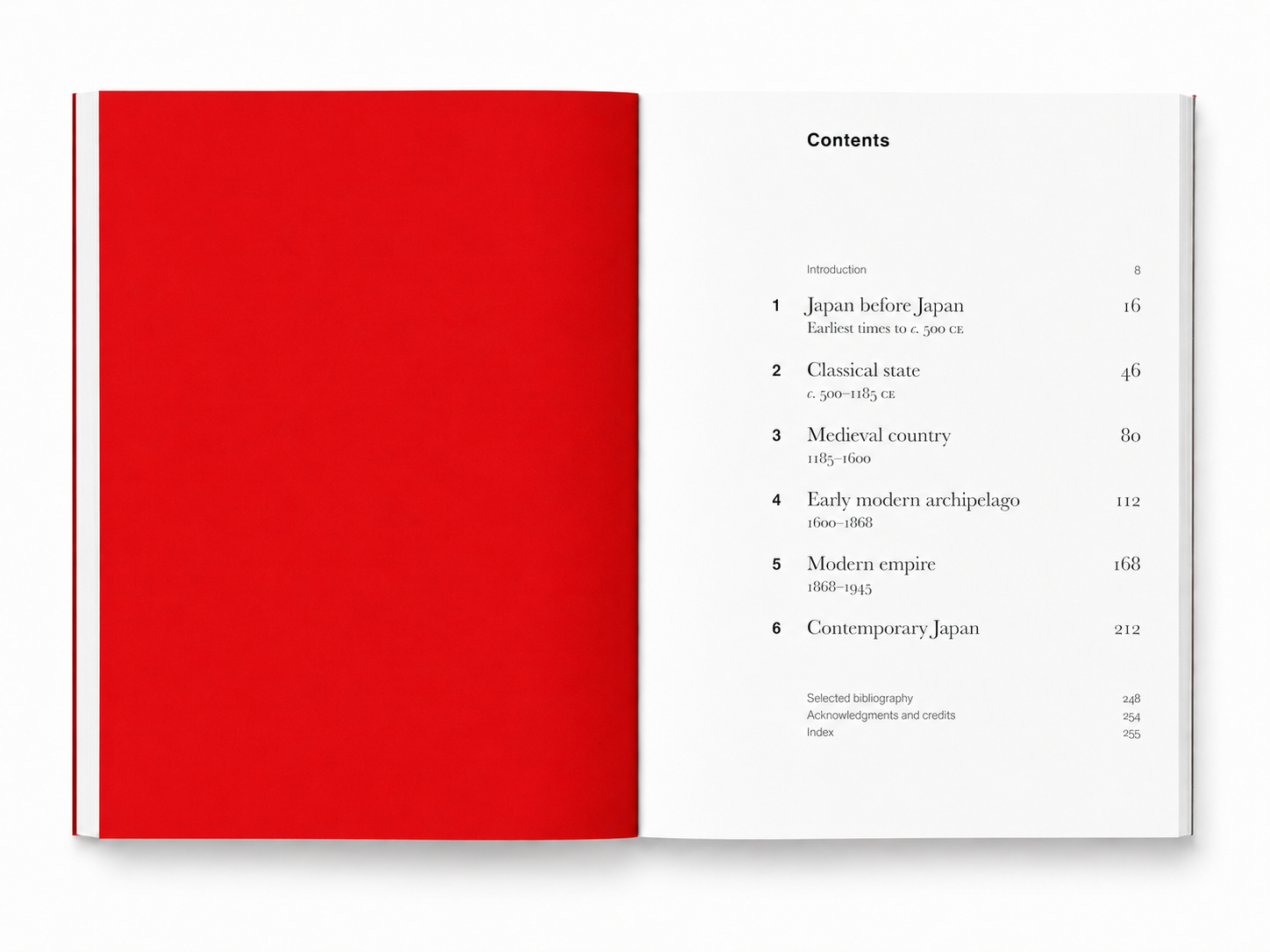
Japan: A History in Objects takes material culture as its point of departure, looking back over more than 15,000 years of cultural transformation across the Japanese archipelago through everyday objects, works of art, religious artifacts, and visual images from different periods. These objects are not only achievements of craftsmanship and aesthetics; they also reflect material sources, production techniques, social class, religious beliefs, gender roles, and ways of life.
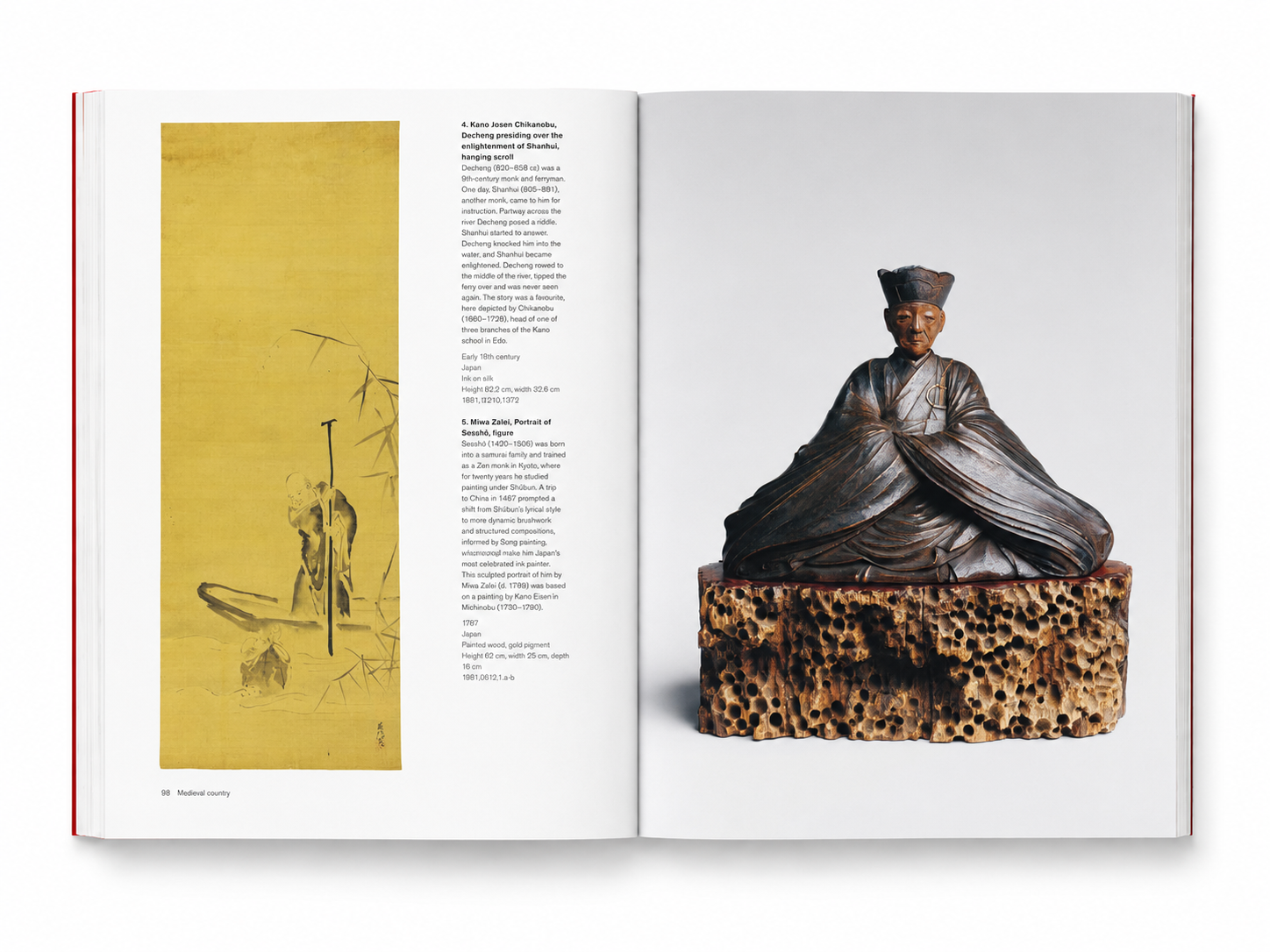
Beginning with prehistoric pottery and bodily ornaments, the book explores how early inhabitants used clay, stone, and natural resources to establish the order of daily life. As rice agriculture, metalworking, writing, and Buddhism entered Japan through the Asian continent, the forms of objects and the structure of society gradually changed. Buddhist statues, scriptures, and ritual implements bear witness to the connection between religious belief and political power; swords, armor, and family crests reveal how the warrior class established identity and order through objects.
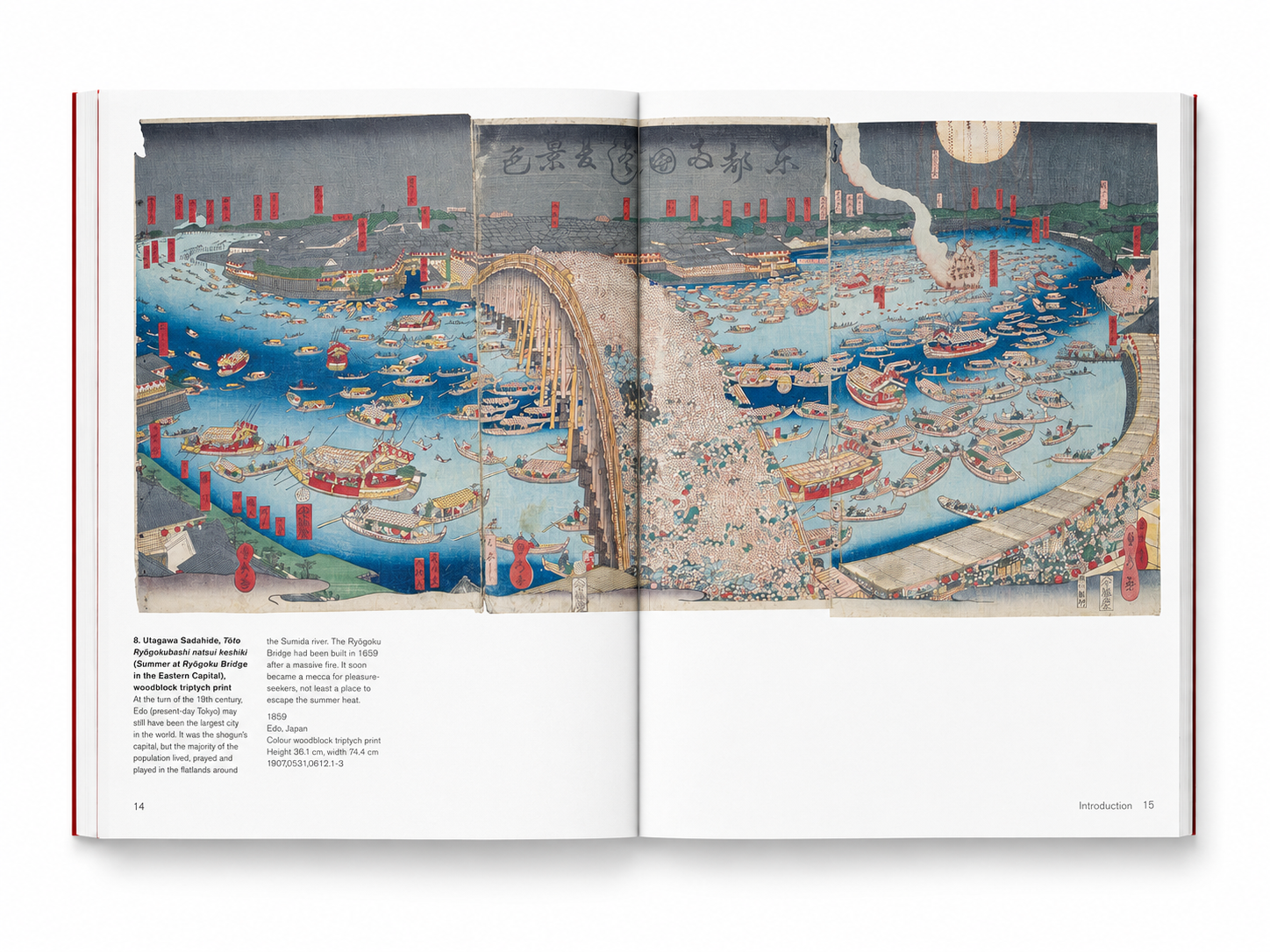
Entering the Edo period, cities, commerce, and publishing culture flourished. Ceramics, lacquerware, clothing, folding screens, and ukiyo-e were no longer limited to the court or warrior class, but became part of the everyday lives of merchants and common people. Objects became important media through which people expressed taste, pursued fashion, and participated in urban culture, allowing us to see artisans, farmers, women, and ordinary people who are often overlooked in history.
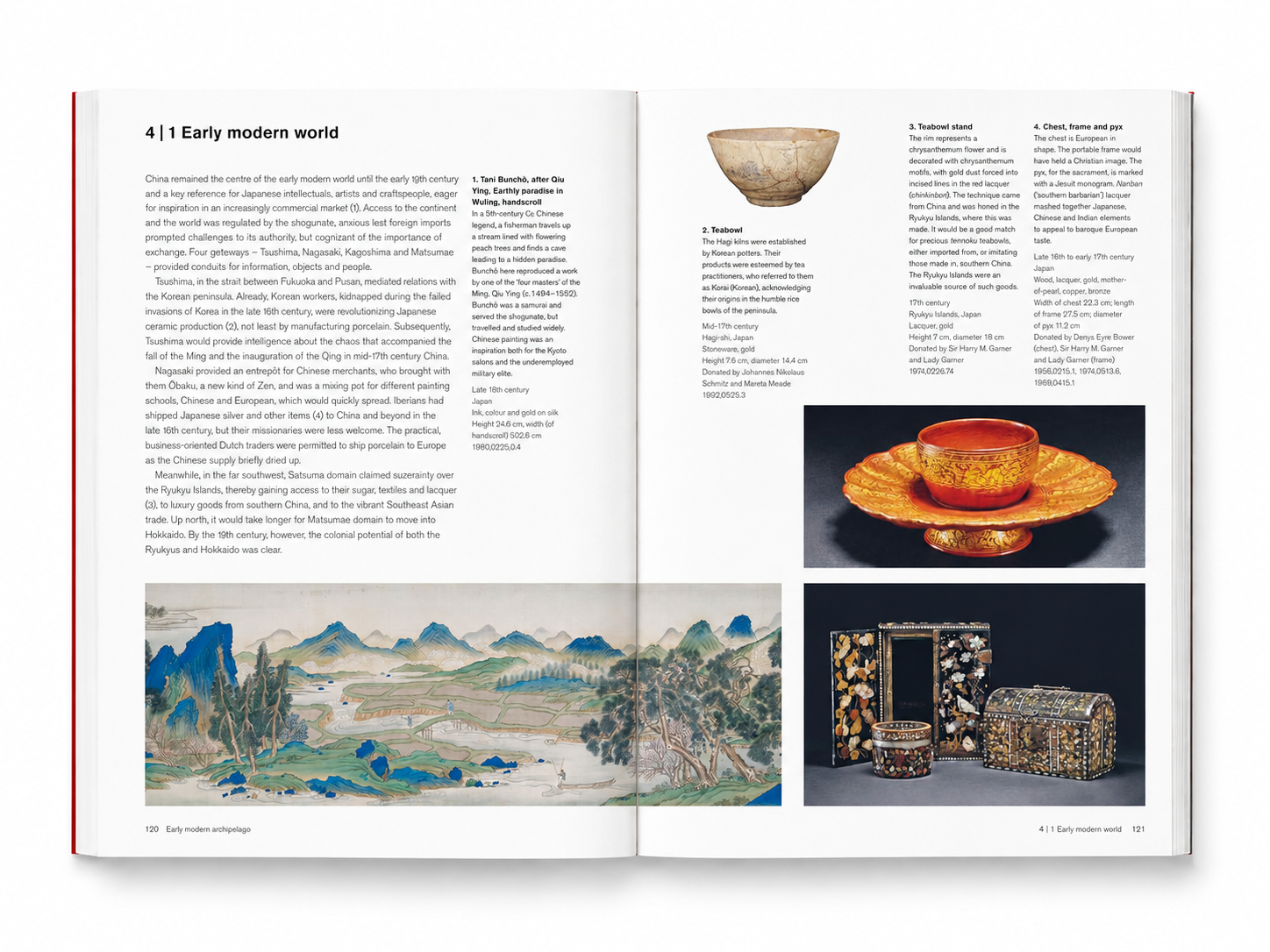
The formation of Japanese material culture did not take place in isolation. Materials, techniques, religions, and images from China, the Korean Peninsula, Southeast Asia, and Europe entered Japan through trade, migration, and cultural exchange, and were then reinterpreted and transformed in different local contexts. Behind every object regarded as “Japanese style,” there may be a history of movement across borders and seas.
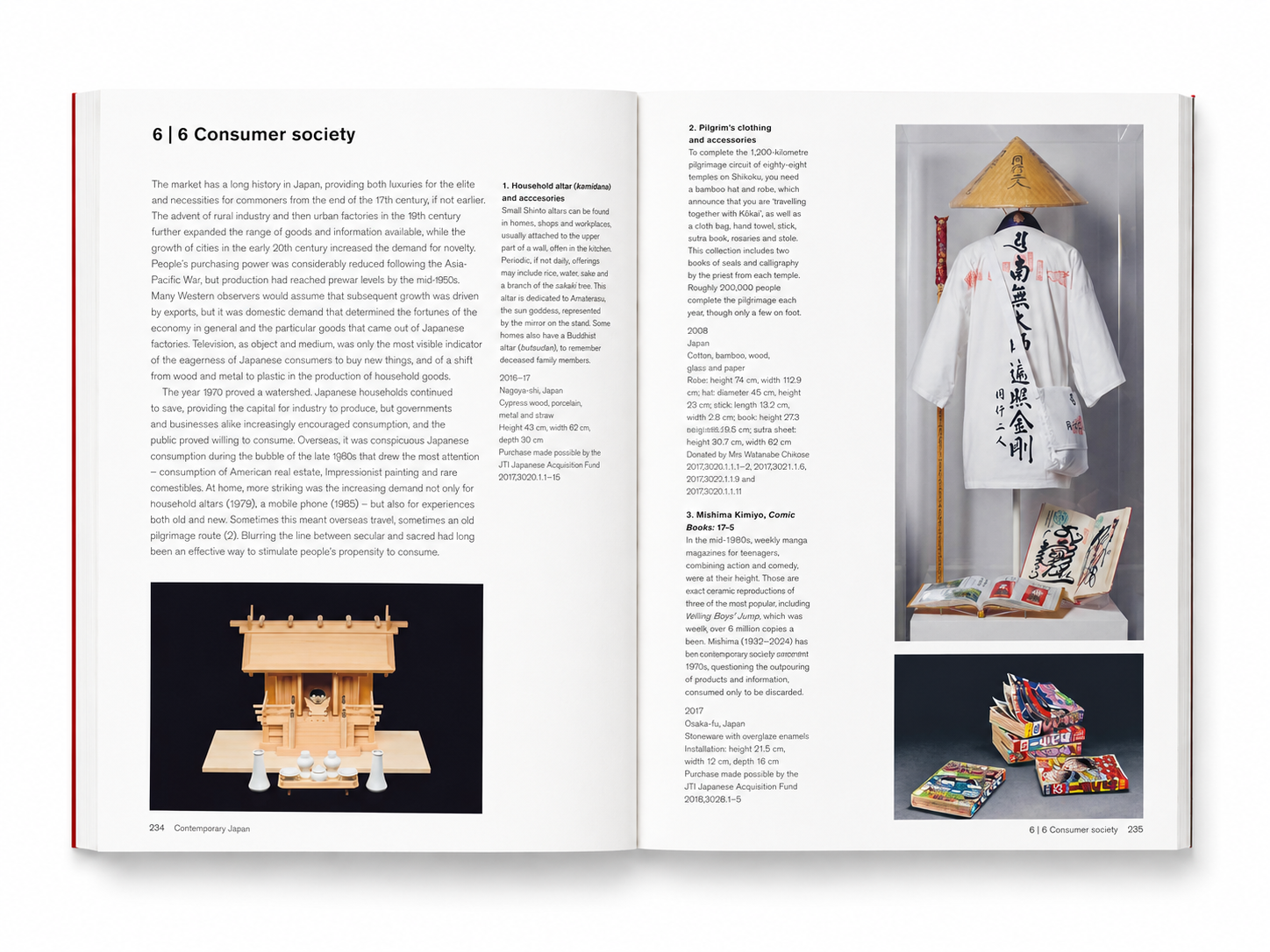
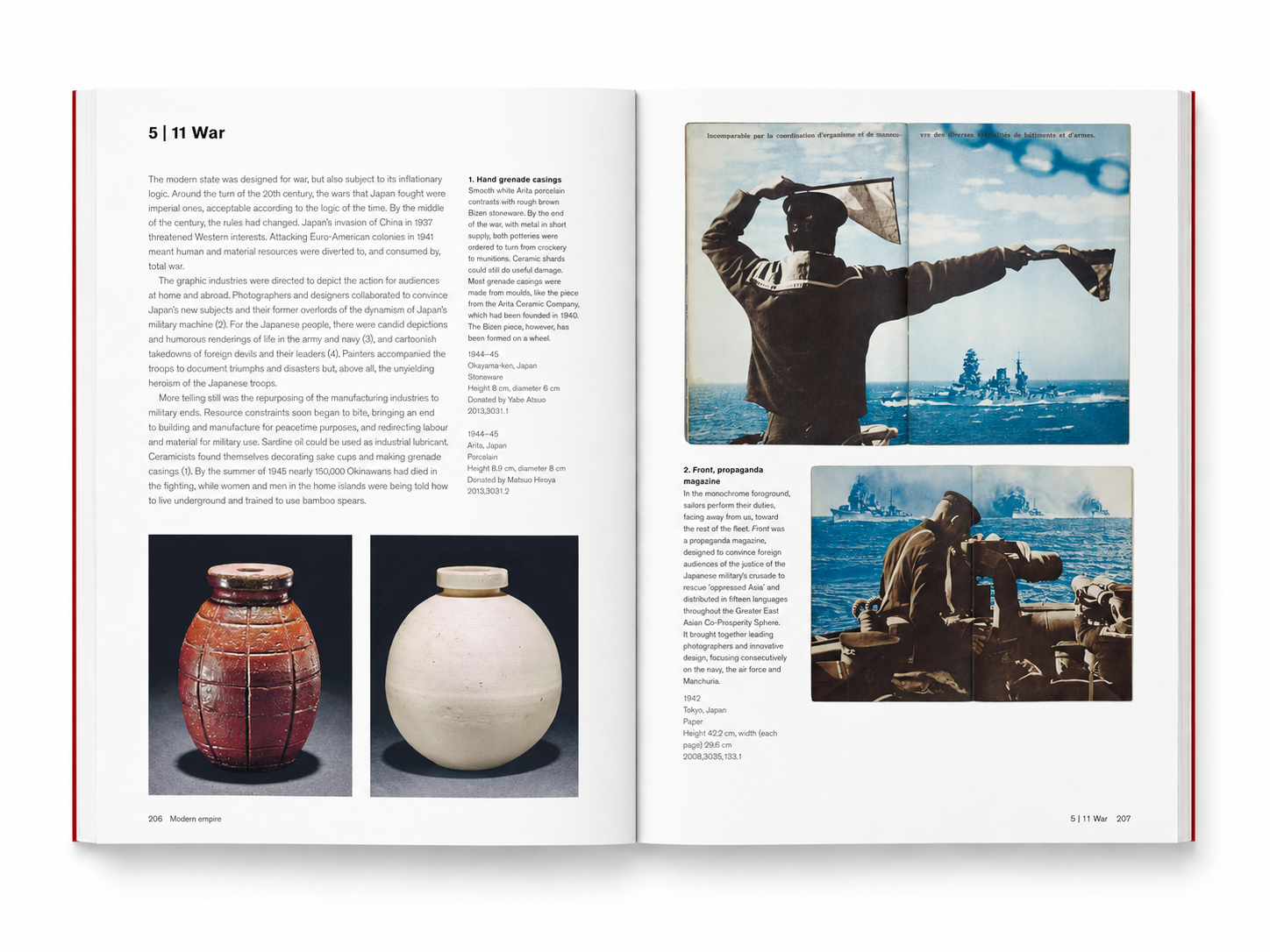
After the modern period, industrialization, mass production, and the global market once again changed the appearance of objects. Traditional crafts found new positions within modern design and consumer culture, while manga, photography, fashion, and digital images also became important media for recording the times. Objects are no longer merely old collections displayed in museum cases, but cultural carriers that continue to participate in people’s lives, memories, and the construction of identity.
This book invites readers to set aside, for a moment, a way of viewing history centered on major events and historical figures, and instead to look closely at objects that were once held in the hand, worn on the body, enshrined in temples, used in homes, or circulated in markets.
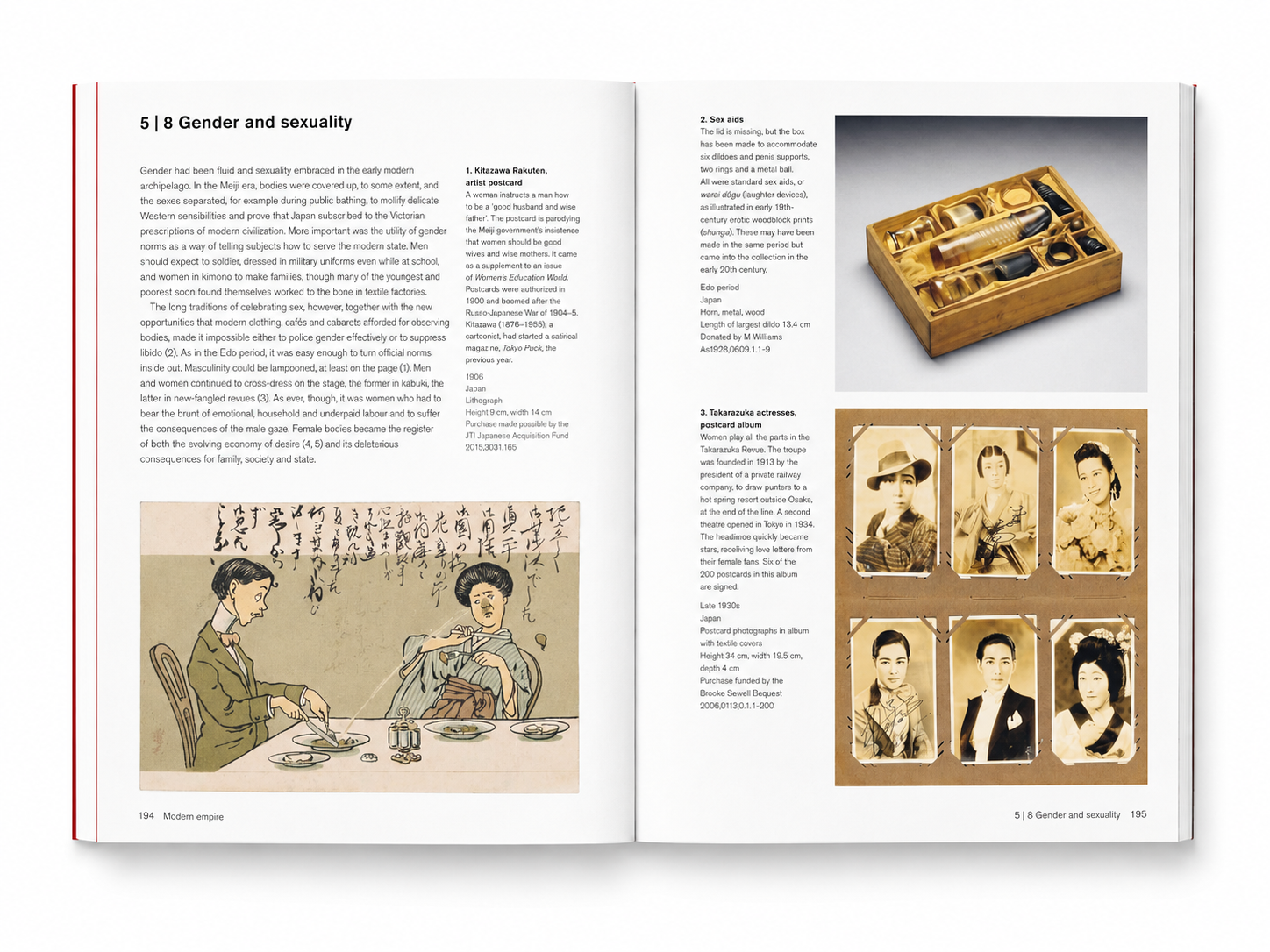
How can a bowl reflect food culture and trade? How can a garment reveal identity and gender? How can a print spread fashion and imagination? And how can a sword, beyond its practical function, become a symbol of power, belief, and aesthetics?
When we look anew at objects, we are also rereading Japan. Every trace of use, every material, and every technique of making is testimony left behind by people and their times. These seemingly silent objects connect tradition and the contemporary, everyday life and politics, the local and the global, together forming a cultural history of Japan that can be seen, imagined through touch, and understood anew.
Details
Author: Angus Lockyer
Publisher: Thames and Hudson Ltd
Publication Year: 2026
Size: 27 × 18 cm
Binding: Hardcover
Pages: 272 pages