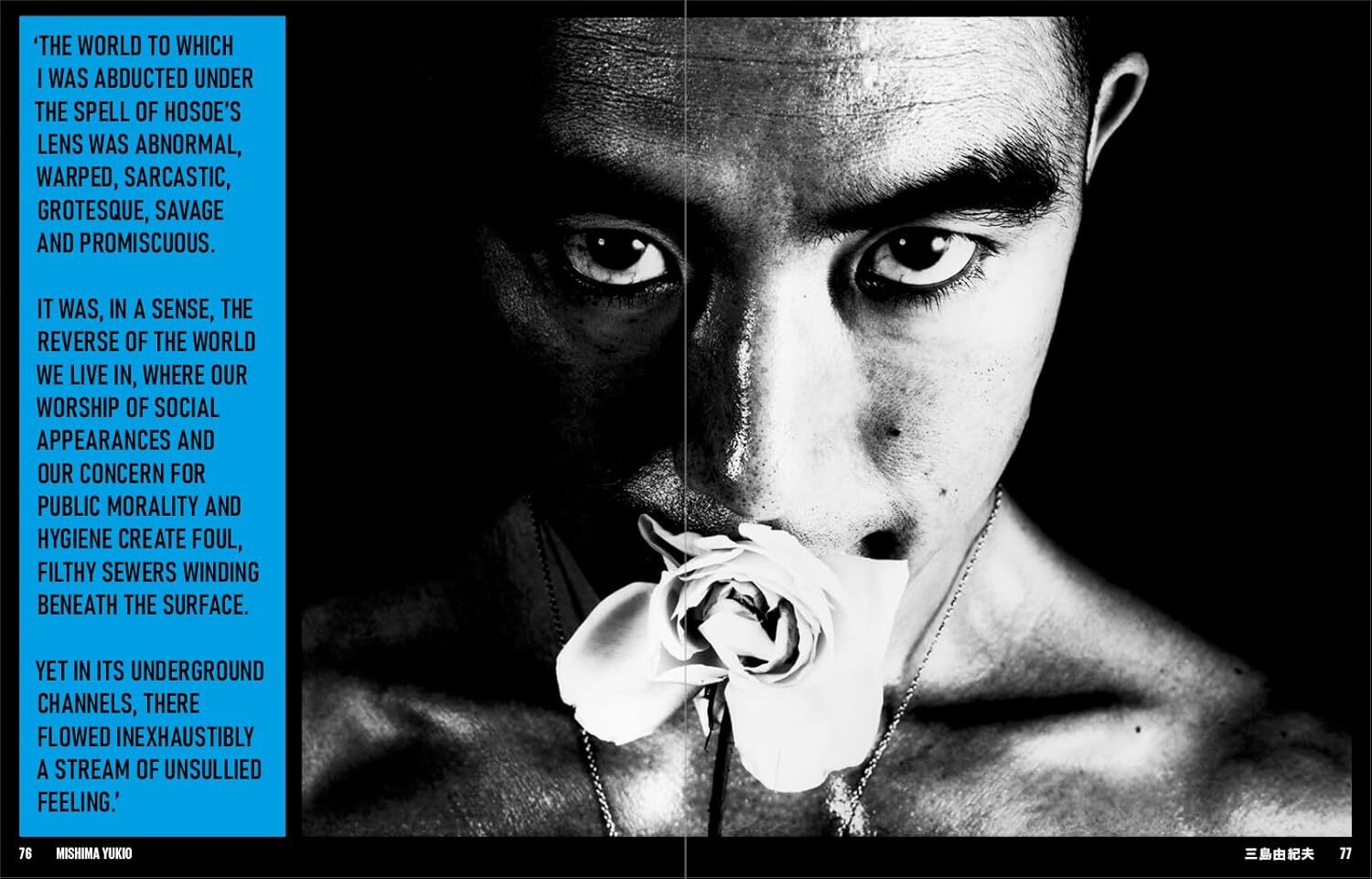
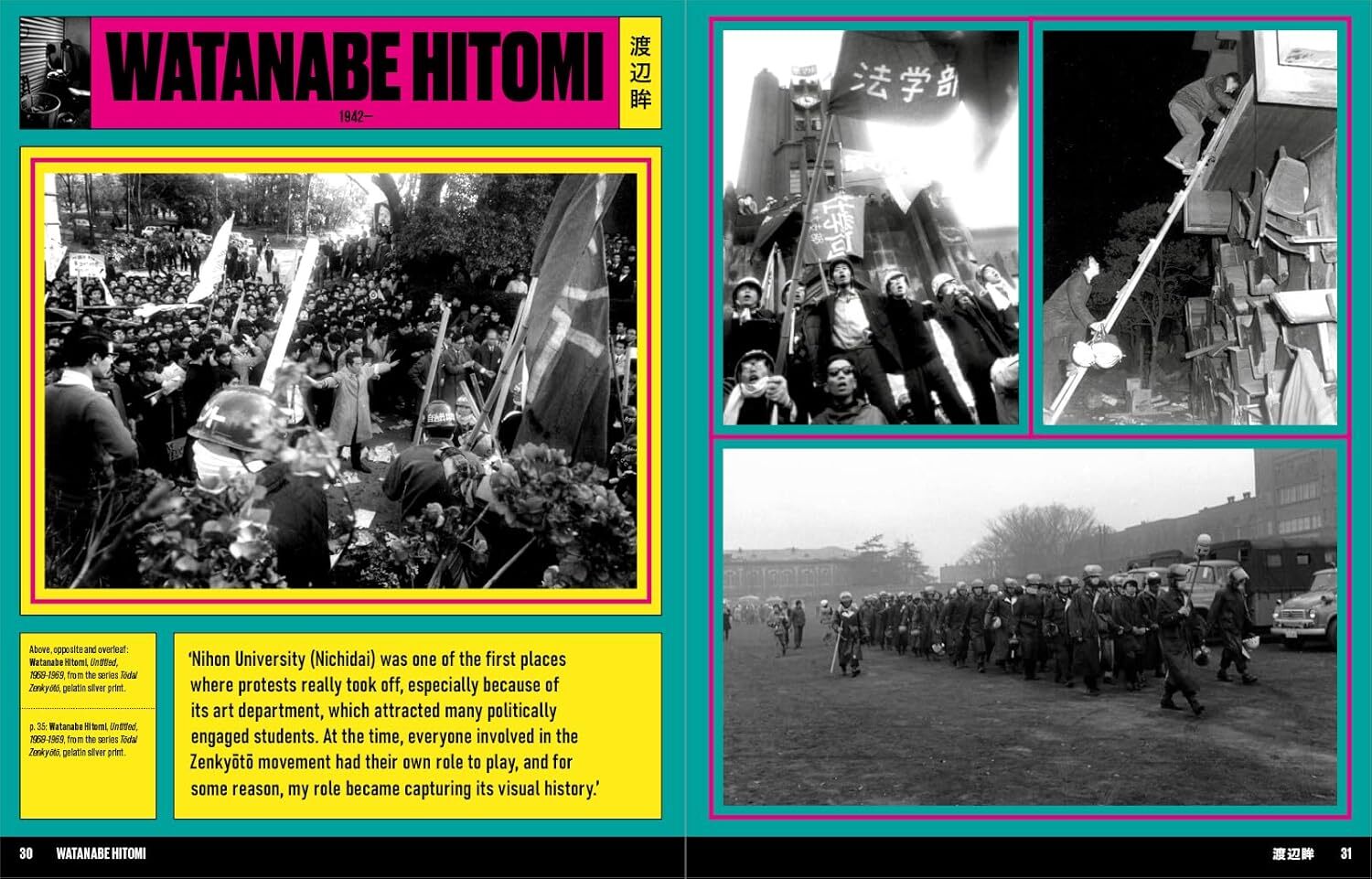
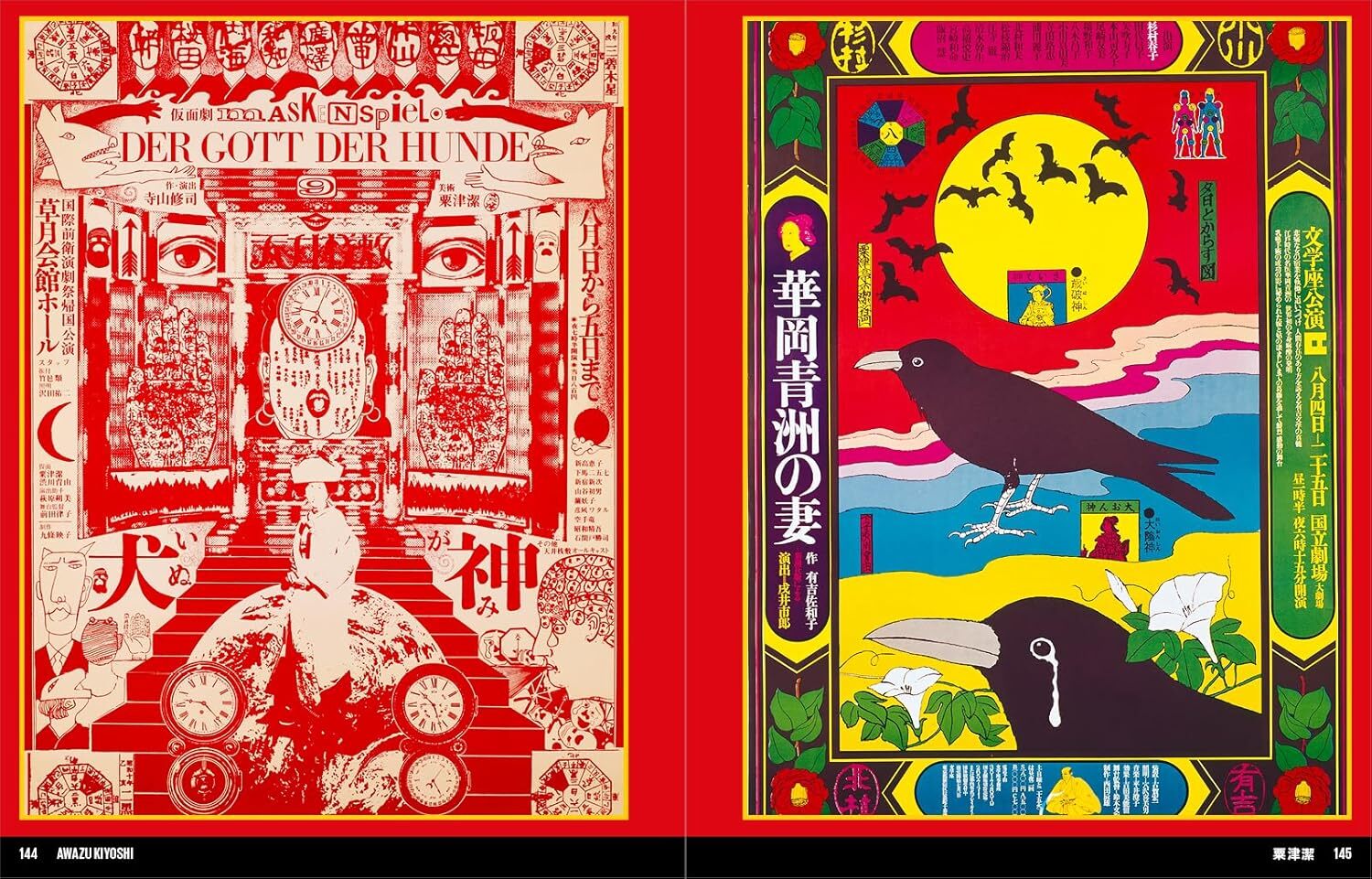
In the second half of the twentieth century in Japan, a historical context marked by tension and transformation gave rise to a cultural movement that profoundly reshaped the language of art. Japan Art Revolution looks back on the period between the 1960s and 1970s, when, amid the lingering trauma of the postwar era, rapid economic growth, and political unrest, artists responded to the pressures of their time by reconfiguring their modes of creation. This is not merely a survey of art history, but a reexamination of the relationships between perception, the body, and reality, loosening art from established frameworks and guiding it toward more experimental and critical forms of expression.
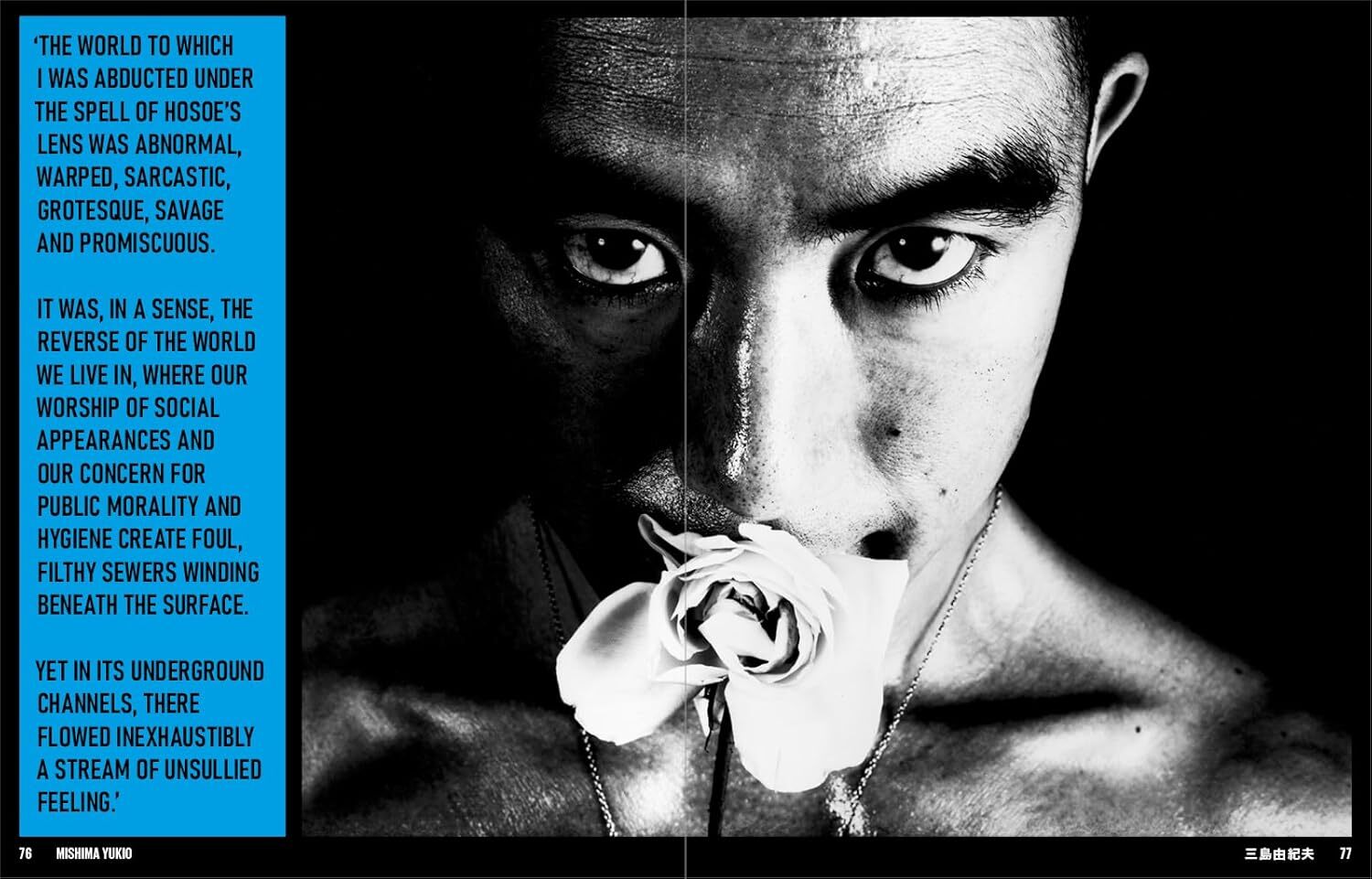
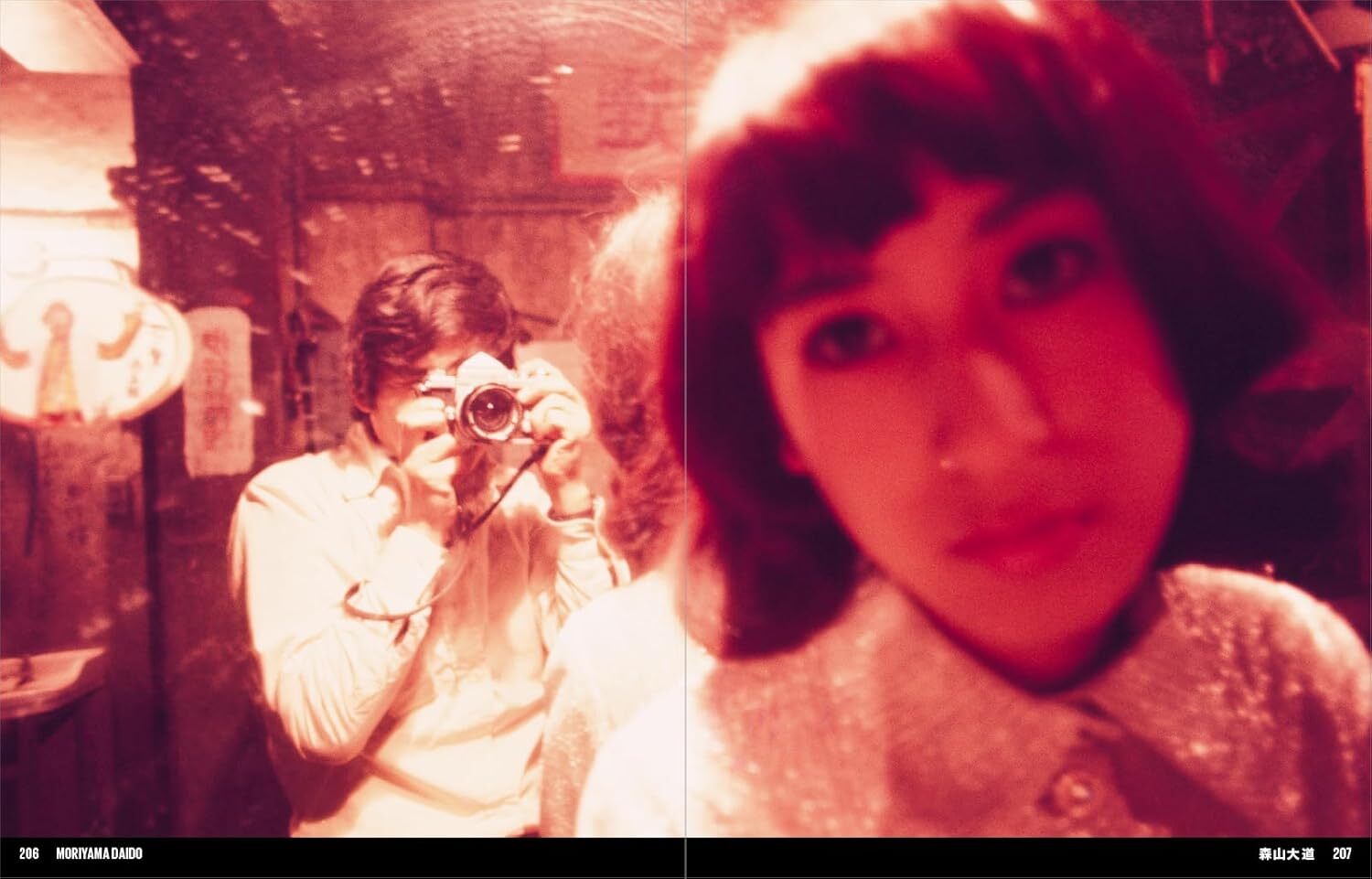
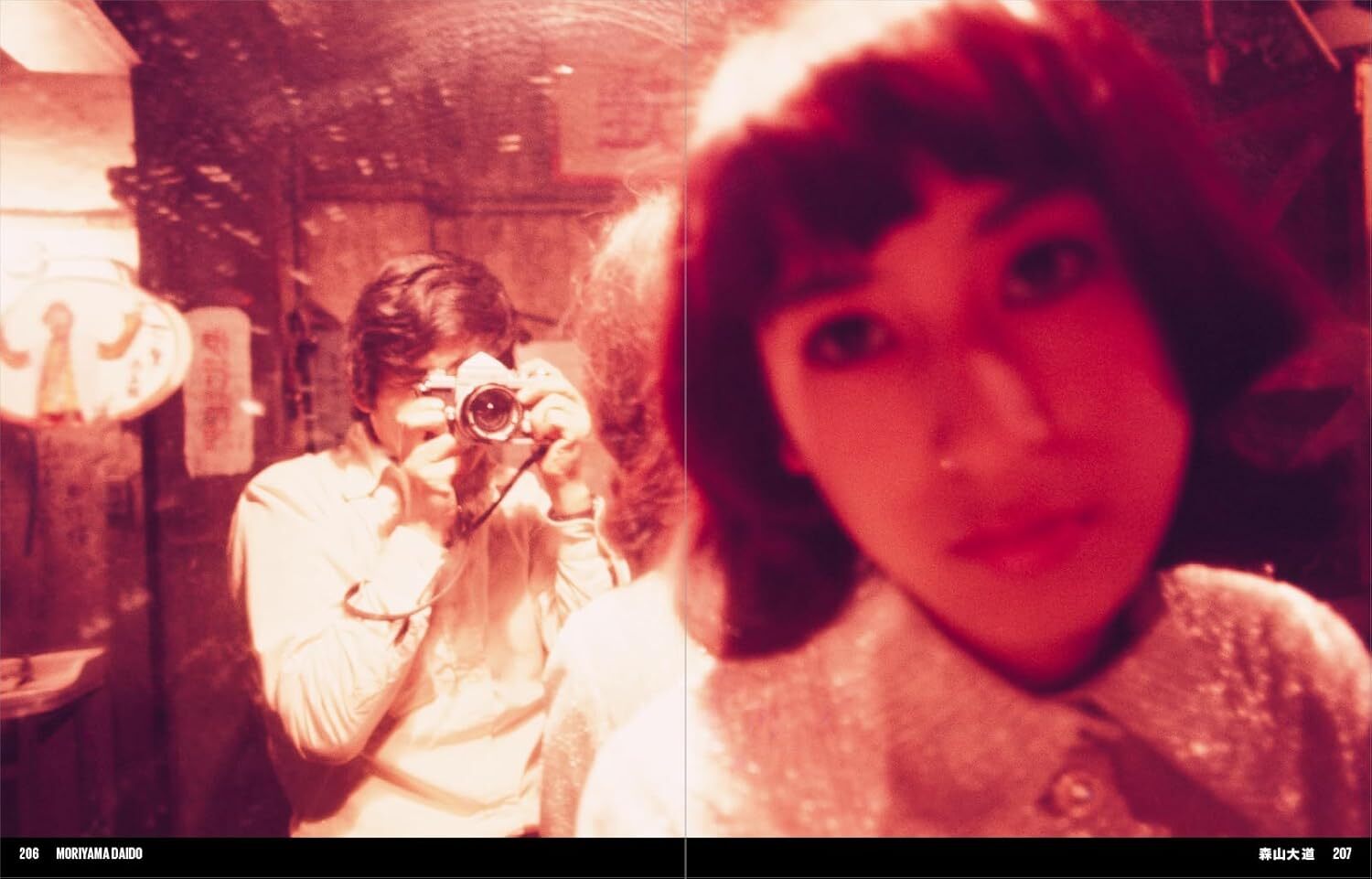
As Japan experienced rapid economic expansion after the war, it simultaneously grappled with political instability and questions of cultural identity. Artists grew dissatisfied with conventional forms and turned instead toward more direct and confrontational modes of expression. Photography, no longer concerned with clarity or representation, embraced blur, grain, and defocus to reveal the uncertainty inherent in the act of seeing. The visual language exemplified by Provoke transformed reality into something elusive and difficult to grasp, positioning the image as a medium of questioning rather than explanation.
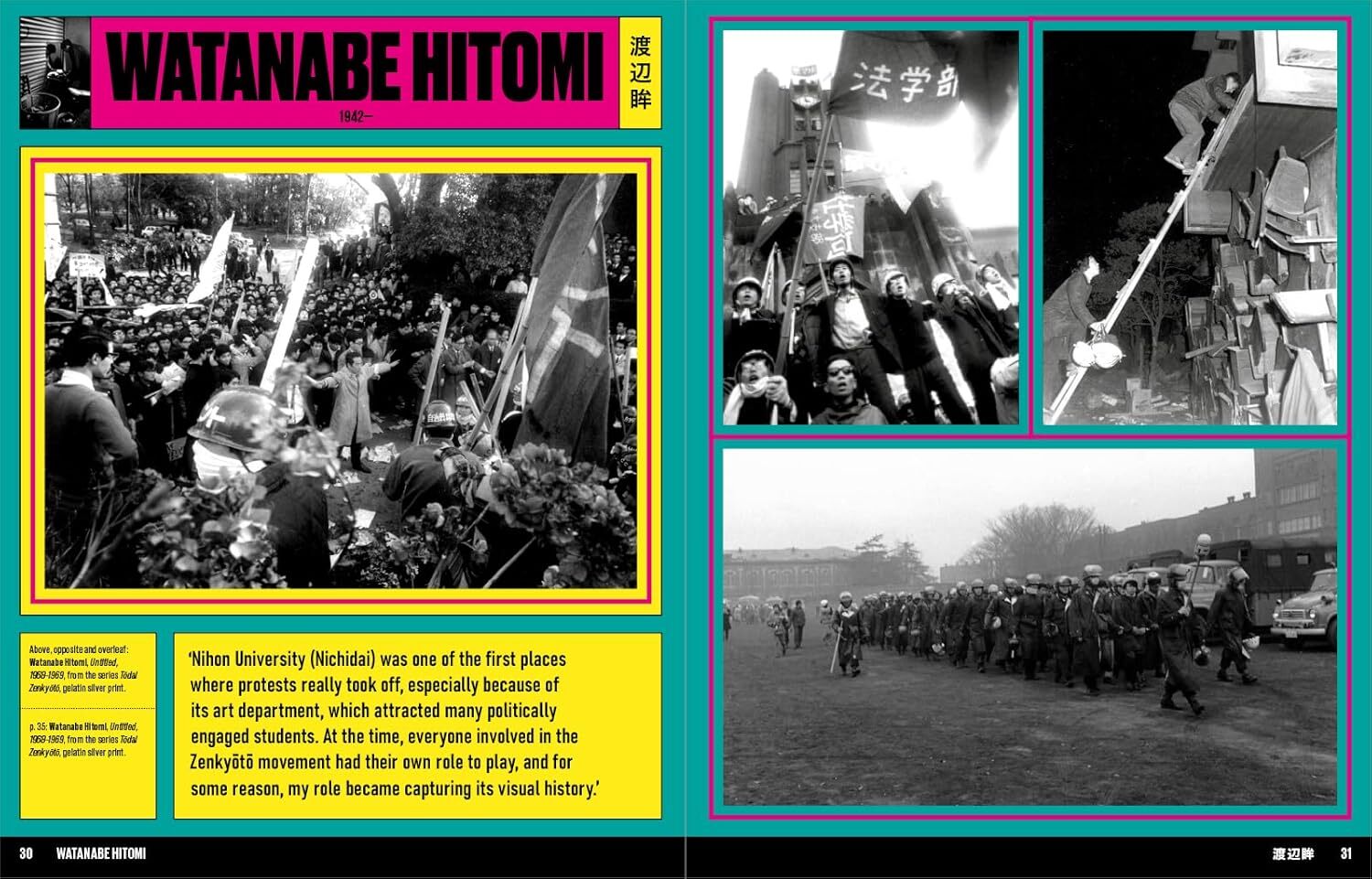
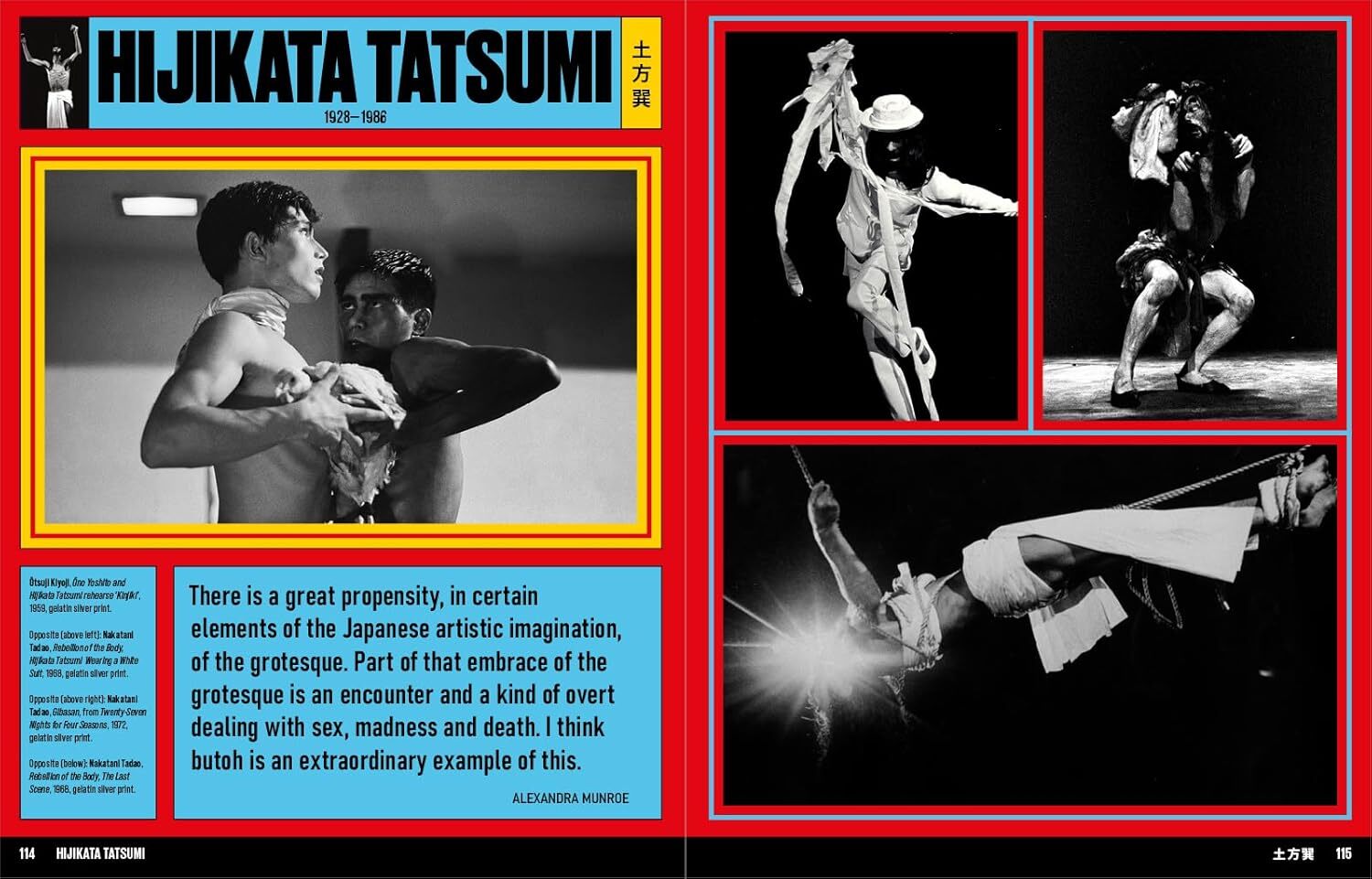
At the same time, the emergence of Butoh opened new possibilities for the human body in art. Dancers responded to postwar memory through extreme physical states, their movements slow yet charged with intensity, turning the body into a vessel of history and emotion. The rise of underground theater further displaced art from traditional stages, bringing it into the margins of the city and public spaces, where performance became both an action and a means of engaging in dialogue with society.
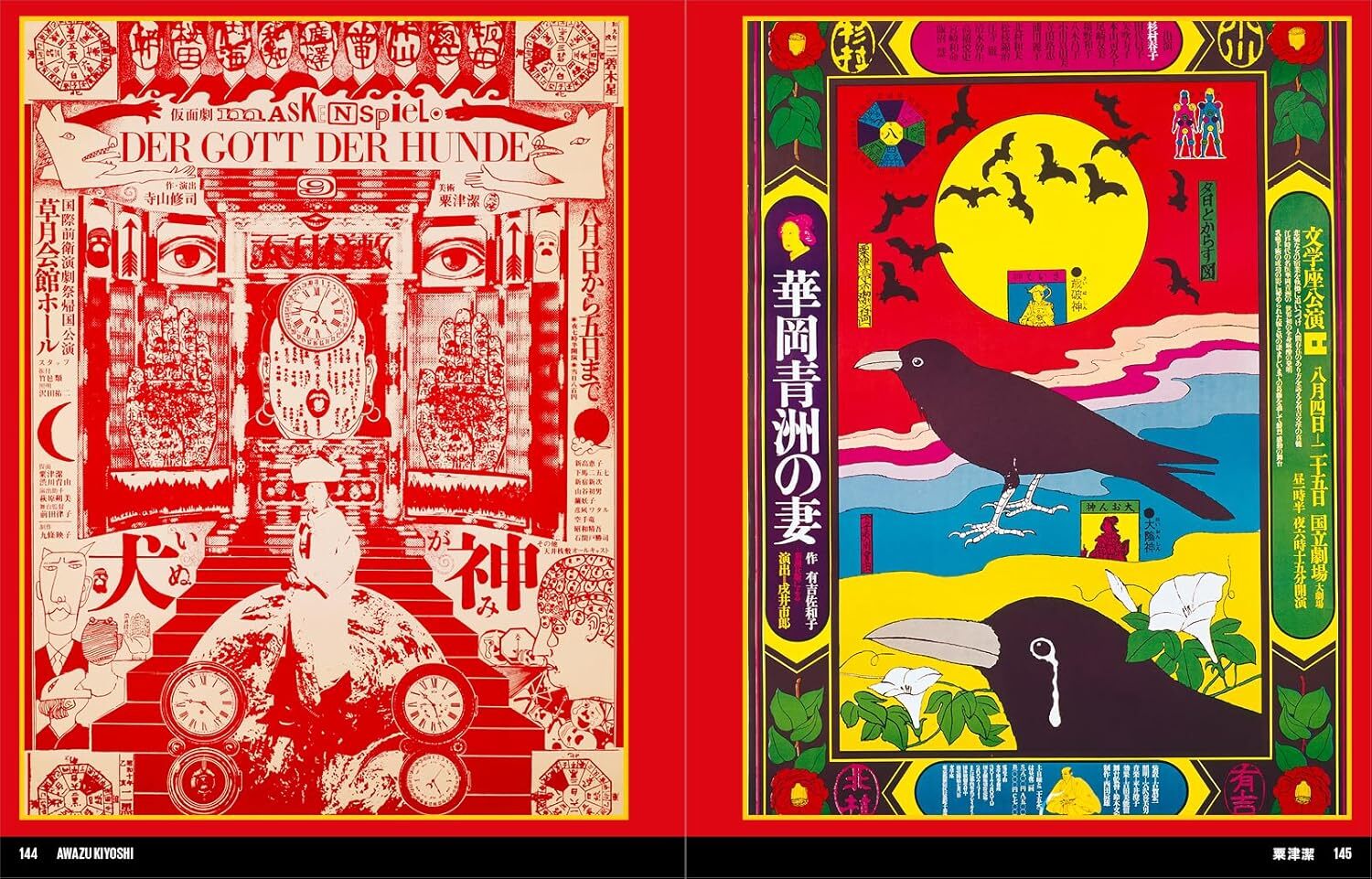
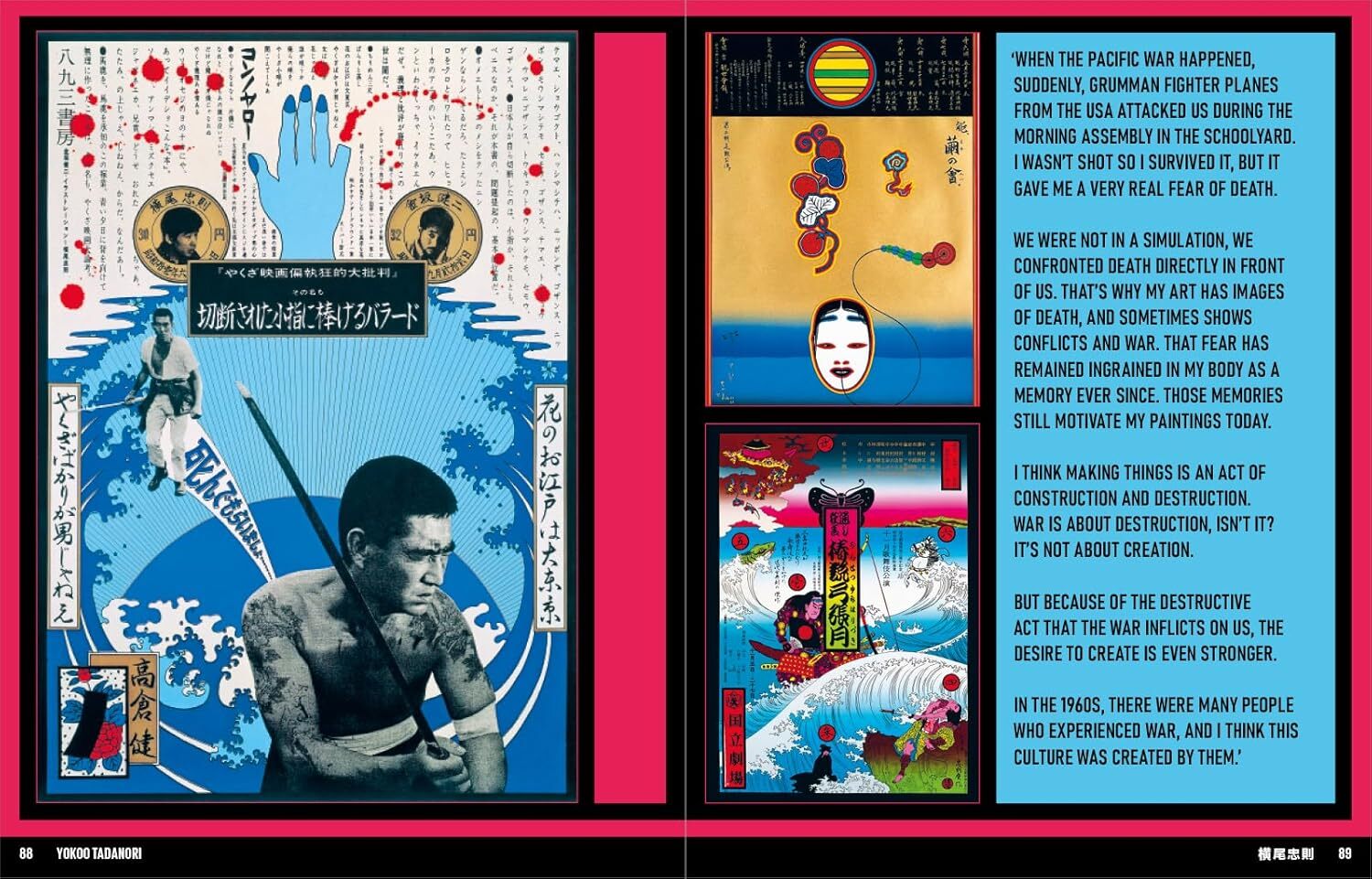
Graphic design and visual culture also demonstrated unprecedented freedom during this period. Collage, erotic symbolism, and political undertones intertwined to form a visual vocabulary that was at once provocative and poetic. Boundaries between different media dissolved, giving rise to new forms of creation through ongoing intersections. This interdisciplinary practice transformed art from a singular object into an experience, a continuously evolving state.
Japan Art Revolution brings together a wealth of images and archival materials, presenting the diverse and complex voices of this historical moment. The interviews and essays included in the book not only document the works themselves, but also reveal how artists navigated the pressures of their time in search of their own positions and creative directions. In this way, the book transcends the function of a conventional image collection, becoming an essential entry point for understanding the avant-garde spirit.
This artistic revolution from Japan is not a singular event, but an ongoing cultural force. It reminds us that true avant-garde practice lies not only in formal innovation, but in the destabilization and reconfiguration of established ways of thinking. Within the contemporary context, such inquiries remain urgent, continuing to shape how we see, how we feel, and how we understand the possibilities of art.
【Details】
Author: Amélie Ravalec Publisher: Thames and Hudson Ltd Year: 2025 Size: 26 × 21 cm Binding: Hardcover Pages: 144 pages