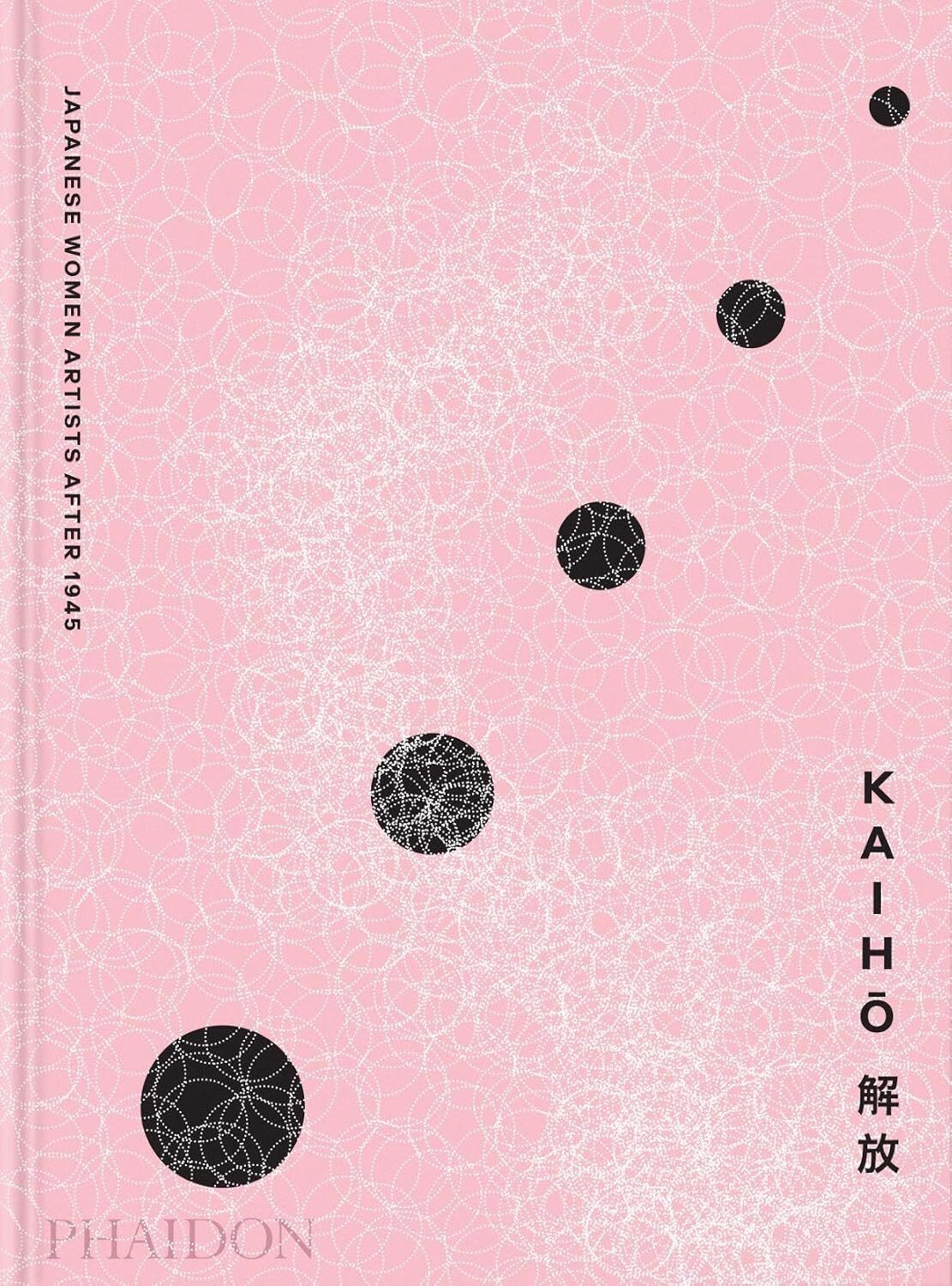
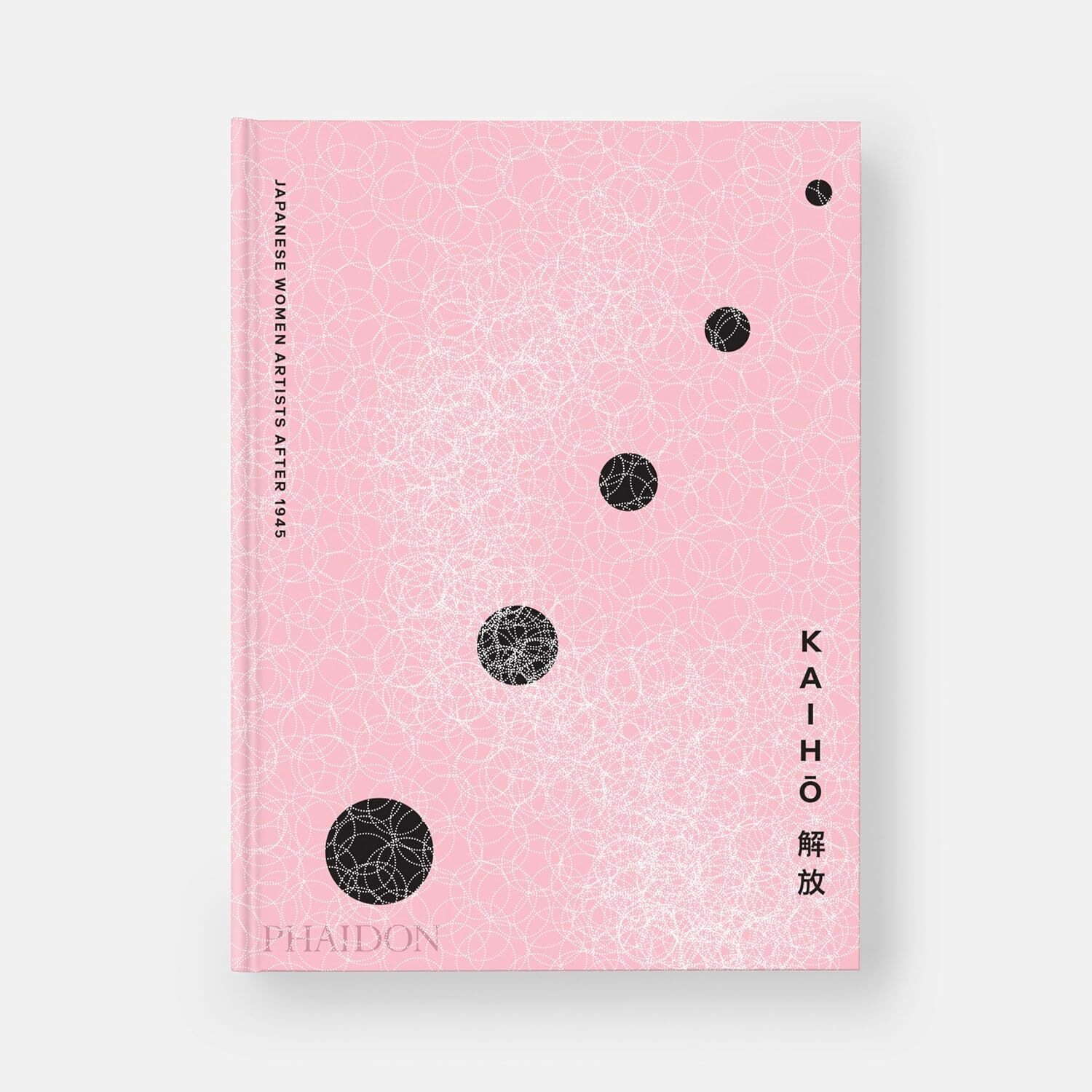
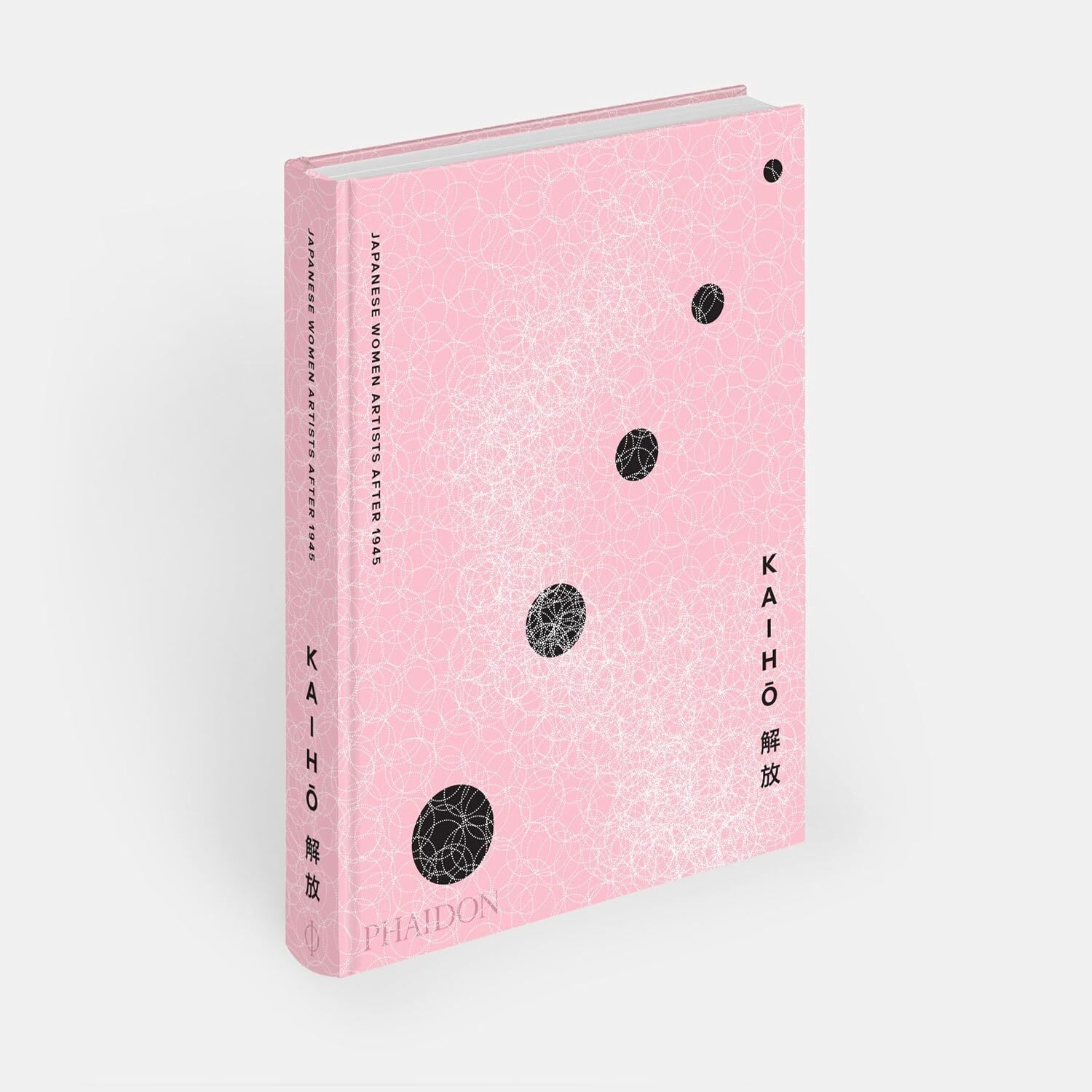
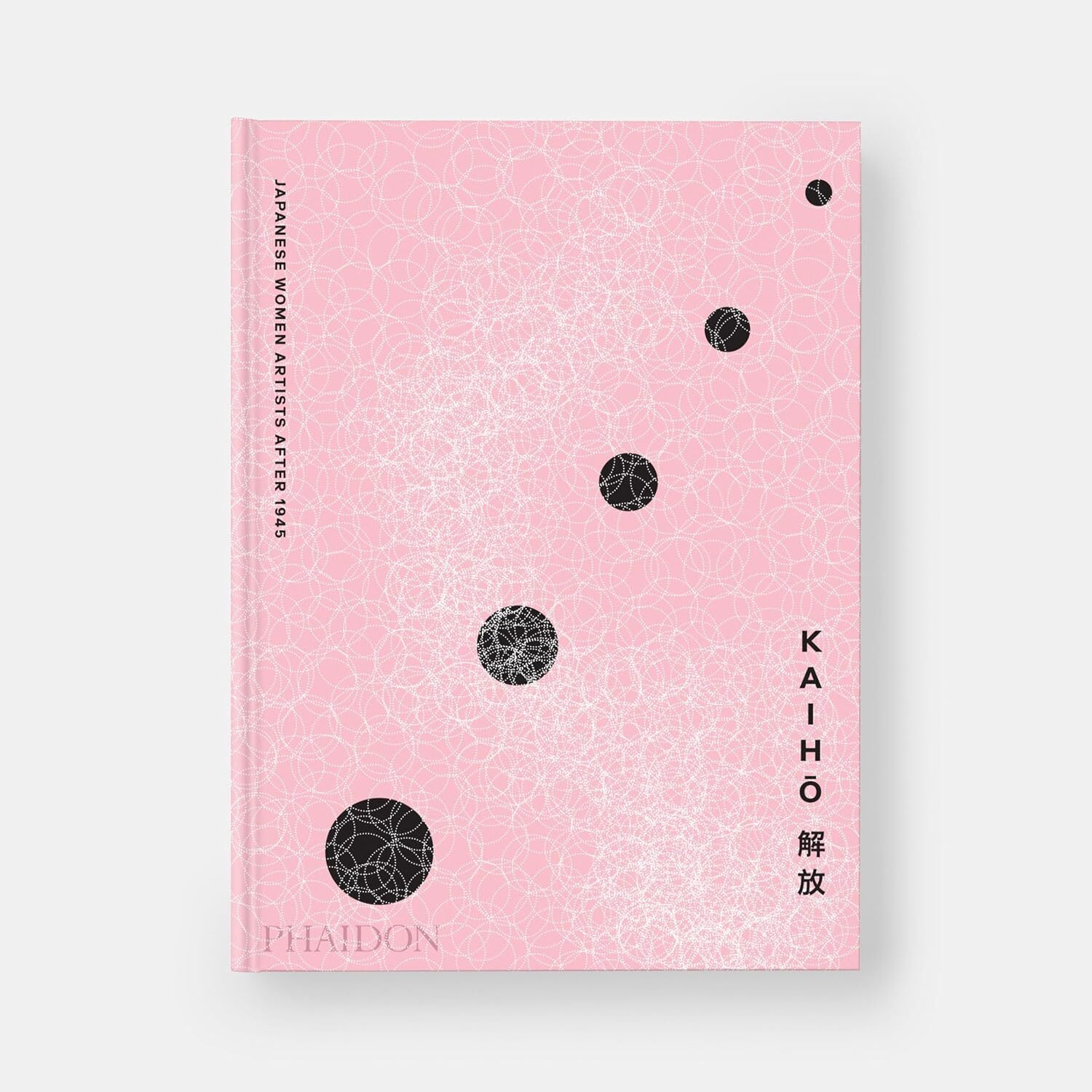
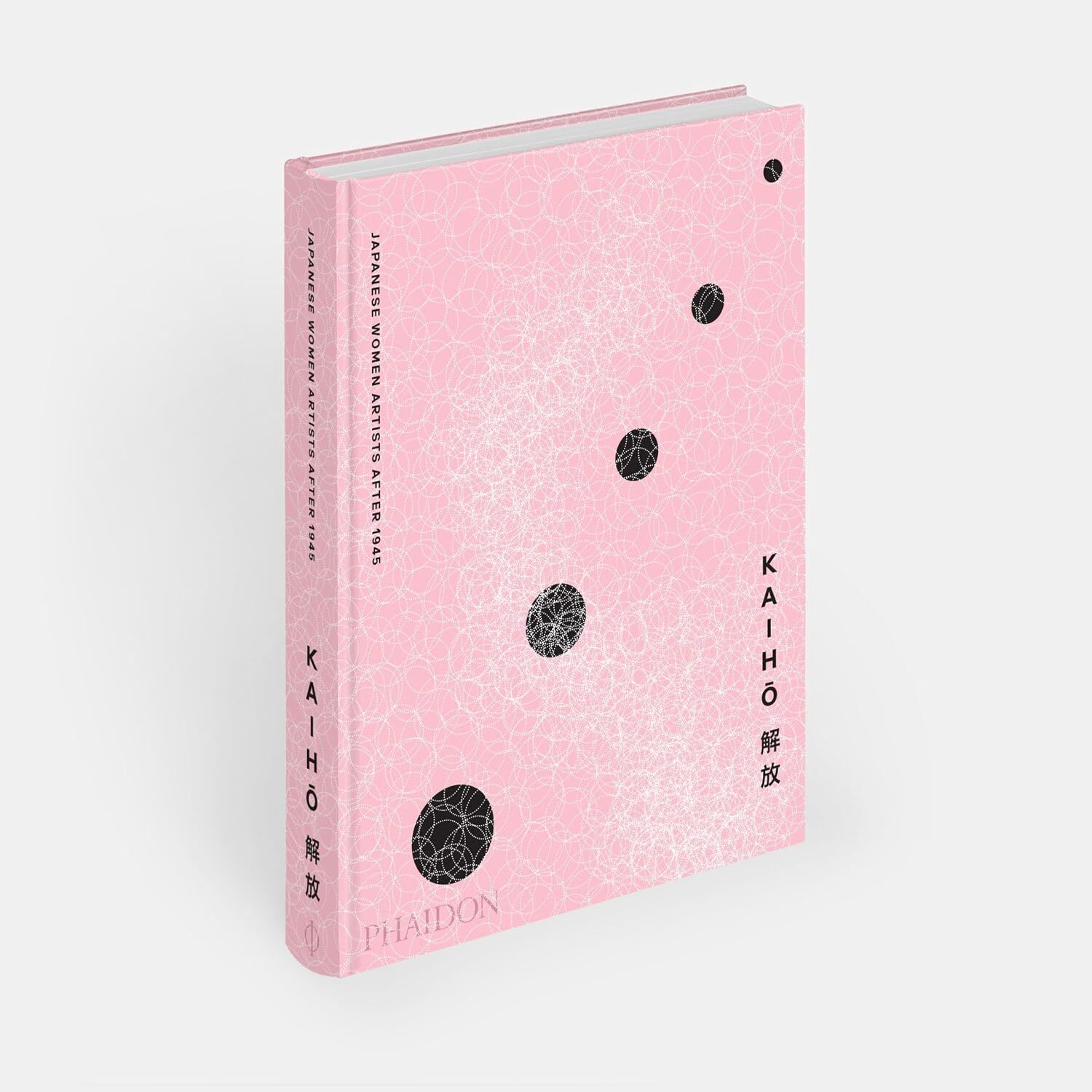
【BOOK INTRODUCTION】
In the global art history of the second half of the twentieth century, Japanese women artists played a remarkably pioneering role. Yet their influence has long failed to receive the recognition it deserves. Beginning with postwar Japan and extending into transnational artistic networks across Europe, Latin America, and North America, Kaiho re-examines how Japanese women artists challenged cultural, gender, and geographical boundaries while actively shaping the development of global modern and contemporary art.
The title Kaiho is derived from the Japanese word for “liberation,” symbolizing the act of breaking free from established frameworks and restrictions. The book features 39 women artists from Japan and Japanese communities around the world, including Ruth Asawa, Yayoi Kusama, Tomie Ohtake, Atsuko Tanaka, and Yoko Ono. Through extensive research and rich visual material, it highlights their innovative contributions to postwar art movements and contemporary artistic practice.
Covering a wide range of media—including sculpture, painting, installation, photography, ceramics, film, and performance—the book explores how these artists used experimental forms of expression to respond to memories of war, bodily experience, social structures, migration, identity, and changing historical conditions. While some of the featured artists are now internationally celebrated, others have received far less attention within mainstream art history. By bringing these lesser-known figures back into view, the book restores important chapters that have long been absent from conventional narratives of modernism.
A series of insightful essays further examines subjects such as feminism, art education, Fluxus, Gutai, the relationship between fashion and artistic production, Japanese women artists working in 1960s New York, environmental consciousness, and cross-cultural exchange. Together, these discussions reveal the complex and dynamic creative networks connecting the artists, demonstrating that they were not peripheral figures in art history, but essential forces behind the transformation of global postwar art.
Featuring more than 300 images of artworks and archival materials, the book combines striking visual design with detailed historical context to present the artists’ works, creative practices, and cultural backgrounds. Kaiho is both an important study of Japanese women artists and a vital contribution to the rewriting of global art history. It is an essential volume for readers interested in contemporary art, feminism, transnational culture, and Japanese visual culture.
【DETAILS】
Editor: Florence Ostende
Contributors: Yurika Imaseki, Anaël Daoud
Publisher: Phaidon Press
Publication Year: 2026
Dimensions: 29 × 21 cm
Binding: Hardcover
Pages: 320