{{ 'fb_in_app_browser_popup.desc' | translate }} {{ 'fb_in_app_browser_popup.copy_link' | translate }}
{{ 'in_app_browser_popup.desc' | translate }}
{{ childProduct.title_translations | translateModel }}
{{ getChildVariationShorthand(childProduct.child_variation) }}
{{ getSelectedItemDetail(selectedChildProduct, item).childProductName }} x {{ selectedChildProduct.quantity || 1 }}
{{ getSelectedItemDetail(selectedChildProduct, item).childVariationName }}
Bilingual ( Japanese / English ) | Softcover | 2024 | 116 pages | 29×22 cm
Publisher TOTO
Author Kengo Kuma, Tokawa Saikaku
ISBN 9784887064126
Until 2026-01-31T16:00:00.000+00:00 Sungood Gift Festival|Enjoy an instant NT$222 discount with any single purchase over NT$2,222. on order
Free Shipping on order
Not enough stock.
Your item was not added to your cart.
Not enough stock.
Please adjust your quantity.
{{'products.quick_cart.out_of_number_hint'| translate}}
{{'product.preorder_limit.hint'| translate}}
Limit {{ product.max_order_quantity }} per order.
Only {{ quantityOfStock }} item(s) left.
【Book Description】
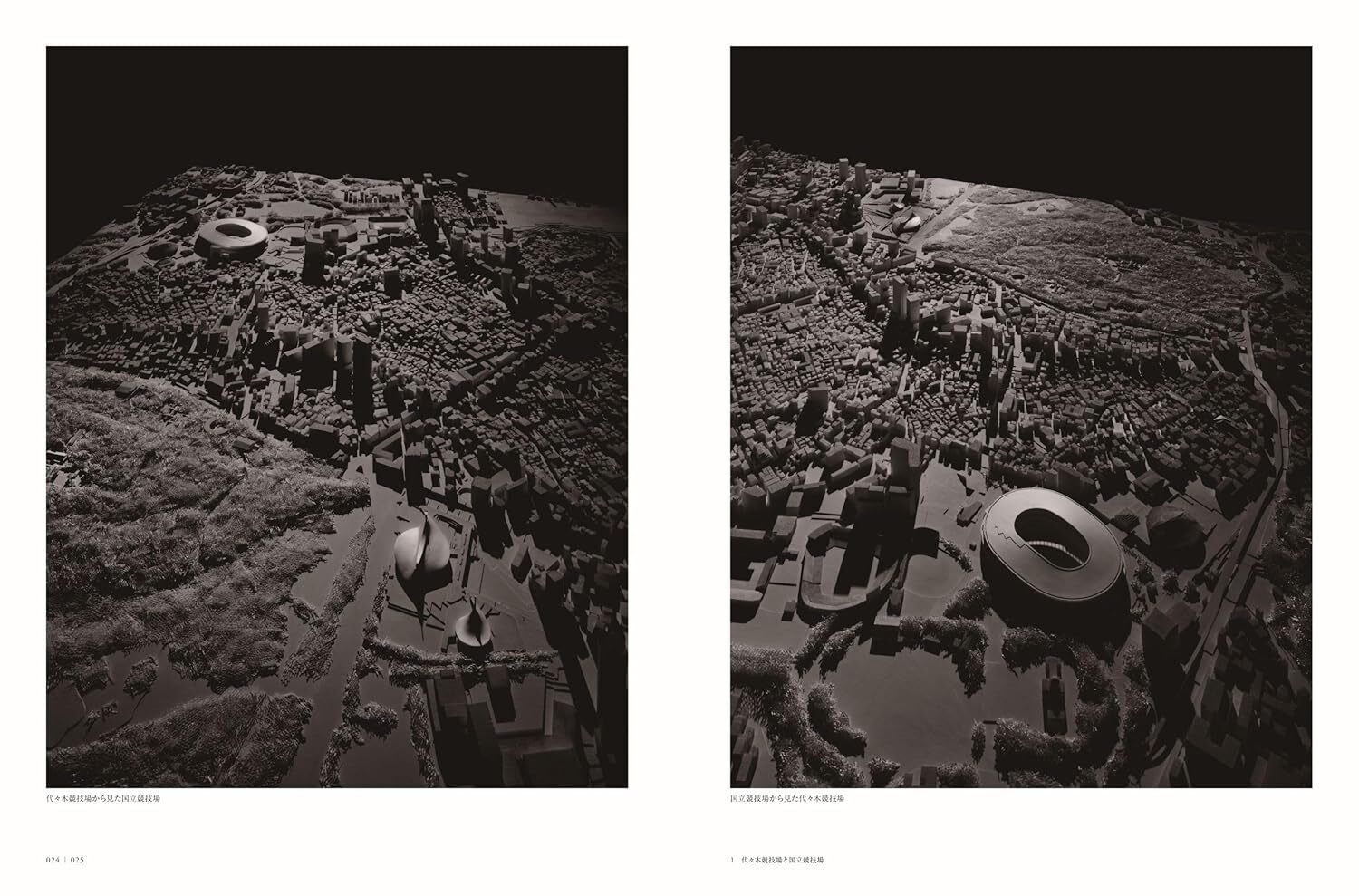
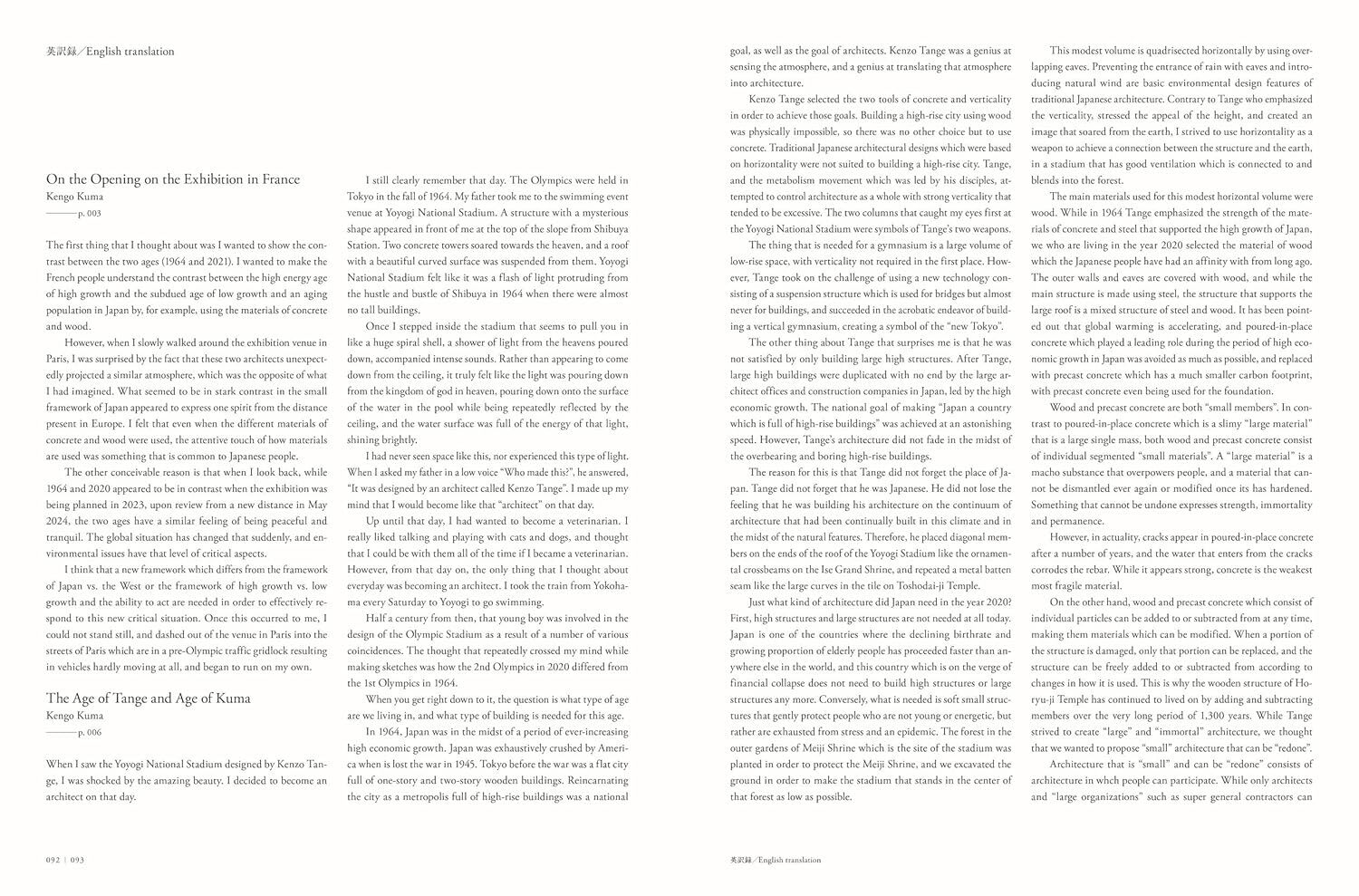
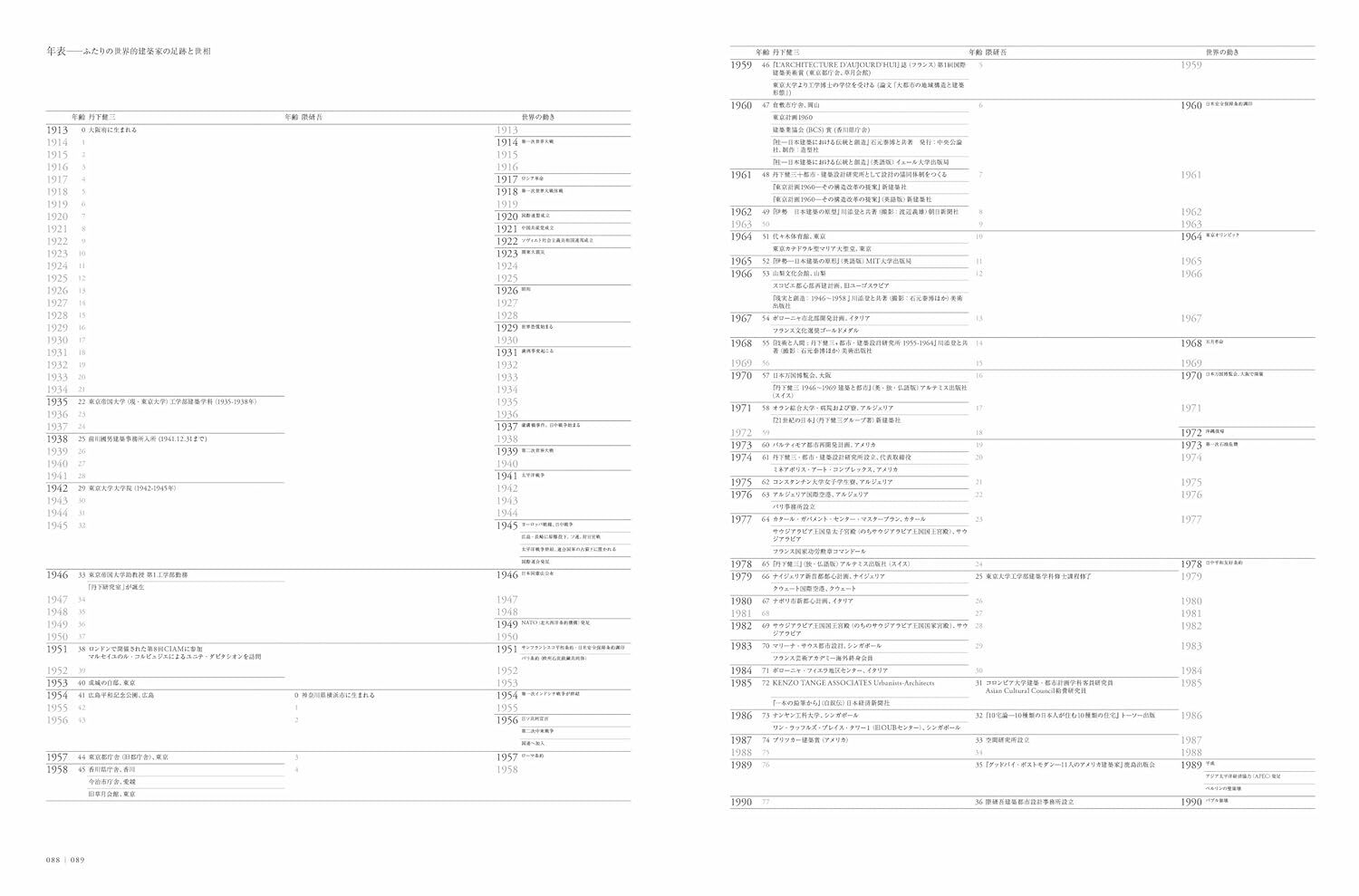
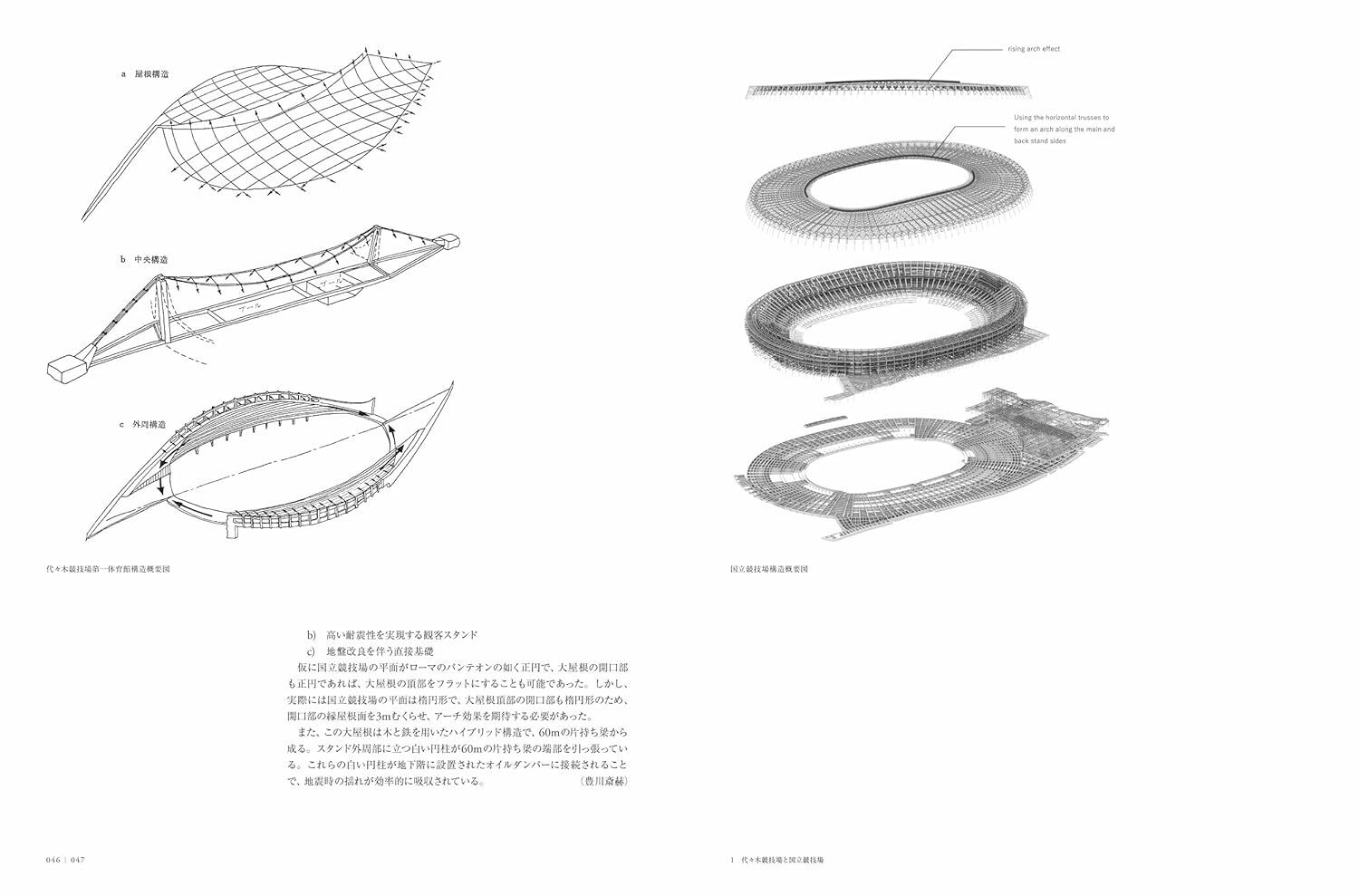
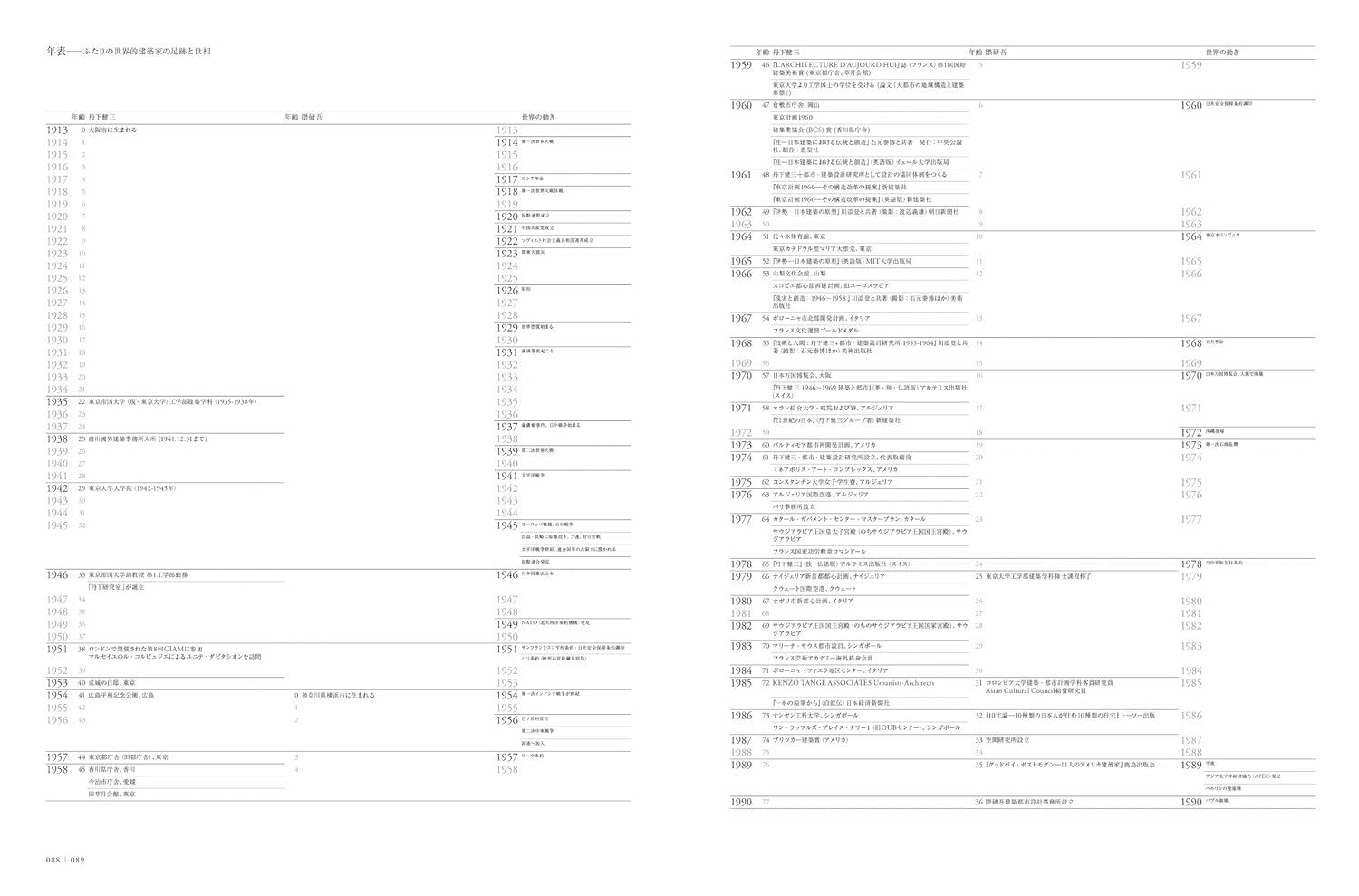
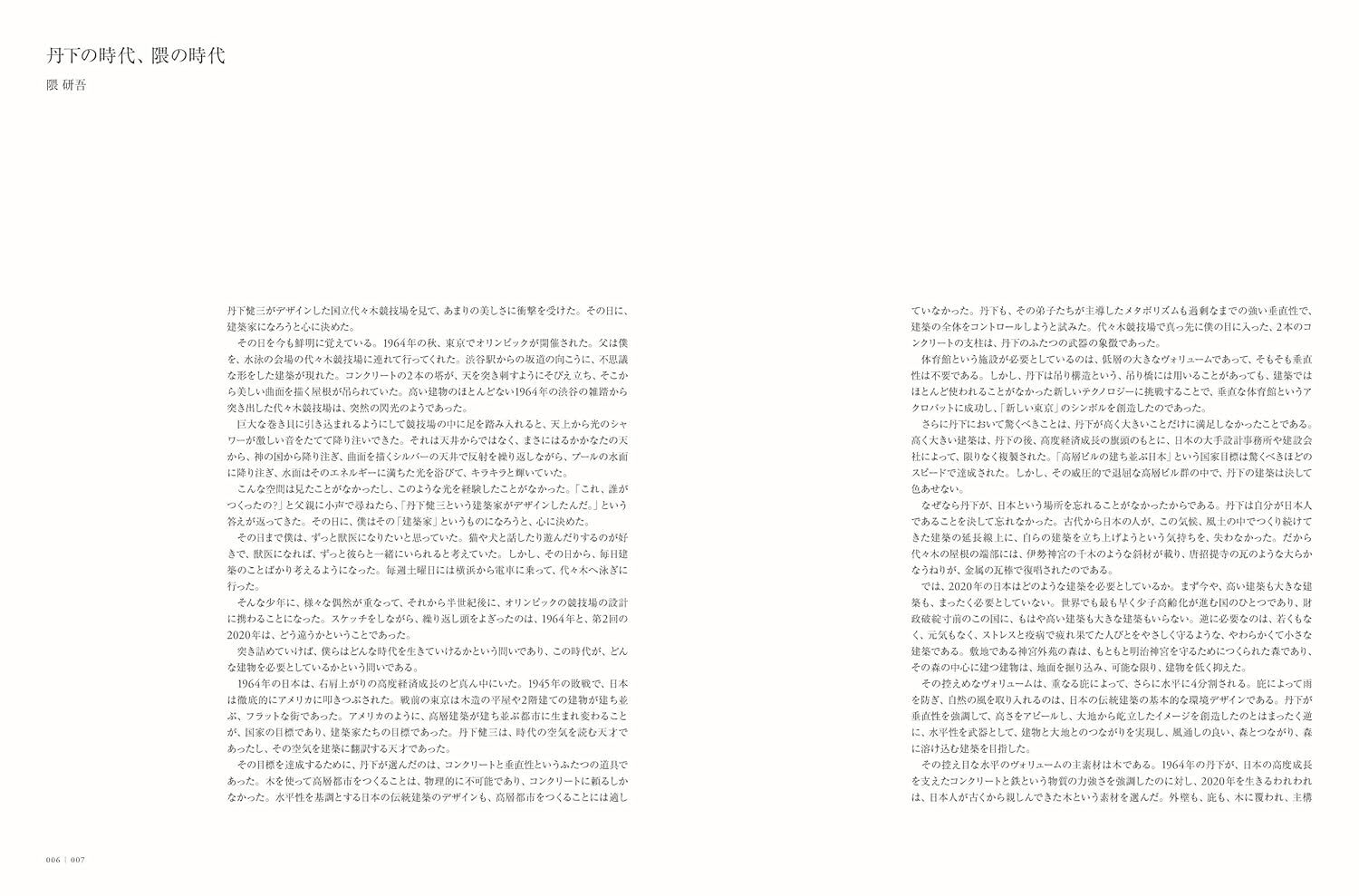
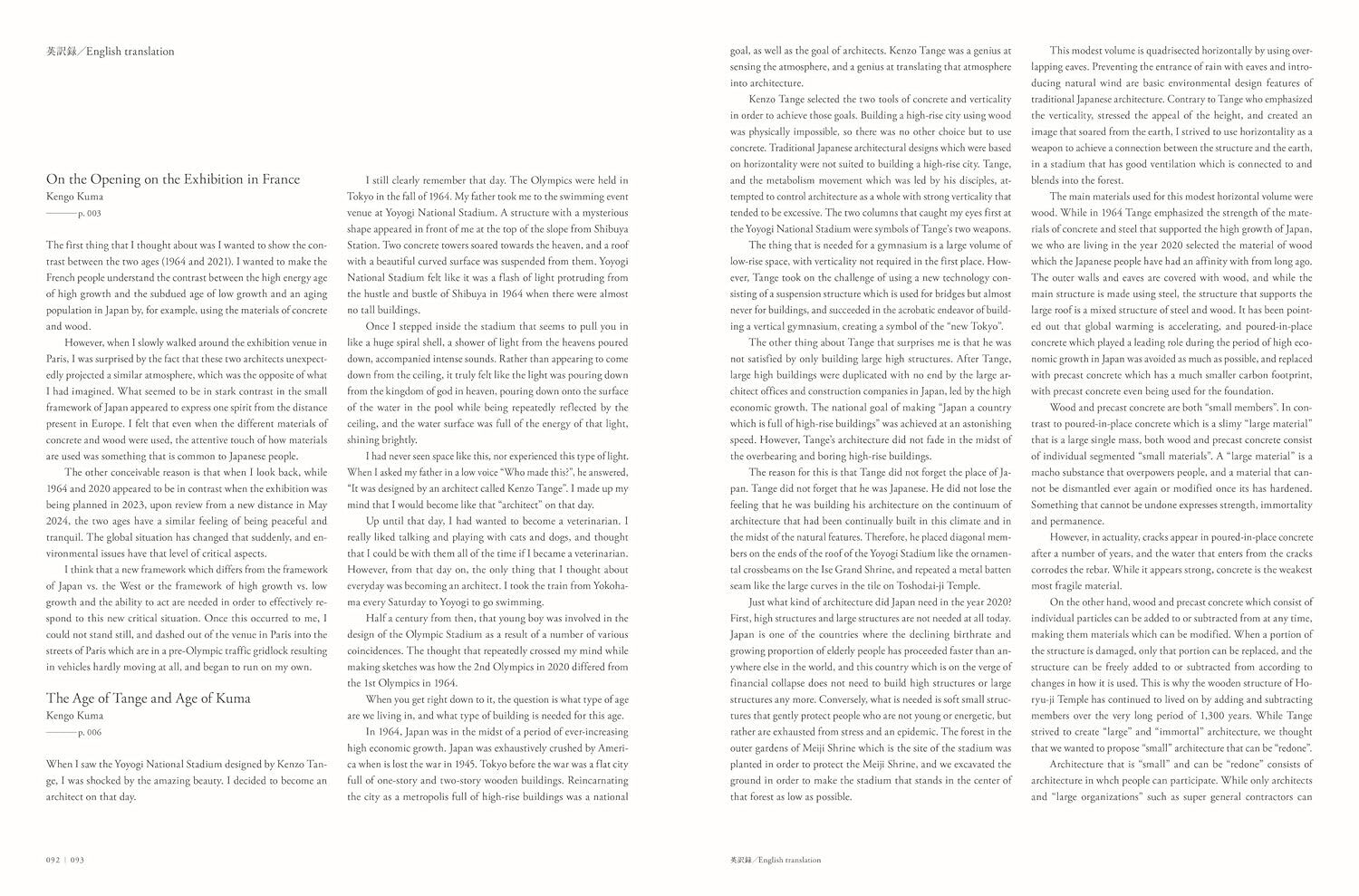
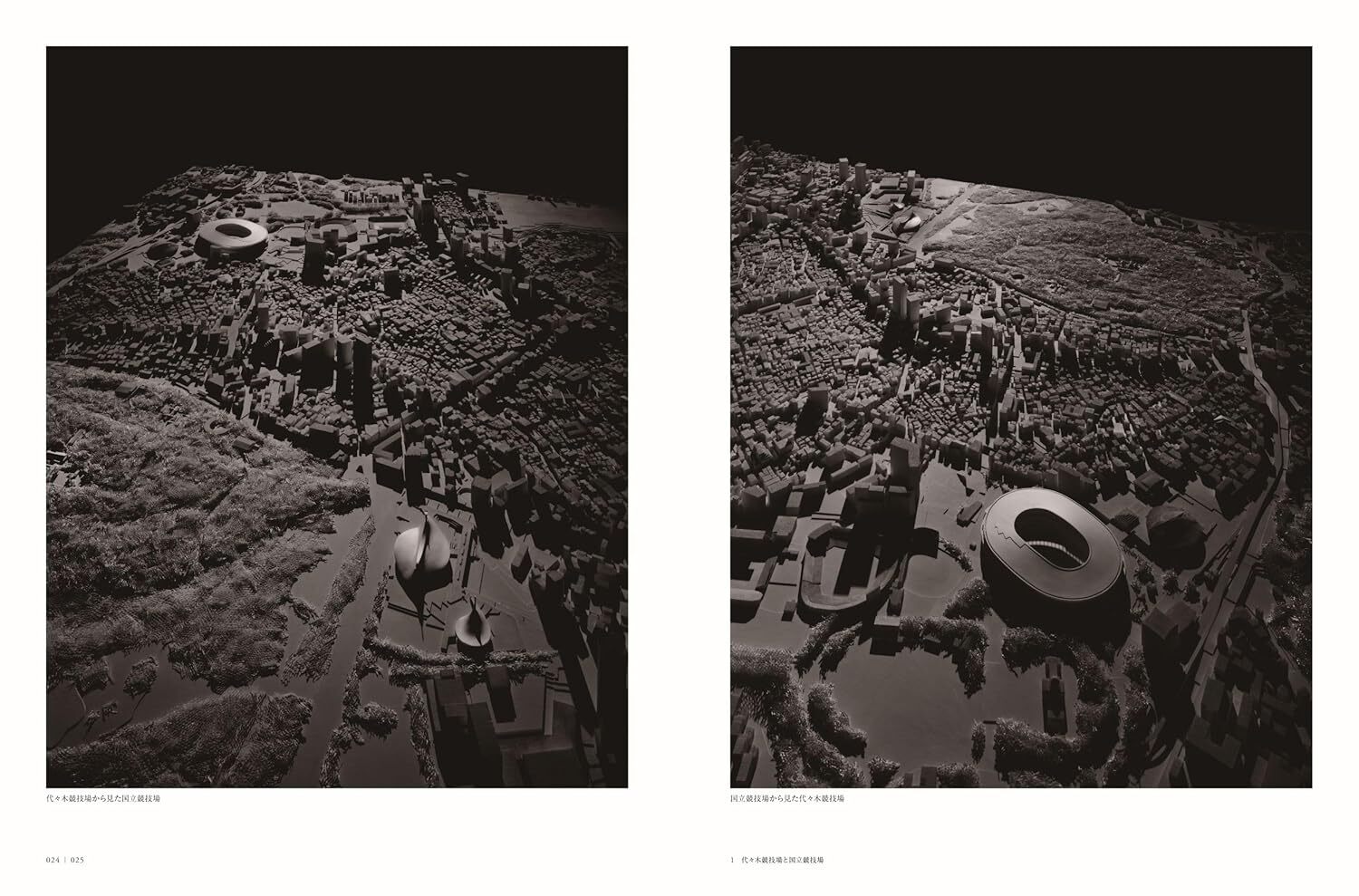
This book takes the 1964 and 2020 Tokyo Olympic Games as pivotal historical moments to examine and compare the architectural visions, practices, and urban imaginaries of Kenzo Tange and Kengo Kuma across two very different eras. Through this comparison, it traces how Tokyo has repeatedly used Olympic architecture to articulate national identity and address global attention. From the Yoyogi National Gymnasium, a powerful symbol of postwar reconstruction and modernist ambition, to the New National Stadium, which reflects contemporary concerns for sustainability, nature, and human scale, architecture is revealed as a mirror of shifting social values in Japan.
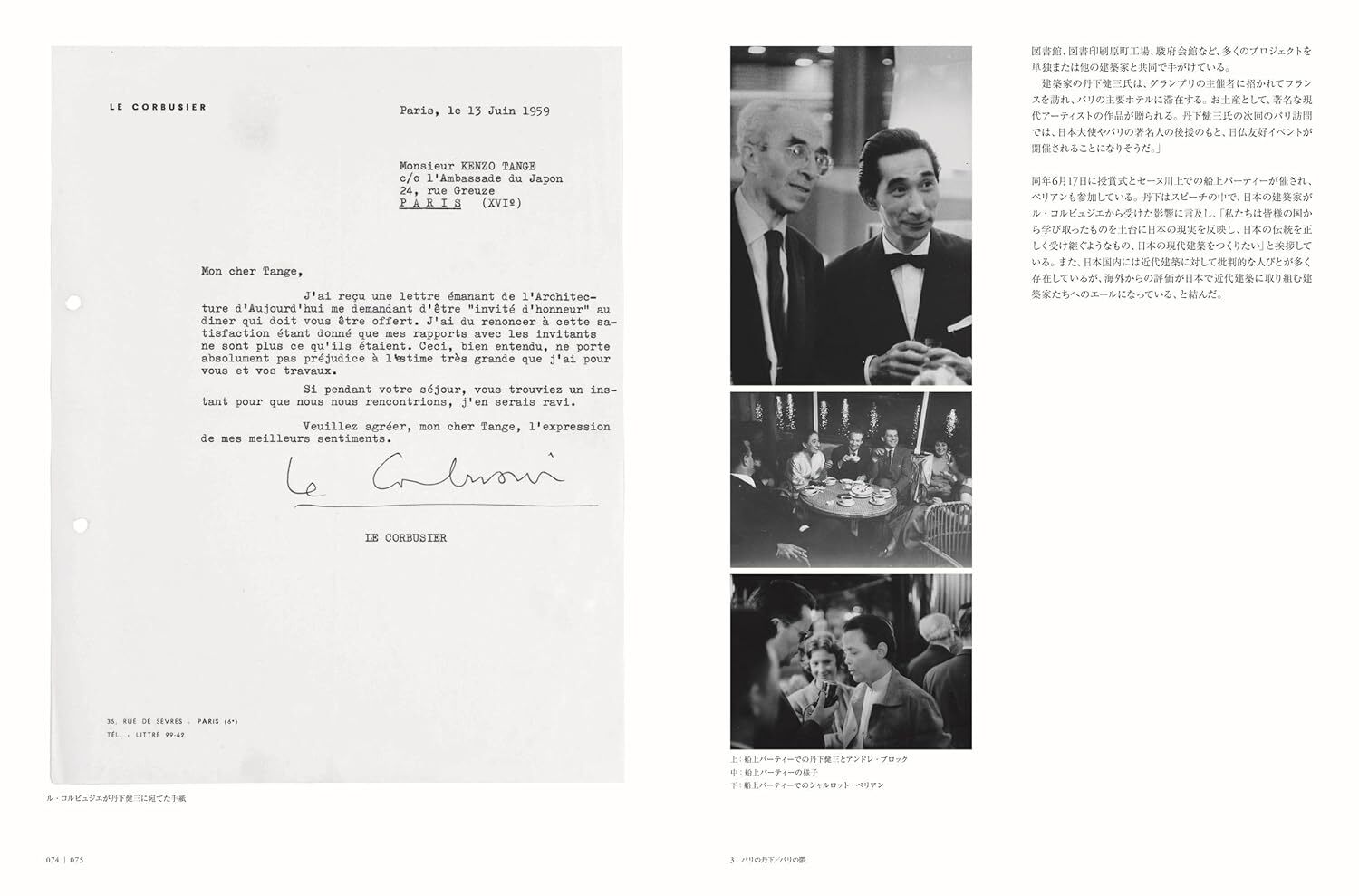
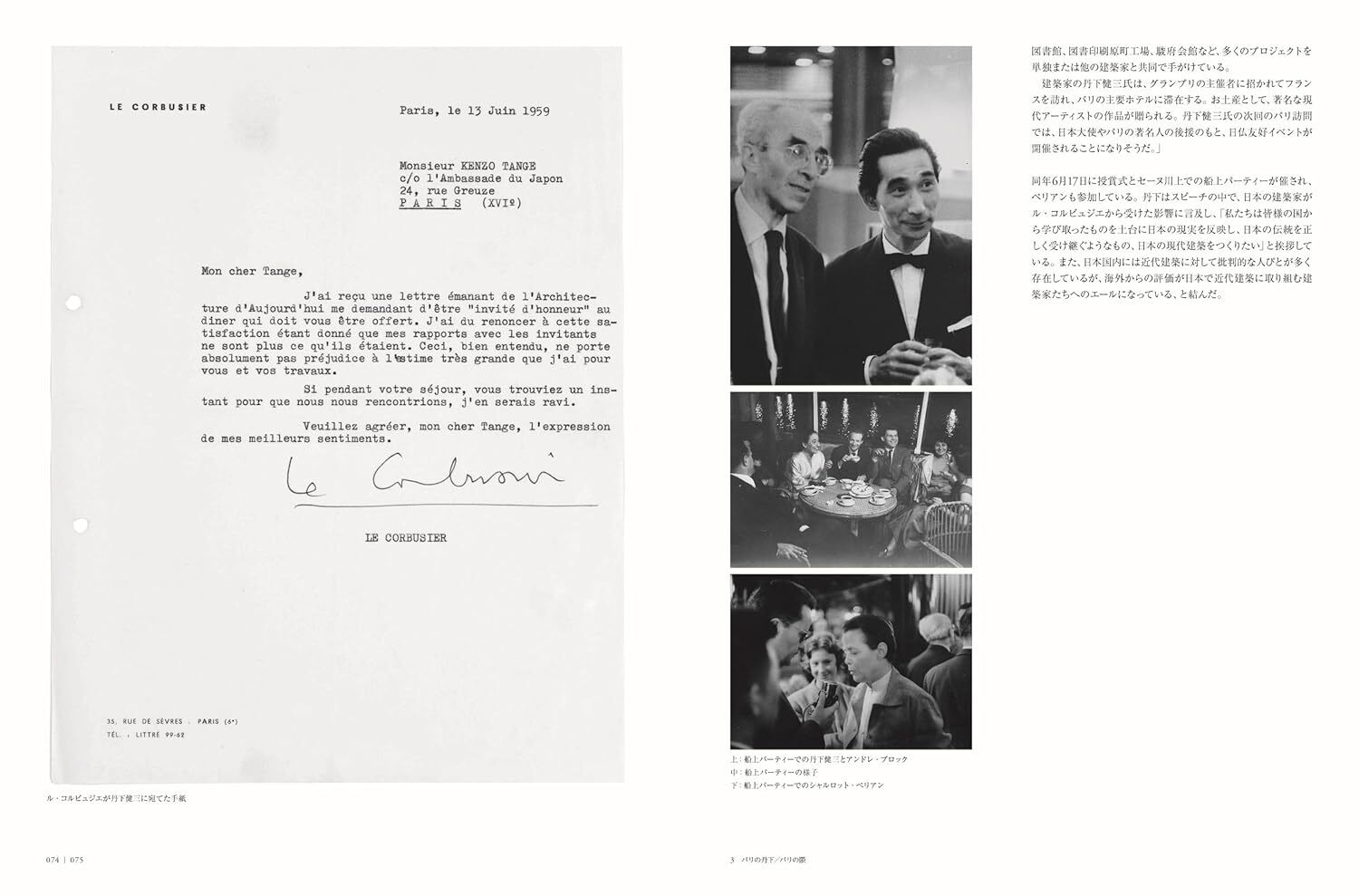
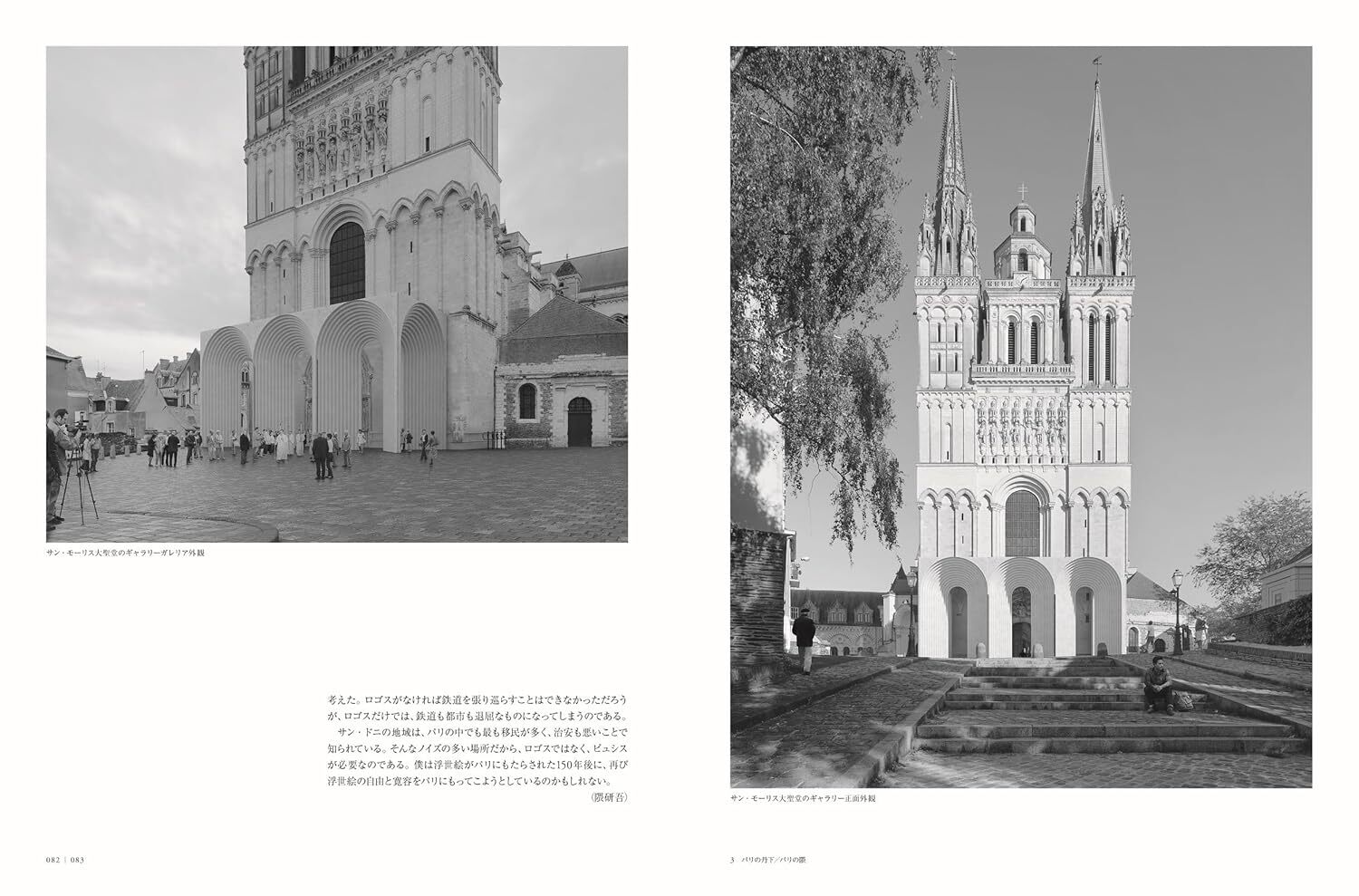
Combining insightful essays by Kengo Kuma and architectural historian Saikaku Toyokawa with photographs by Yasuhiro Ishimoto and Mikiko Takimoto, the book approaches its subject from architectural, historical, and cultural perspectives. It also explores the broader international context, including Japan’s ongoing dialogue with Paris, positioning Japanese architecture within a global cultural network.
More than a comparative study of two architects, this volume reflects on the Olympic Games as a cultural and political stage and on architecture as a medium that connects history, society, and place. It offers a compelling and visually rich resource for readers interested in architecture, urban culture, and modern history.