【BOOK DESCRIPTION】
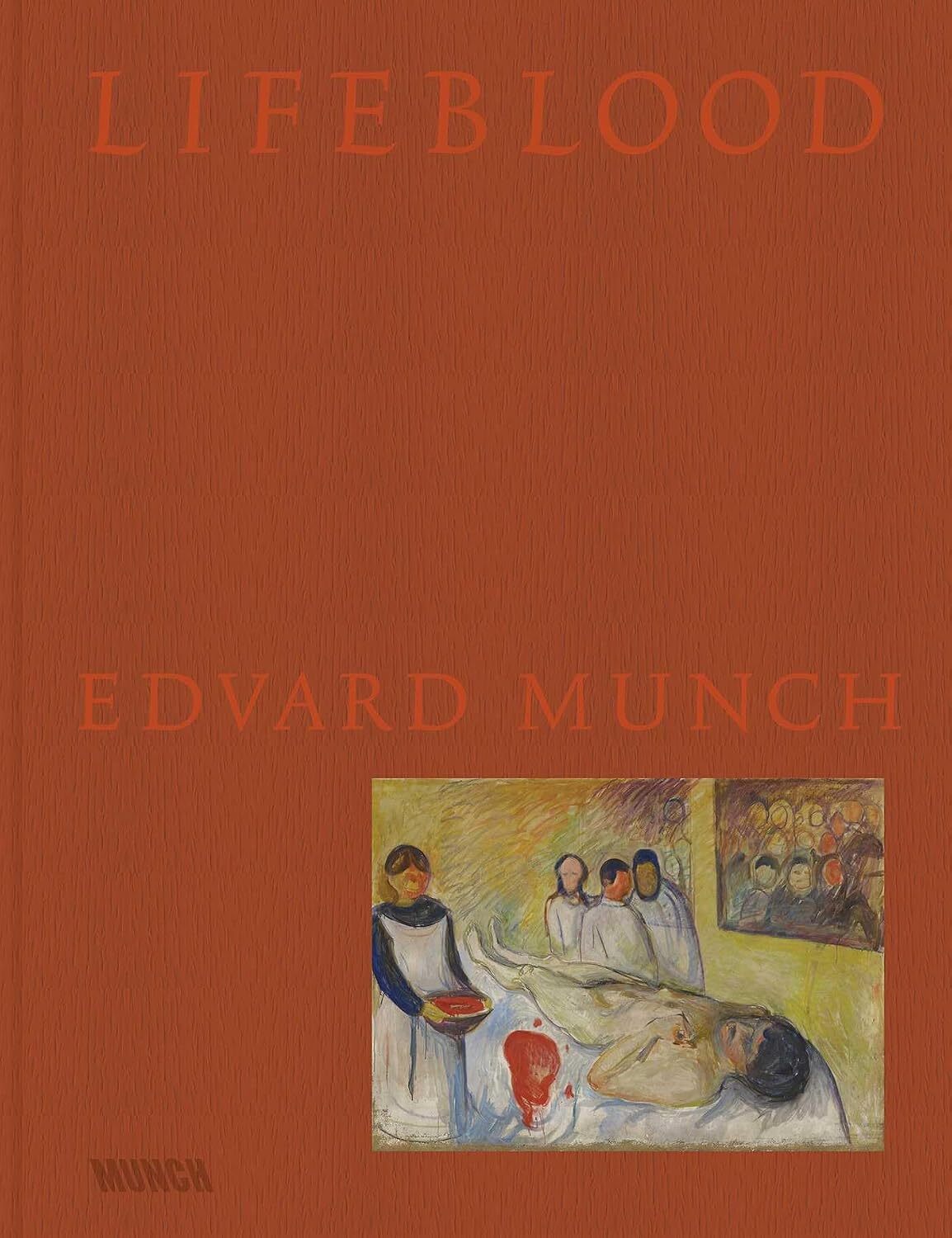
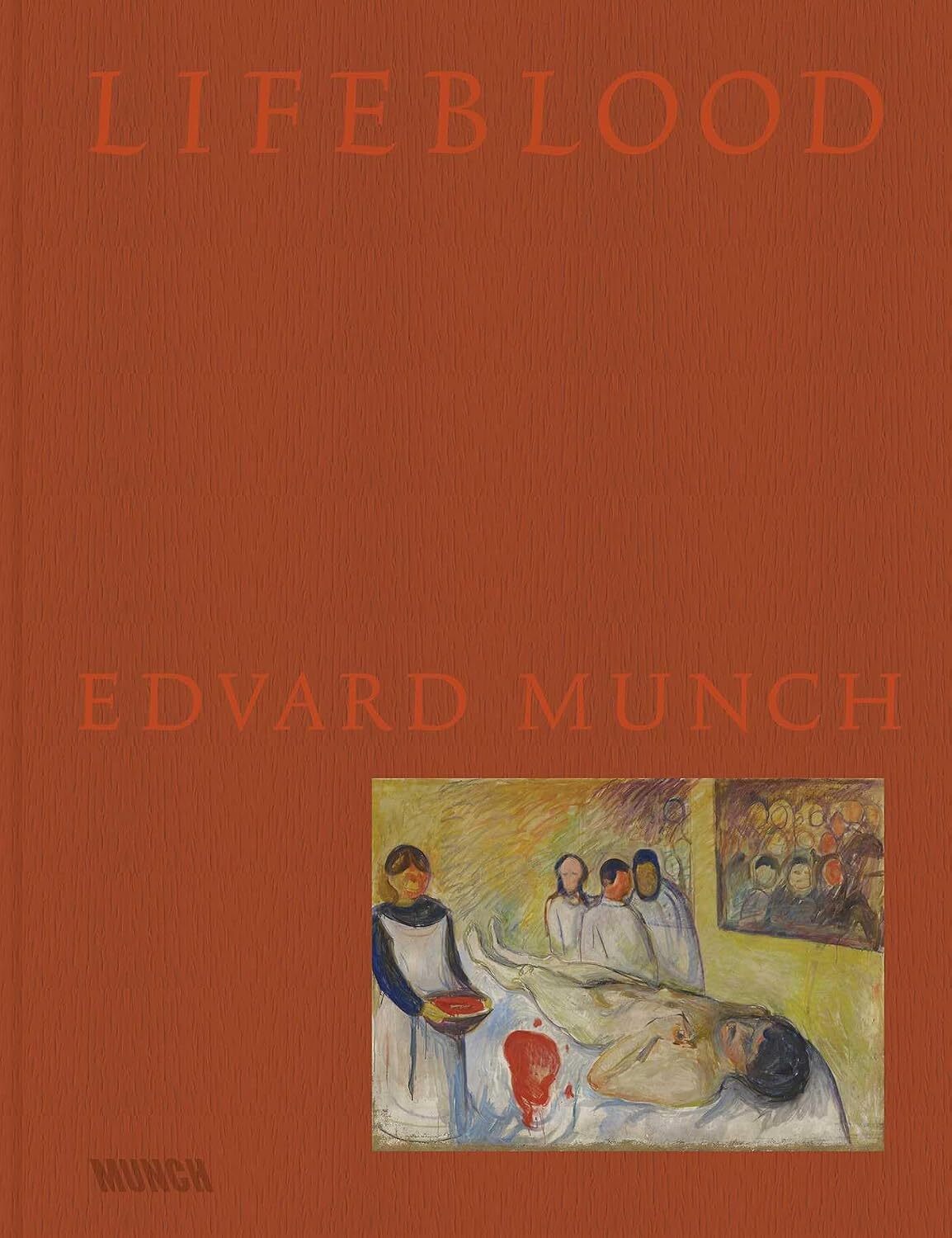
Illness, death, anxiety, and loneliness are recurring themes throughout the work of Edvard Munch. Yet these intensely personal emotions arose not only from the artist’s own life experiences, but were also closely connected to the emerging understanding of the body, disease, and medicine during his time. Lifeblood – Edvard Munch re-examines Munch’s art through the development of modern medicine, inviting readers into the complex world where art, the body, and care intersect.
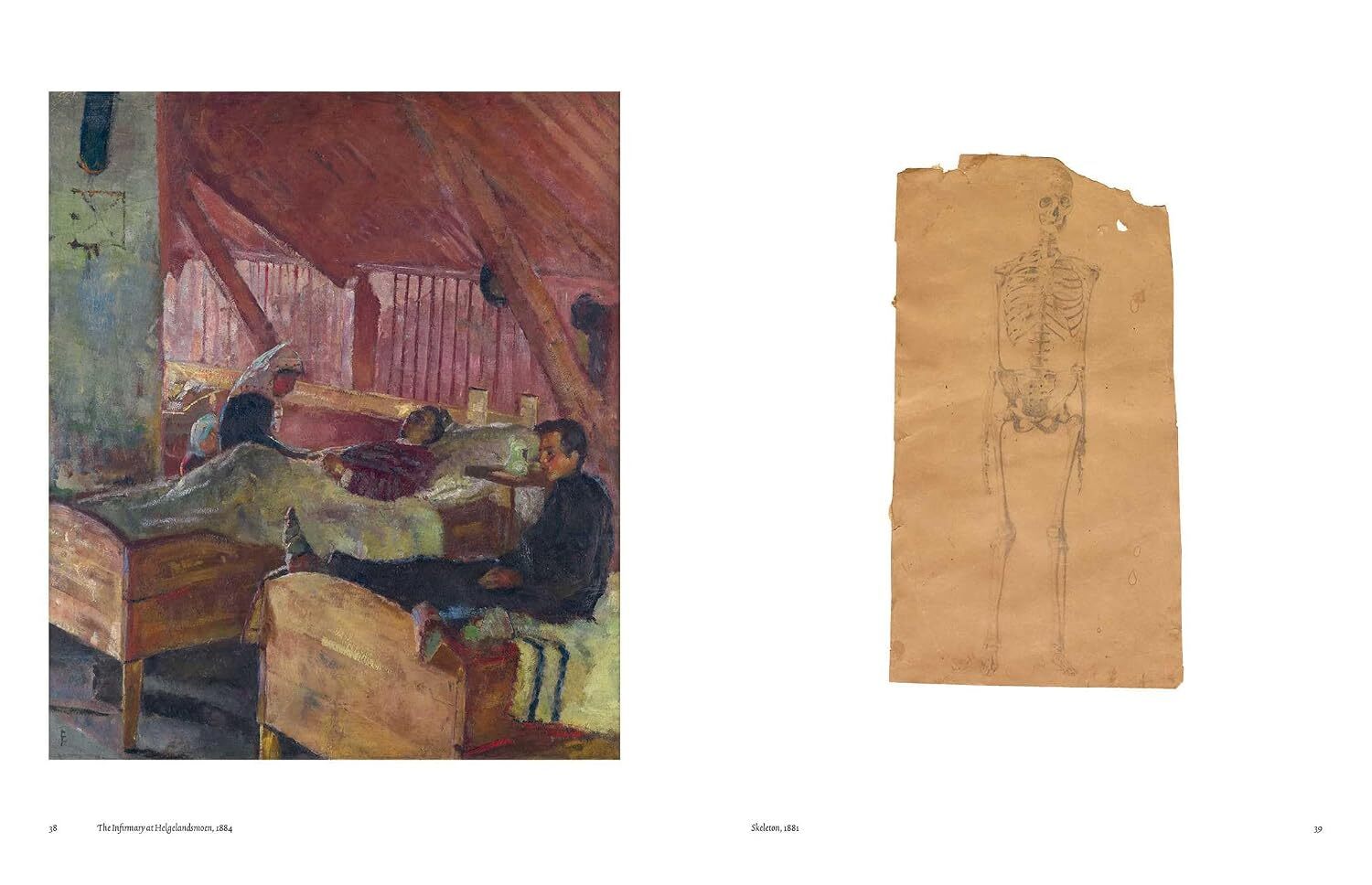
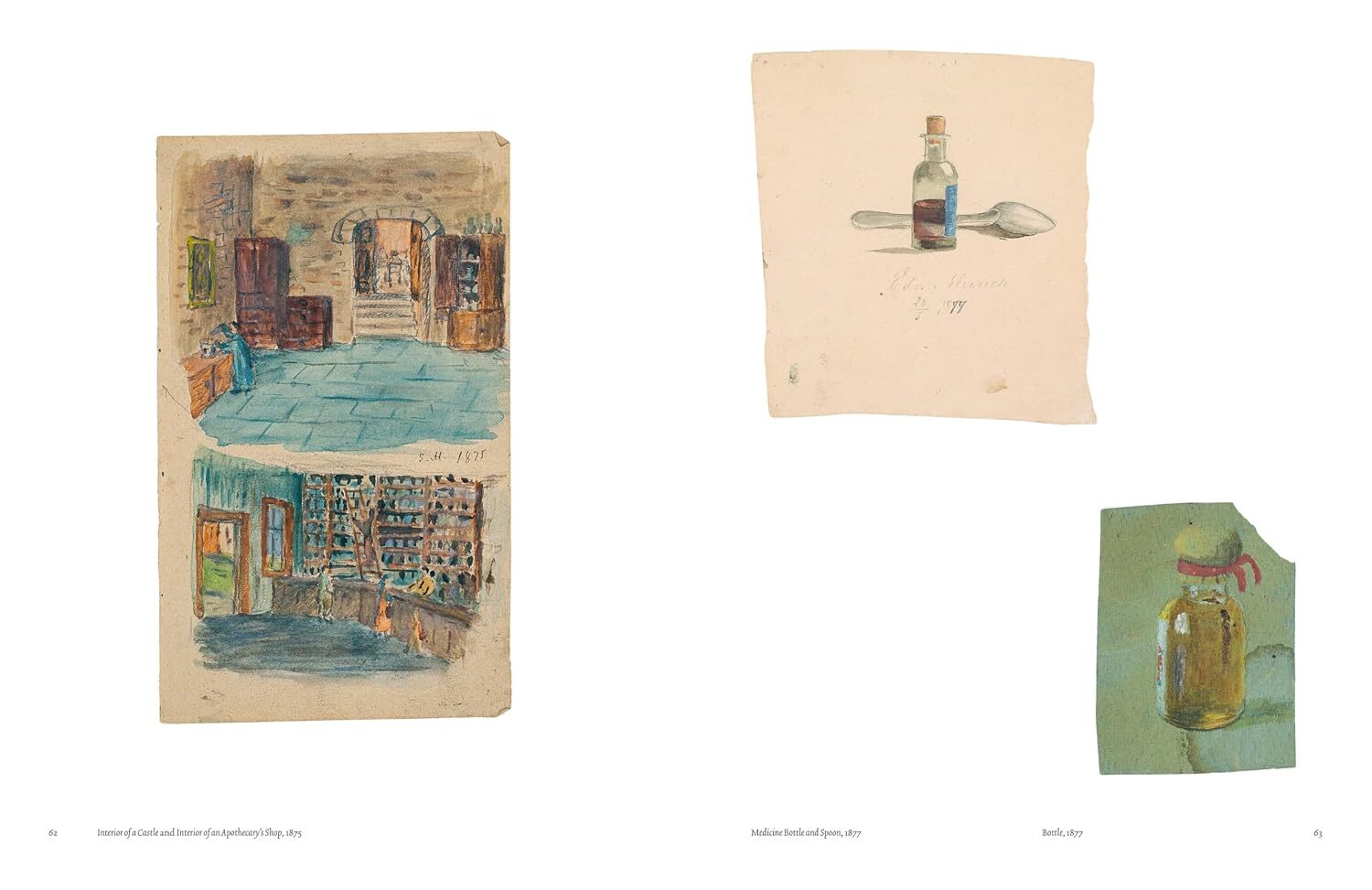
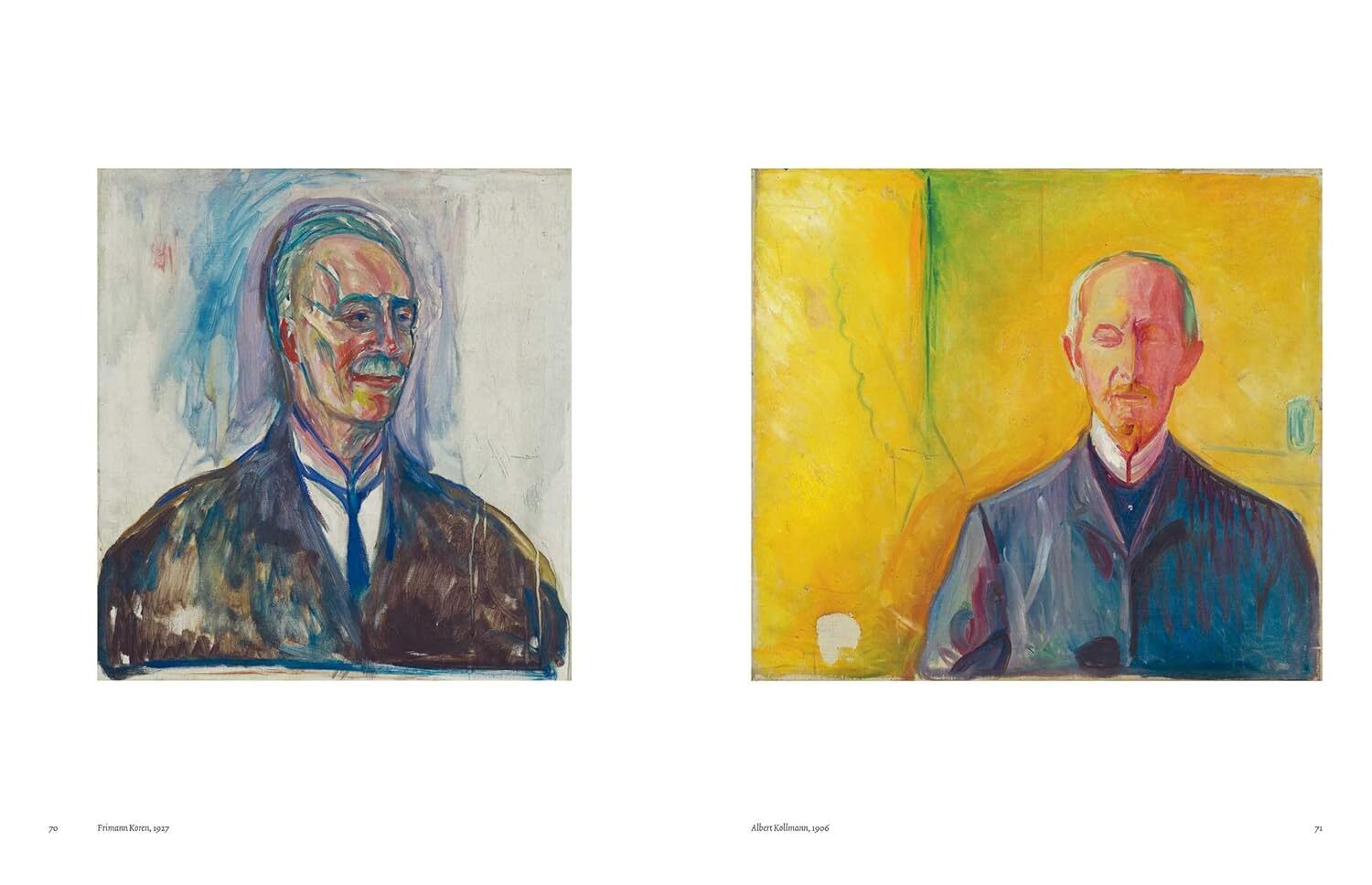
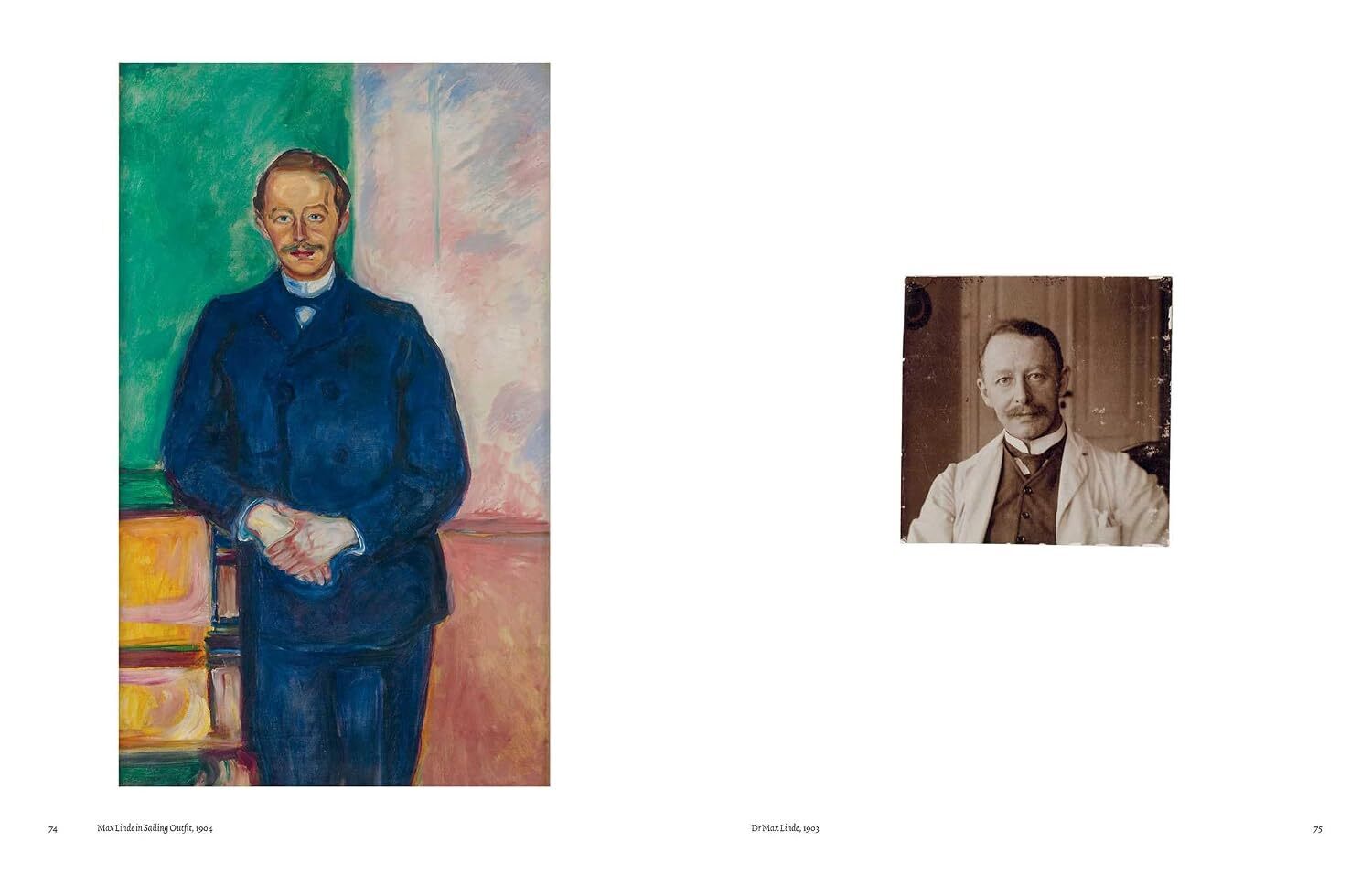
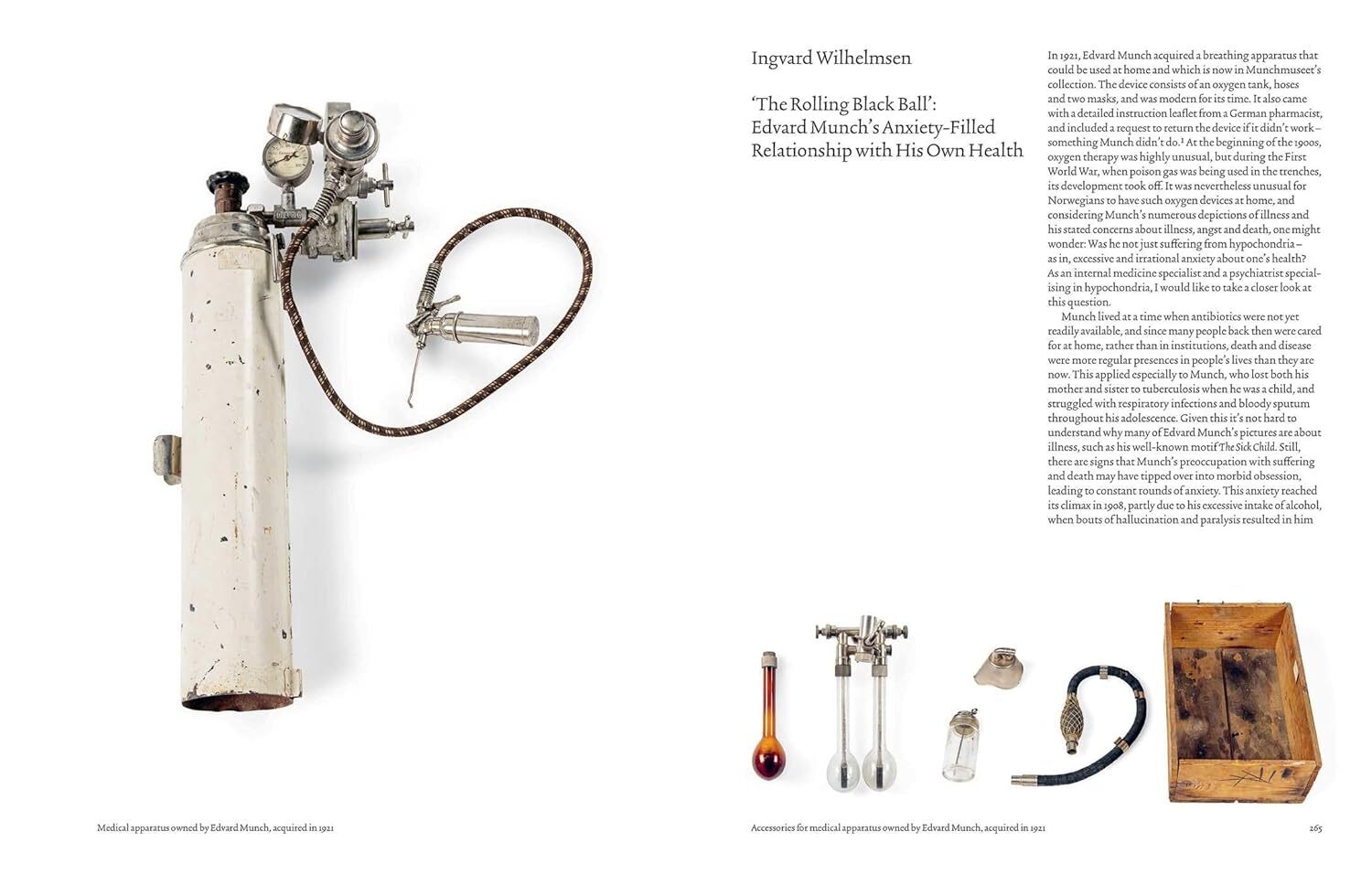
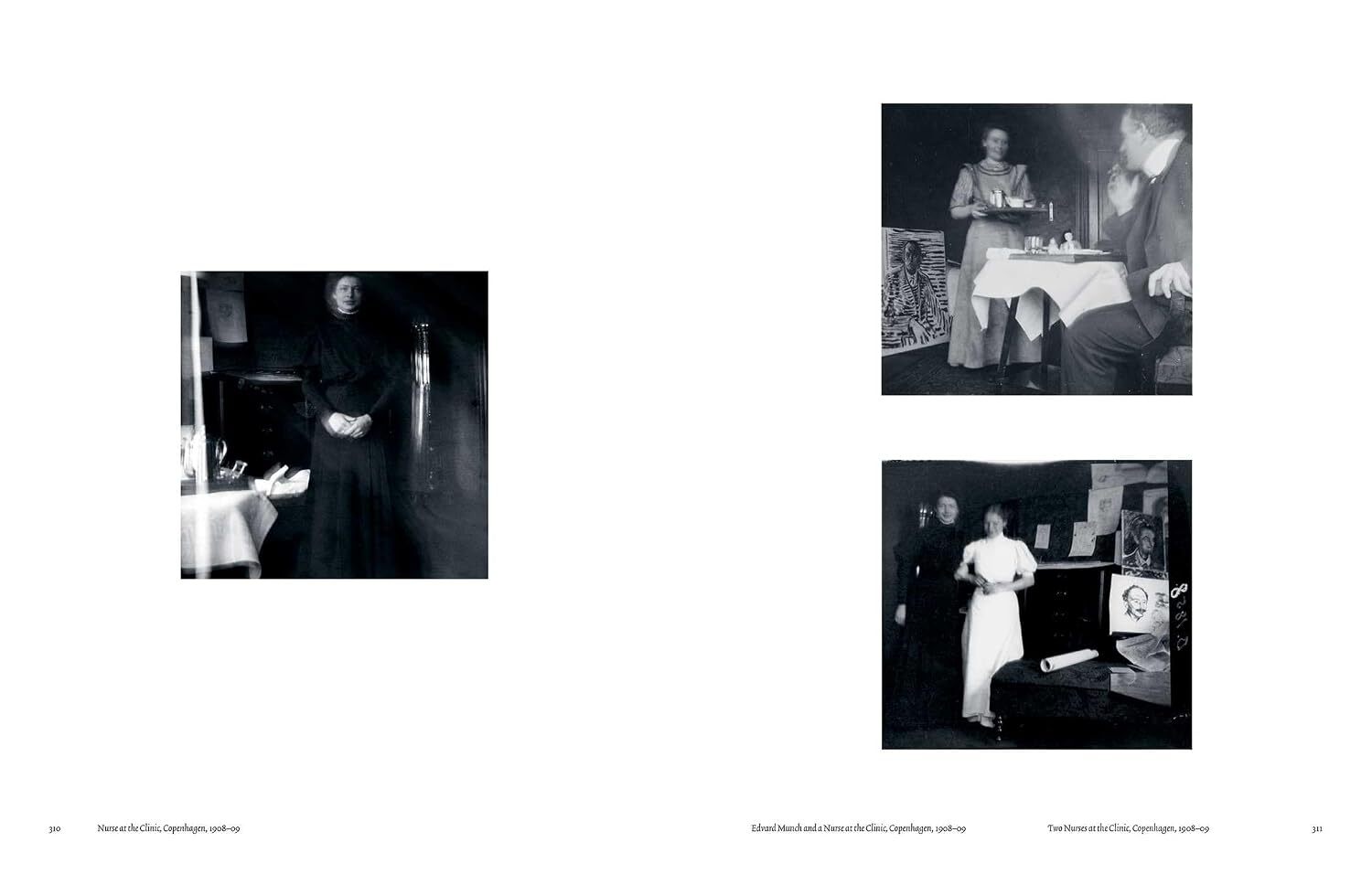
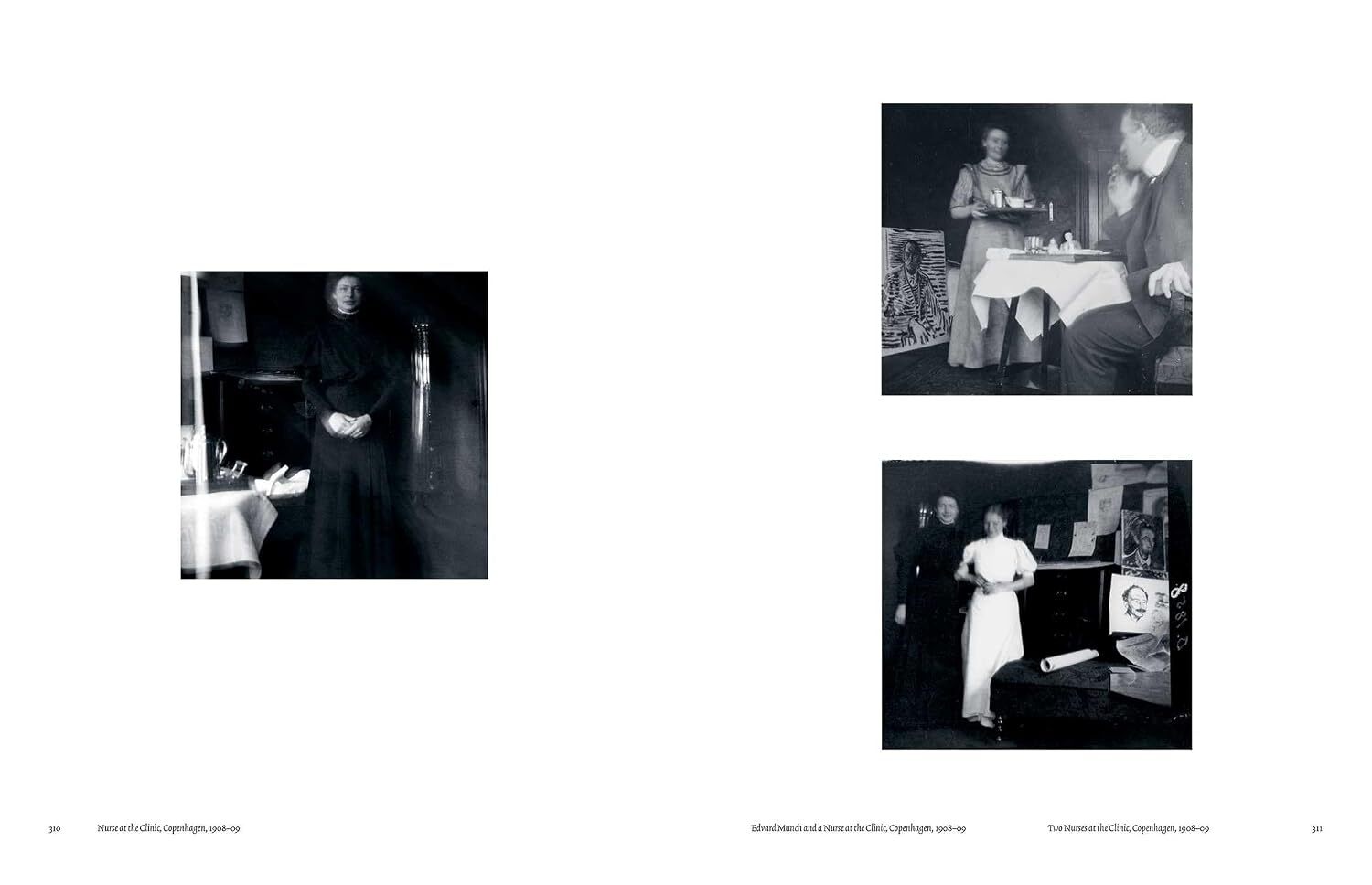
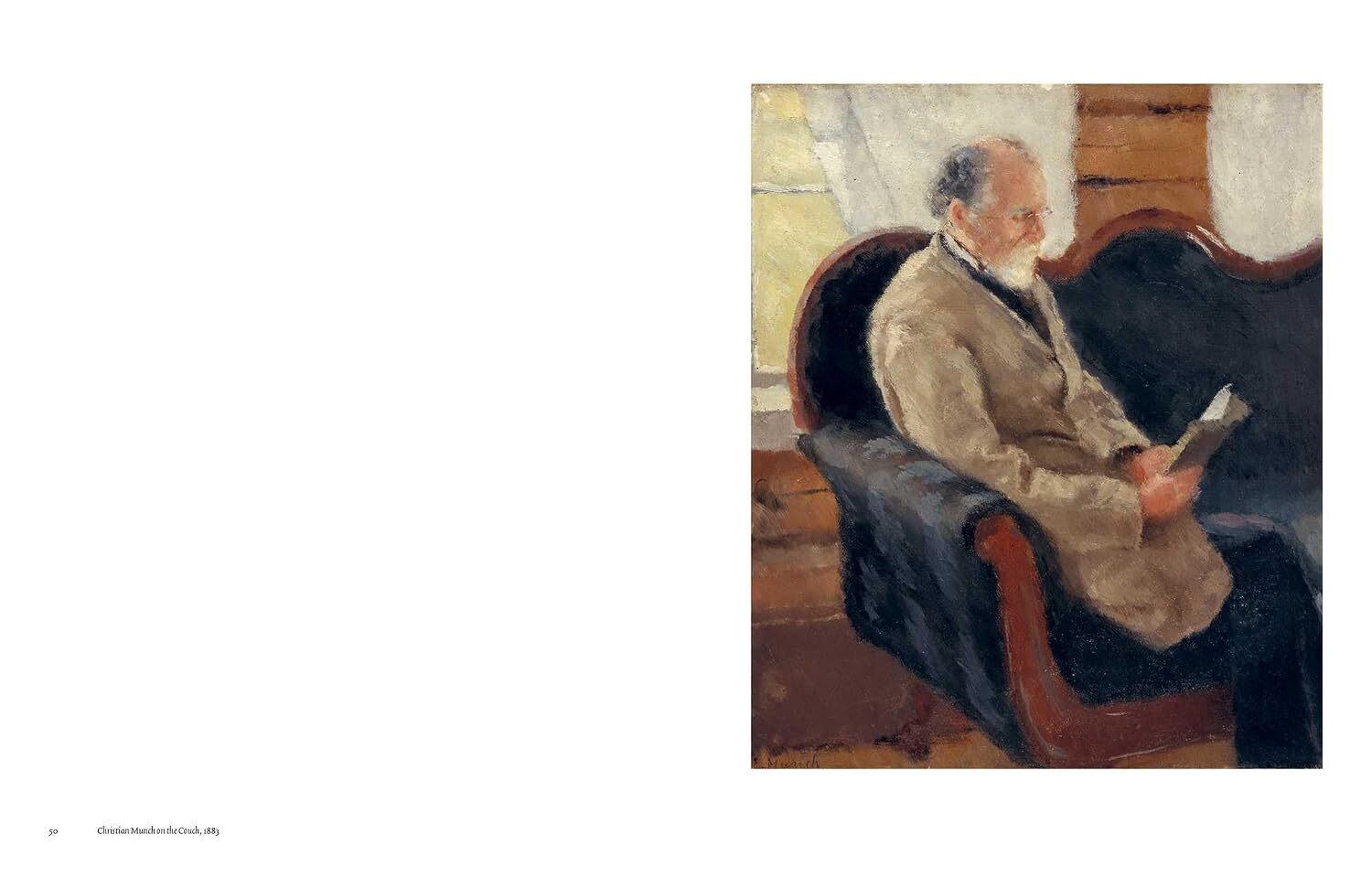
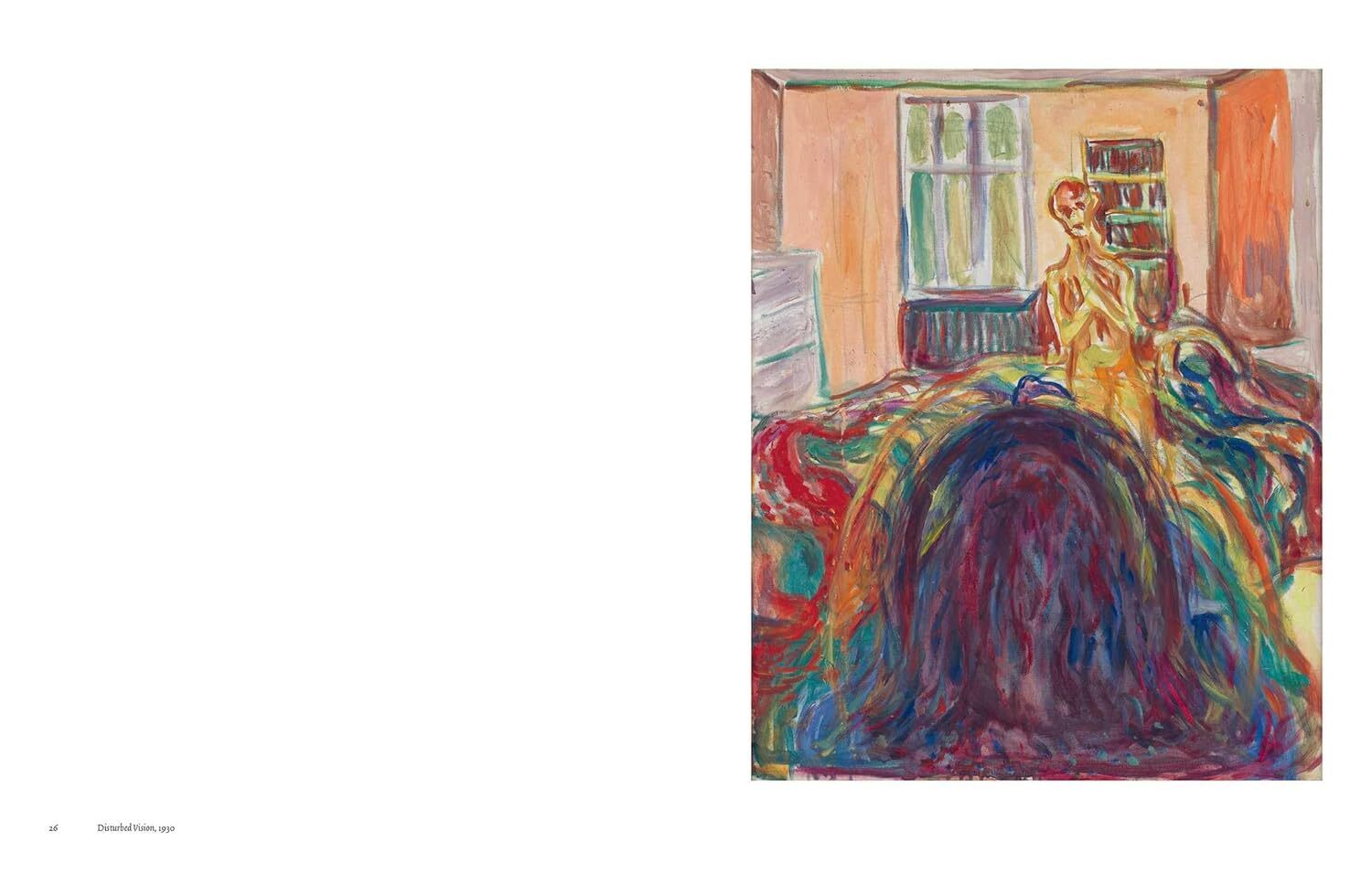
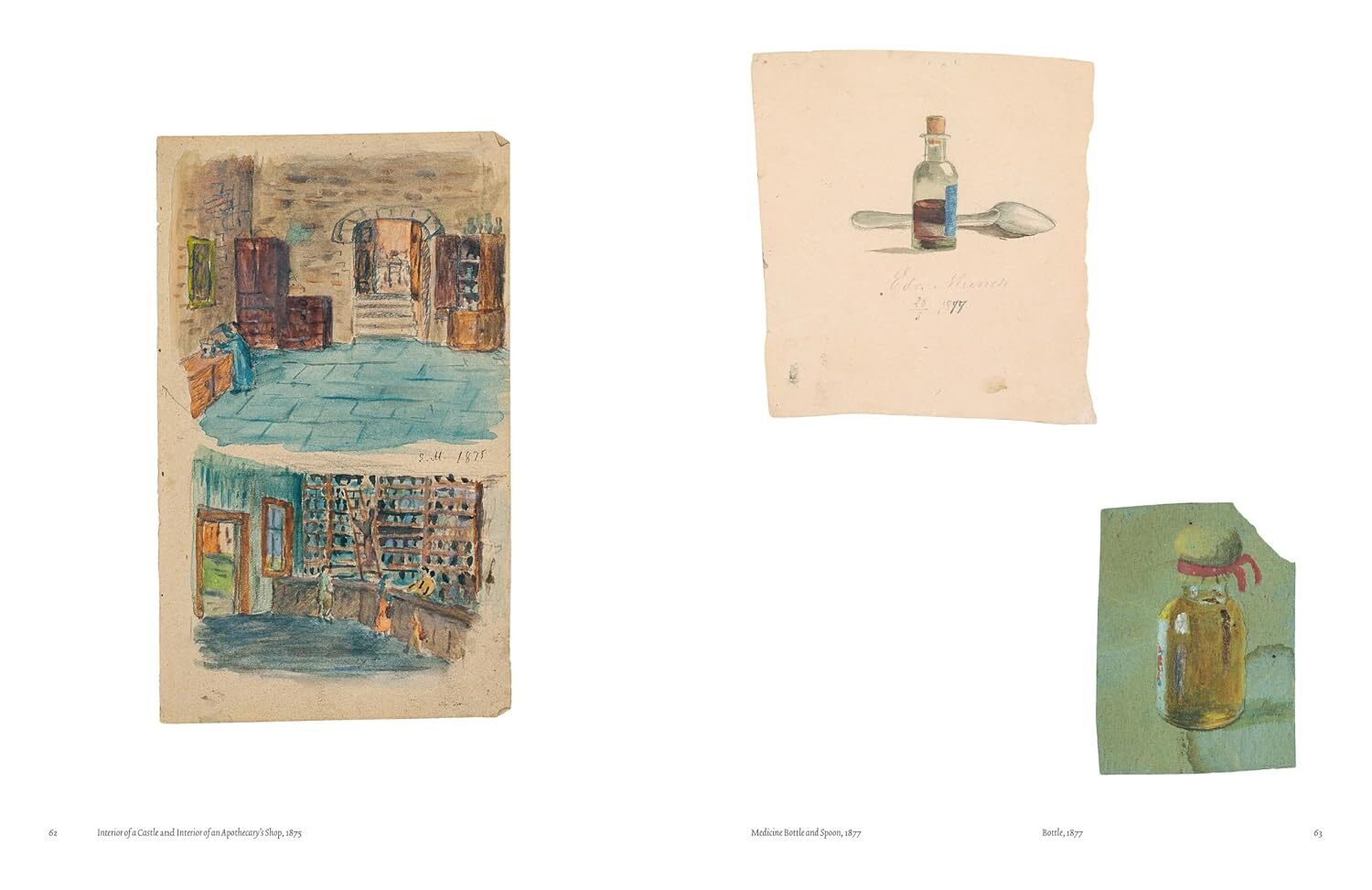
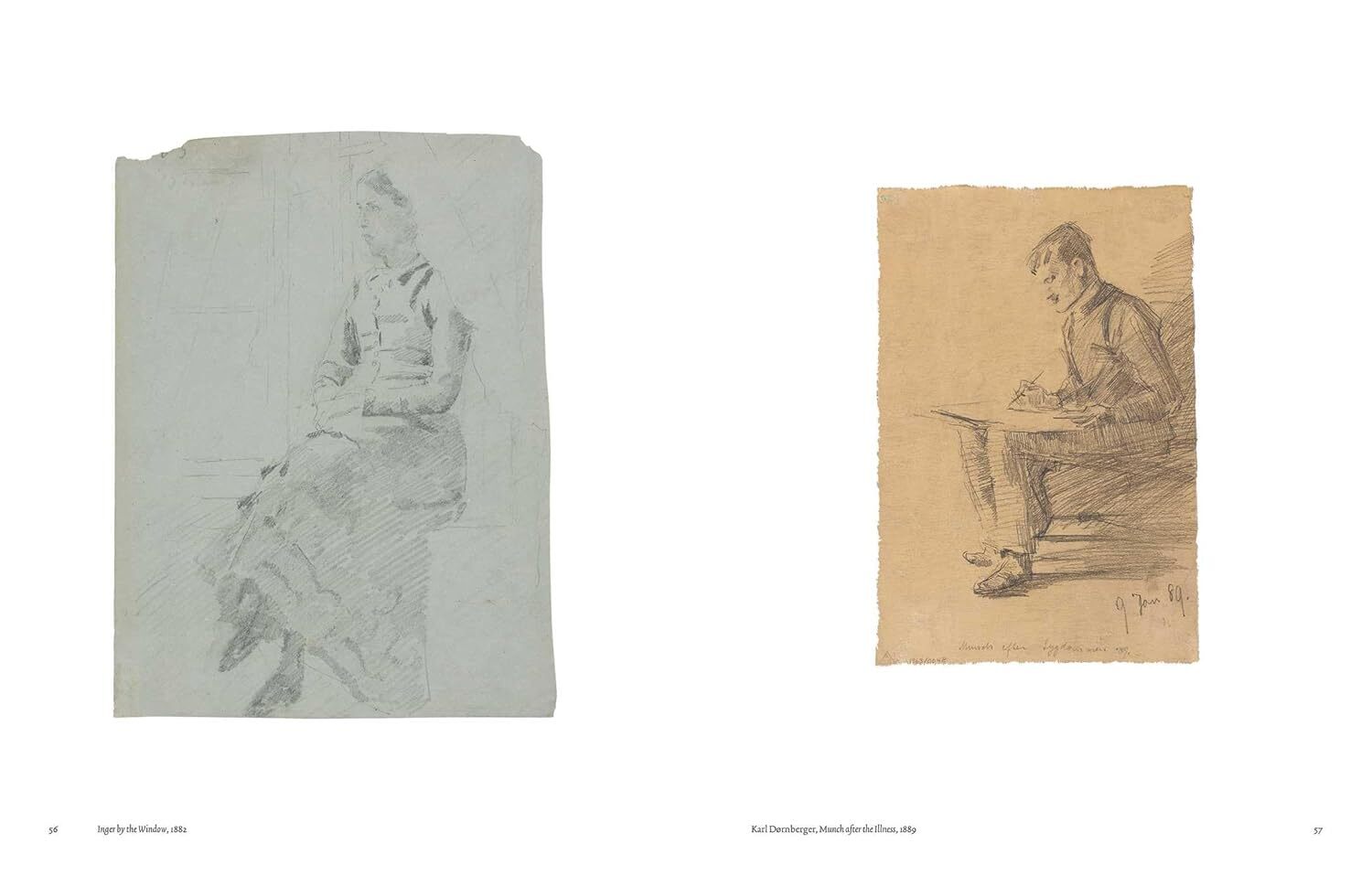
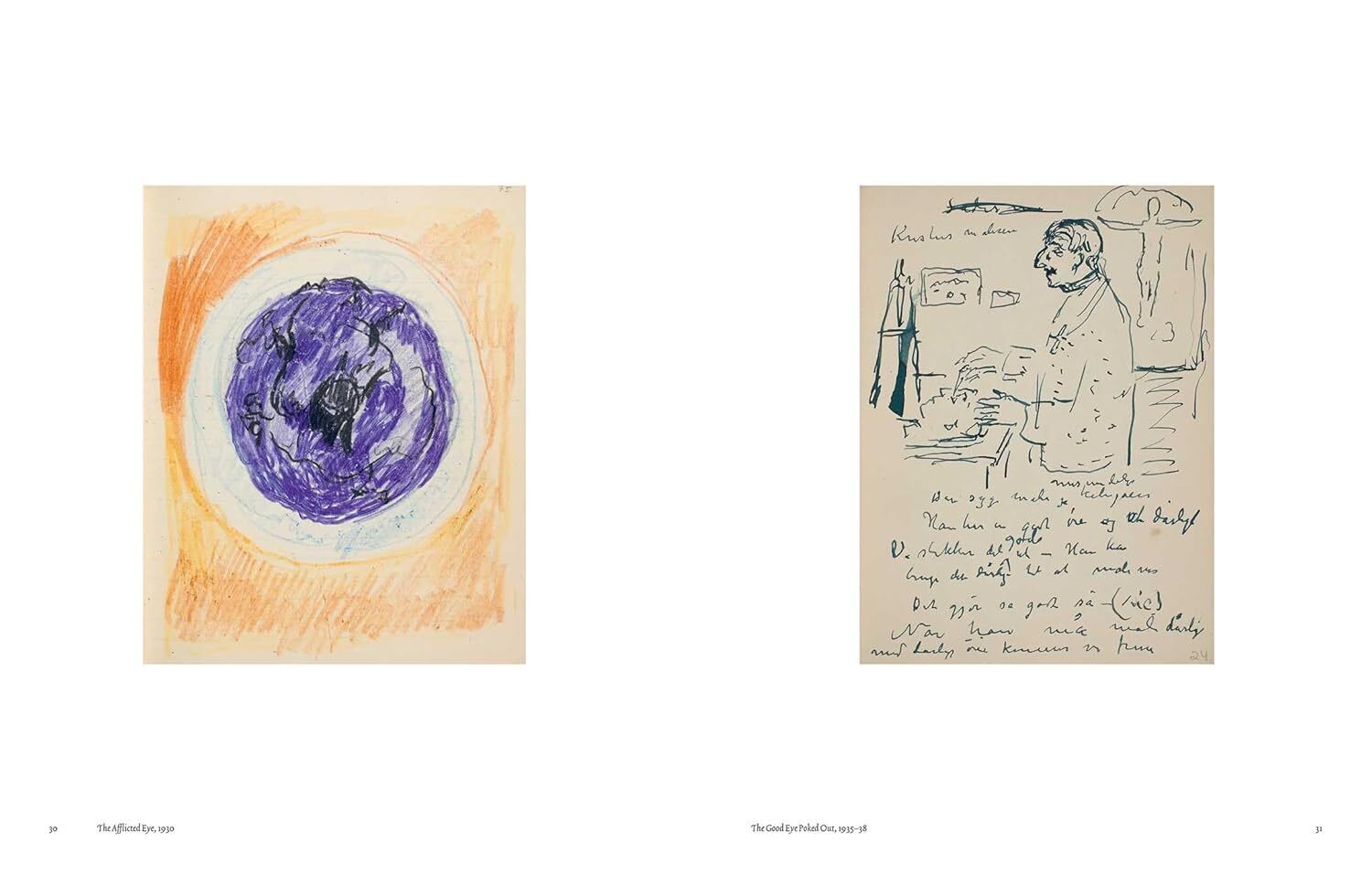
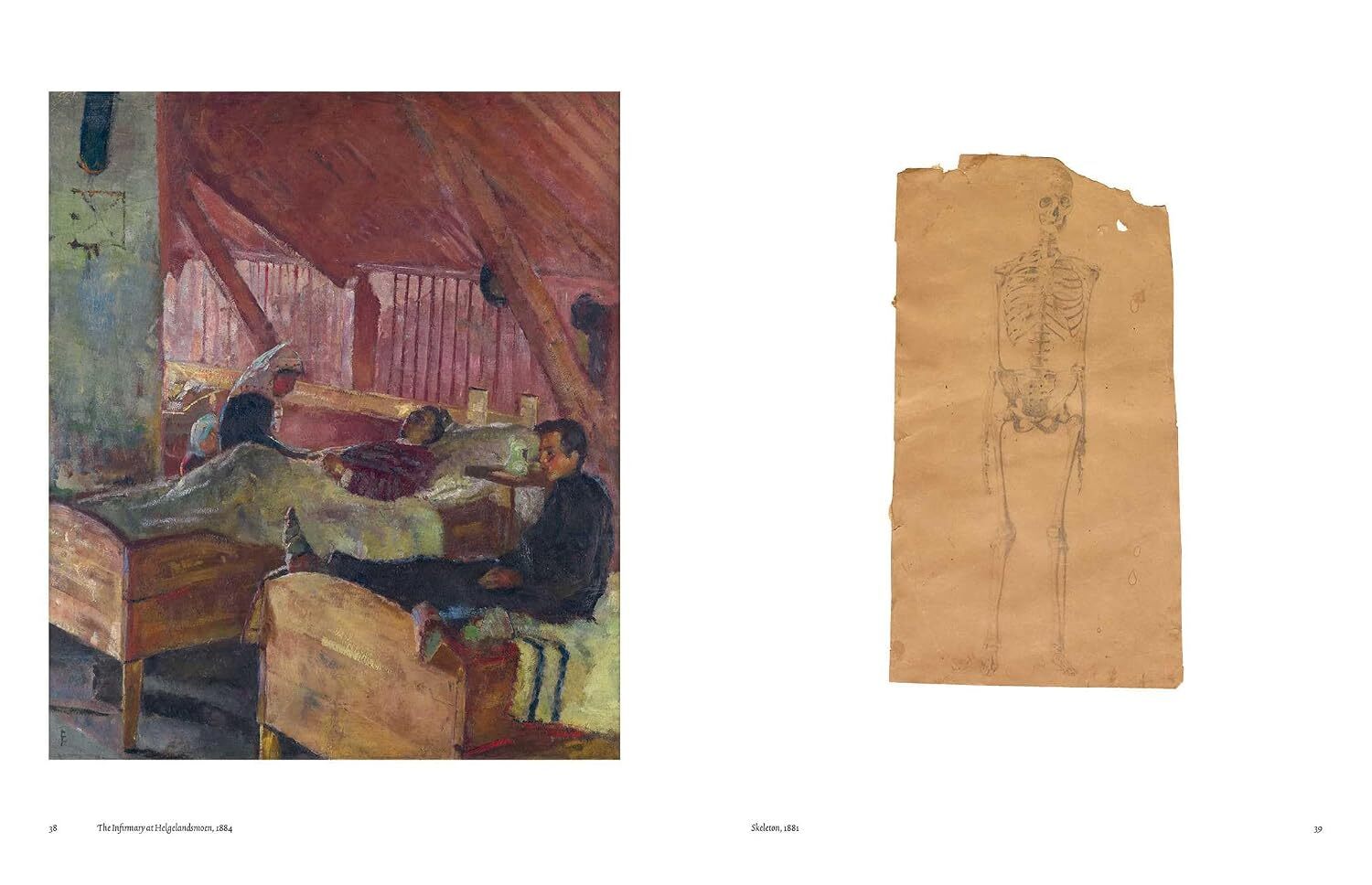
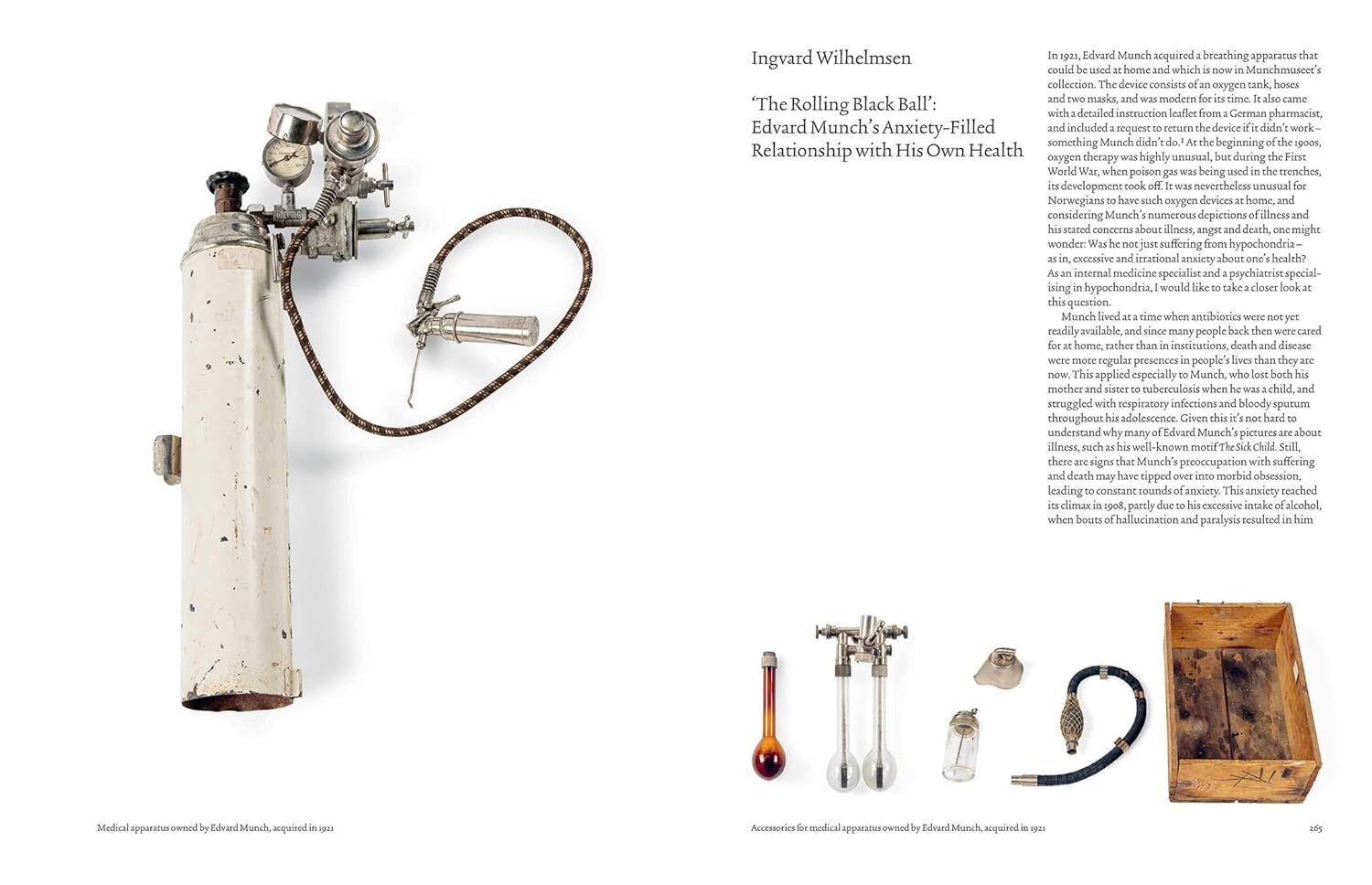
Munch lived during a period of rapid transformation in medical knowledge. The emergence of X-rays, germ theory, antibiotics, and contraceptive technologies not only changed the diagnosis and treatment of disease, but also reshaped how people understood the body, health, and life itself. Published in conjunction with the exhibition of the same name held at MUNCH in Oslo from June to September 2025, the book places Munch’s paintings and prints alongside skeletal specimens, surgical knives, sputum cups, and a wide range of objects from medical history, opening up an unprecedented perspective from which to interpret his work.
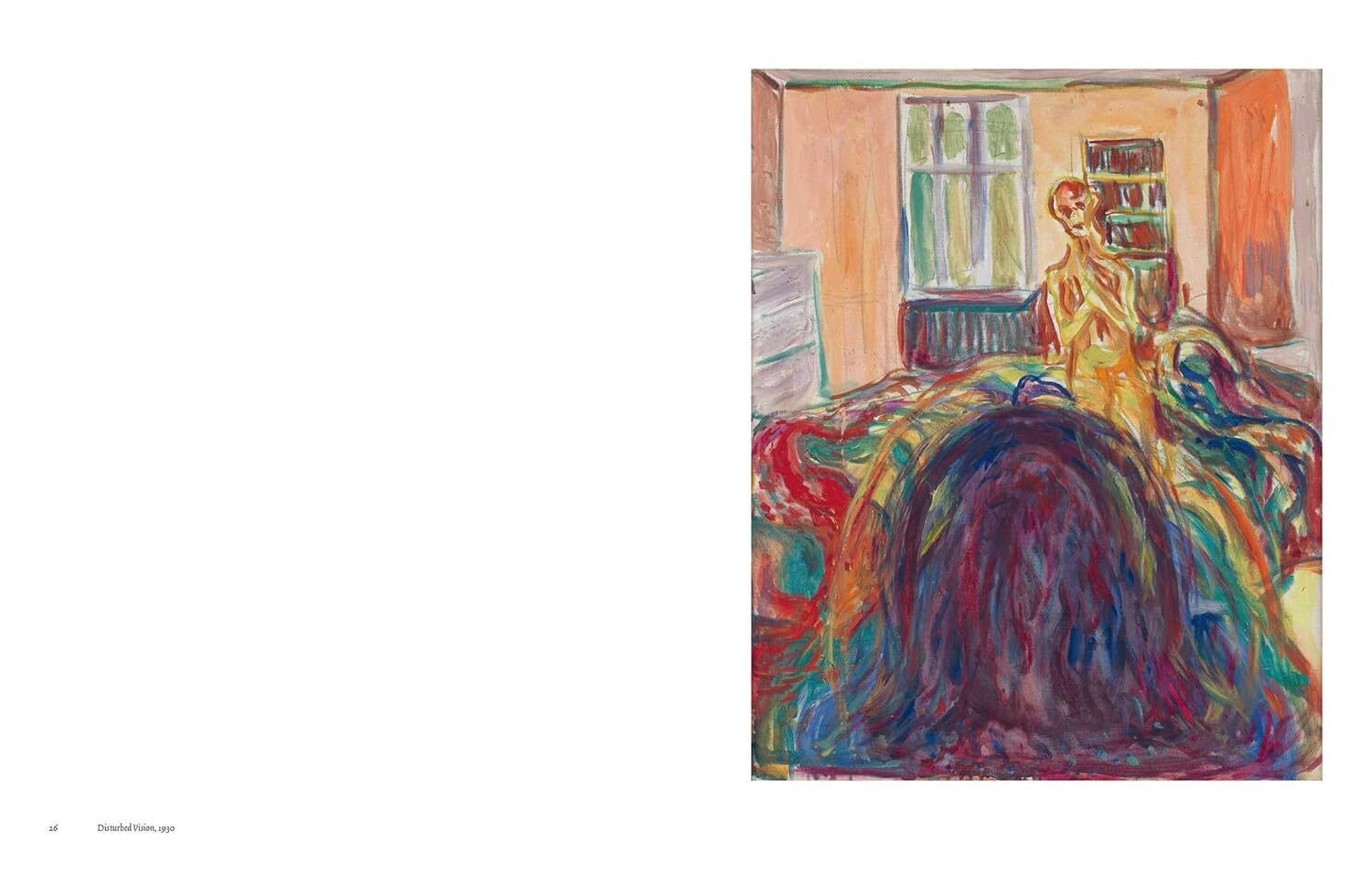
Through this arrangement, the patients, hospital rooms, death, intimate relationships, and psychological unease depicted by Munch are no longer treated merely as symbolic artistic subjects. Instead, they are reconsidered within the actual medical history and social conditions of their time. The dialogue between artworks and medical objects reveals how modern medicine entered everyday life, while demonstrating that the experience of illness has never been solely physiological; it is also bound up with emotion, family, identity, class, and social institutions.
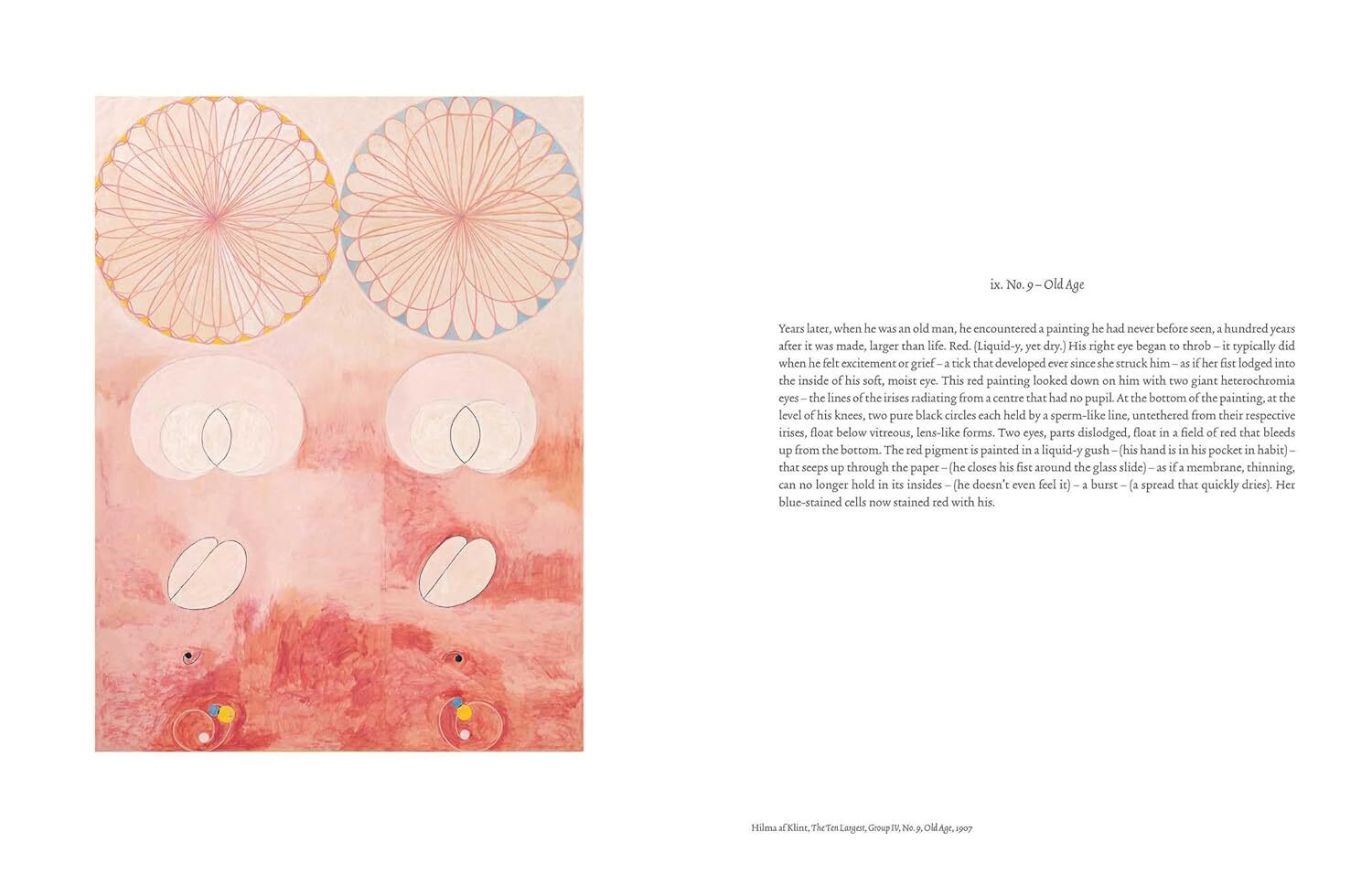
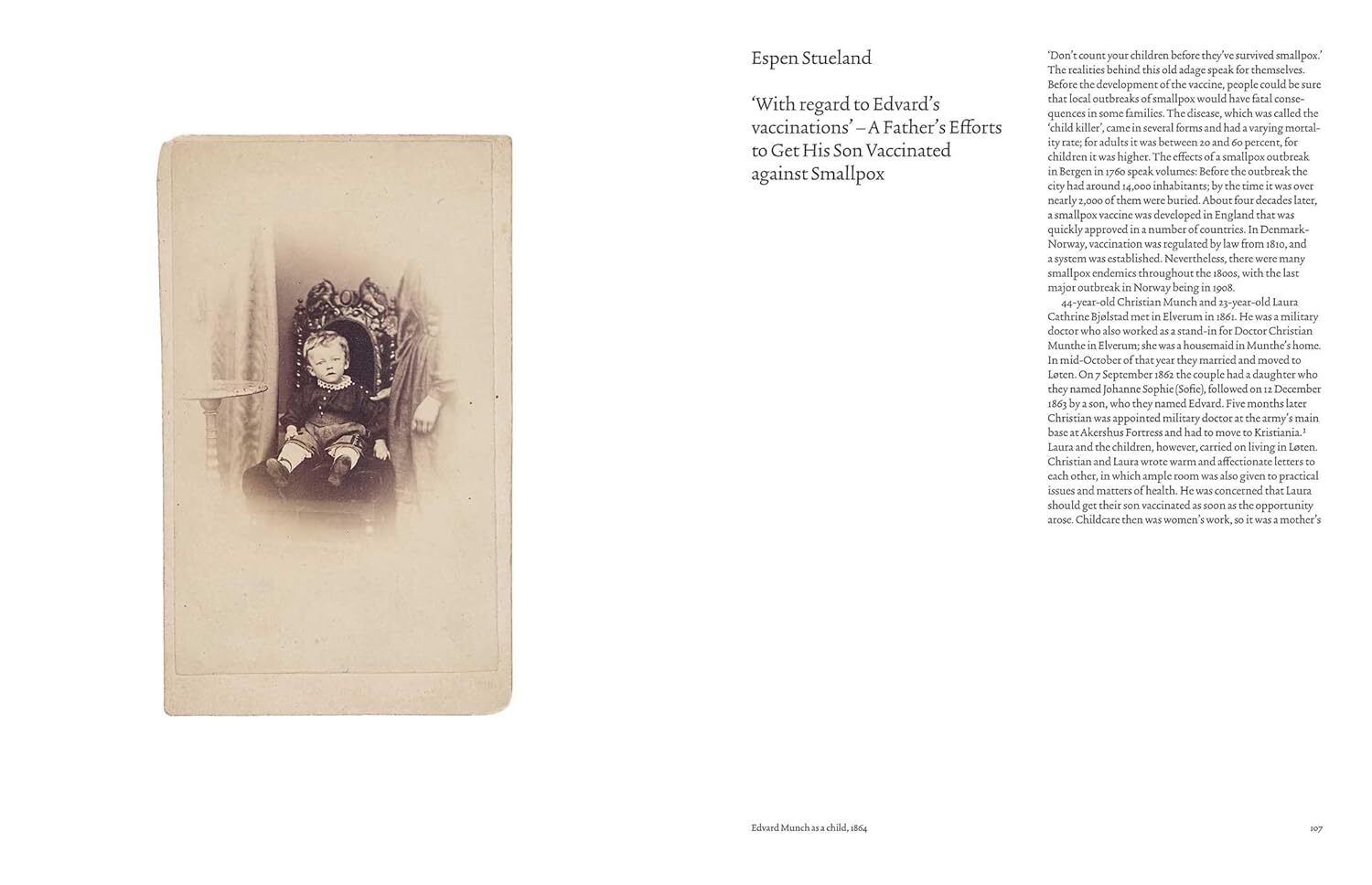
The book brings together contributions from art historians, medical historians, healthcare professionals, social activists, museum specialists, artists, and writers. Each essay begins with a work by Munch or an object from the exhibition, using it as a point of departure for broader discussions of illness, diagnosis, treatment, pain, vulnerability, and care. Rather than seeking a single answer, the contributors draw upon their differing experiences and perspectives to show how encounters with healthcare vary according to an individual’s identity, circumstances, and background.
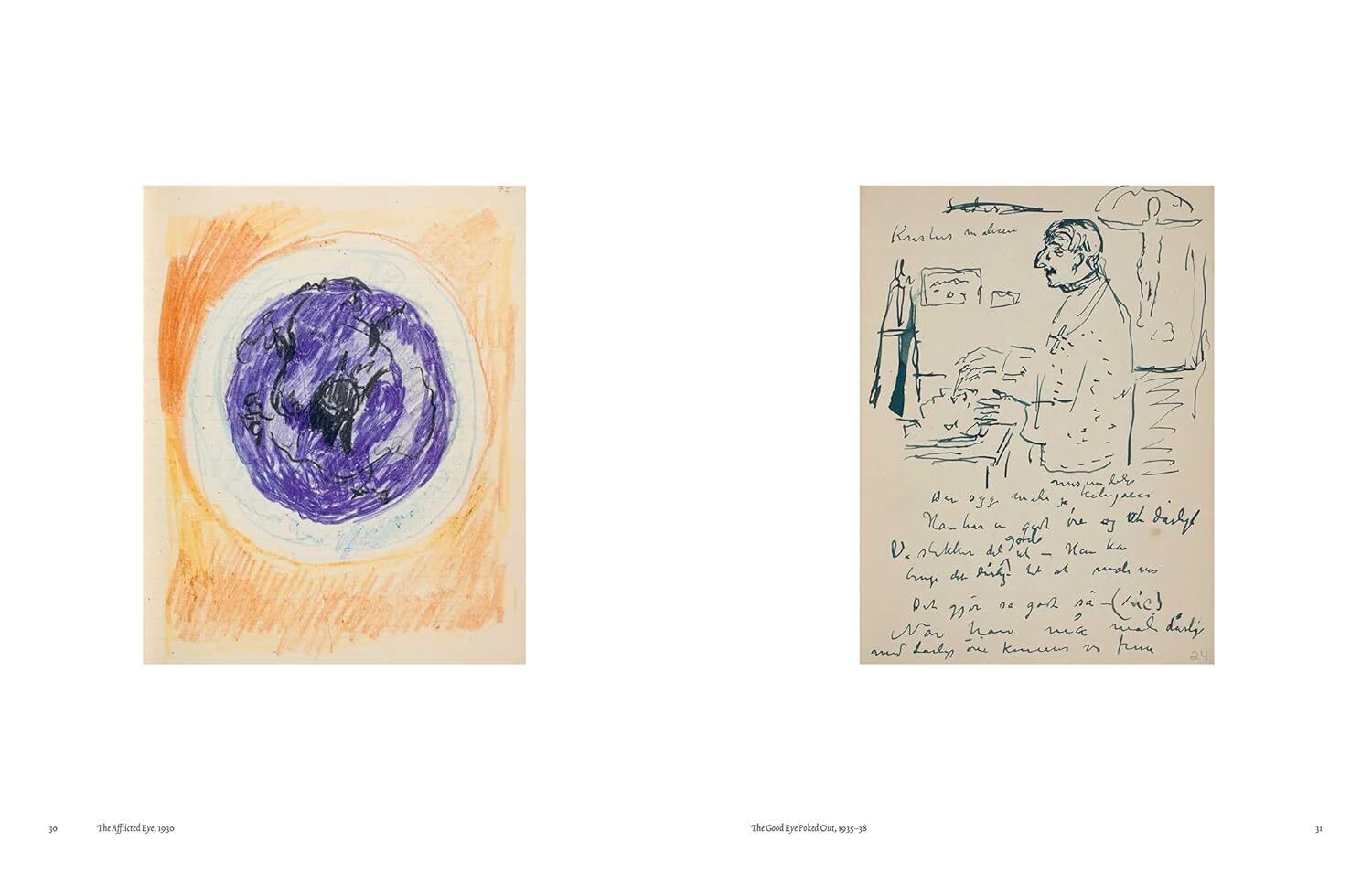
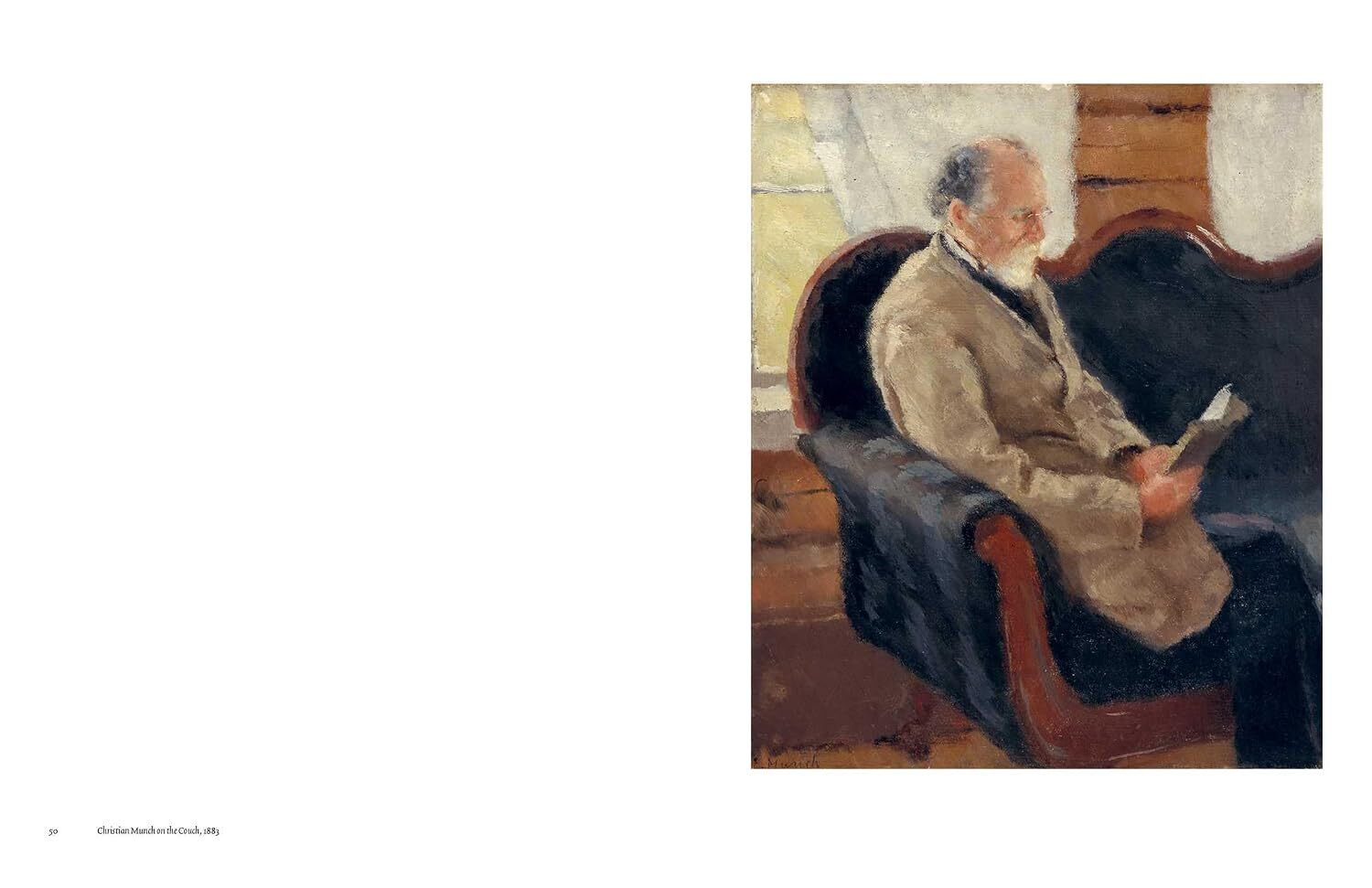
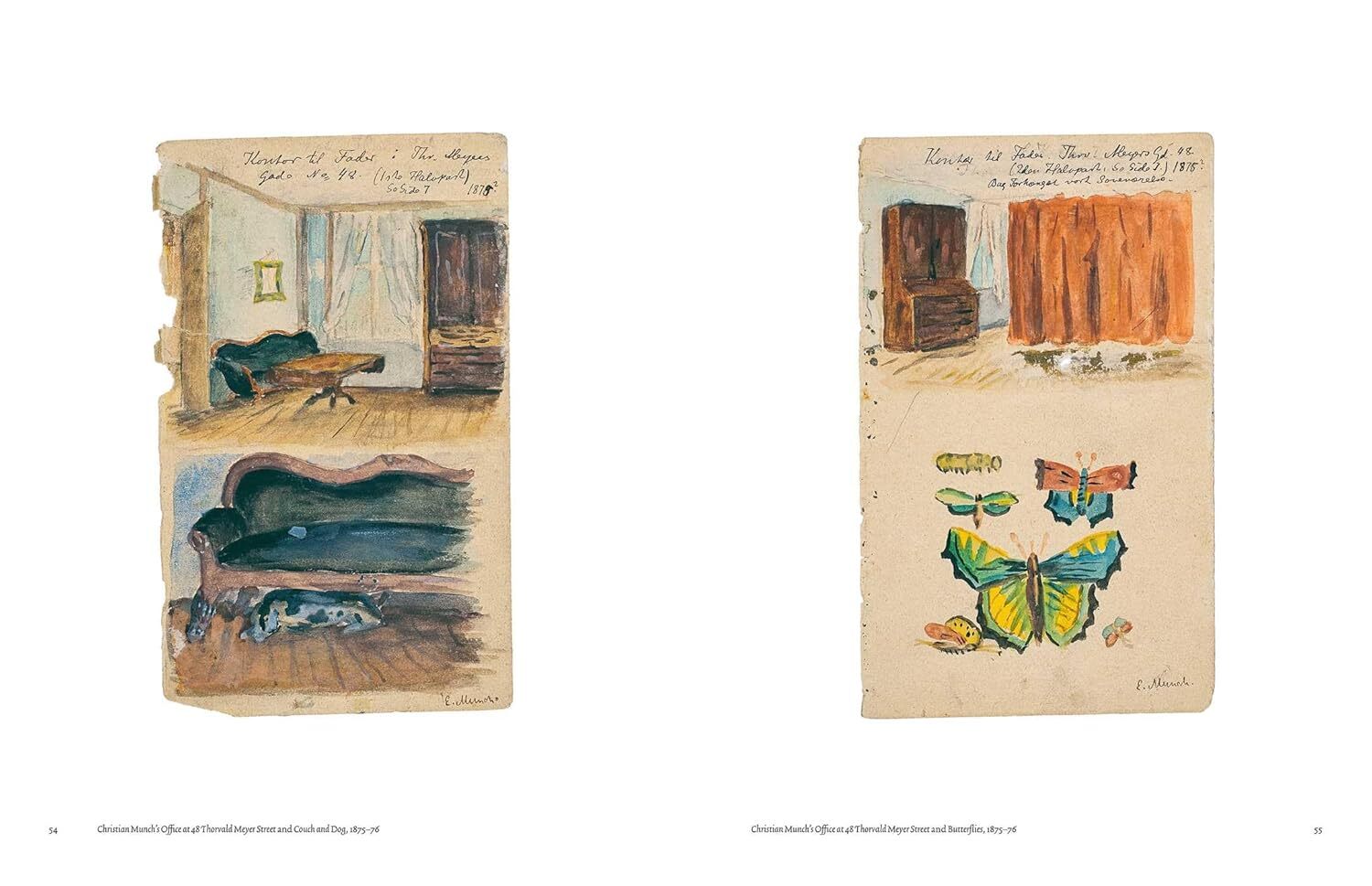
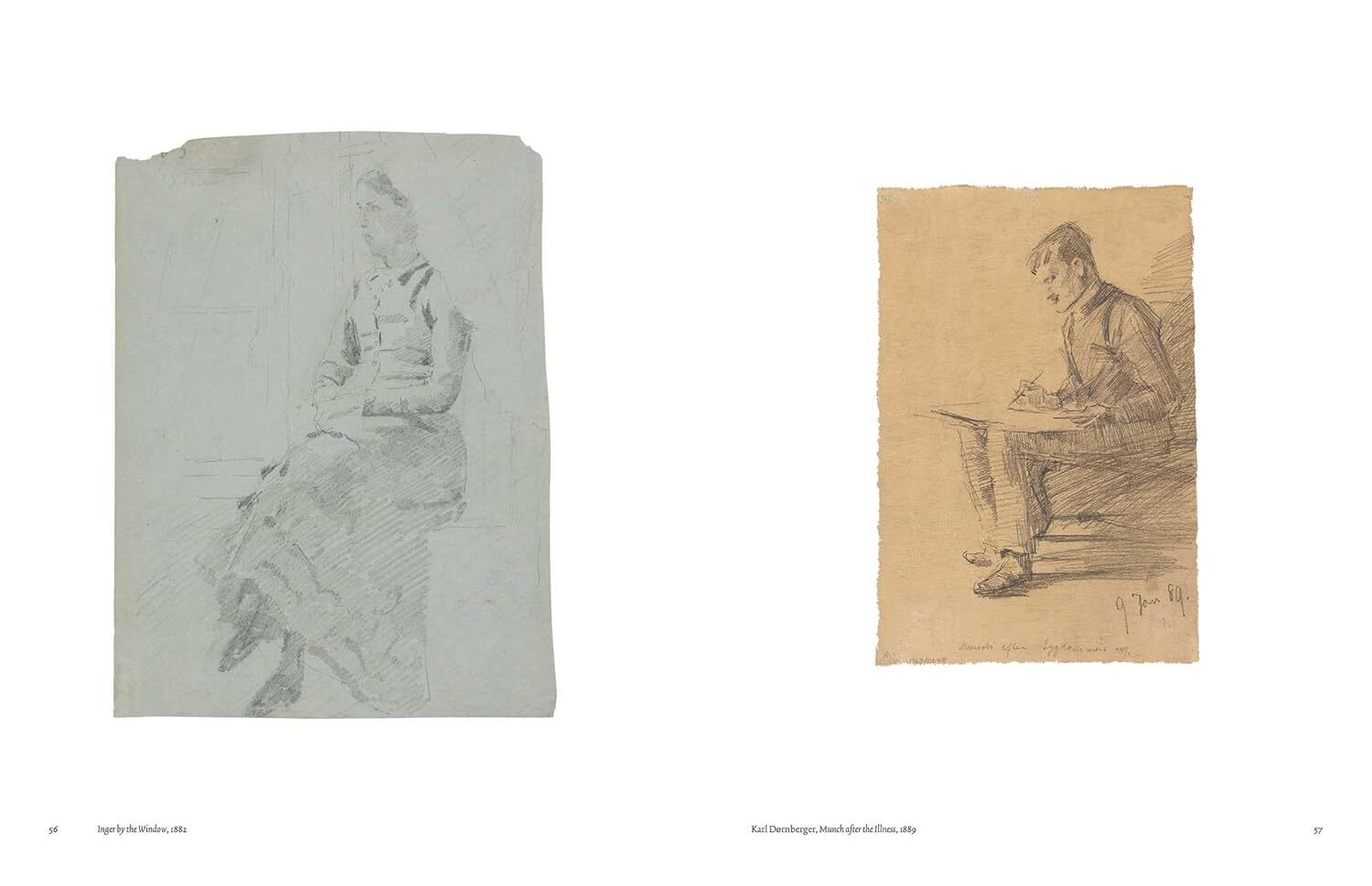
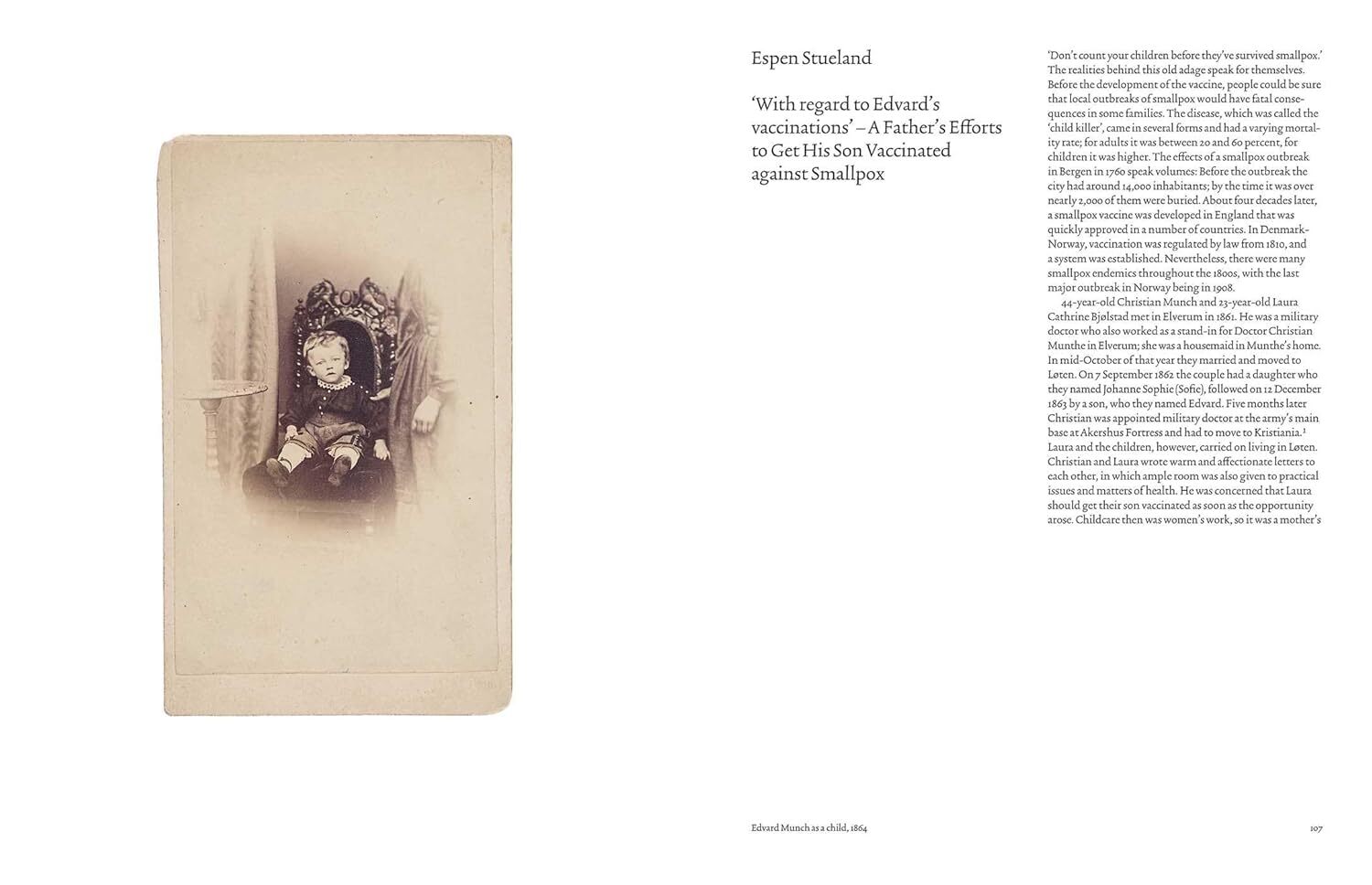
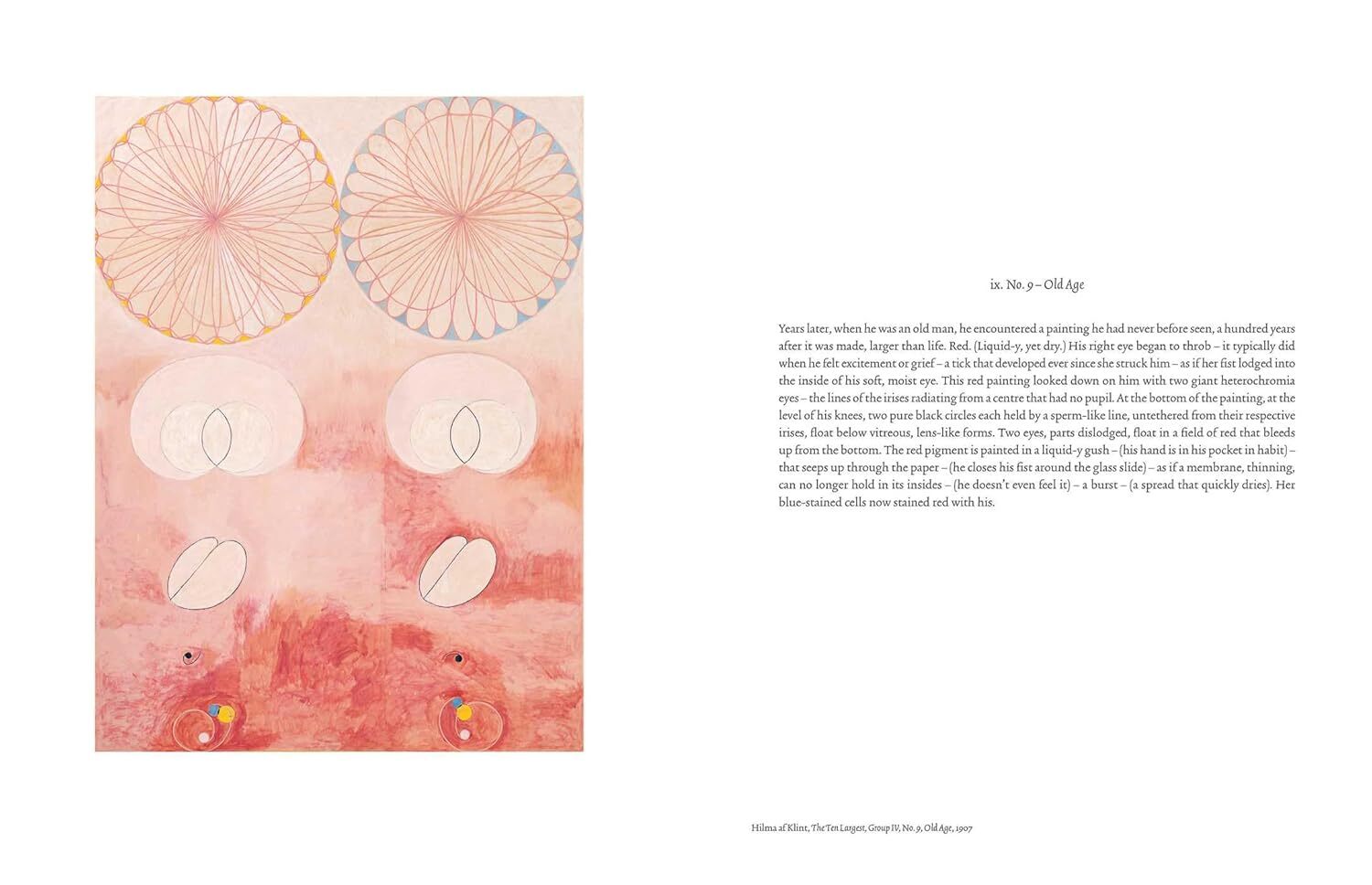
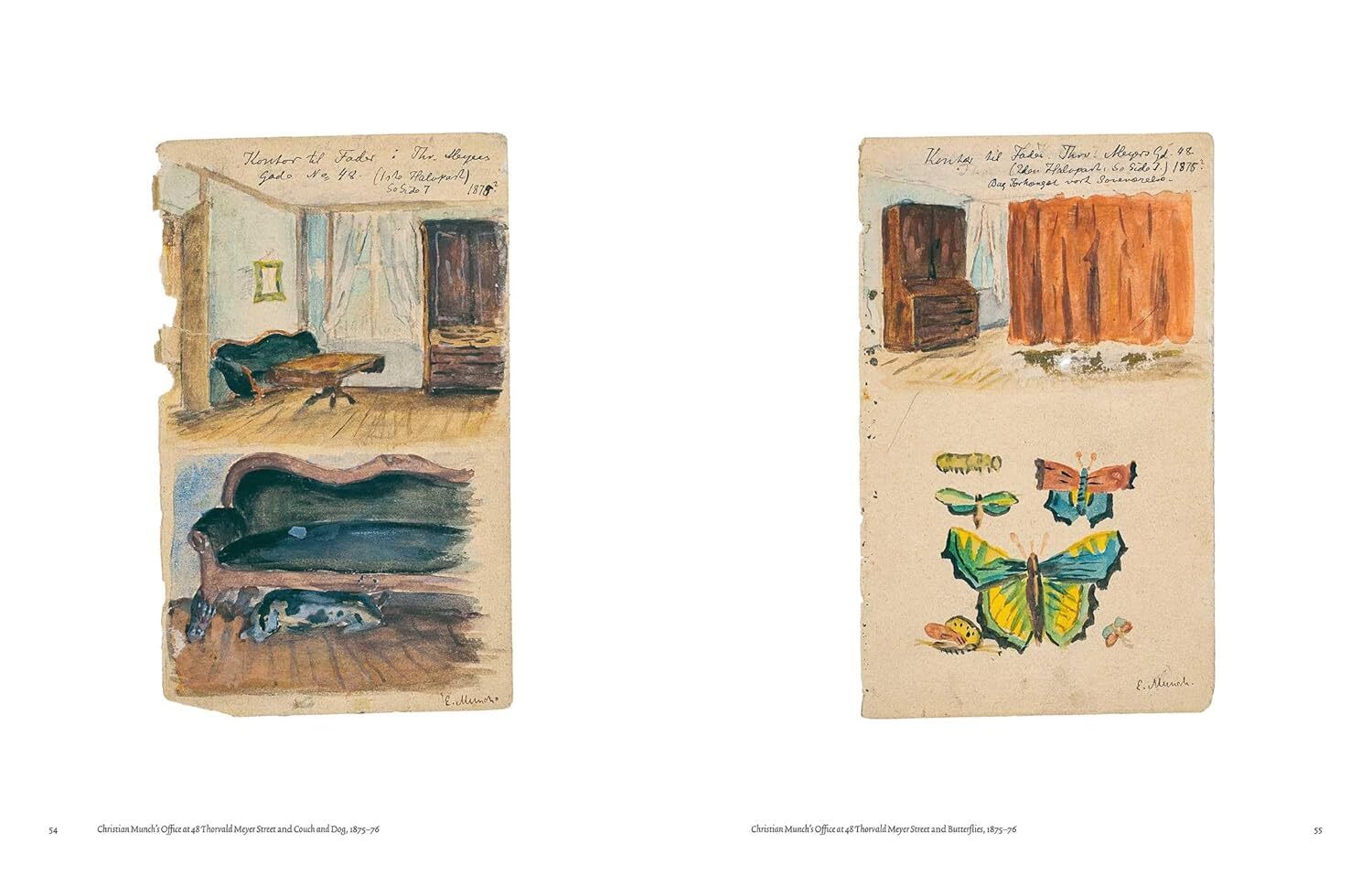
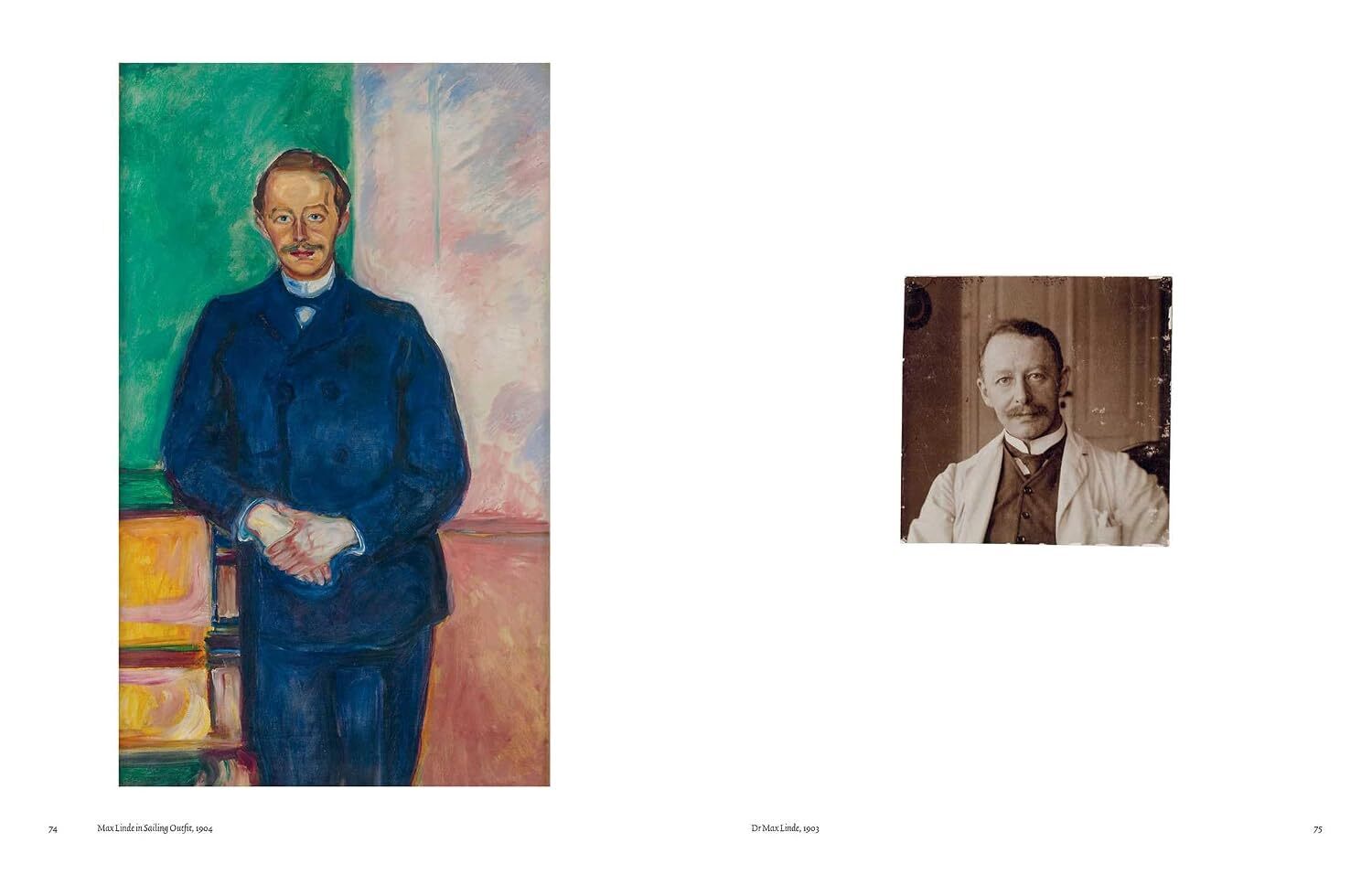
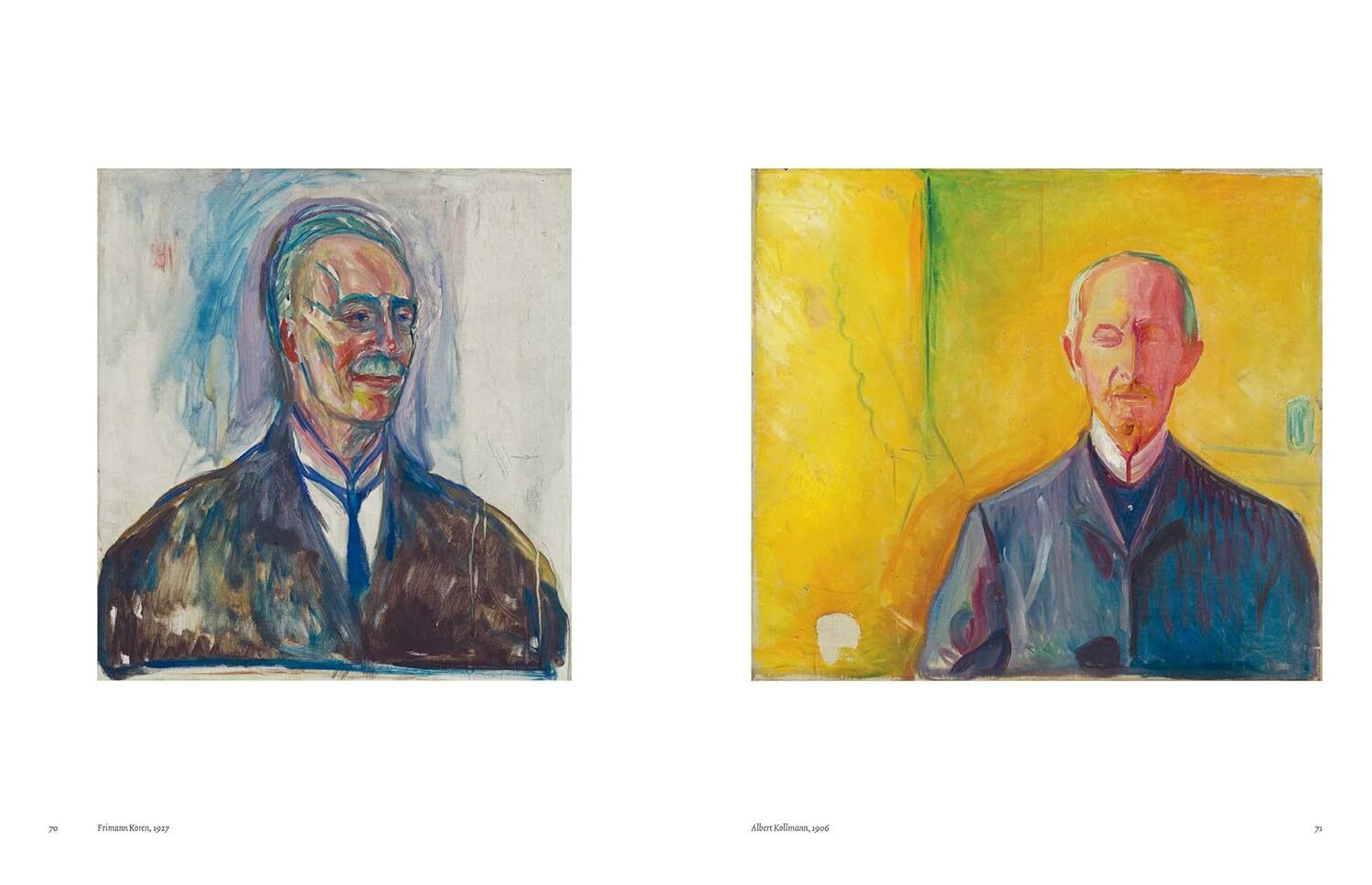
Featuring approximately 250 images, the volume includes works by Munch, historical medical instruments, and related archival materials, together with essays by curator Allison Morehead and an international group of scholars, physicians, writers, and arts professionals. These interdisciplinary perspectives not only broaden the scope of Munch scholarship, but also reveal anew the profound meanings of the body, fear, life, and death within his work.
Lifeblood – Edvard Munch is more than an exhibition catalogue; it is a dialogue between art and medicine across time. The book offers readers a new way of understanding Munch while asking how art can preserve those feelings that resist diagnosis, measurement, and classification, even as medicine transforms the ways in which we perceive the body.
【DETAILS】
Authors: Allison Morehead (Editor), Heidi Bale Amundsen (Editor)
Publisher: MUNCH
Publication Year: 2026
Dimensions: 29 × 24 cm
Binding: Hardcover
Pages: 370