Book Description
Lina Bo Bardi is widely regarded as one of the most influential architects in the history of Brazilian architecture. Her work spans architecture, exhibition design, curatorial practice, and cultural writing, profoundly shaping the development of modern architecture and exhibition culture in twentieth-century Latin America.
Bo Bardi began her architectural career in postwar Rome, working within the framework of Modernism. Following the end of World War II, she emigrated to Brazil with her husband and quickly established a distinctive architectural language within her adopted cultural context. Her work retains the rational structure and spatial clarity of Modernism while deeply engaging with Brazilian vernacular culture, material sensibilities, and everyday life, demonstrating a strong sense of locality and humanistic concern.
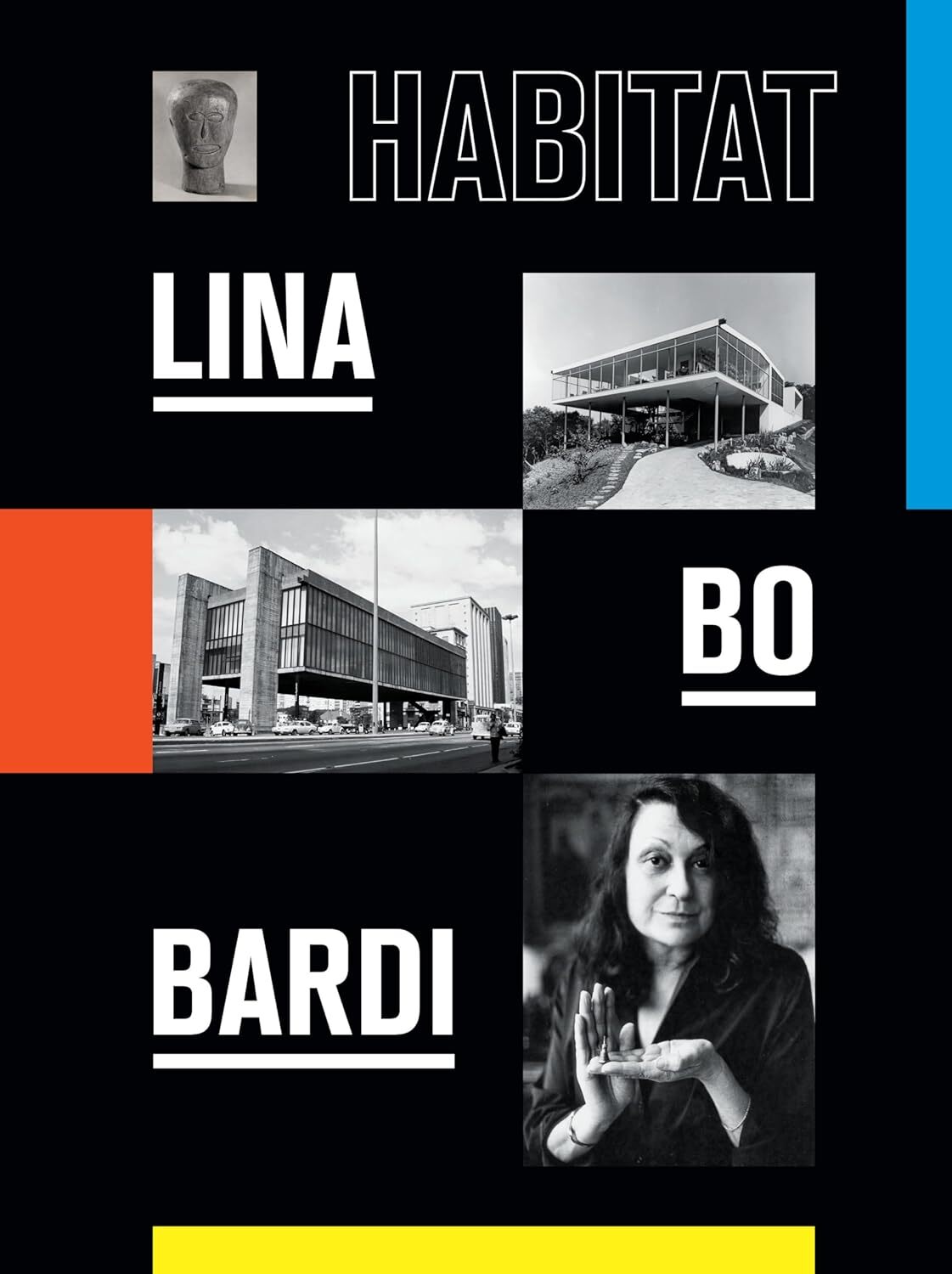
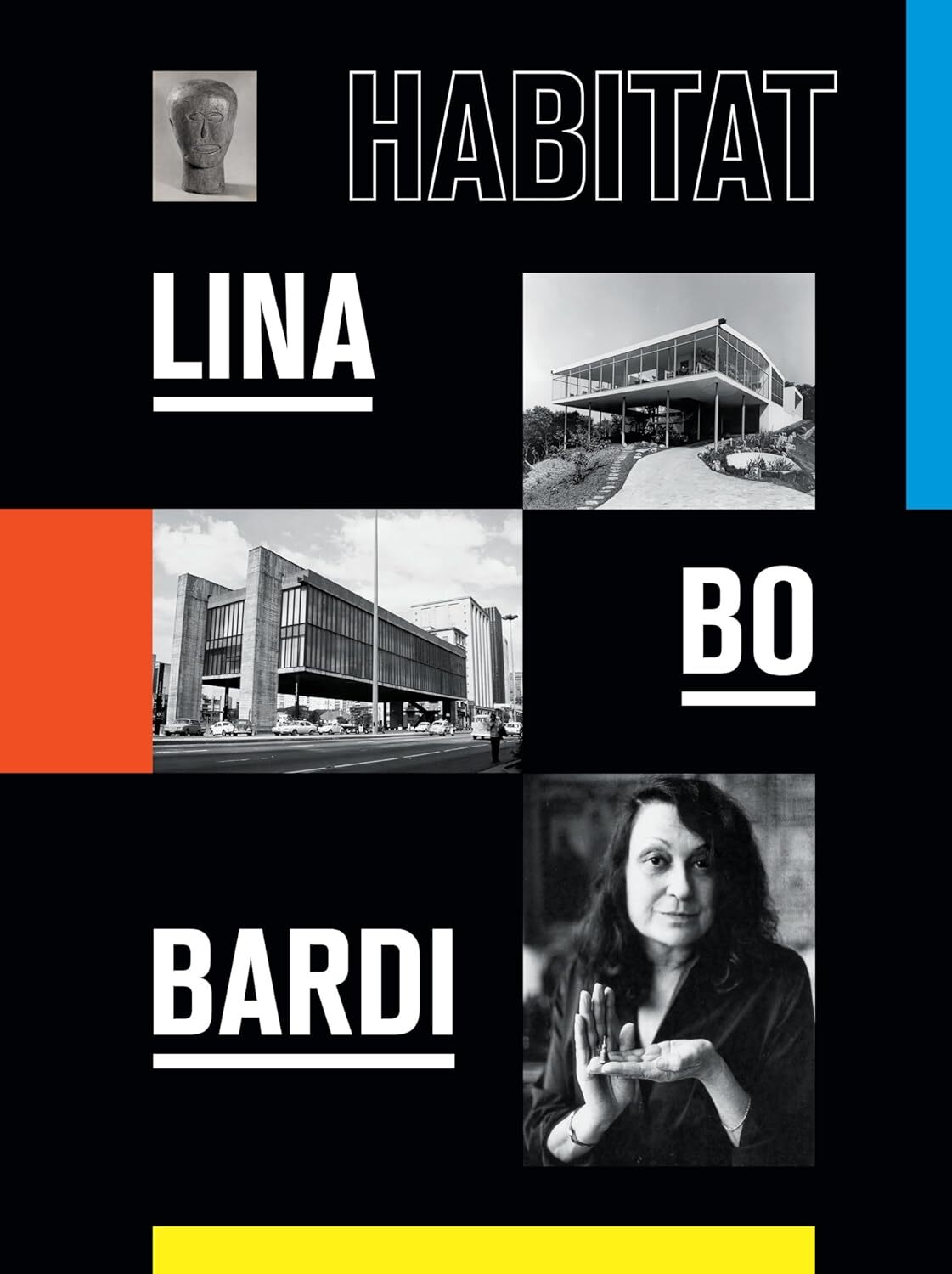
Completed in 1951, the Glass House (Casa de Vidro) was her first realized project and served as her lifelong home with her husband. The house not only laid the foundation for her architectural approach but also represents a key point of entry into her thinking. The São Paulo Museum of Art (MASP), completed in 1968, is considered a landmark of Latin American modernist architecture. The iconic glass easel display system she designed for the museum remains radical today for its open, non-hierarchical approach to exhibition design.
This book offers a comprehensive examination of Bo Bardi’s overarching approach to art and architecture, exploring how her exhibition designs, curatorial projects, and writings continuously rethought the relationships between space, viewing, and public culture. In addition to scholarly essays on her life and work, the volume brings together extensive archival material—including design sketches, notes, and her own writings—providing clear insight into the conceptual and material processes behind her practice.
More than a monograph on architecture, this book serves as a vital lens through which to understand how Lina Bo Bardi used architecture as a form of cultural practice, social engagement, and intellectual action. It is essential reading for architects, curators, design researchers, and readers interested in modern architecture and exhibition design.
Book Details
Author: Jose Esparza Chong Cuy (Author, Editor), Julieta Gonzalez (Author, Editor), Madeleine Grynsztejn (Author, Editor), & 2 more
Publisher: Prestel
Publication Year: 2020
Dimensions: 27 × 20 cm
Binding: Paperback
Pages: 352 pages