{{ 'fb_in_app_browser_popup.desc' | translate }} {{ 'fb_in_app_browser_popup.copy_link' | translate }}
{{ 'in_app_browser_popup.desc' | translate }}
{{ childProduct.title_translations | translateModel }}
{{ getChildVariationShorthand(childProduct.child_variation) }}
{{ getSelectedItemDetail(selectedChildProduct, item).childProductName }} x {{ selectedChildProduct.quantity || 1 }}
{{ getSelectedItemDetail(selectedChildProduct, item).childVariationName }}
English Language | Paperback | 2020|224 pages |21×15 cm
Publisher Thames and Hudson Ltd
Author James H. Rubin (Author)
ISBN 9780500204474
Until 2026-03-31T16:00:00.000+00:00 Selected titles at 50% off on selected categories
Until 2026-03-31T16:00:00.000+00:00 Sungood Online International Book Fair-Spend NT$1,000 and get NT$50 off instantly. on order
Free Shipping on order
Not enough stock. Your item was not added to your cart.
Not enough stock. Please adjust your quantity.
{{'products.quick_cart.out_of_number_hint'| translate}}
{{'product.preorder_limit.hint'| translate}}
Limit -1 per order.
{{'products.quick_cart.quantity_of_stock_hint'| translate : {message: quantityOfStock} }}
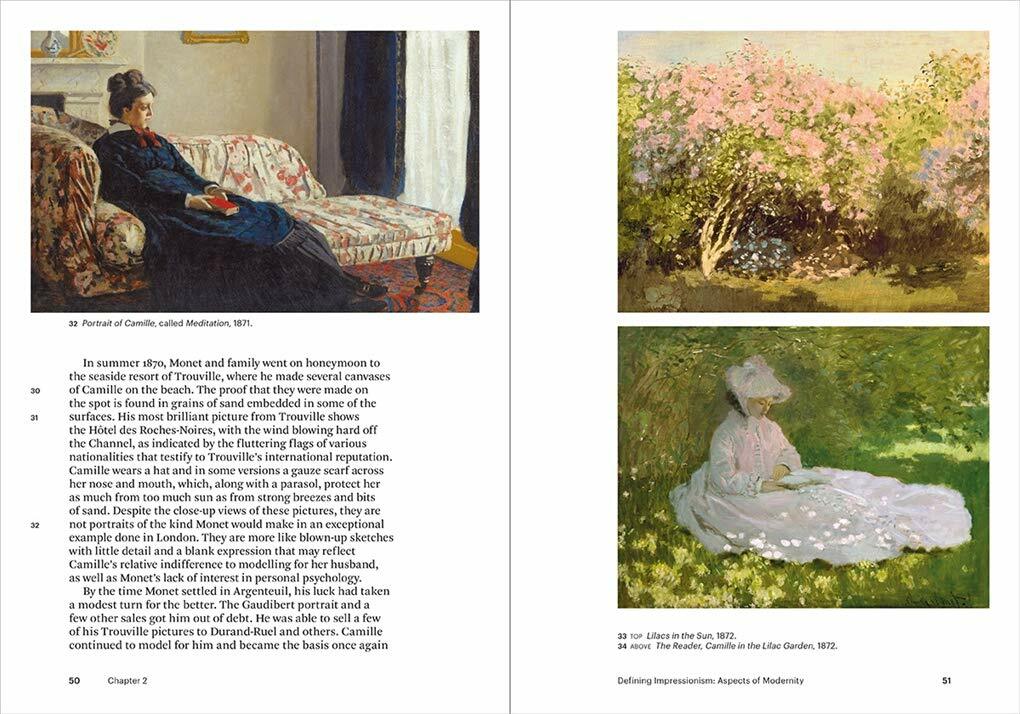
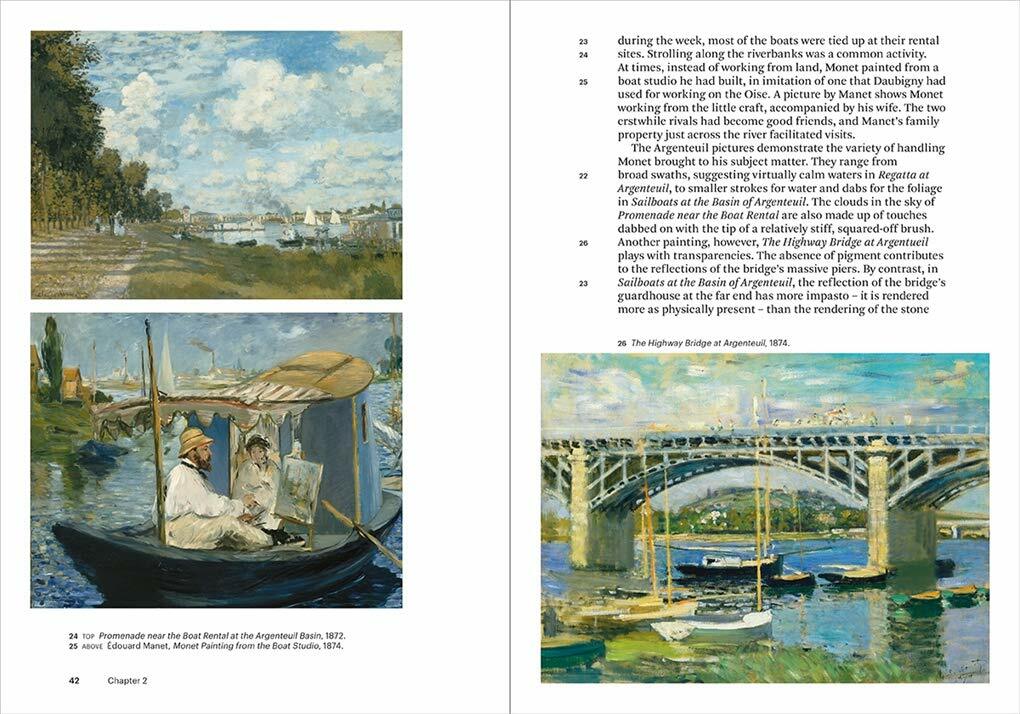
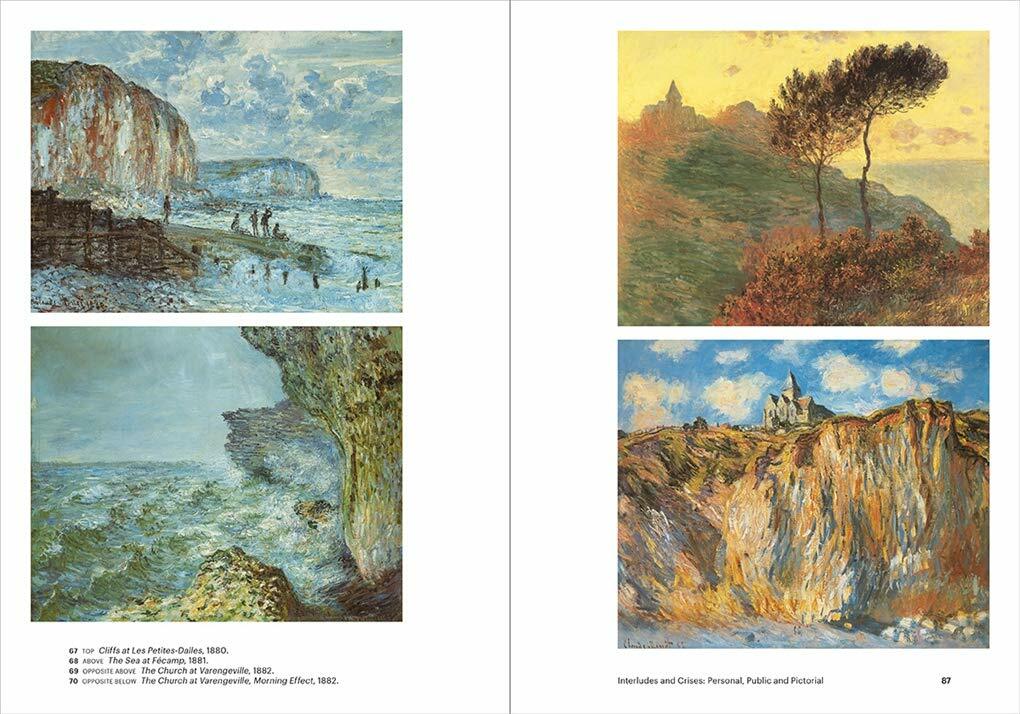
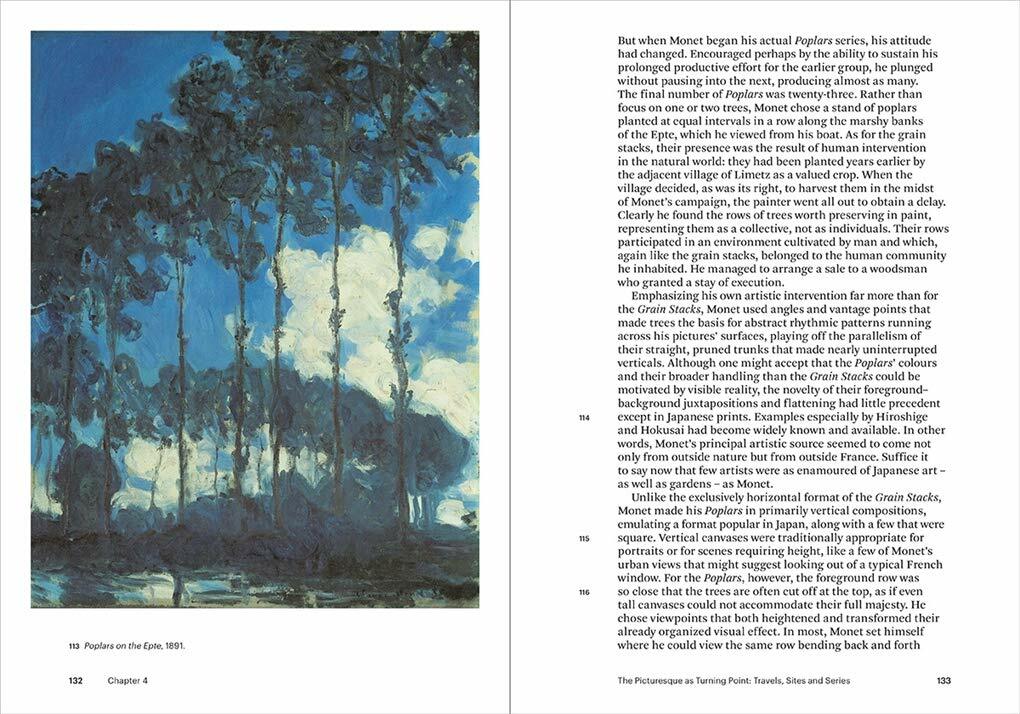
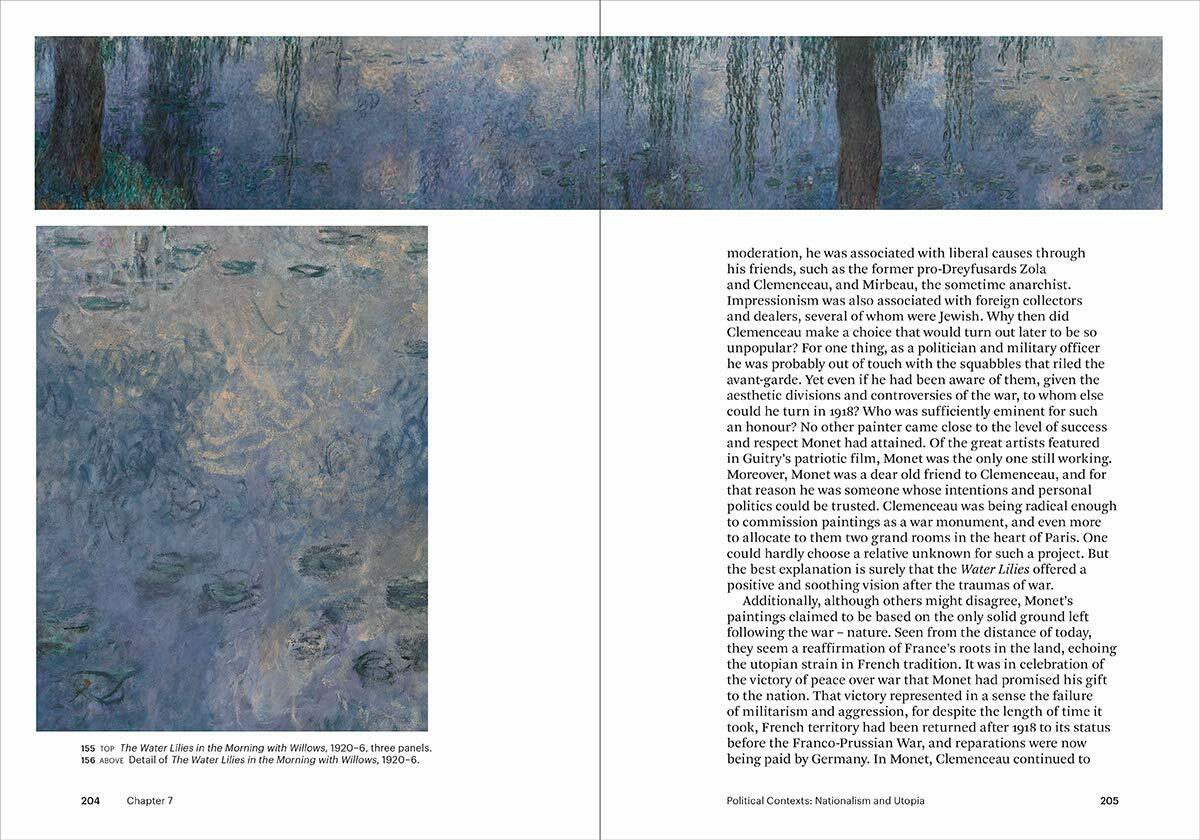
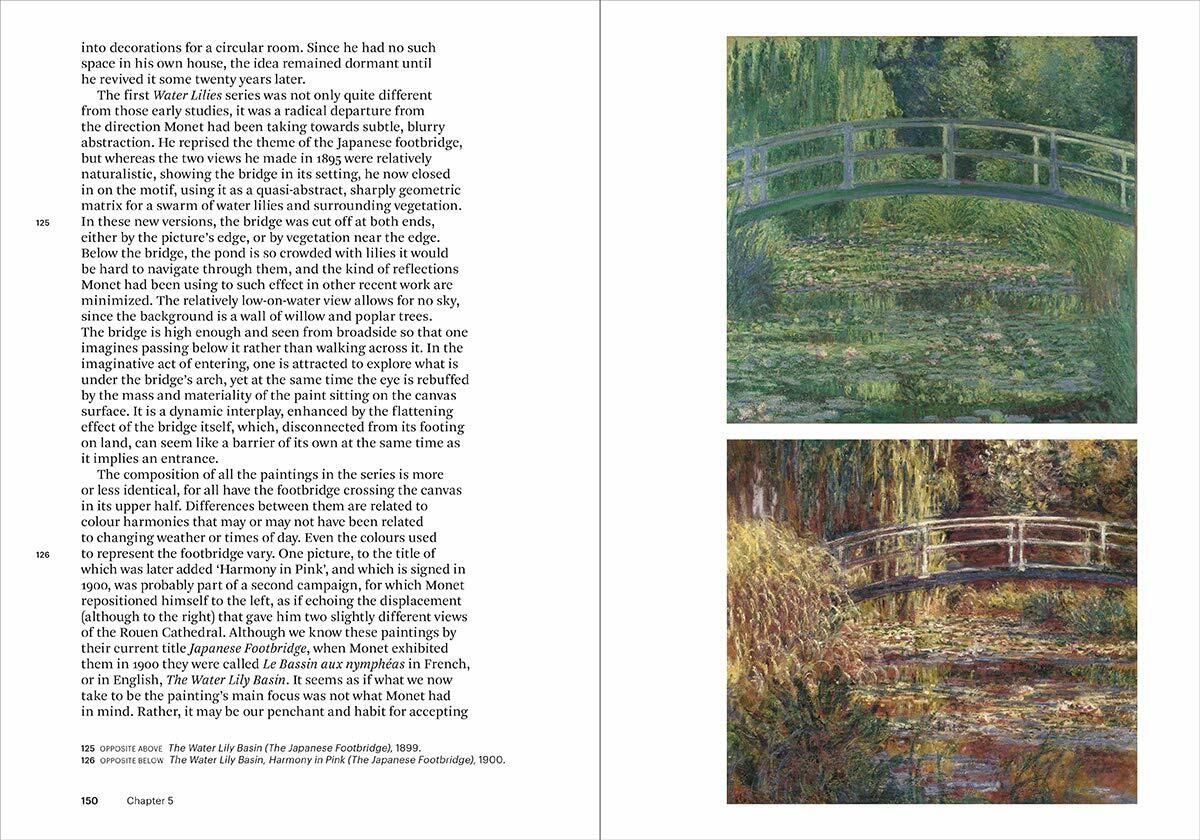
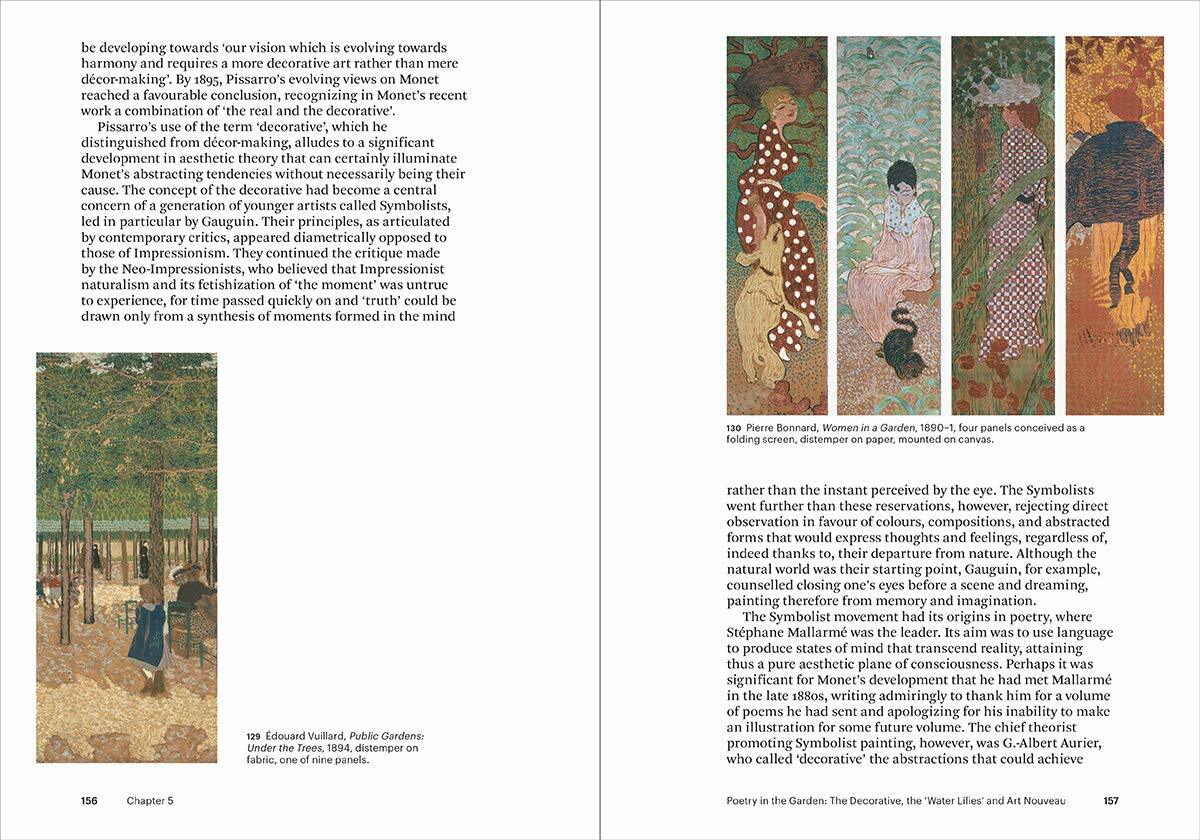
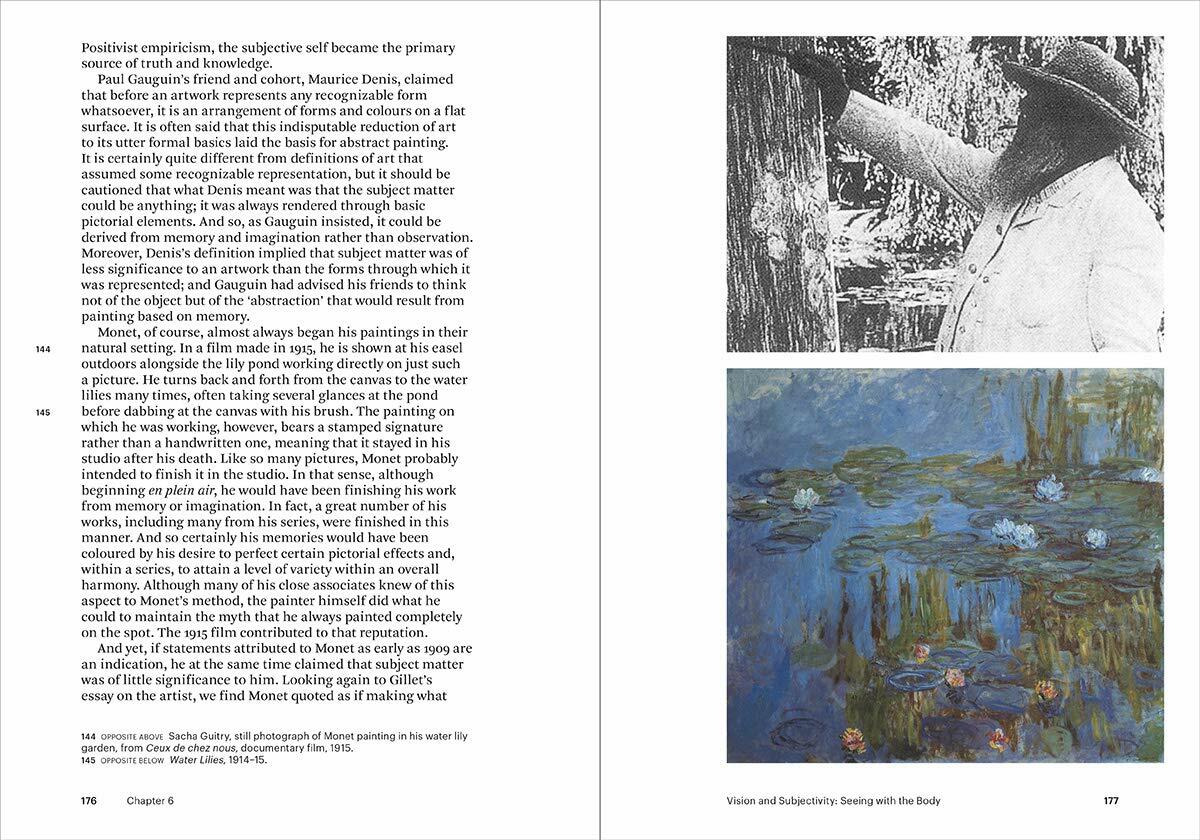
Claude Monet (1840–1926) is one of the most admired and famous painters of all time, and the architect of Impressionism: a revolution that gave birth to modern art. His technique – painting out of doors, at the seashore or in the city streets – was as radically new as his subject matter, the landscapes and middle-class pastimes of a newly industrialized Paris. Painting with an unprecedented immediacy and authenticity, Monet claimed that his work was something new: both natural and true.
In this new introductory study, James H. Rubin – one of the world’s foremost specialists in 19th-century French art – traces the development of Monet’s practice, from his early work as a caricaturist to the late paintings of waterlilies and his garden at Giverny. Rubin explores the cultural currents that helped to shape Monet’s work: the utopian thought that gave rise to his politics; his interest in Japanese prints, gardening, and trends in the decorative arts; and his relationship with earlier French landscape painters as well as such contemporaries as Manet and Renoir.