Description
When travelling, we are often in a hurry to complete a checklist: photograph the landmarks, visit the famous shops, find the restaurants saved in advance, and then rush on to the next destination. A city is reduced to a sequence of instantly recognisable names, while a building is often remembered only by the façade that looks best in photographs. On Tour with Renzo Piano proposes another way of travelling: instead of simply standing in front of a building, take the time to truly step inside.
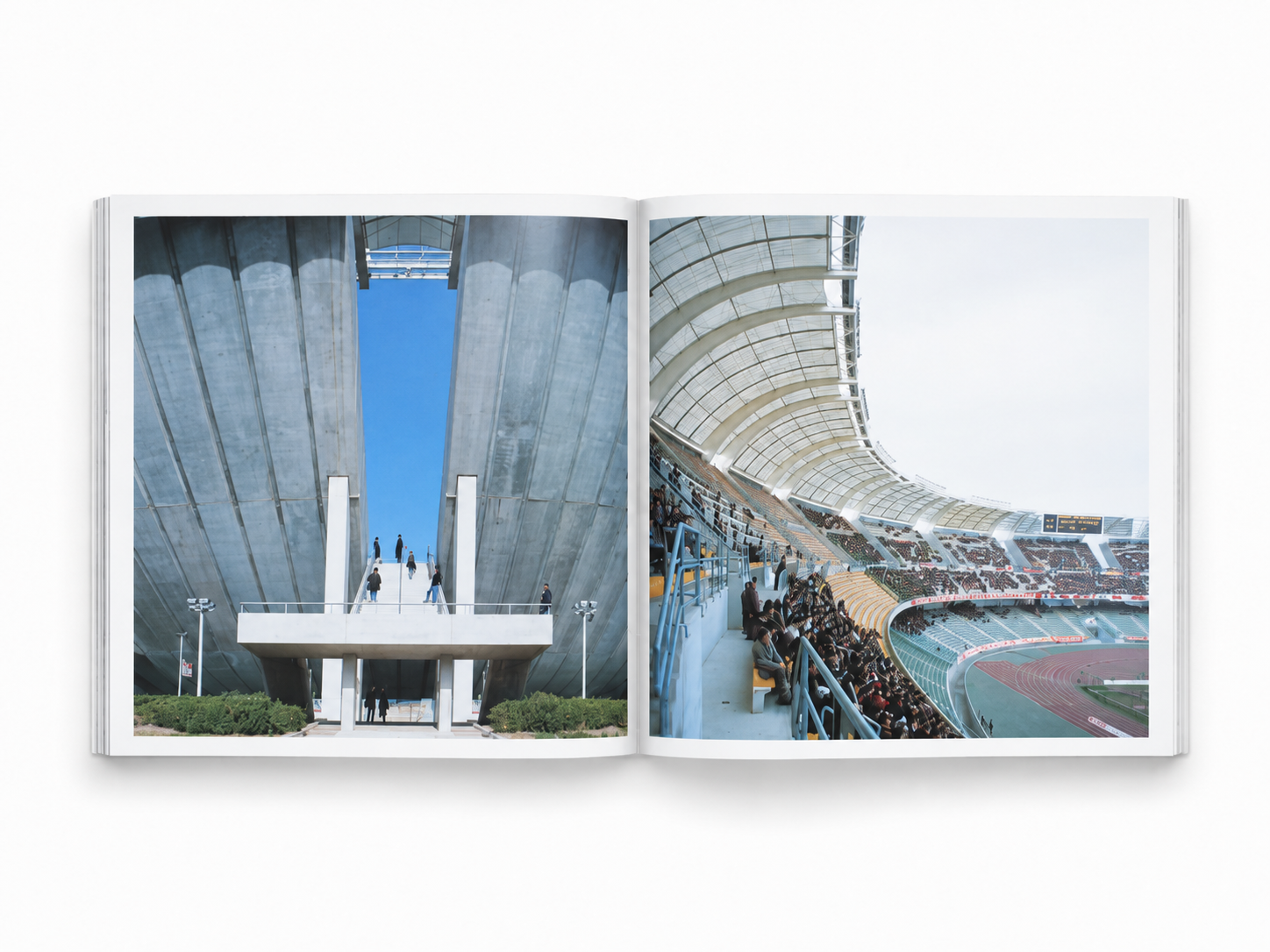
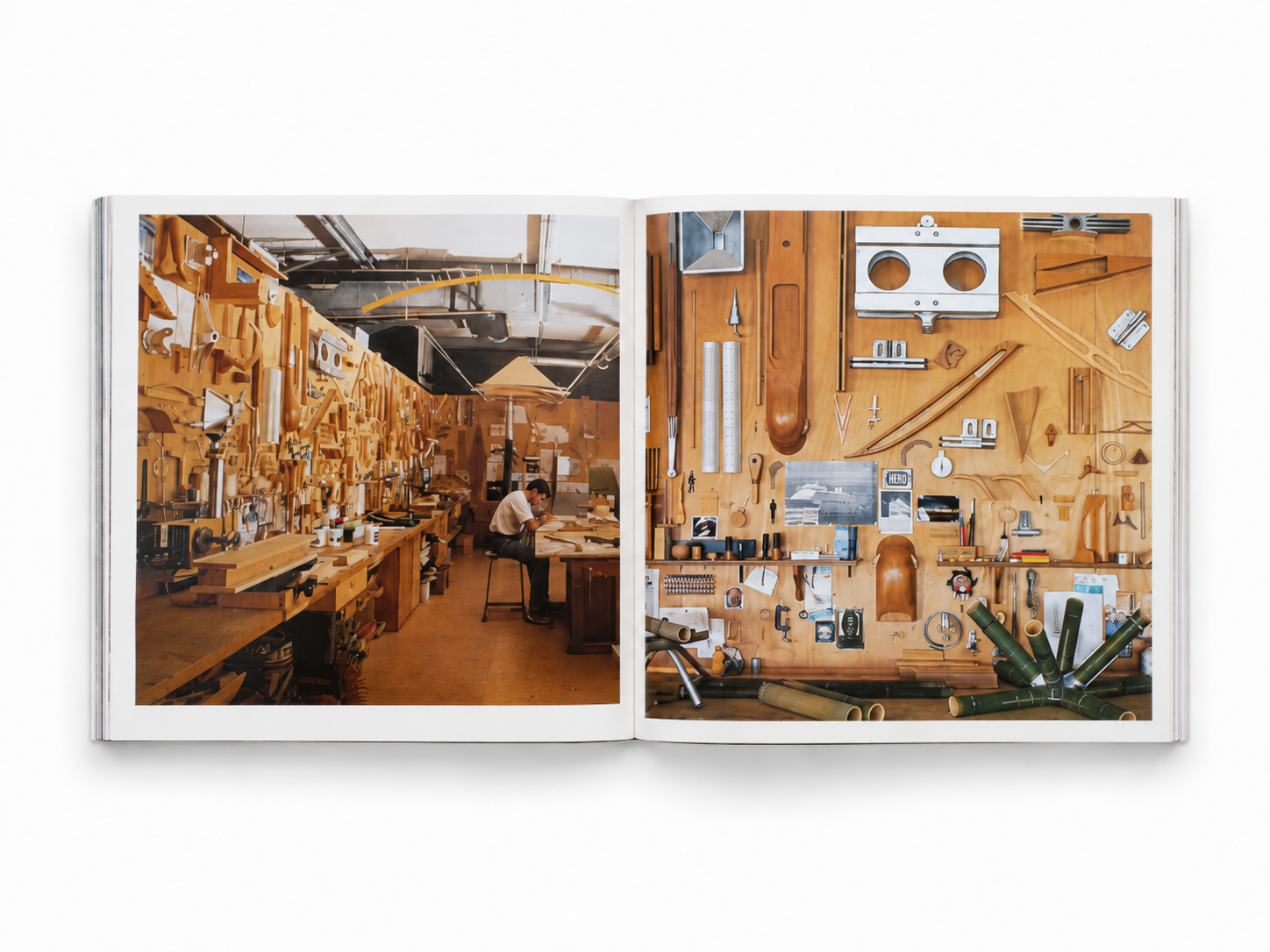
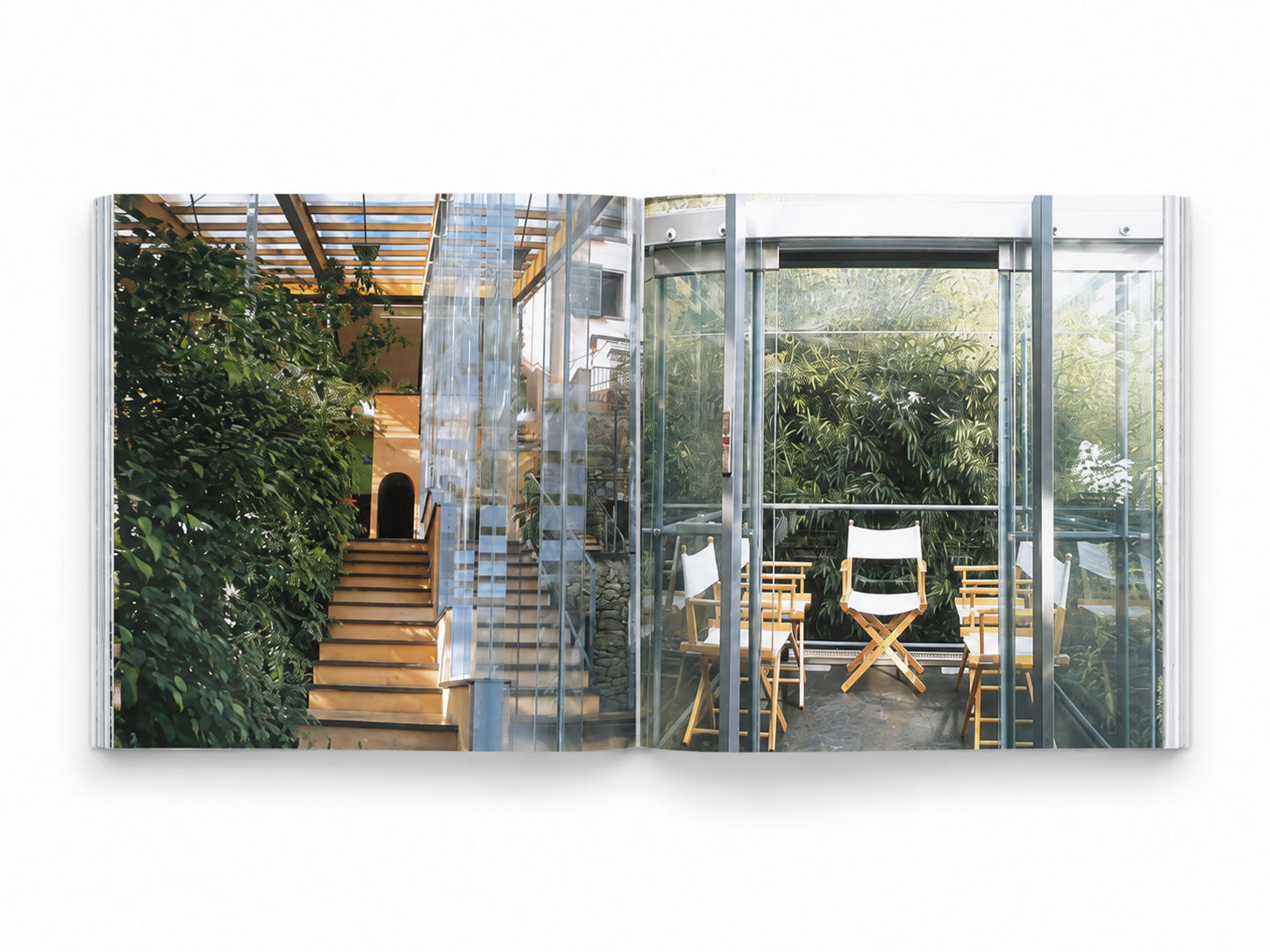
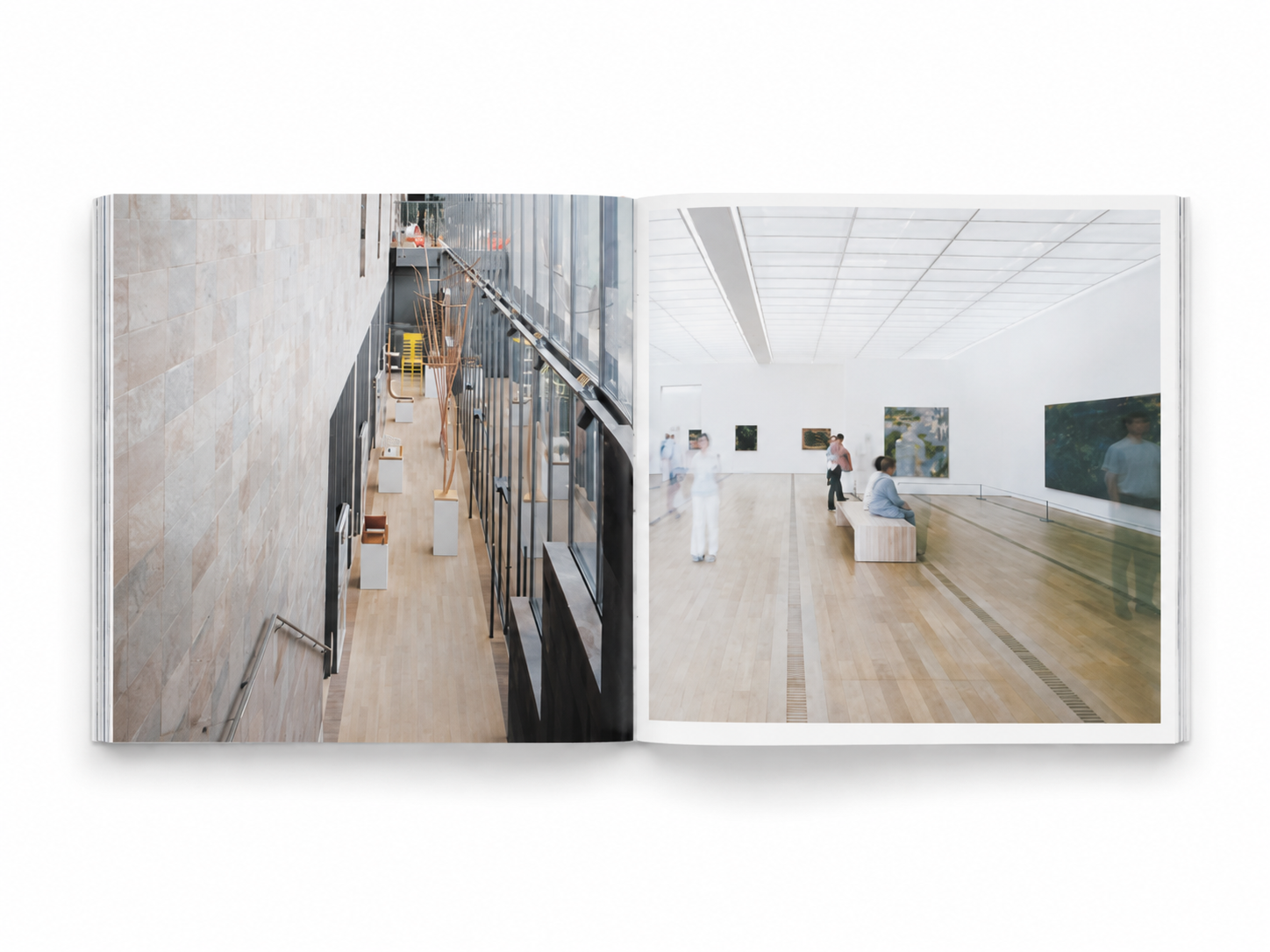
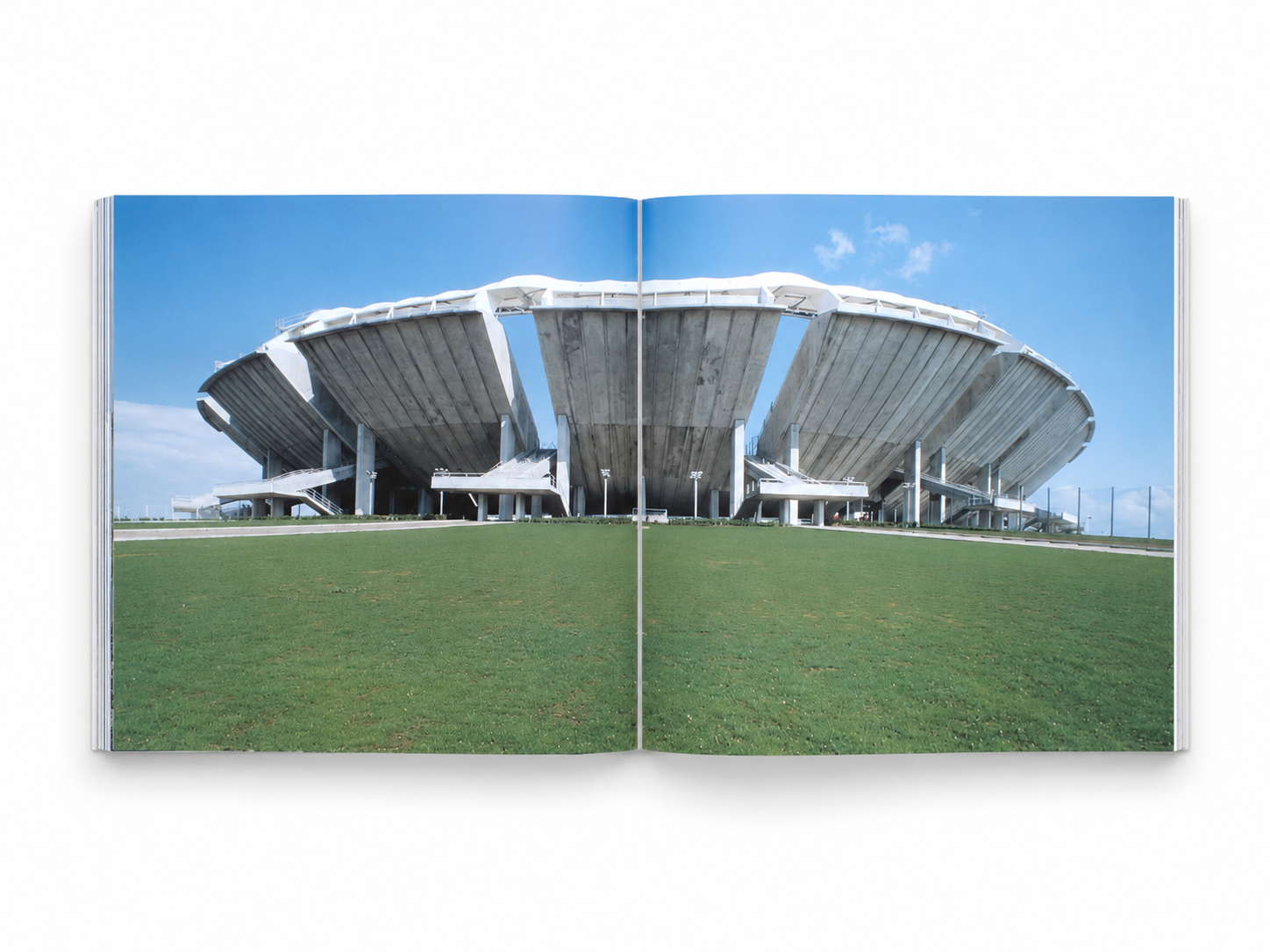
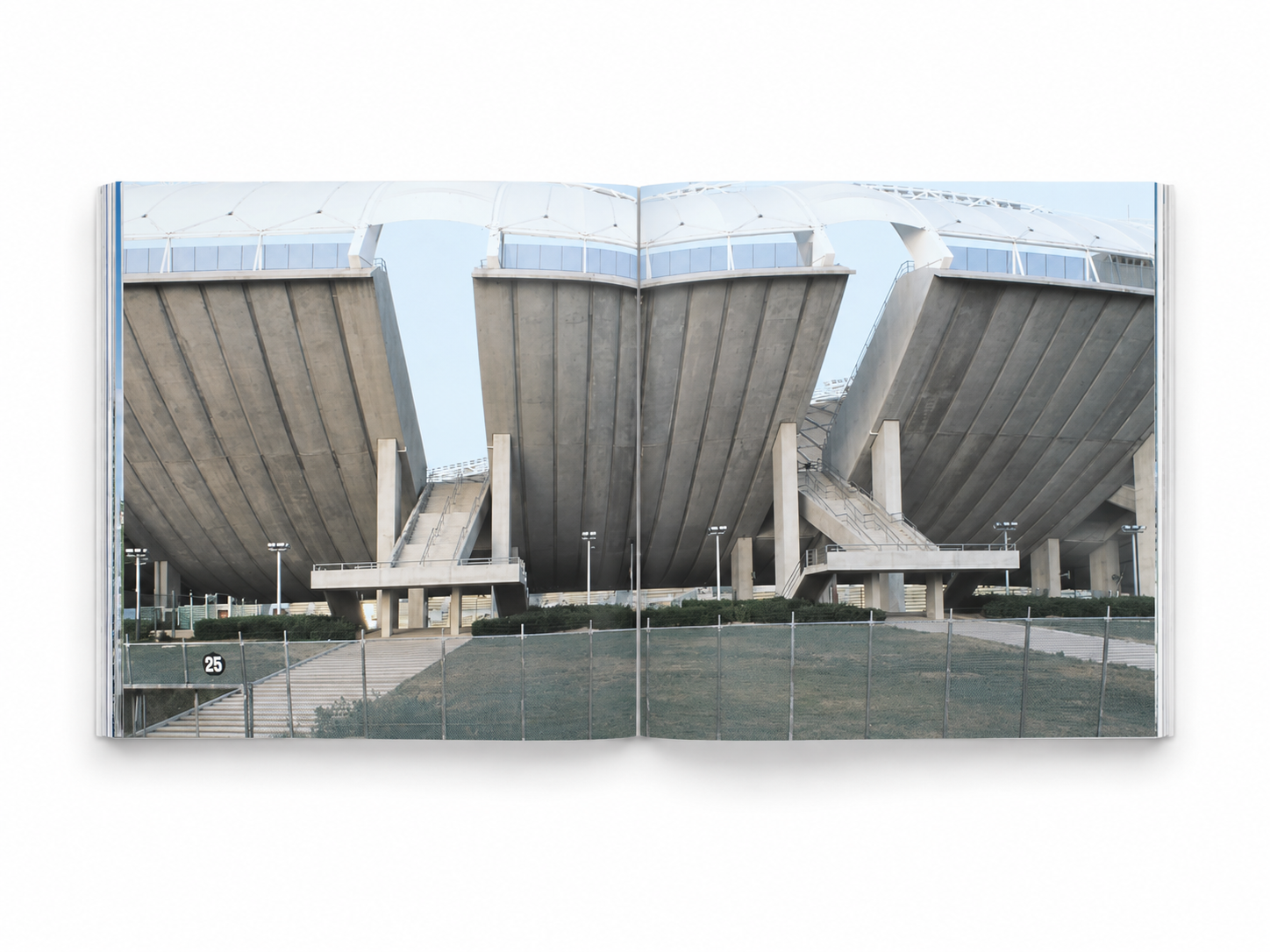
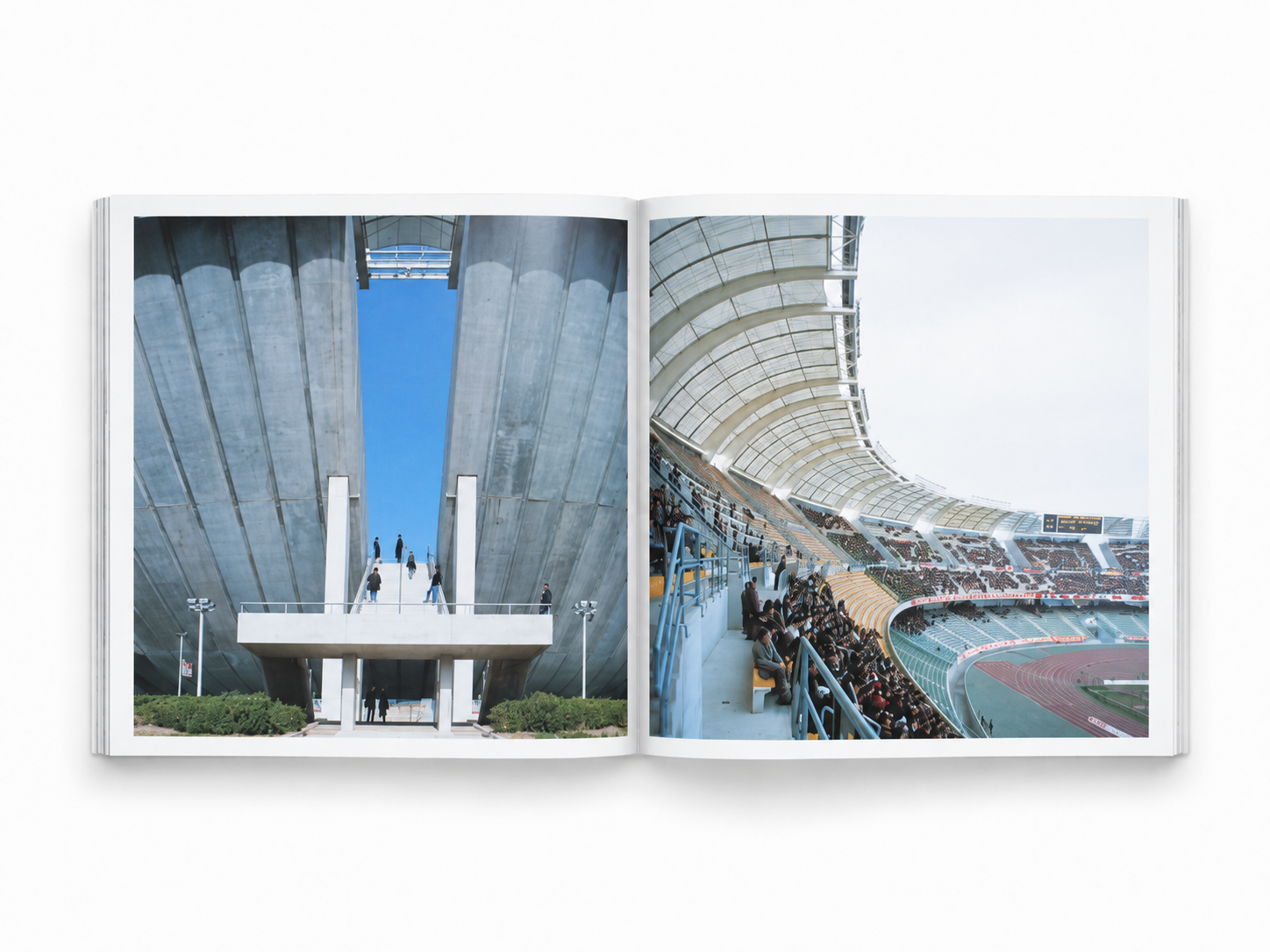
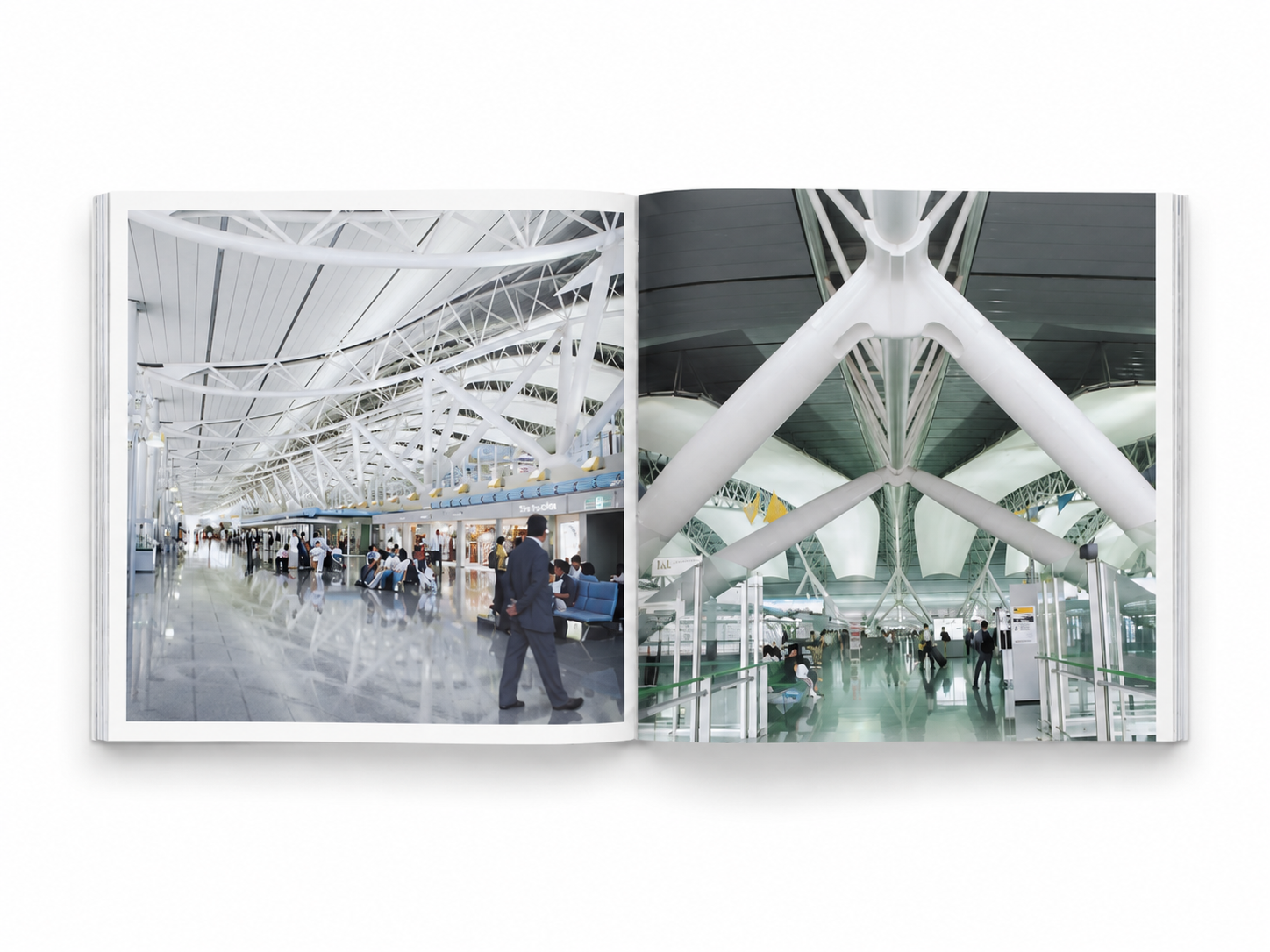
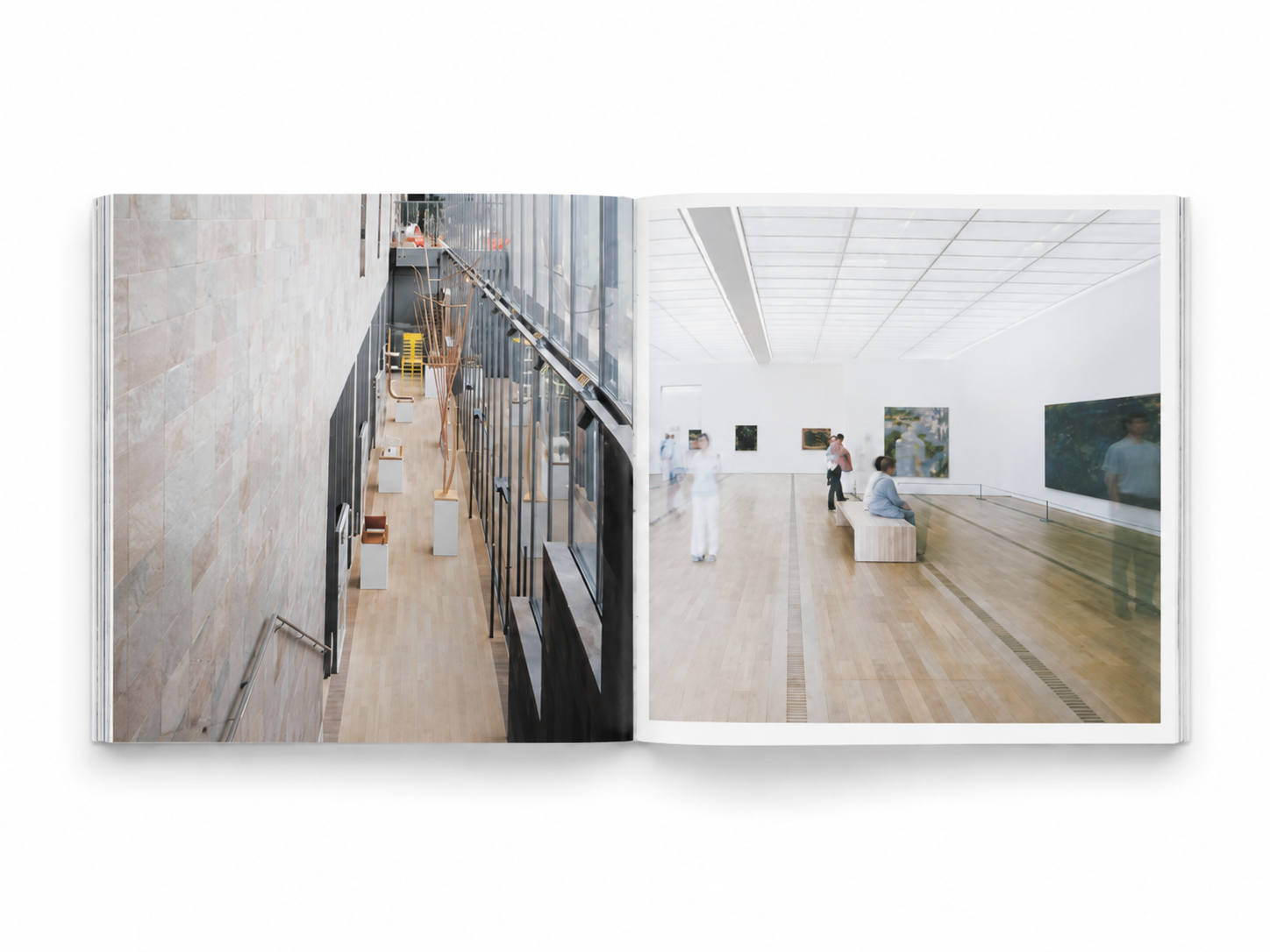
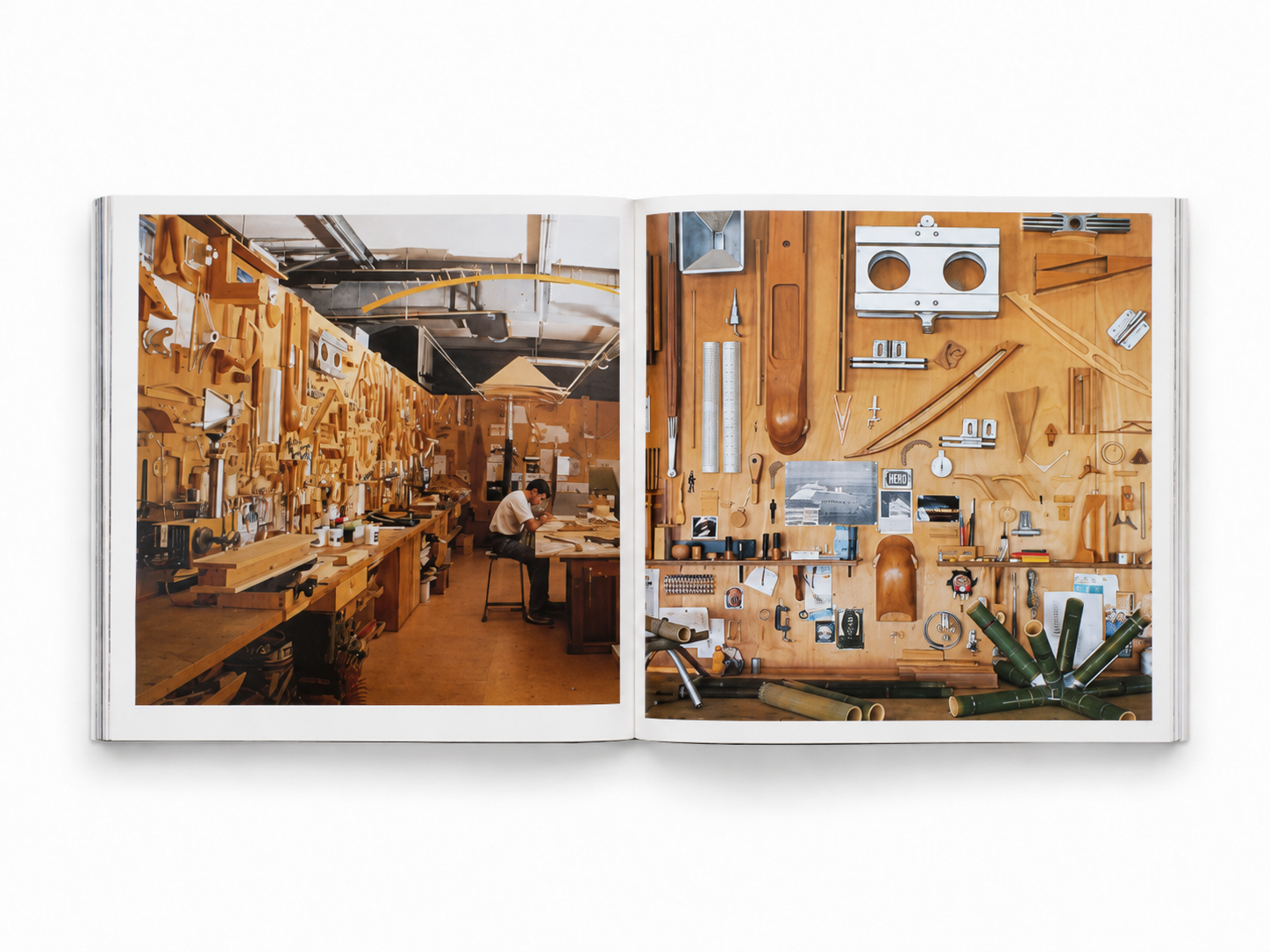
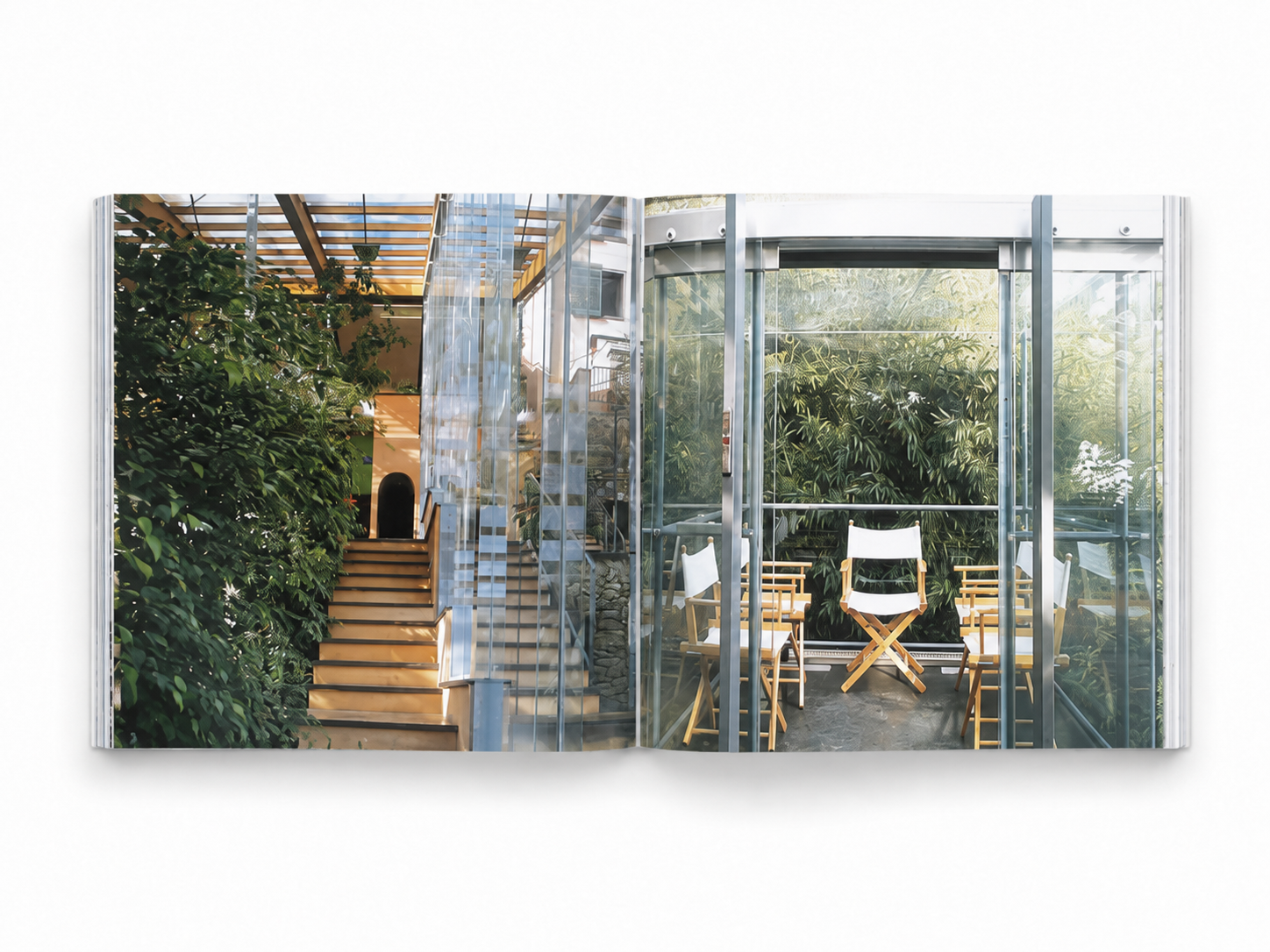
In this book, Italian architect Renzo Piano personally introduces more than twenty of his most representative projects, including the Centre Pompidou in Paris, the Menil Collection in Houston, Kansai International Airport, Fondation Beyeler in Switzerland, Maison Hermès in Tokyo, and the Tjibaou Cultural Centre in New Caledonia. Rather than presenting these buildings as a list of “must-see destinations,” the book uses continuous photographic sequences to guide readers from the city, street, and surrounding landscape towards the entrance, through public spaces, and finally to details such as window frames, roofs, staircases, structural joints, and the places where light falls.
Renzo Piano’s work reminds us that truly refined architecture does not always need to call attention to itself. A lightweight roof may introduce natural light while maintaining the quiet atmosphere of a gallery; complex structures and mechanical systems may be organised and exposed with such clarity that visitors instinctively understand how the building works. These spaces do not attempt to conquer the viewer through exaggerated forms. Instead, they gradually establish comfort and order through materials, proportion, light, and circulation. Restraint does not indicate an absence of design; rather, it suggests that the design has been integrated so completely that it no longer needs to announce itself.
This way of looking can also be extended to everyday life. We often assume that quality comes from adding more: more equipment, more expensive materials, and more conspicuous decoration. Yet spaces that genuinely endure are often founded on precise decisions about what to include and what to leave out. Whether the light is appropriate, whether the circulation feels natural, or whether a chair has been placed where someone would genuinely want to sit—these details may not be immediately visible in photographs, but they ultimately determine whether a place allows us to relax, concentrate, and remain a little longer.
Measuring only sixteen centimetres square yet containing more than three hundred pages, On Tour with Renzo Piano feels less like a monumental architectural monograph designed to dominate a table and more like a travel notebook made for casual browsing. The next time you enter a museum, railway station, or concert hall, consider putting down your phone. Look at the building from across the street and observe how it enters the city, then notice the scale of the entrance, the changes beneath your feet, and the way light draws you towards the next space.
Measuring only sixteen centimetres square yet containing more than three hundred pages, On Tour with Renzo Piano feels less like a monumental architectural monograph designed to dominate a table and more like a travel notebook made for casual browsing. The next time you enter a museum, railway station, or concert hall, consider putting down your phone. Look at the building from across the street and observe how it enters the city, then notice the scale of the entrance, the changes beneath your feet, and the way light draws you towards the next space. A remarkable building does not necessarily reveal all its answers at first glance; only by entering it and allowing your footsteps to follow the shifting light and shadow will its hidden stories quietly begin to emerge.
DETAILS
Author: Renzo Piano Building Workshop
Publisher: Phaidon Press
Publication Year: 2004
Dimensions: 17 × 17 cm
Binding: Hardcover
Pages: 336