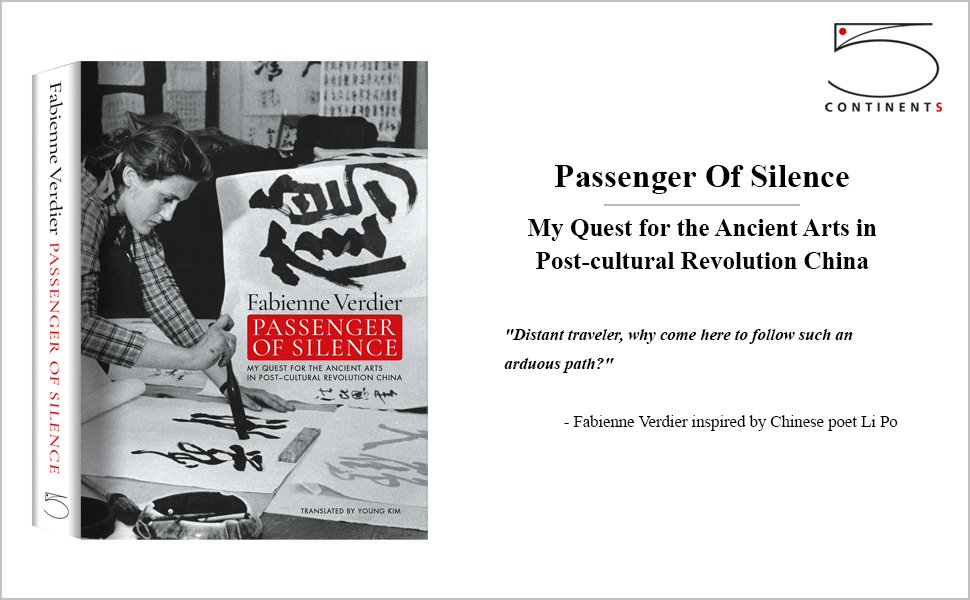
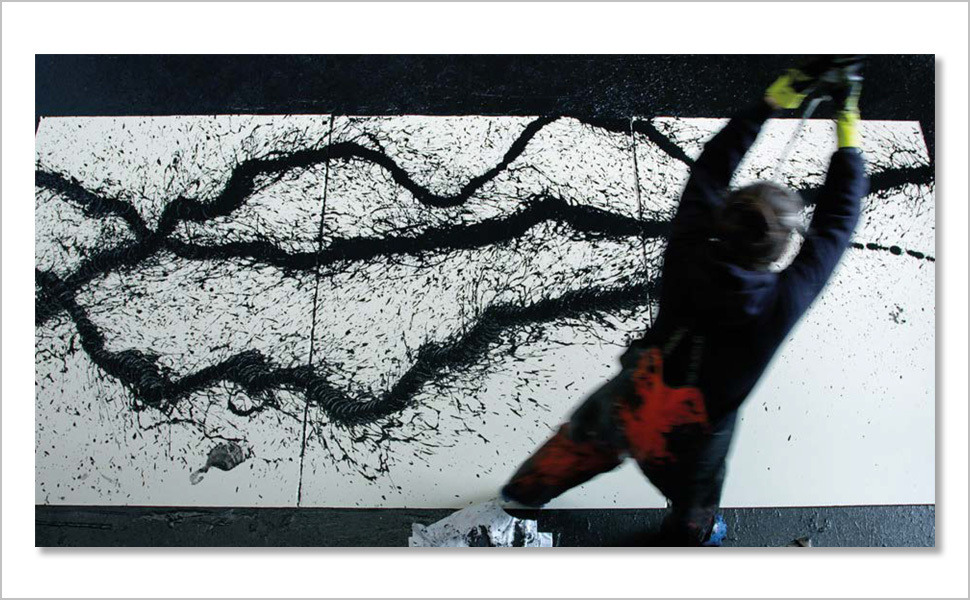
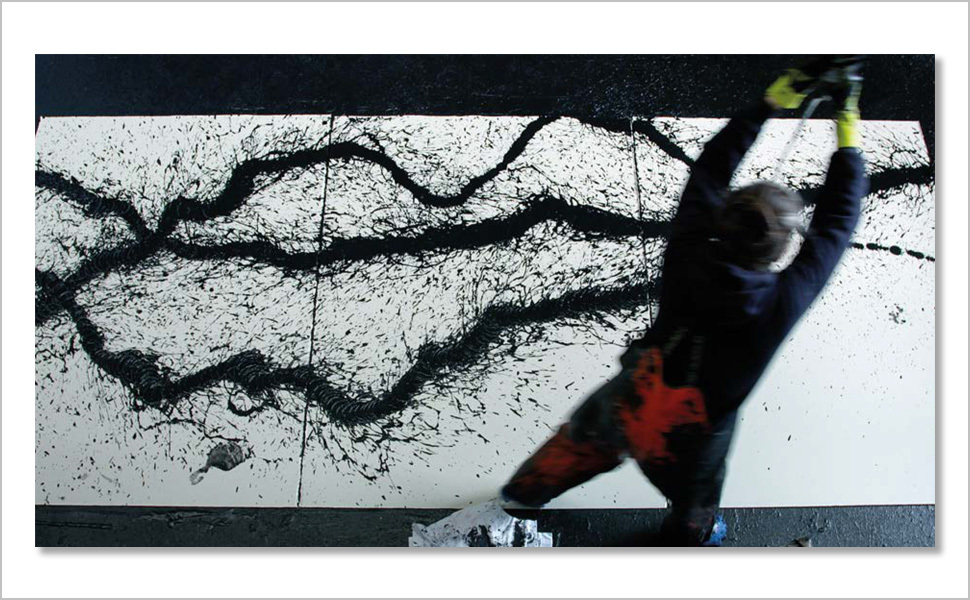
DescriptionA vast, continuous brushstroke frequently appears in Fabienne Verdier’s paintings. At times, the ink is as dense and weighty as a mountain ridge; at others, it separates at the edges into fine fibres. The speed, pauses, and weight of the moving brush are all preserved within a single trace. Although it may appear to have been completed in only a few seconds, it actually contains bodily balance, the rhythm of breathing, the resistance of materials, and years of practice. Passenger of Silence records what came before such a stroke could take shape: how a young painter relearned how to see and how to place the brush on the page.
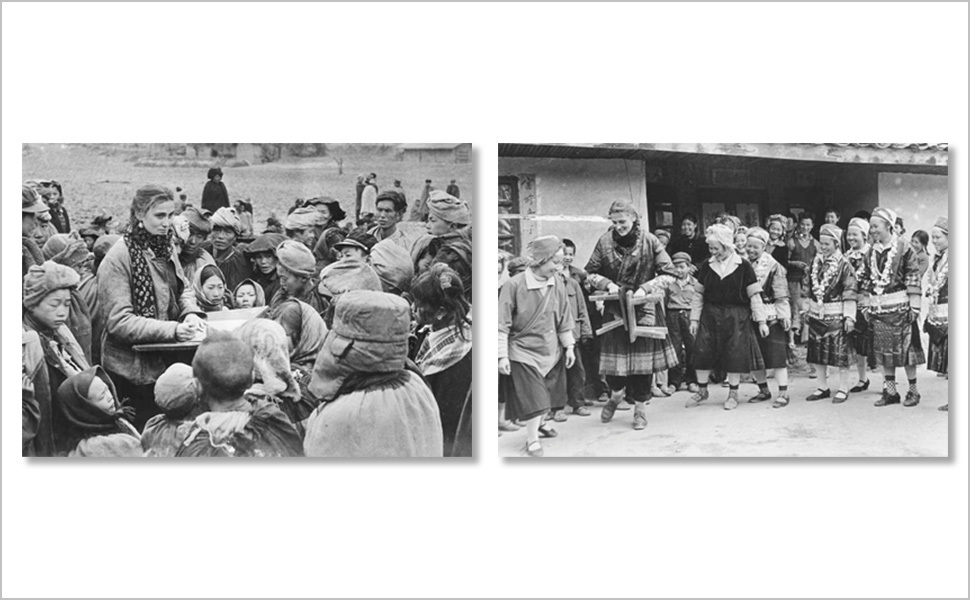
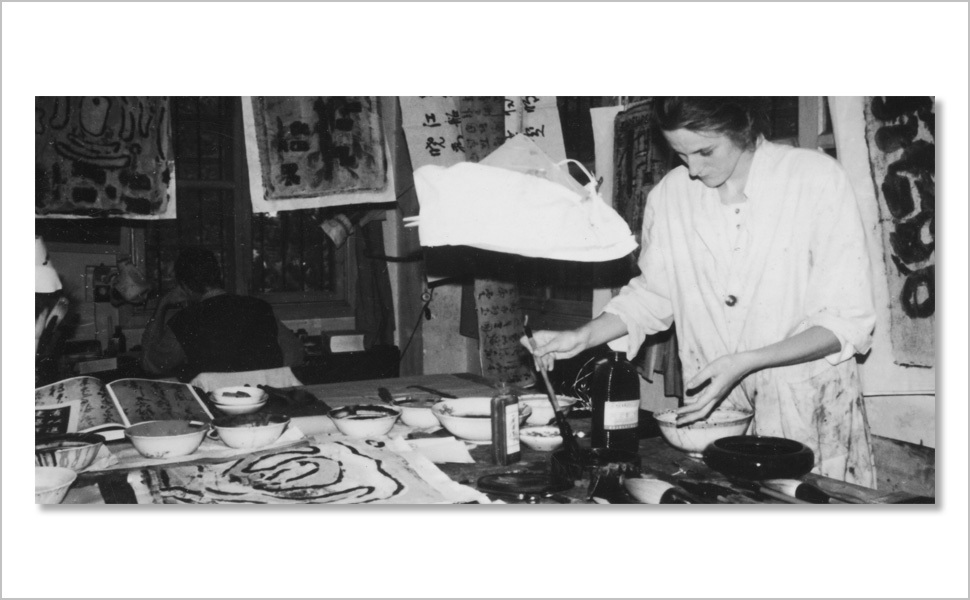
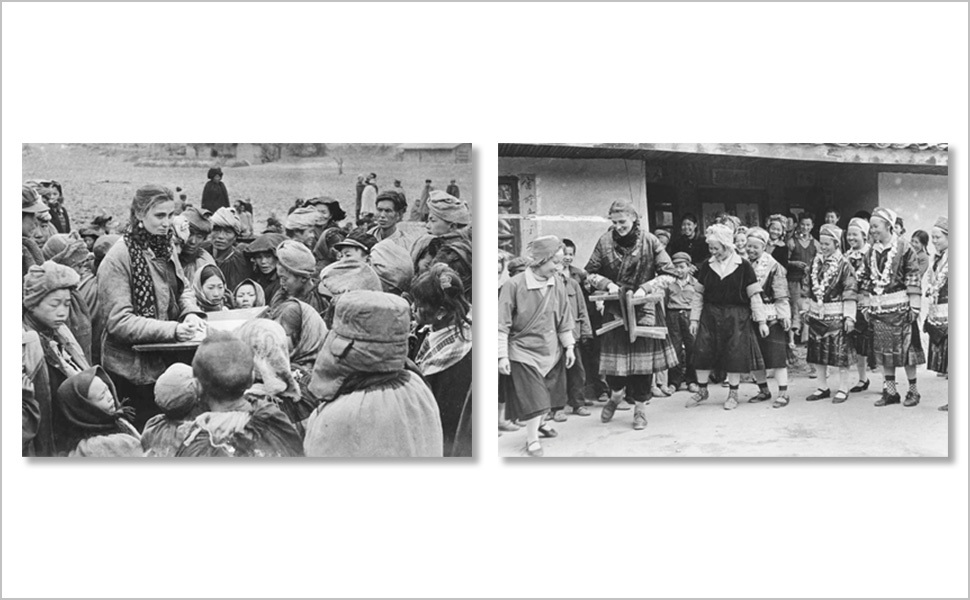
In 1984, Verdier left the French art education system and travelled to China, not long after the end of the Cultural Revolution, to study calligraphy, ink painting, and Chinese aesthetics at the Sichuan Fine Arts Institute. She had originally hoped to encounter traditional painting, only to discover that many artists of the older generation, along with their knowledge, had been excluded from formal education. Language barriers, communal living, administrative restrictions, and material scarcity made the experience far more difficult than she had anticipated. Yet what truly transformed her was not a set of foreign techniques that could be mastered quickly, but an understanding of art fundamentally different from that of Western academic training.
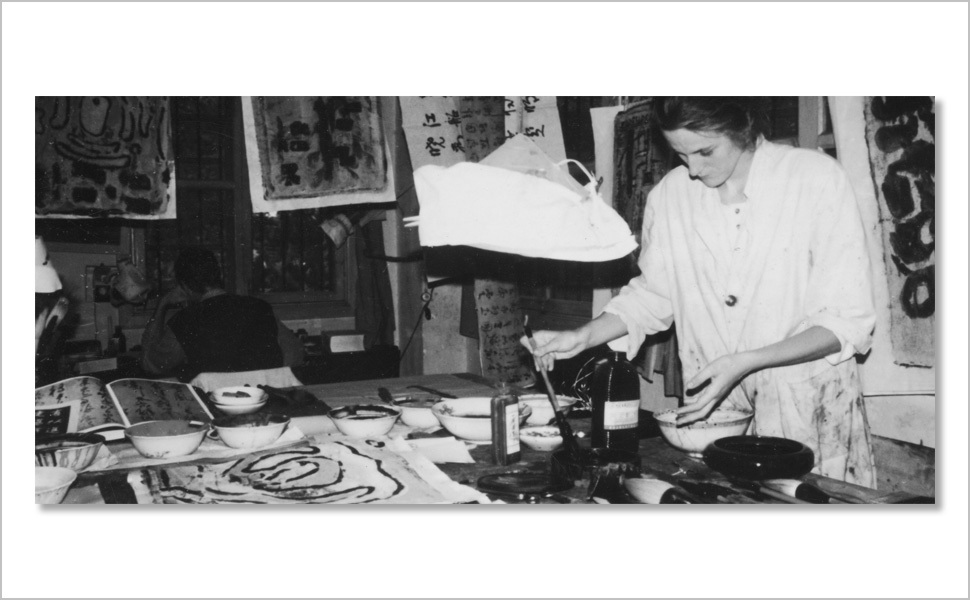
In Chinese calligraphy and painting, a line is never merely an outline. The preparation before the brush descends, the angle at which its tip touches the paper, the speed with which the ink penetrates the fibres, and the empty spaces left within the stroke can all reflect the artist’s mental and physical state at that moment. Verdier’s teachers required her to study calligraphy before turning to painting, because a line must first possess structure, breath, and direction before it can carry the force of nature. She began to understand that painting a tree did not mean copying the outward shape of its branches and leaves, but observing how it grows, how it withstands wind and rain, and how life travels through its trunk and limbs.
Her master–disciple relationship with the calligrapher and painter Huang Yuan forms one of the book’s most important threads. At first, Huang Yuan was unwilling to accept the foreign student as his pupil. Verdier therefore practised over an extended period, leaving each day’s completed work outside his door. Her persistence eventually earned his instruction and introduced her to a form of learning based on demonstration, repetition, and oral transmission. Knowledge no longer existed only in theoretical texts; it was embedded in the way her teacher held the brush, in his habits of observing mountains and water, and in the countless corrections made along the way.
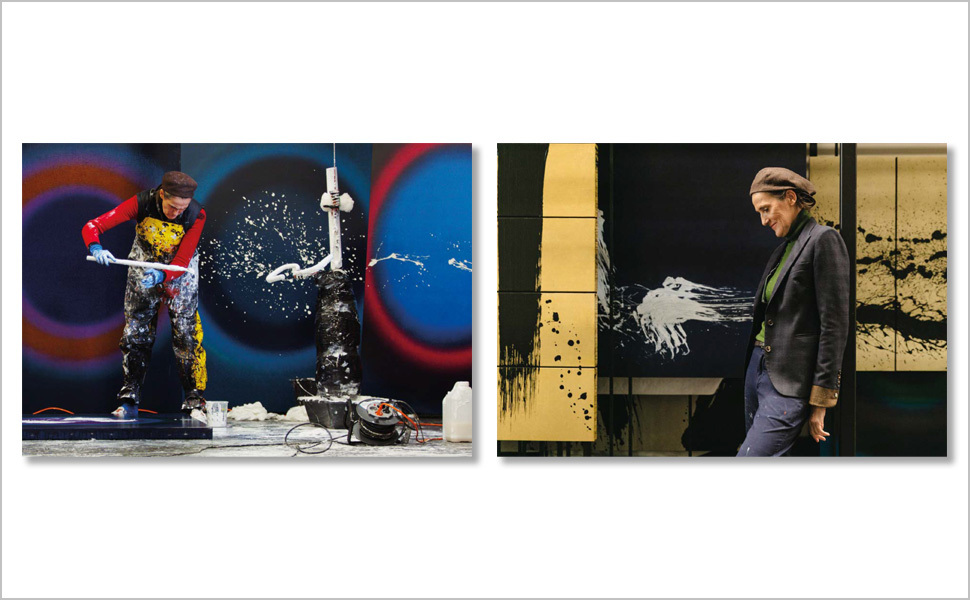
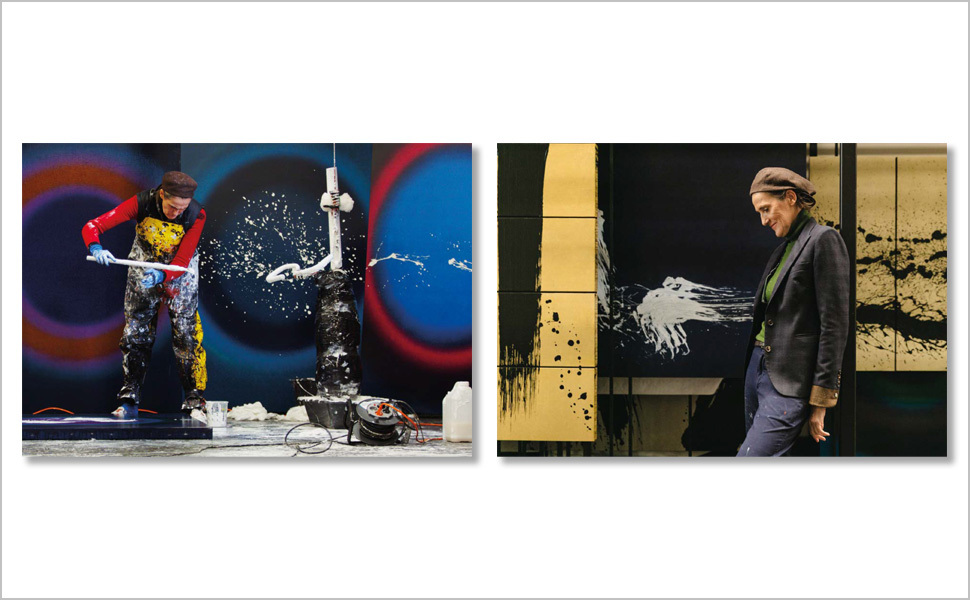
The “silence” in the book’s title is therefore not a romanticized vision of the East. It includes the loneliness of being unable to communicate, the time spent waiting for a teacher’s response, and the discipline of temporarily setting aside one’s existing judgements. Verdier first had to accept becoming a beginner again before she could gradually understand another way of seeing the world. She later suspended enormous brushes in her studio and controlled their movement with the strength of her entire body. The explosive abstract works that resulted are rooted in the precision accumulated through years of silence, copying, and repeated training.
Passenger of Silence also preserves an artistic tradition that stood on the verge of rupture. The elderly artists Verdier sought out had lived through a period in which traditional culture was rejected and destroyed, and the techniques and ideas she learned cannot be separated from the political history of the time. The book is therefore both a memoir of an artist’s development and a record of how knowledge can be preserved outside institutions and transmitted physically from one person to the next.
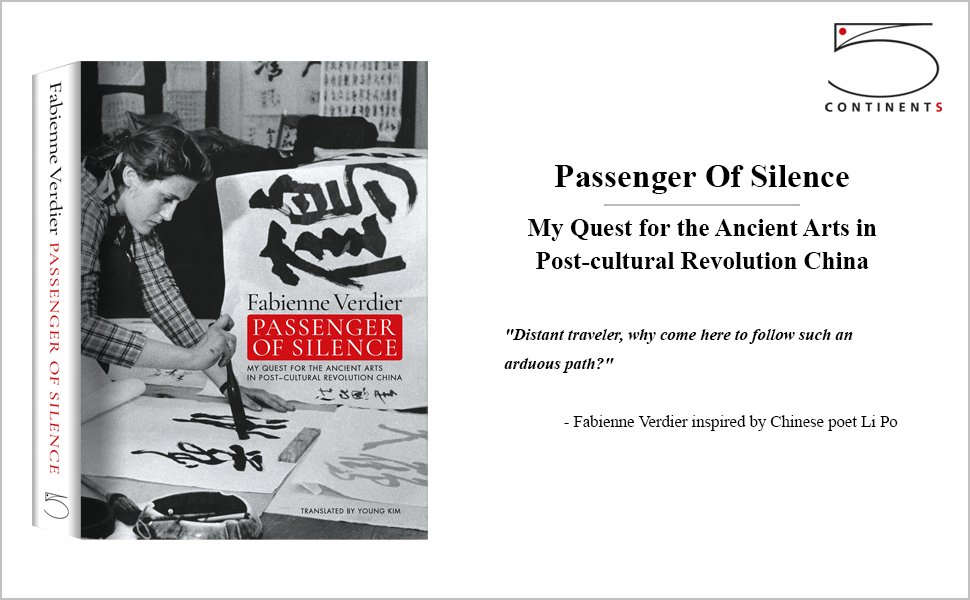
The 2024 English edition contains 128 color and black-and-white images, including photographs of Verdier’s life in China, her calligraphy exercises, and her later works, as well as a glossary of Chinese art and aesthetic terminology. Together, the text and images reveal how she moved from imitating tradition toward gradually establishing a language of her own. Rather than converting Chinese calligraphy into a superficial visual style, she brought its understanding of time, space, breath, and nature into the materials and scale of Western abstract painting.
Turning through Passenger of Silence, readers encounter more than a cross-cultural journey. They witness how an artist allowed her existing knowledge to cease functioning and began rebuilding her practice from a single line. The rapid and powerful brushstroke that would later define Verdier’s paintings can therefore no longer be seen merely as a spontaneous, unrestrained gesture. It is the result of years of observation, waiting, and practice—and proof of how silence can ultimately be transformed into form.
Details
Author︰Fabienne Verdier
Publisher︰Five Continents Editions
Publication Year︰2024
Dimensions︰23 × 1 cm
Binding︰Paperback