【Book Introduction】
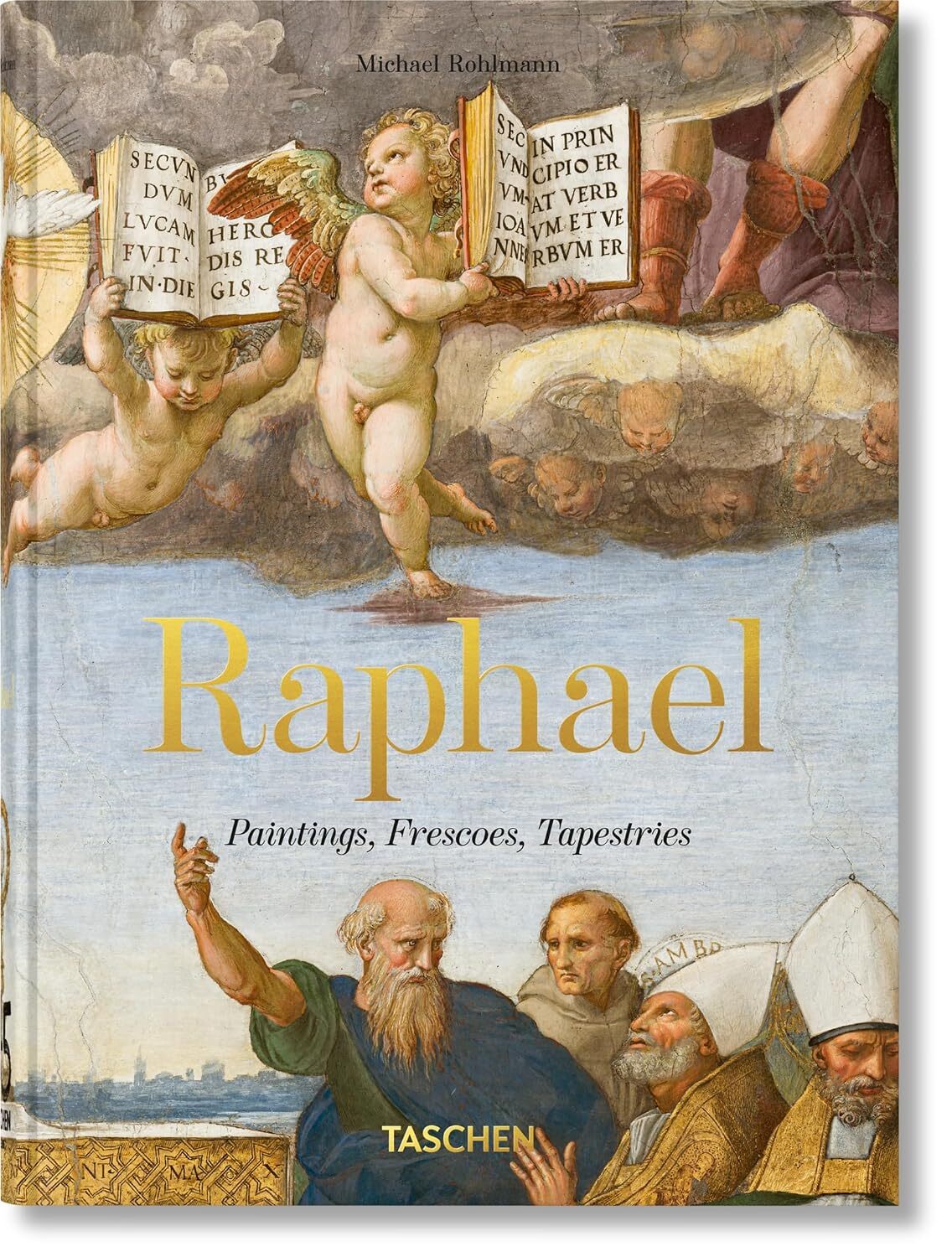
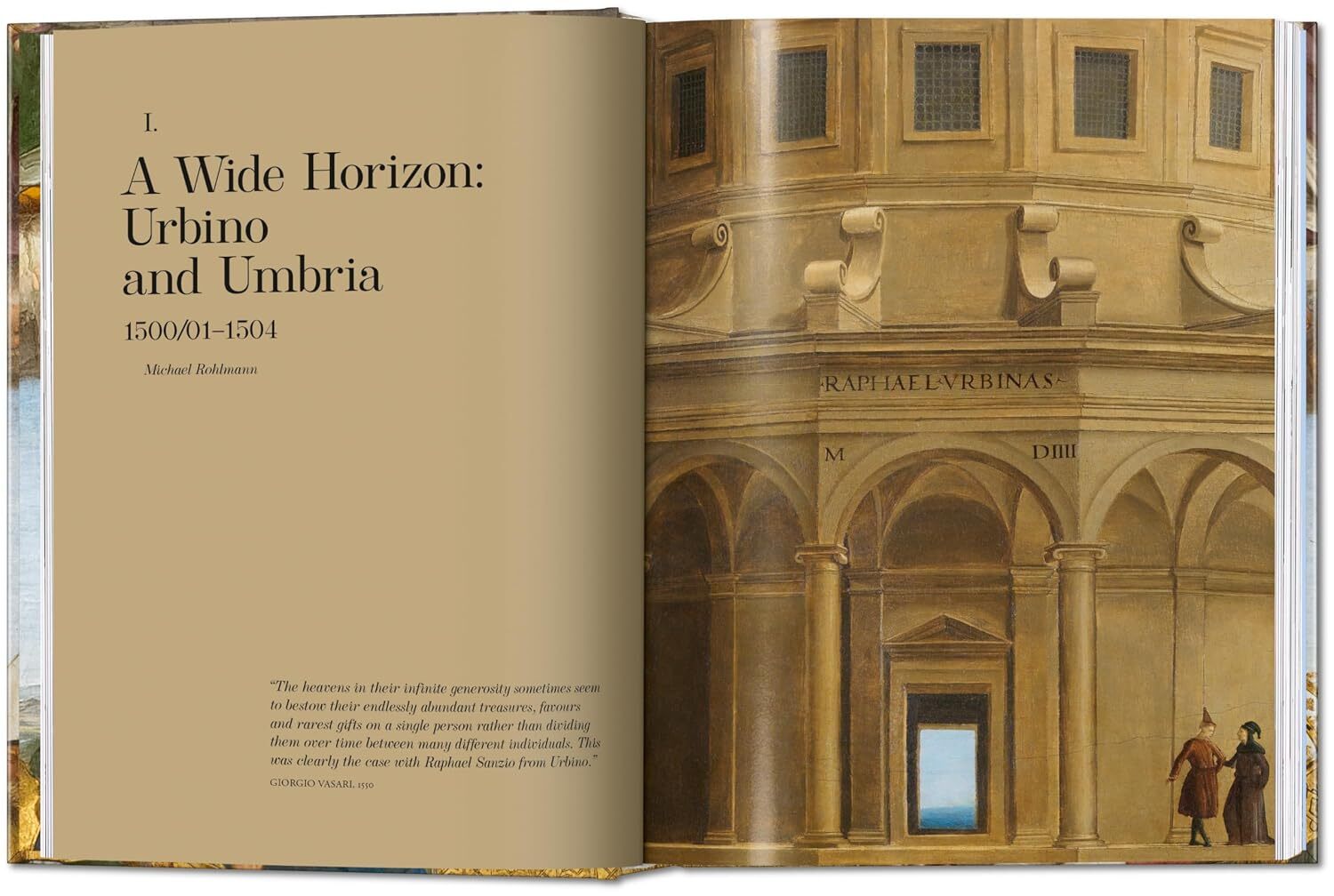
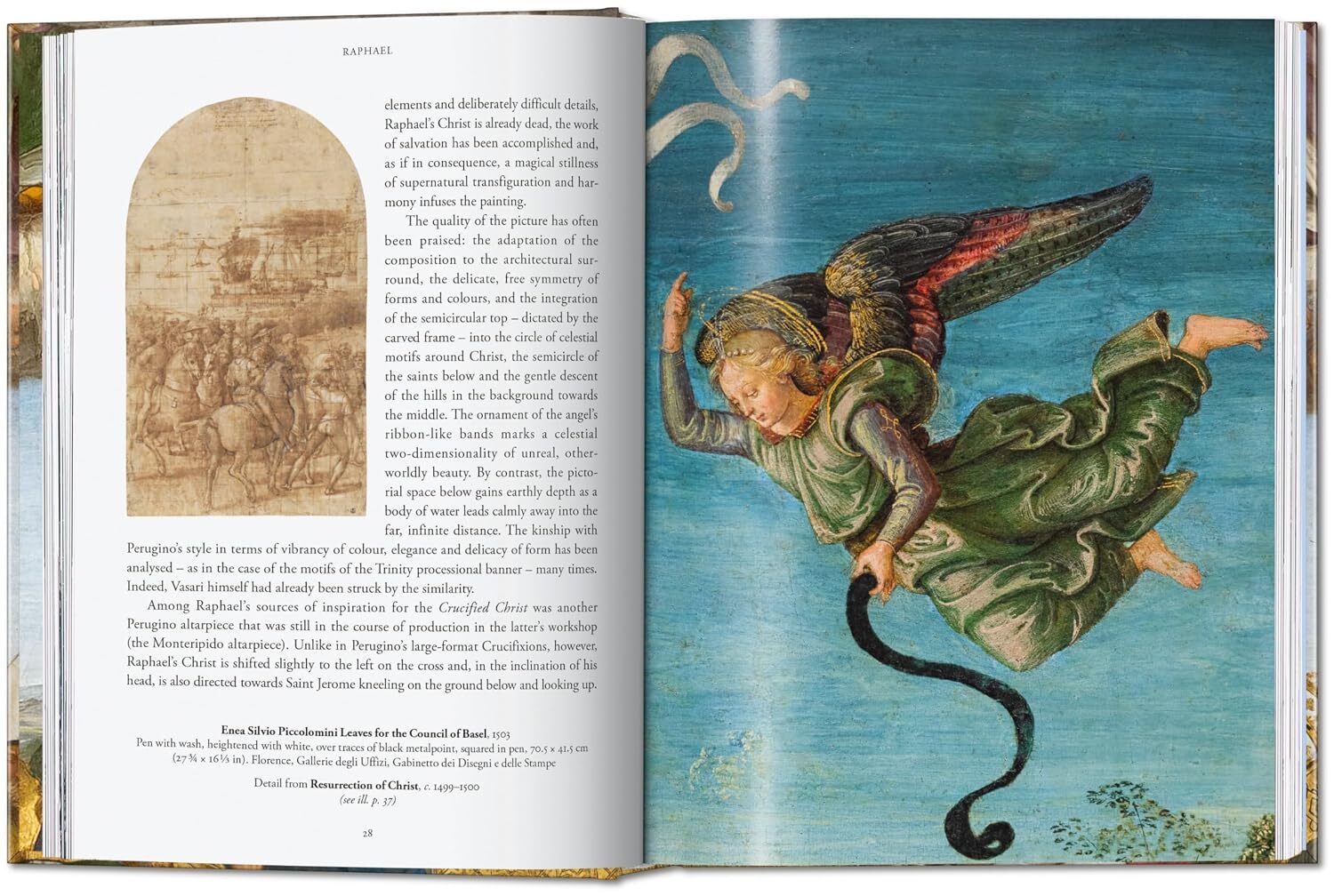
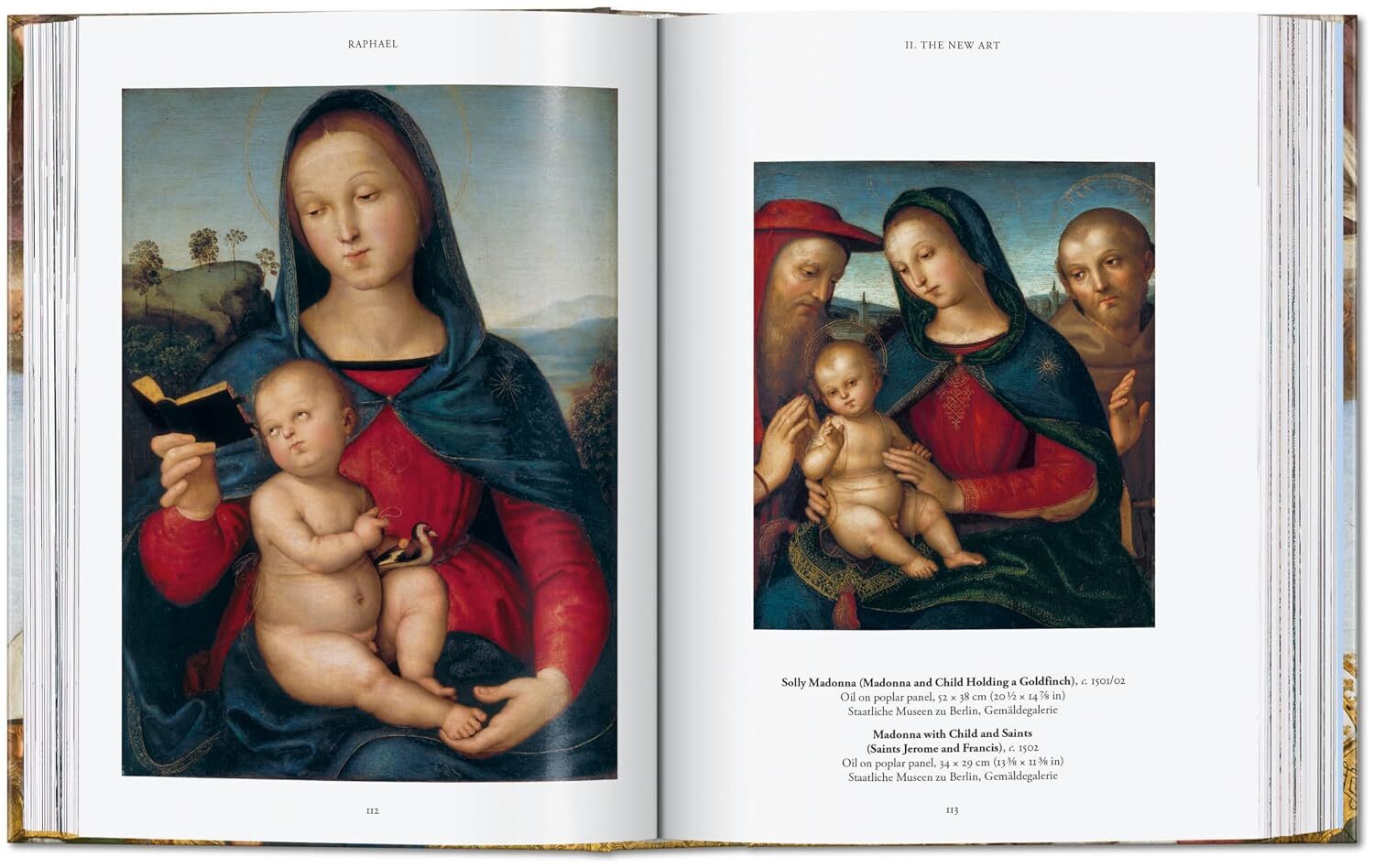
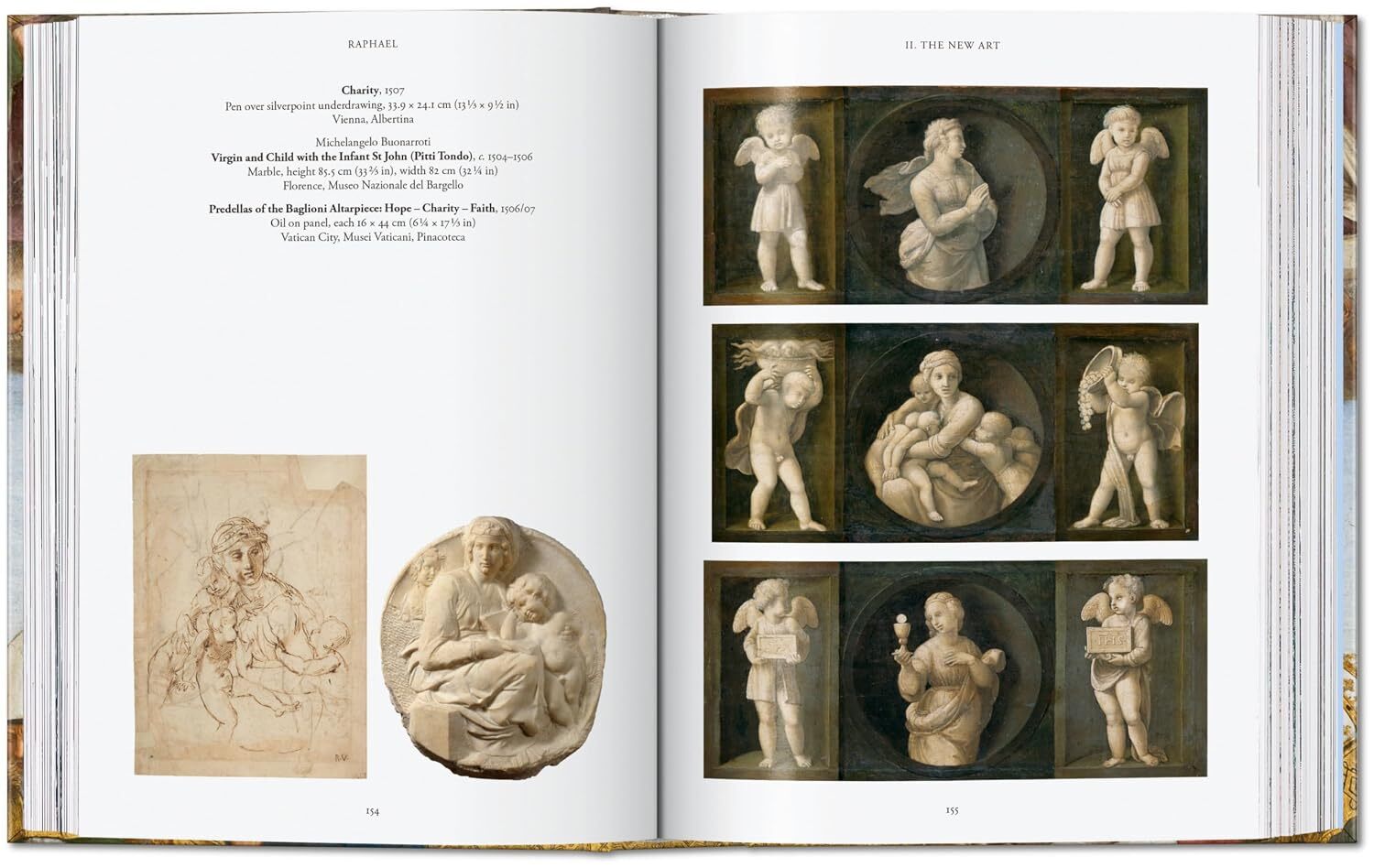
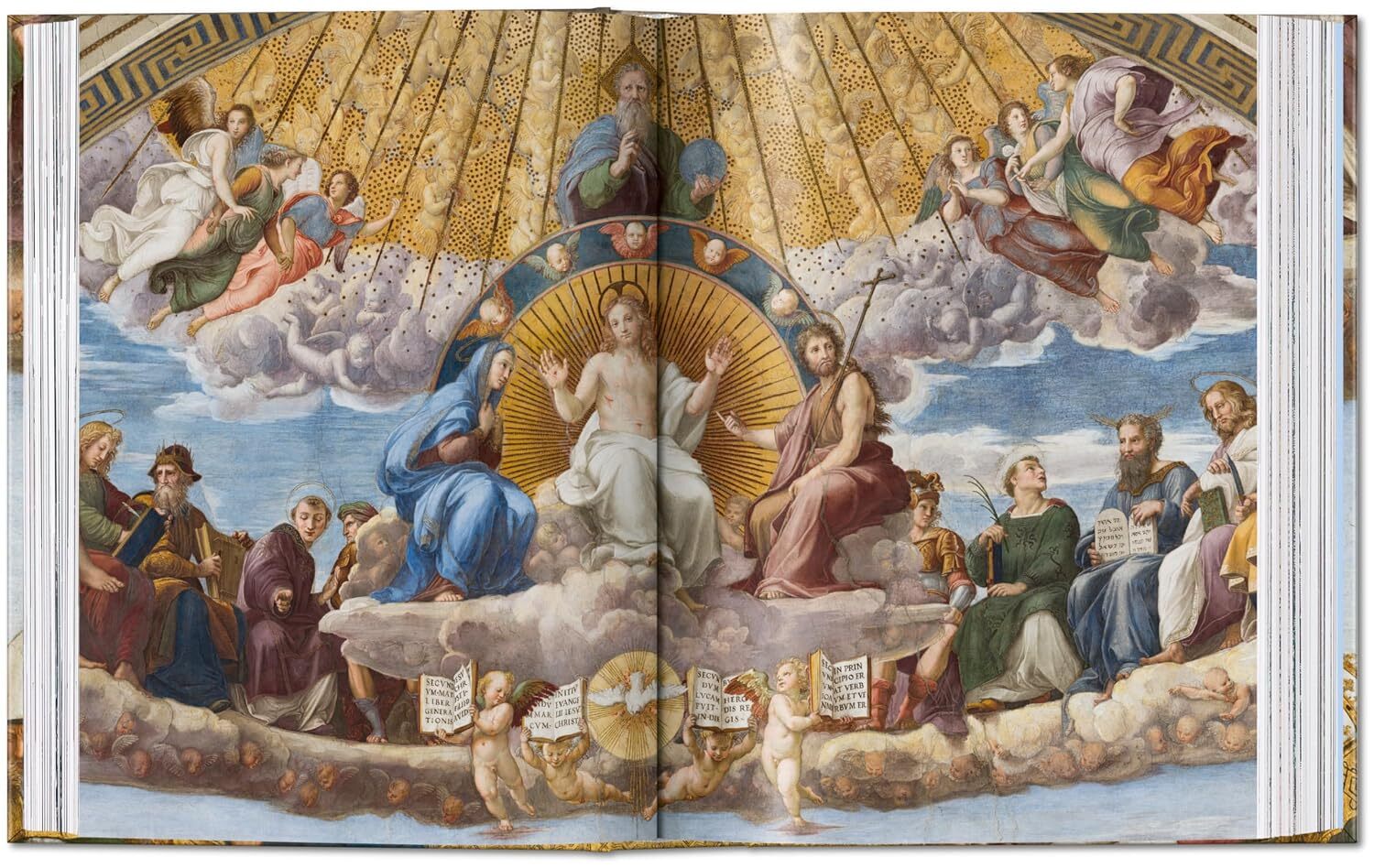
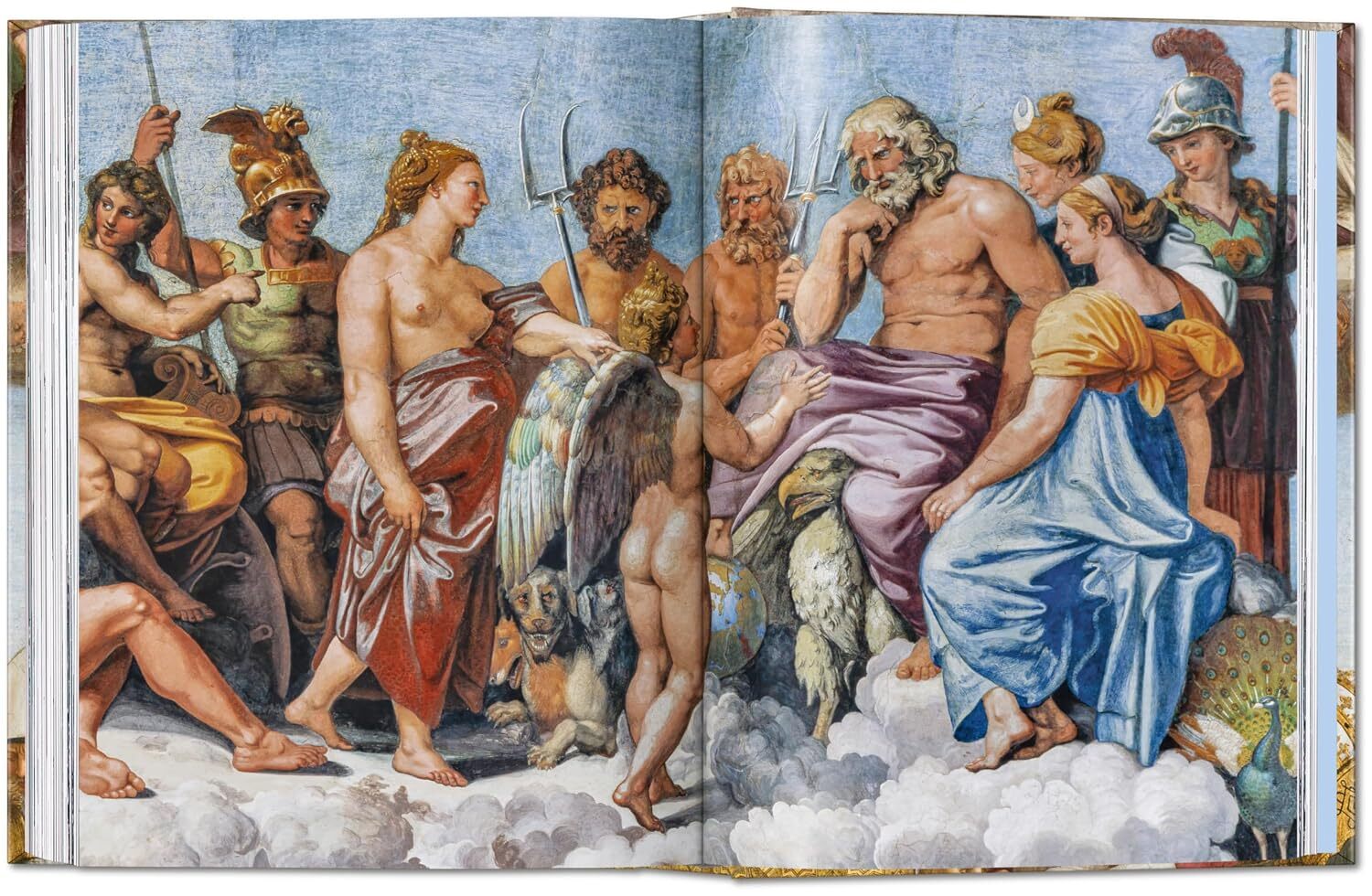
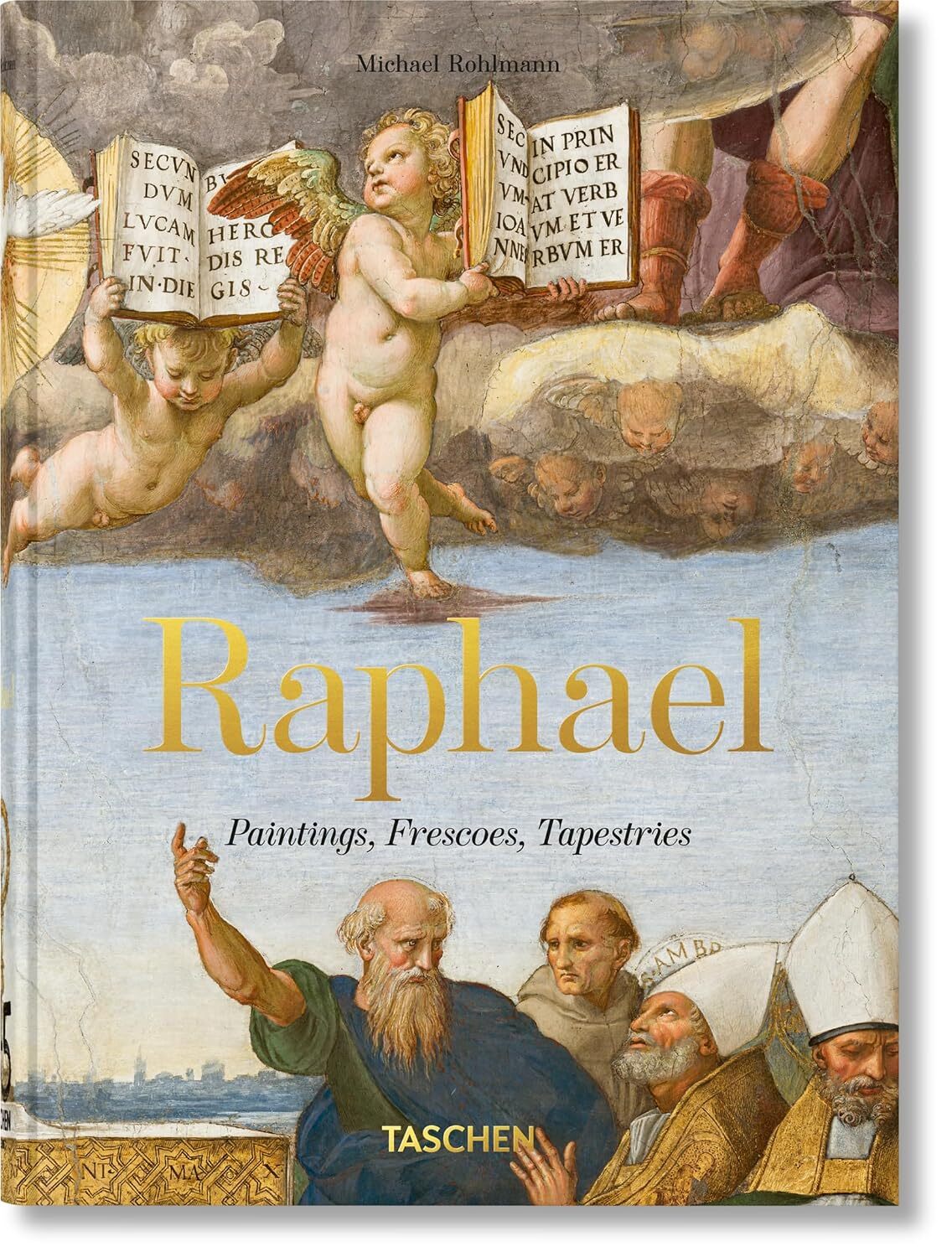
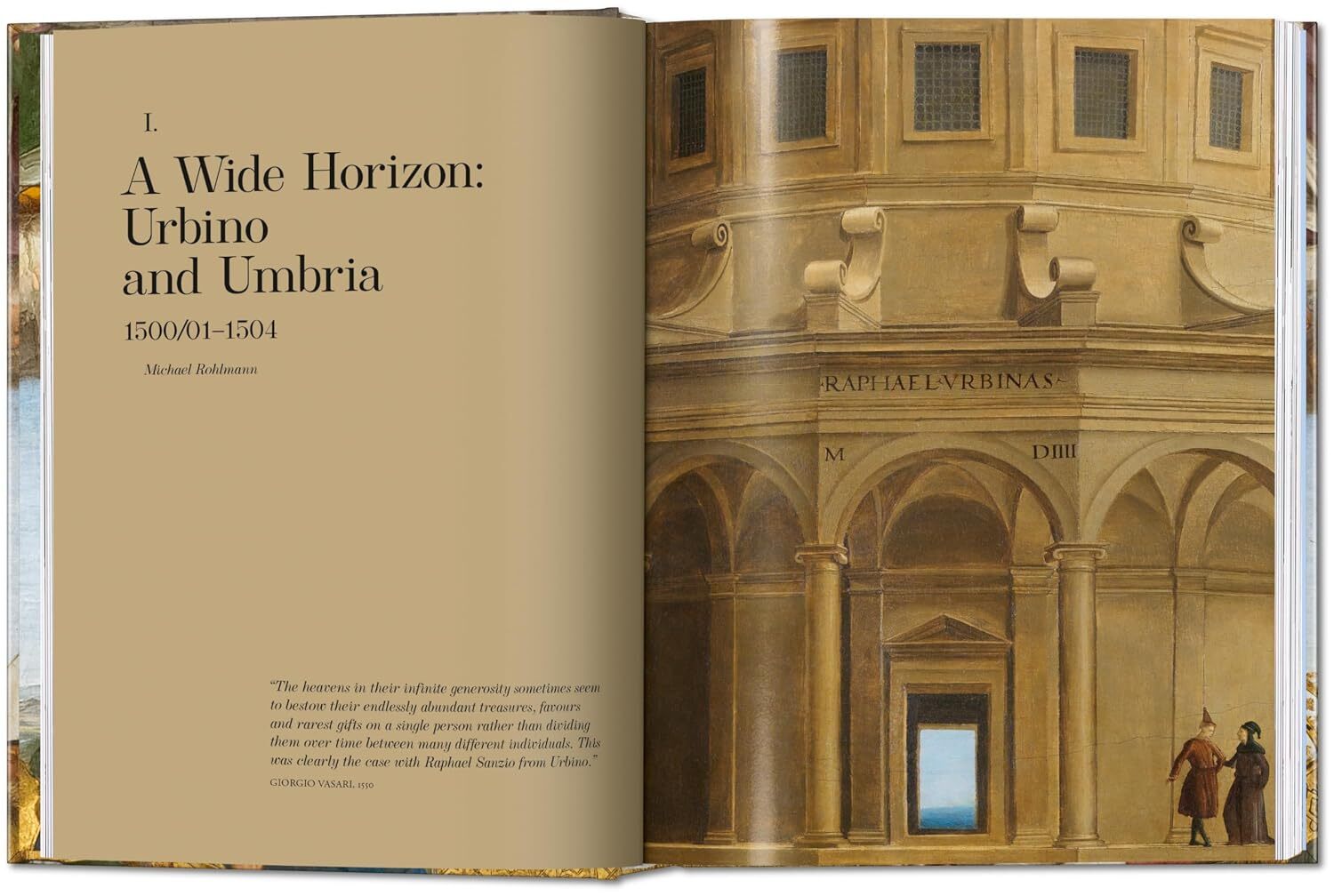
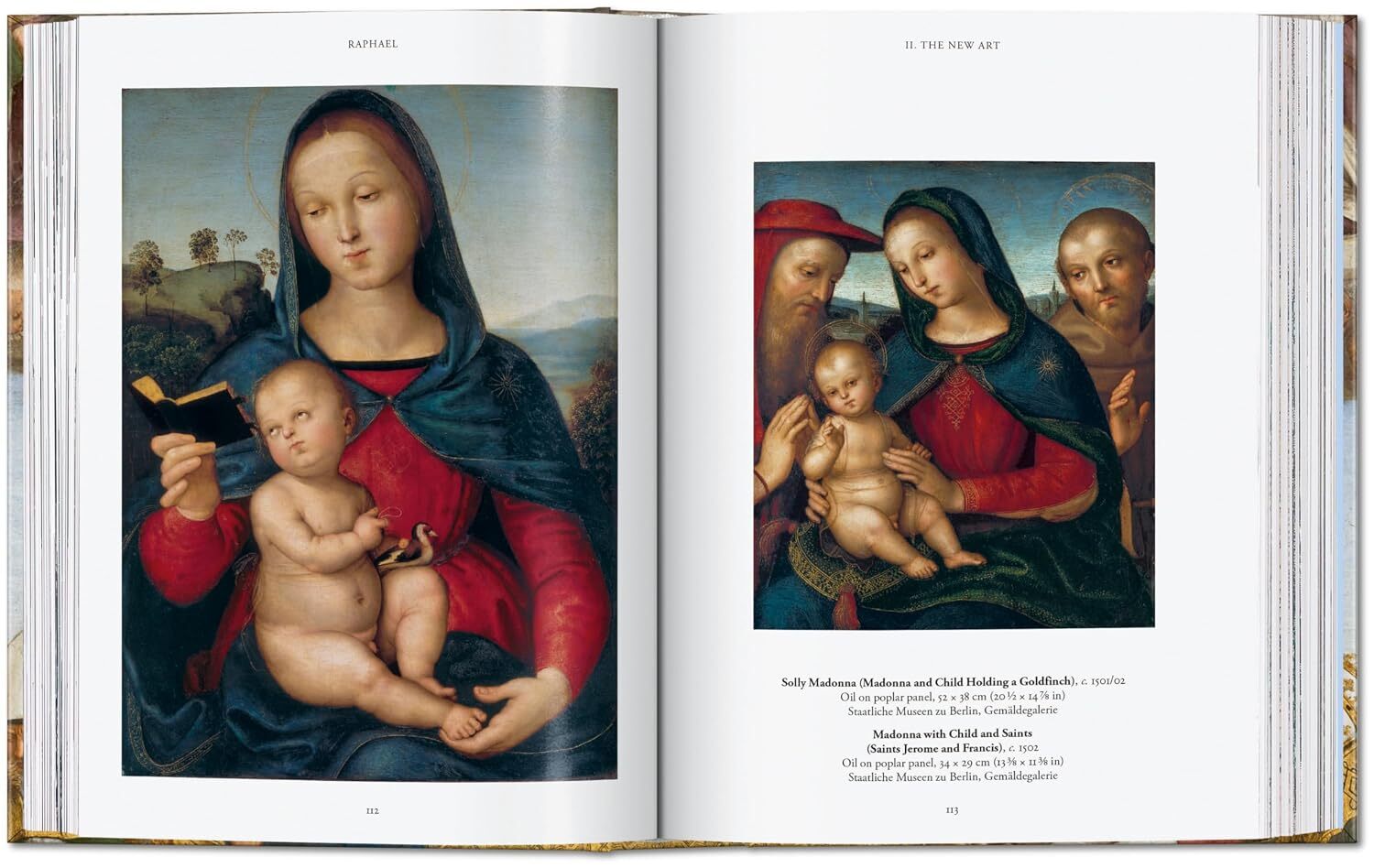
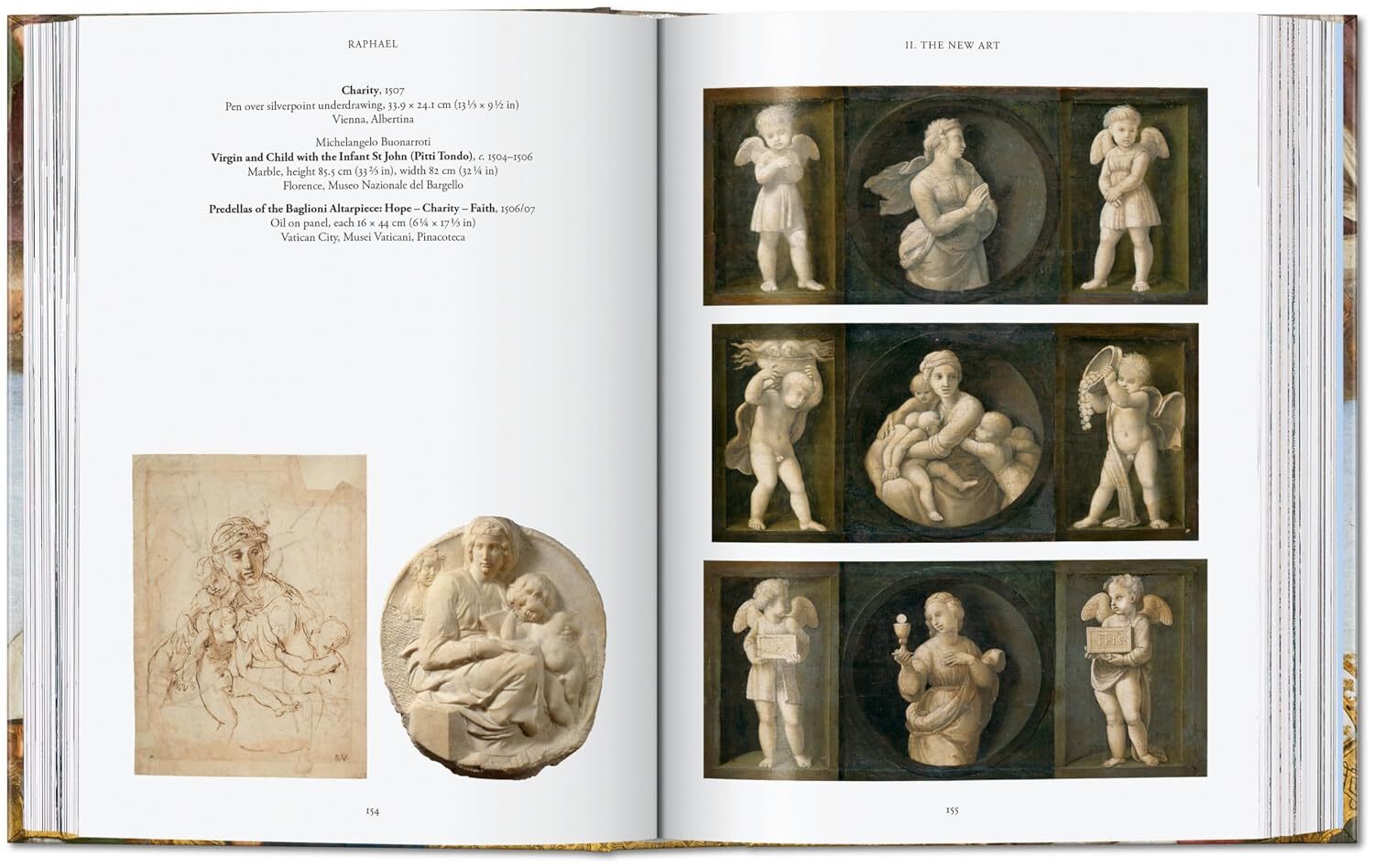
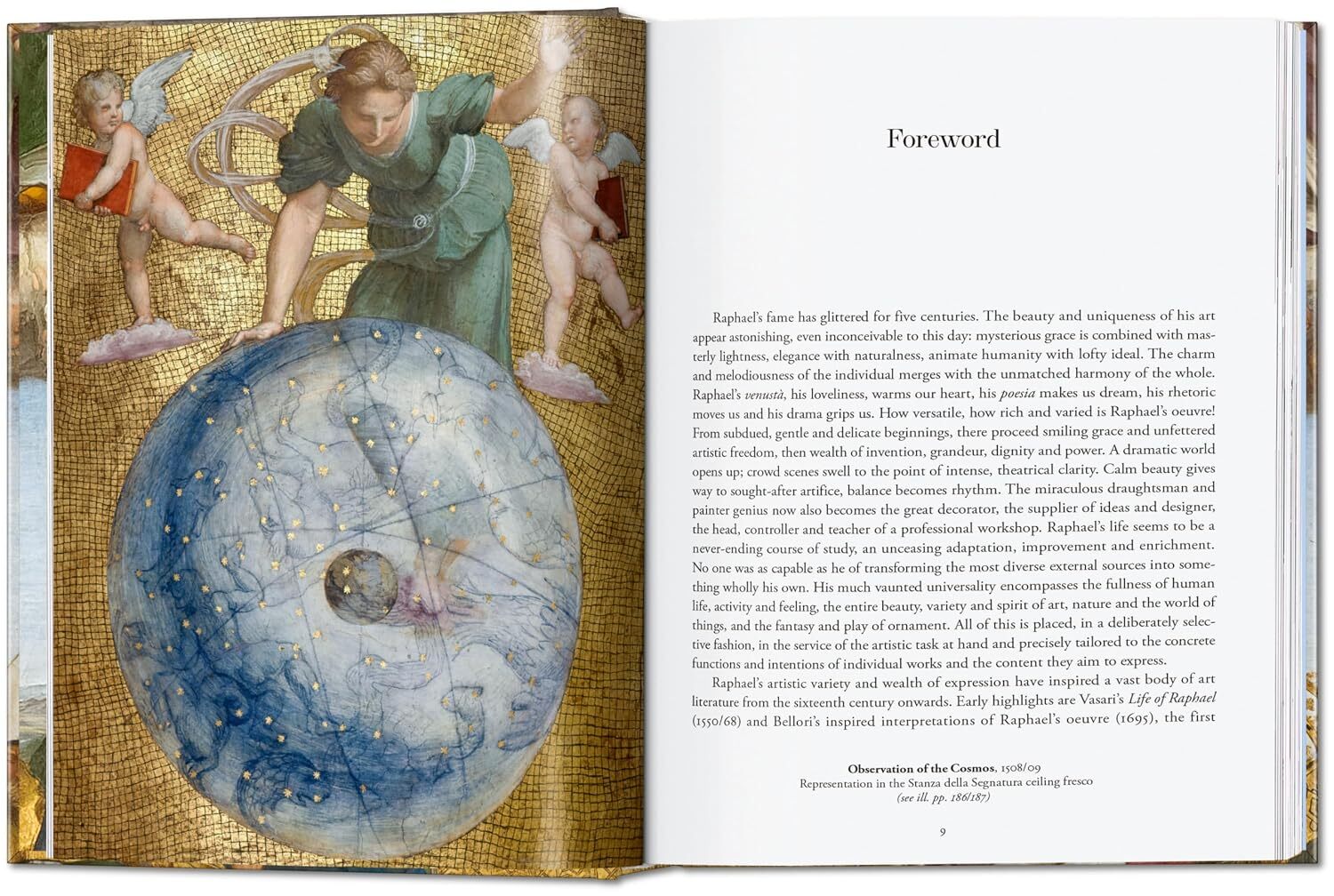
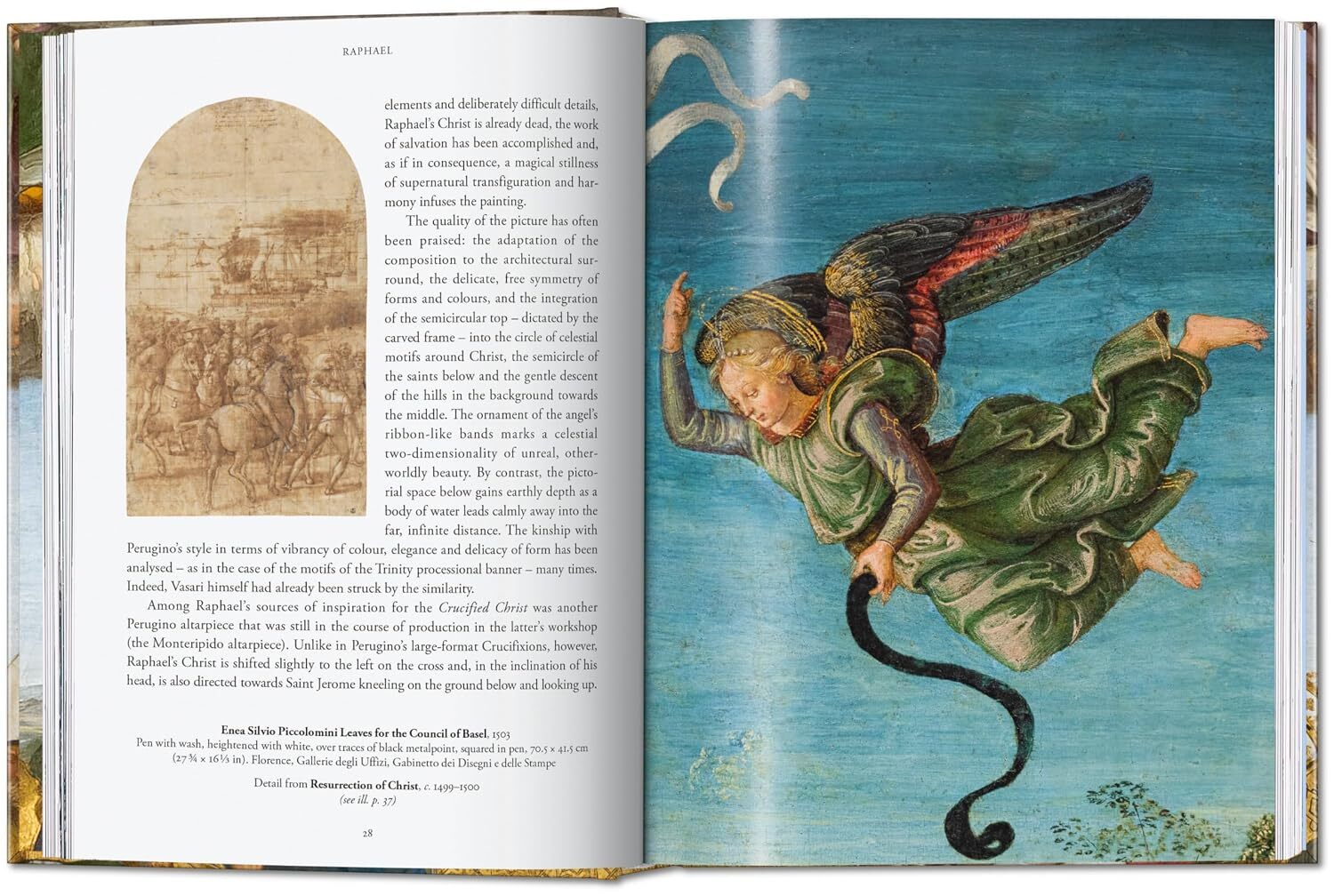
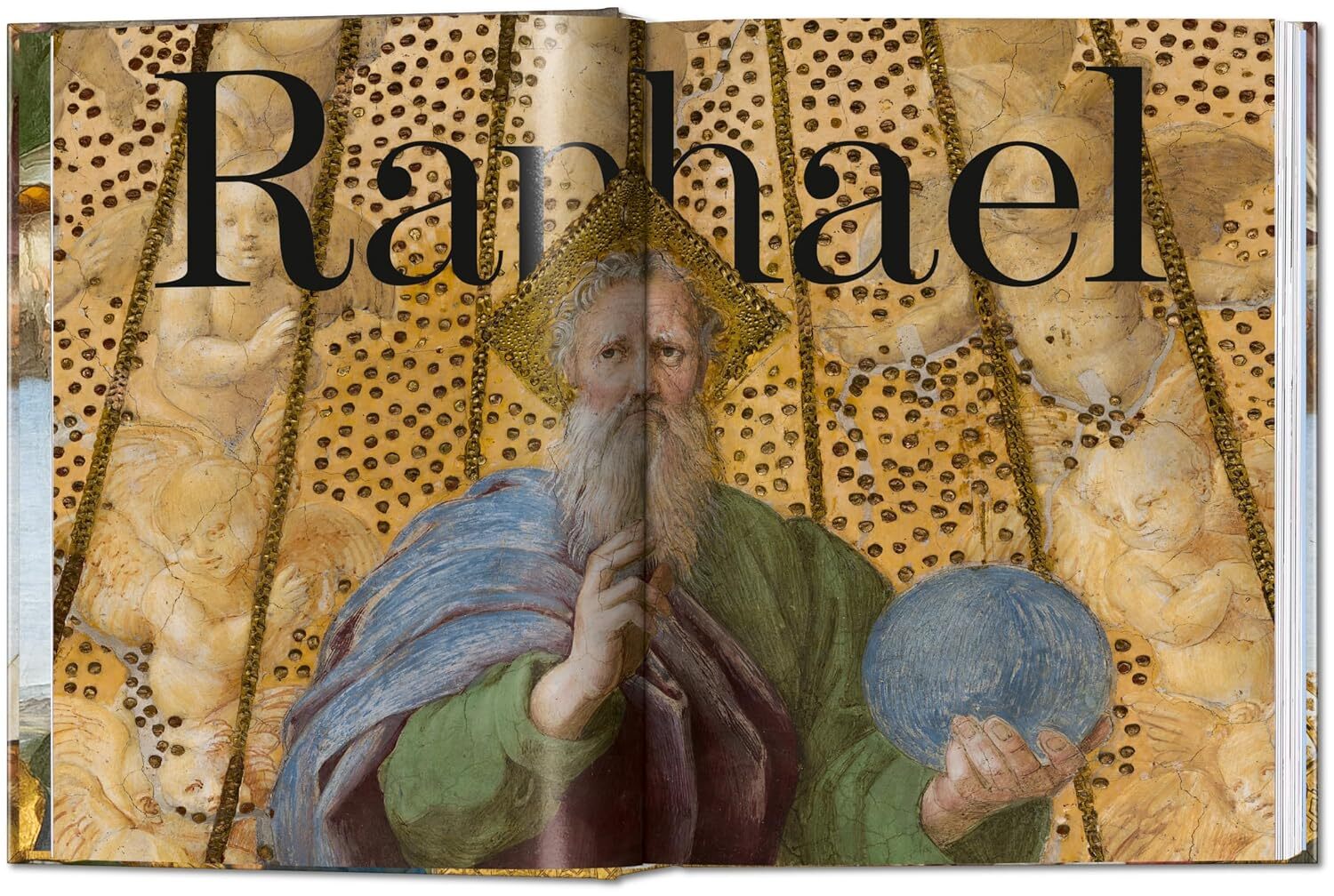
Raphael (1483–1520), alongside Michelangelo and Leonardo da Vinci, is regarded as one of the most important artists of the Italian High Renaissance. Although his life was remarkably short, he produced around one hundred paintings, numerous frescoes, and several major decorative cycles before the age of 40, demonstrating extraordinary creative energy and artistic maturity.
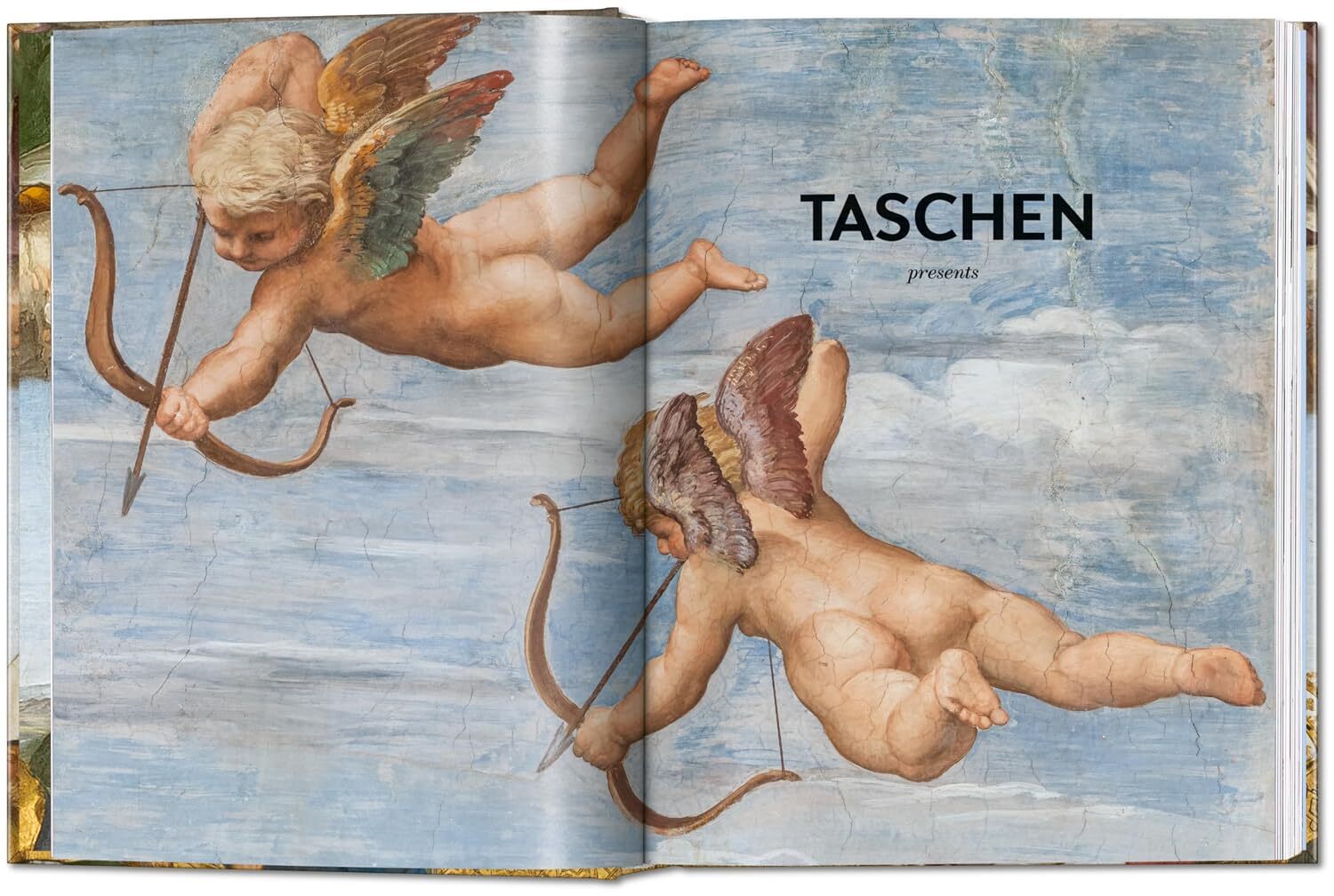
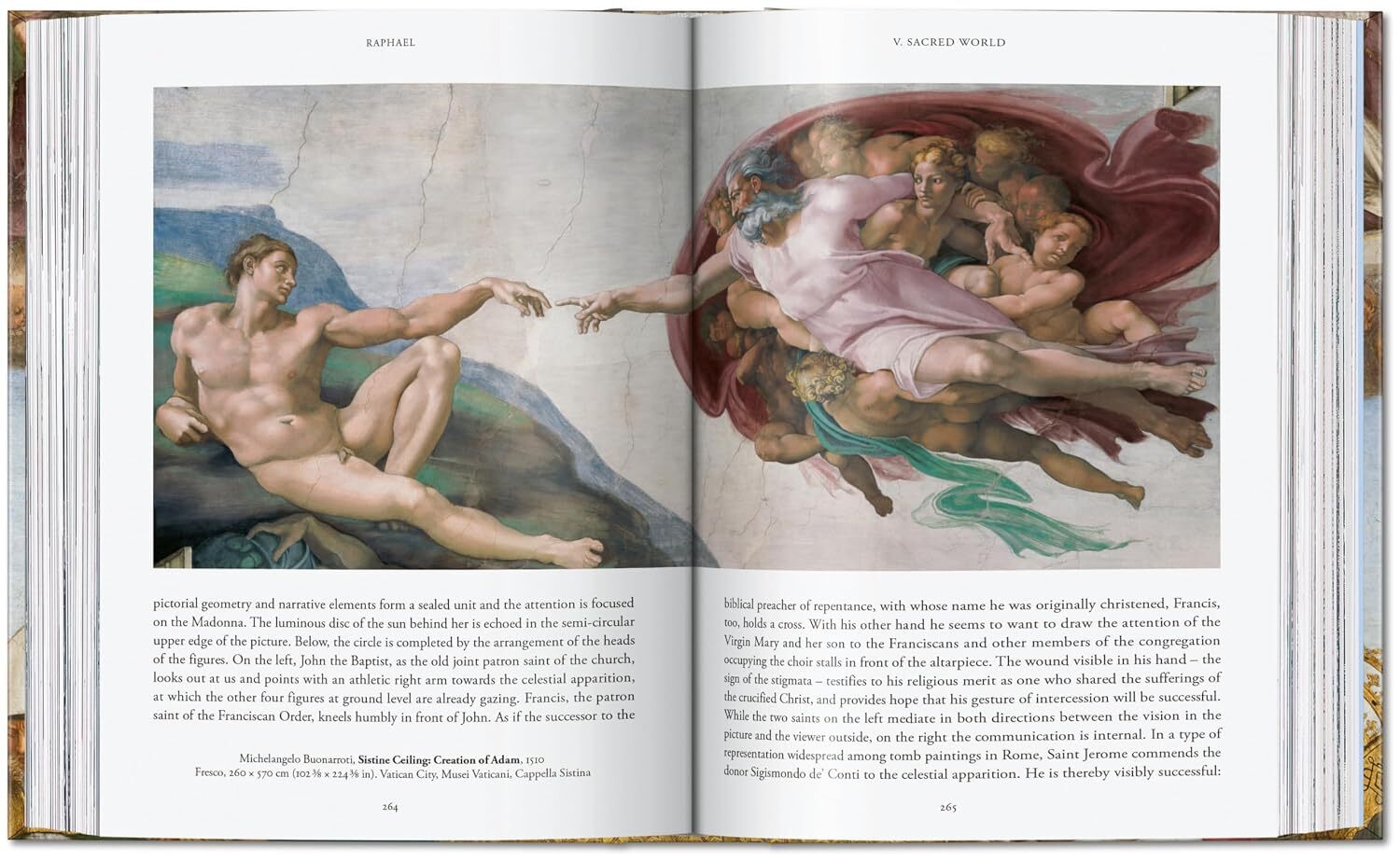
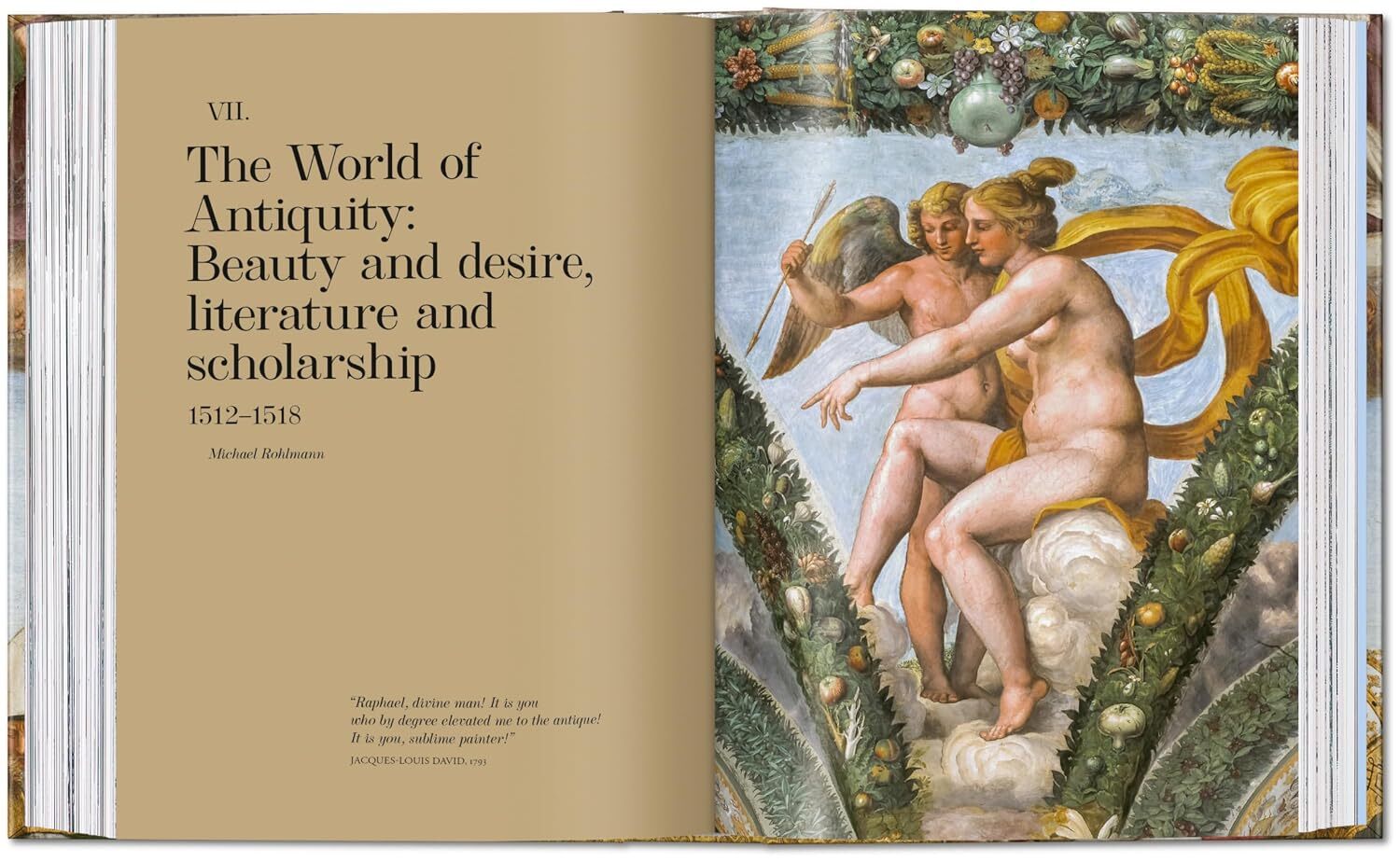
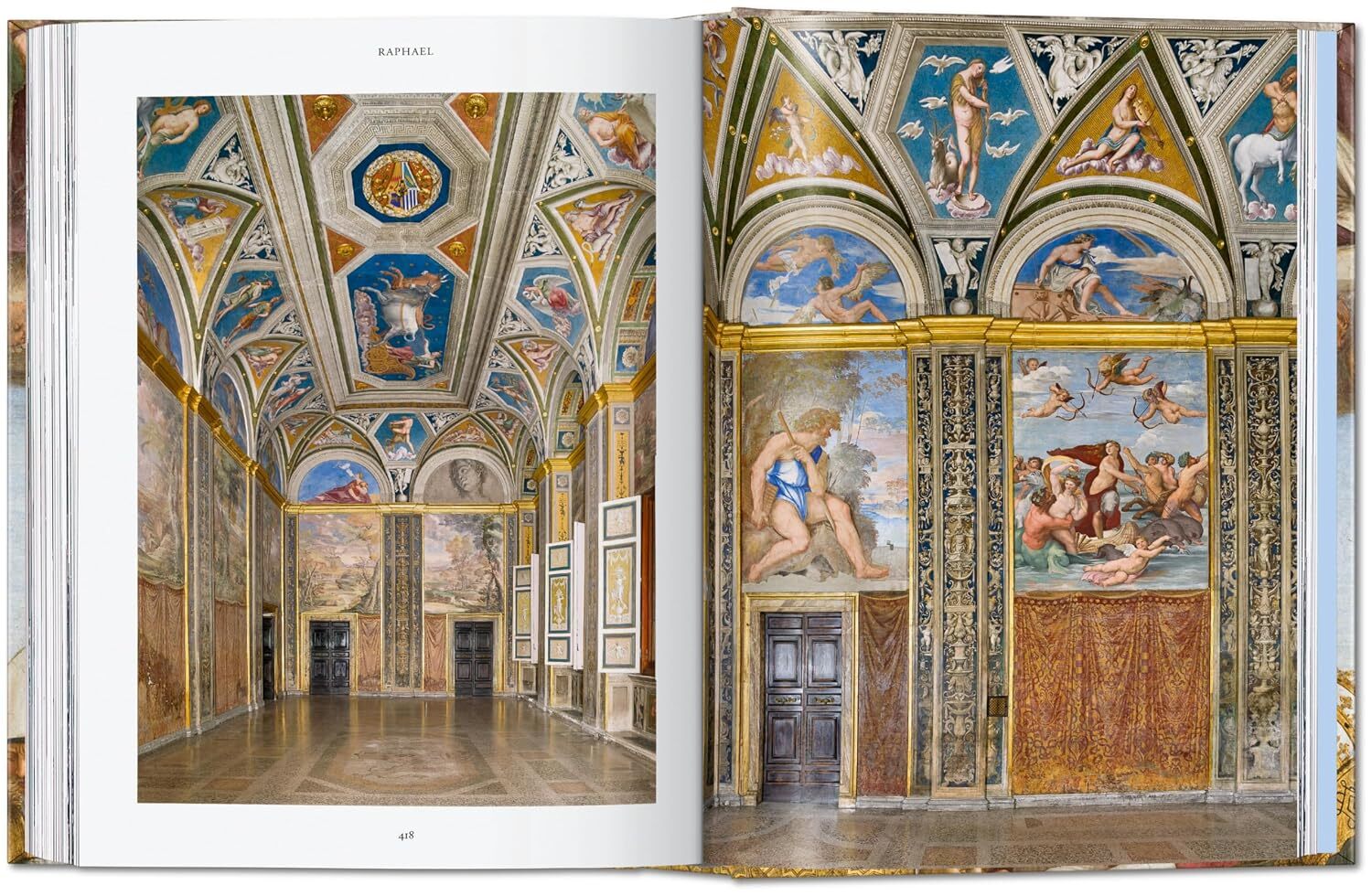
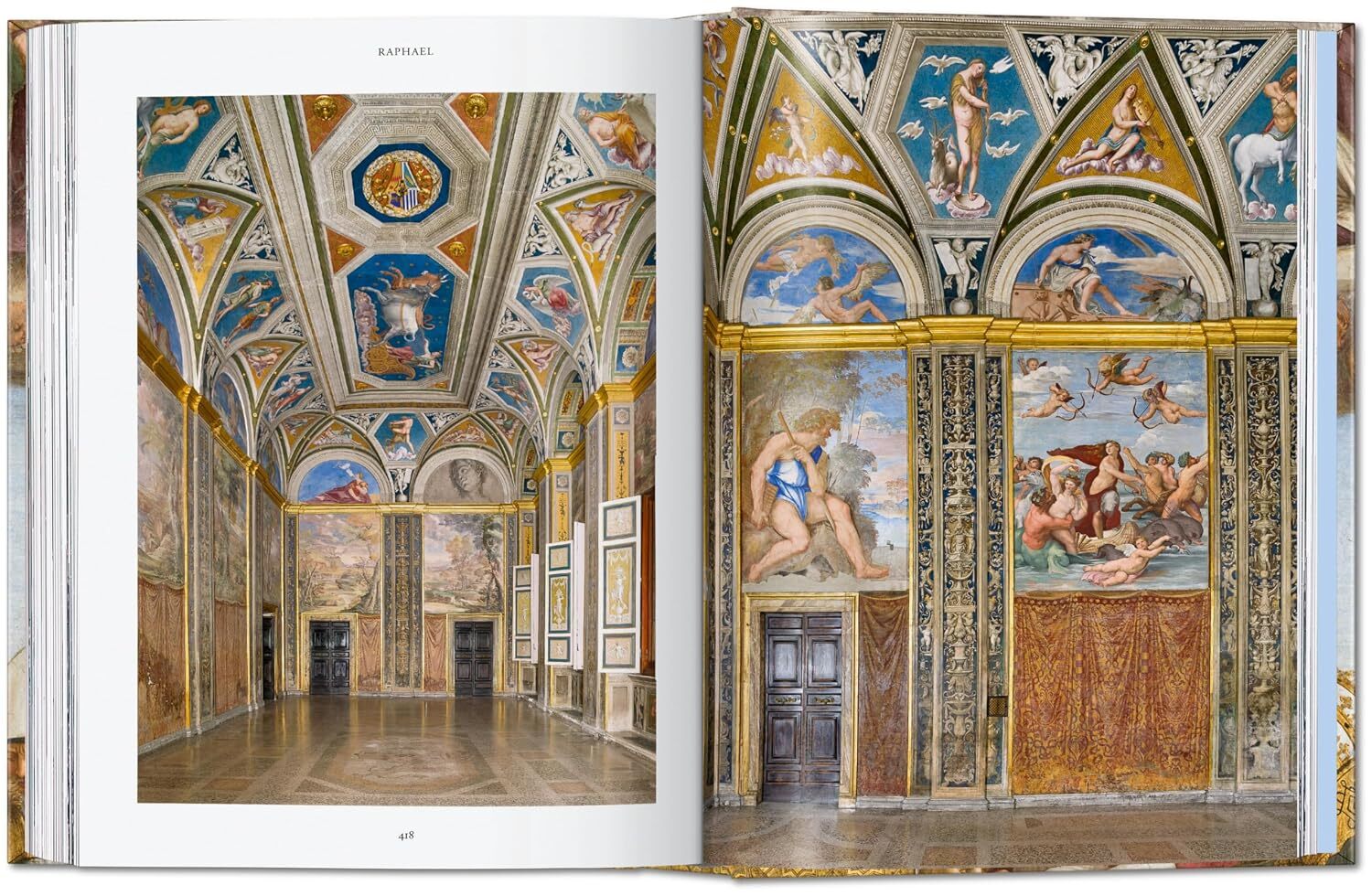
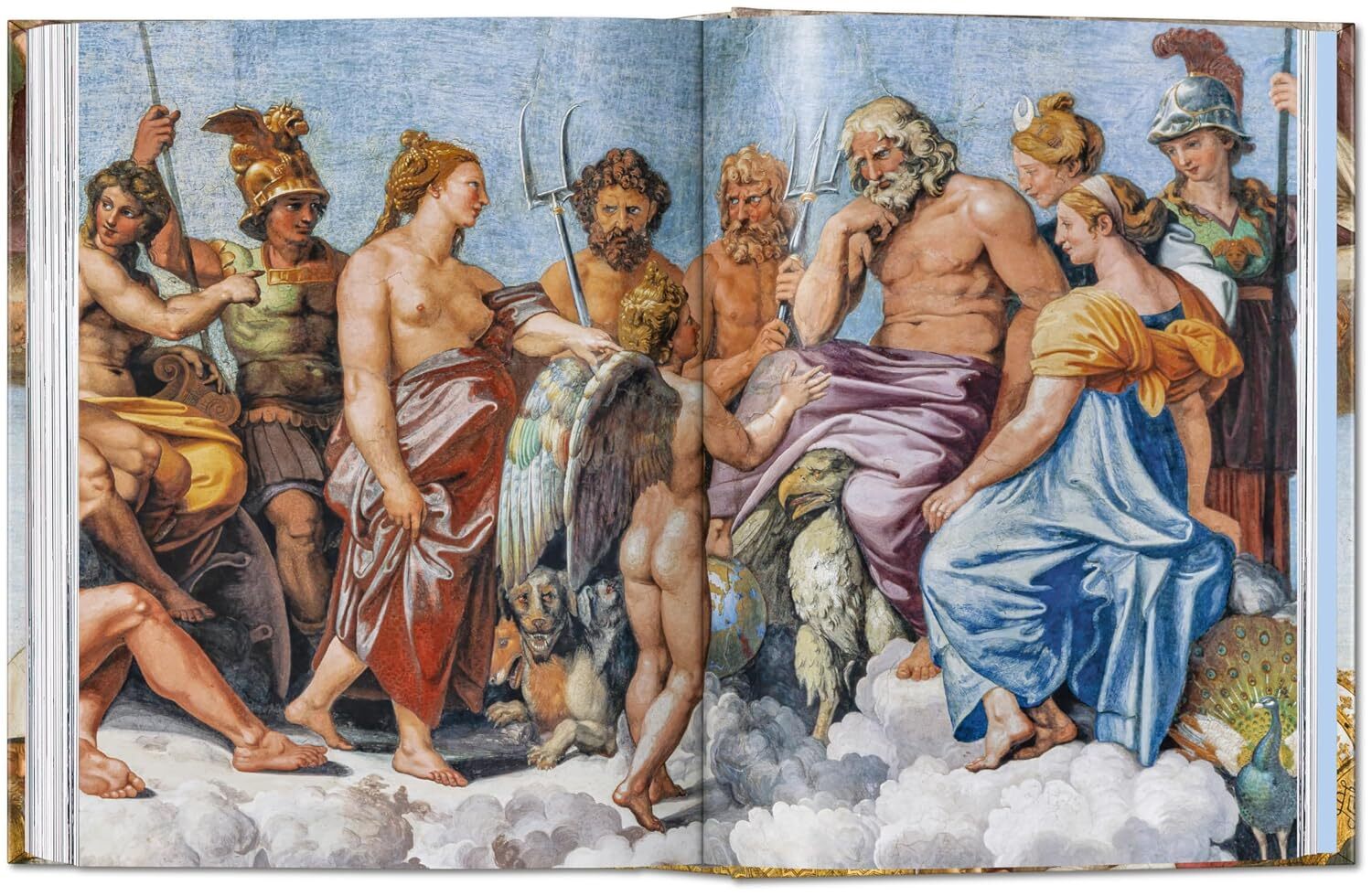
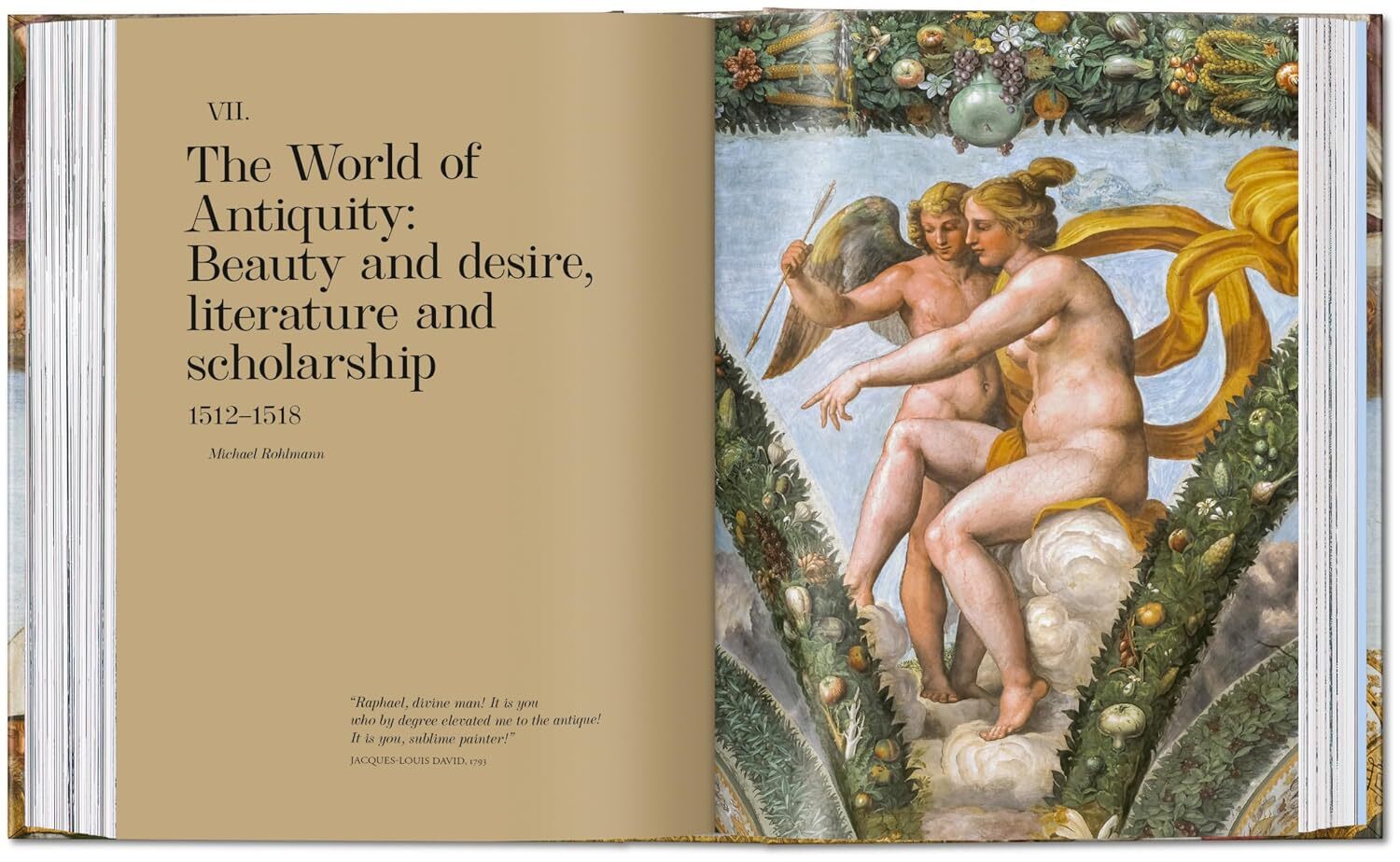
Raphael explored an exceptionally wide range of subjects, from female portraits and classical mythology to members of Roman high society, church dignitaries, historical narratives, and biblical scenes. In addition to altarpieces, he also designed tapestries for the Sistine Chapel, while his celebrated Sistine Madonna became one of the most widely reproduced religious images in the history of art.
Compared with many of his contemporaries, Raphael’s works are distinguished by their harmony, balance, and graceful visual language. He had a remarkable ability to absorb and synthesize the strengths of other artists, displaying exceptional mastery of composition, human proportion, and spatial arrangement. For Raphael, art was never about repeating established formulas, but about continuous learning, refinement, and innovation. This constant pursuit of artistic development gave his work an enduring sense of vitality.
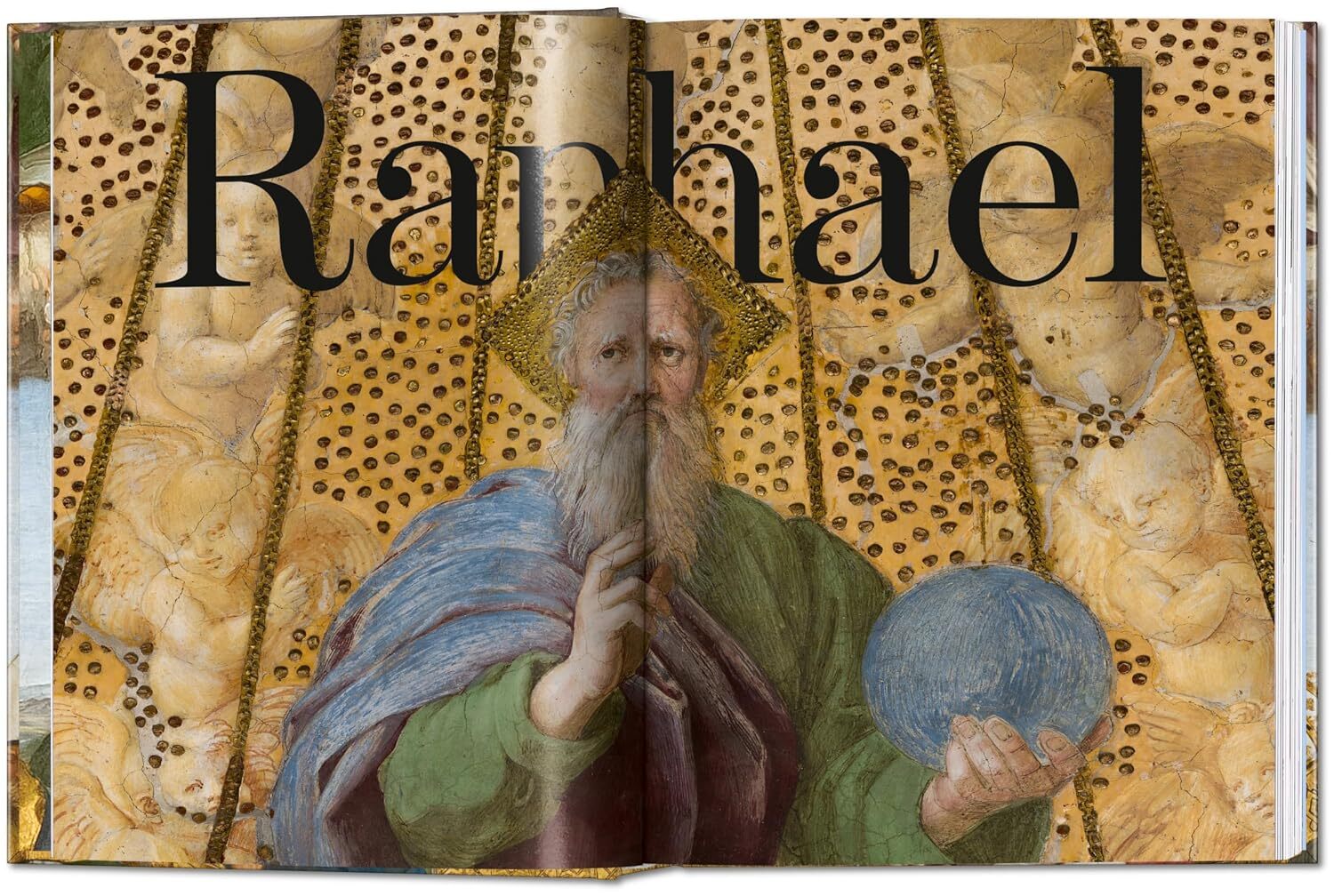
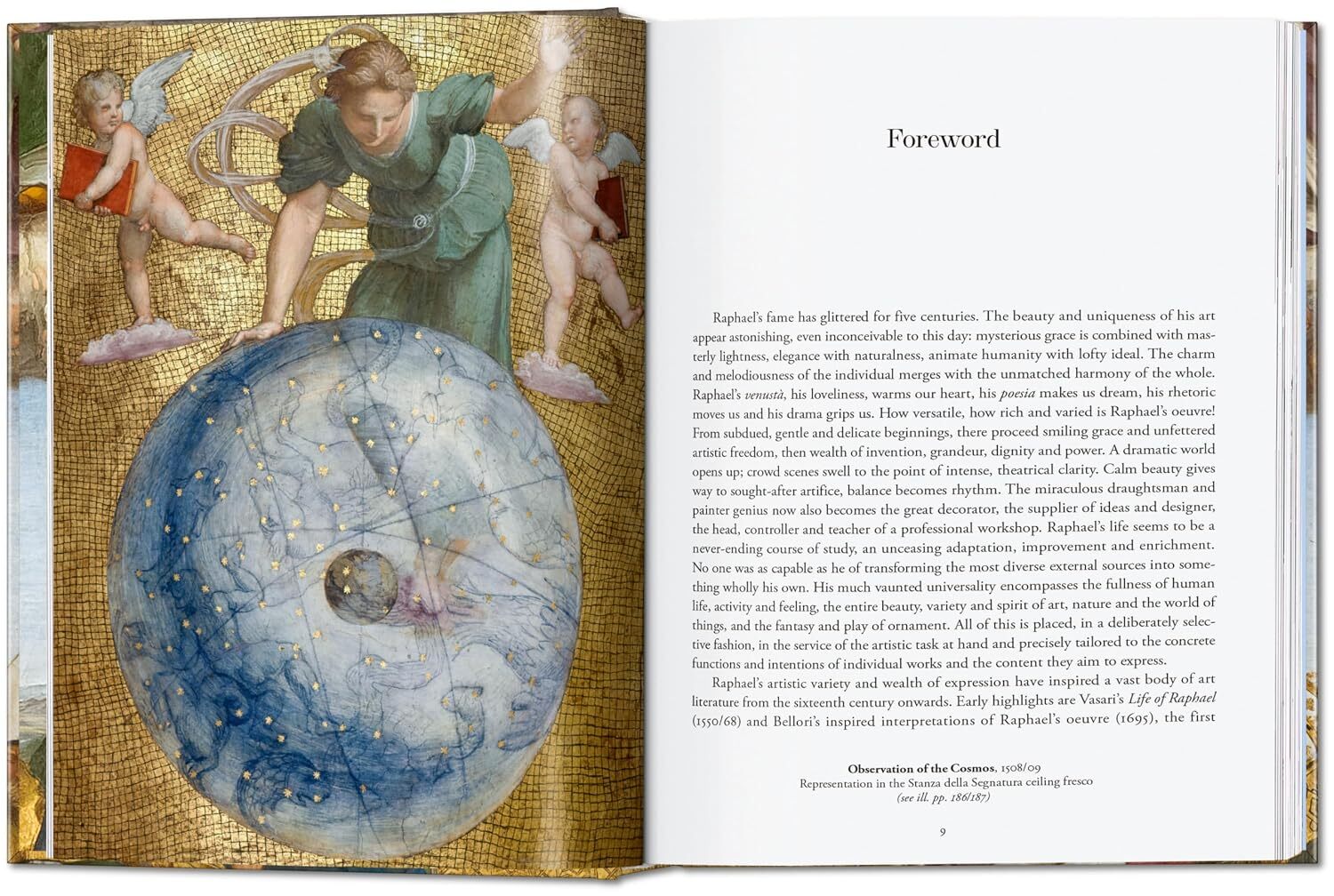
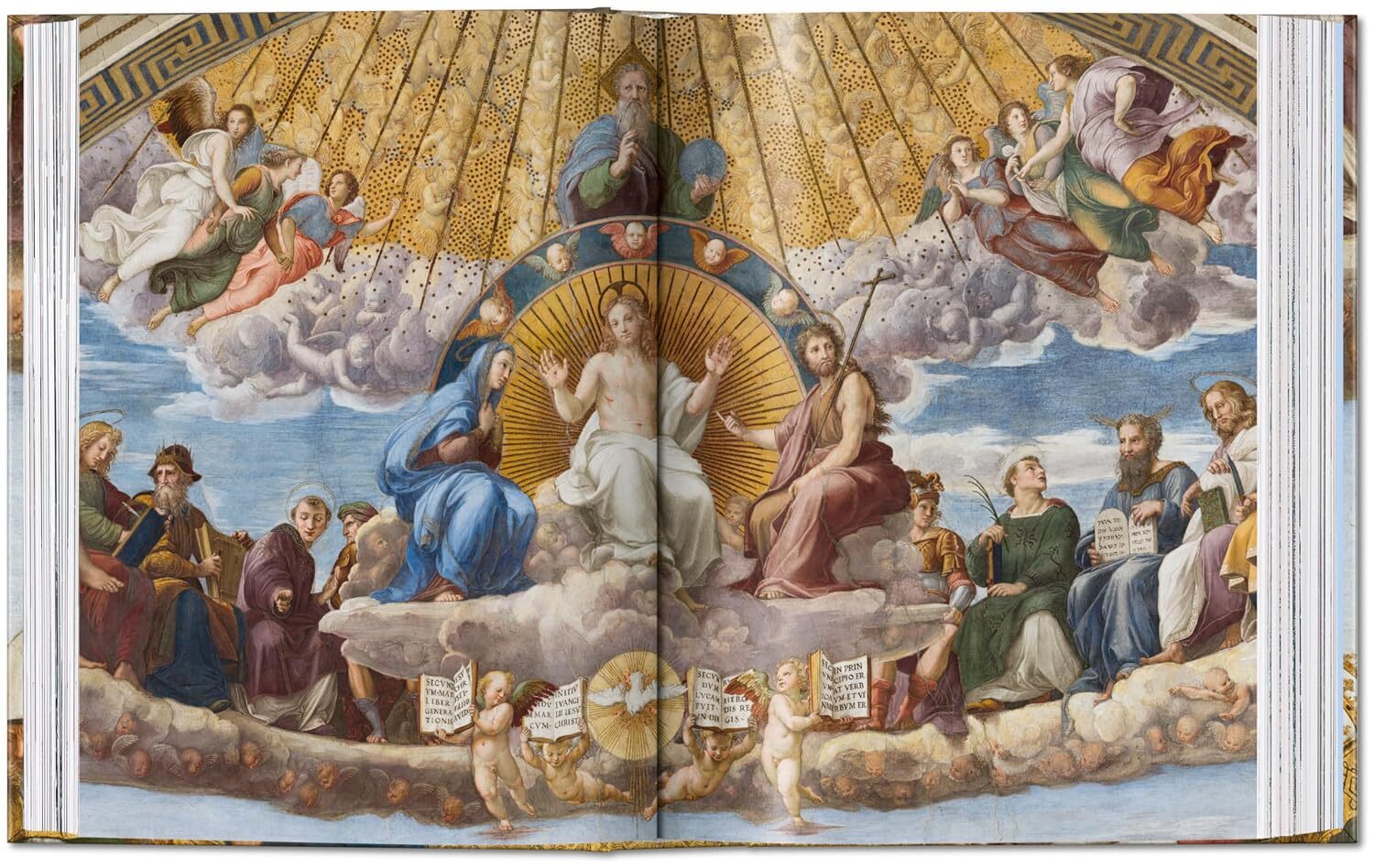
Raphael reached the height of his career during his years in Rome, particularly through the monumental fresco cycles created for the Vatican Palace, which firmly established his central place in Western art history. By bringing together Christian faith, classical culture, and idealized representations of the human figure, he gave sacred subjects both a profound sense of humanity and a majestic visual order.
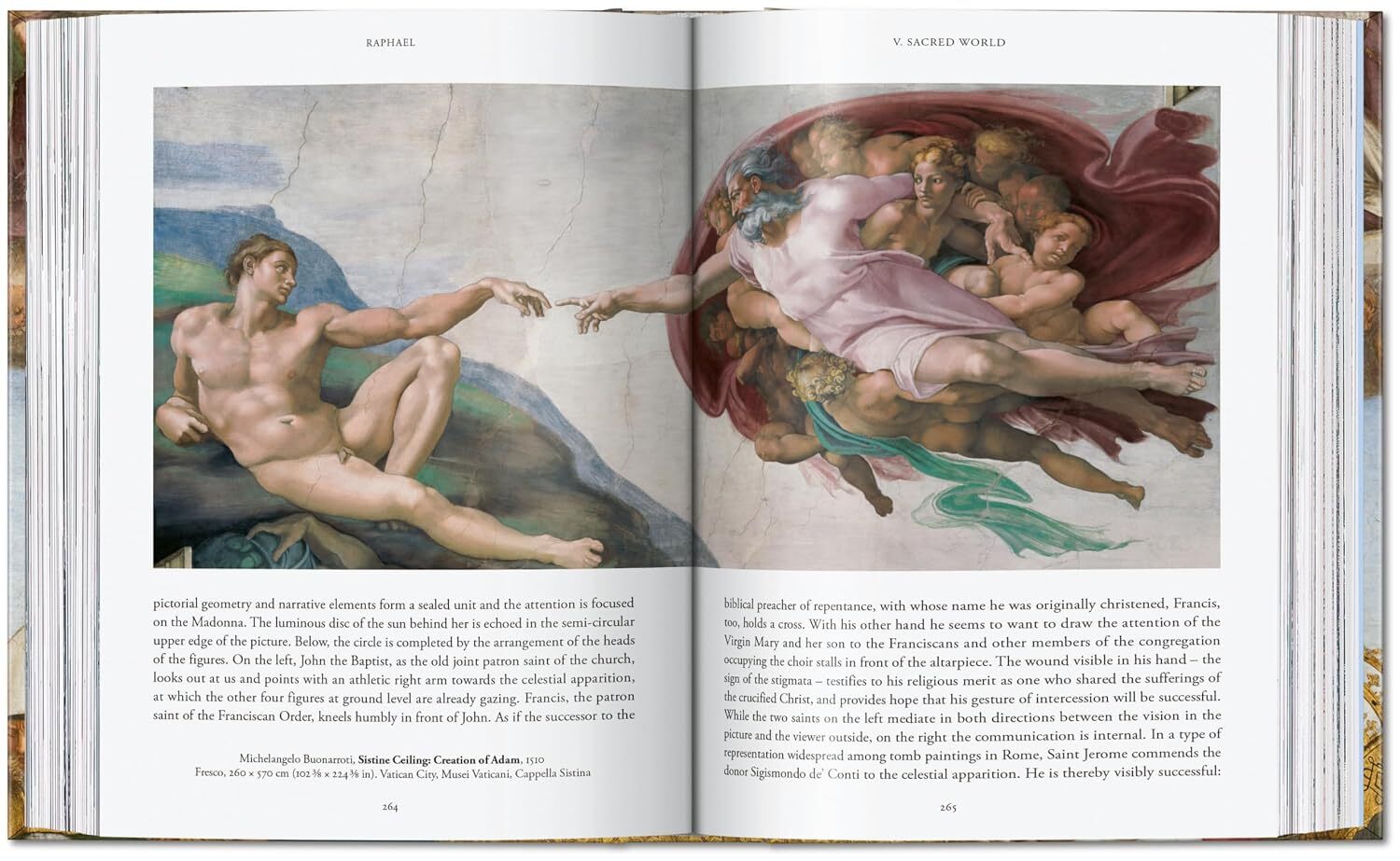
Even during his lifetime, Raphael was widely admired and regarded as one of the leading artists of his generation. His mastery of composition, figure placement, and spatial relationships profoundly influenced later generations of painters and helped pave the way for the development of Mannerism and Baroque art.
Through Raphael’s paintings, frescoes, and religious works, readers can gain a deeper understanding of the High Renaissance pursuit of beauty, harmony, order, and humanist ideals. For anyone wishing to explore Raphael, the Italian Renaissance, and the development of Western classical art, his work provides an essential gateway into the history of European art.
【Details】
Author︰Michael Rohlmann
Publisher︰TASCHEN
Publication Year︰2026
Dimensions︰21 × 15 cm
Binding︰Hardcover
Pages︰512 pages