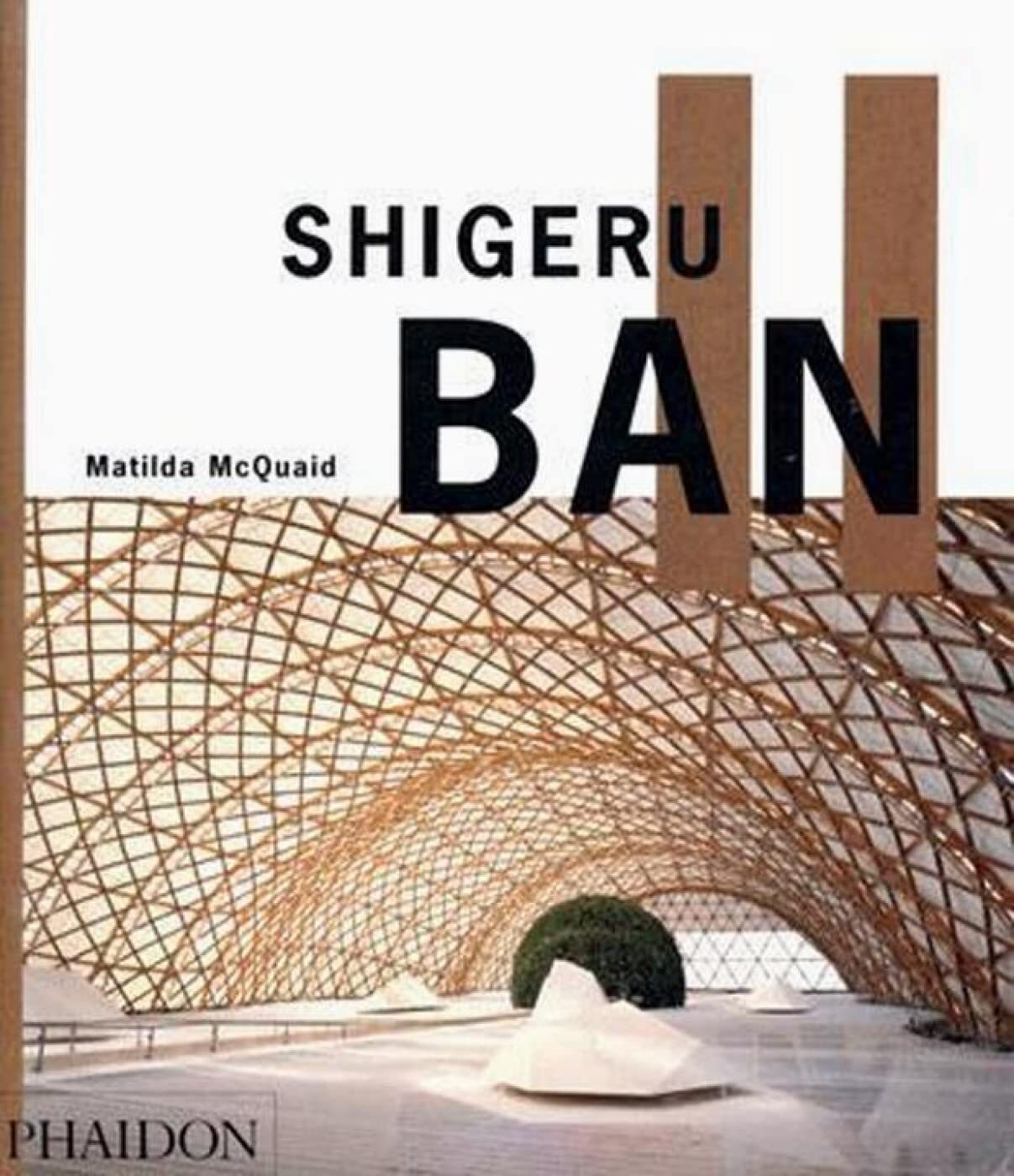
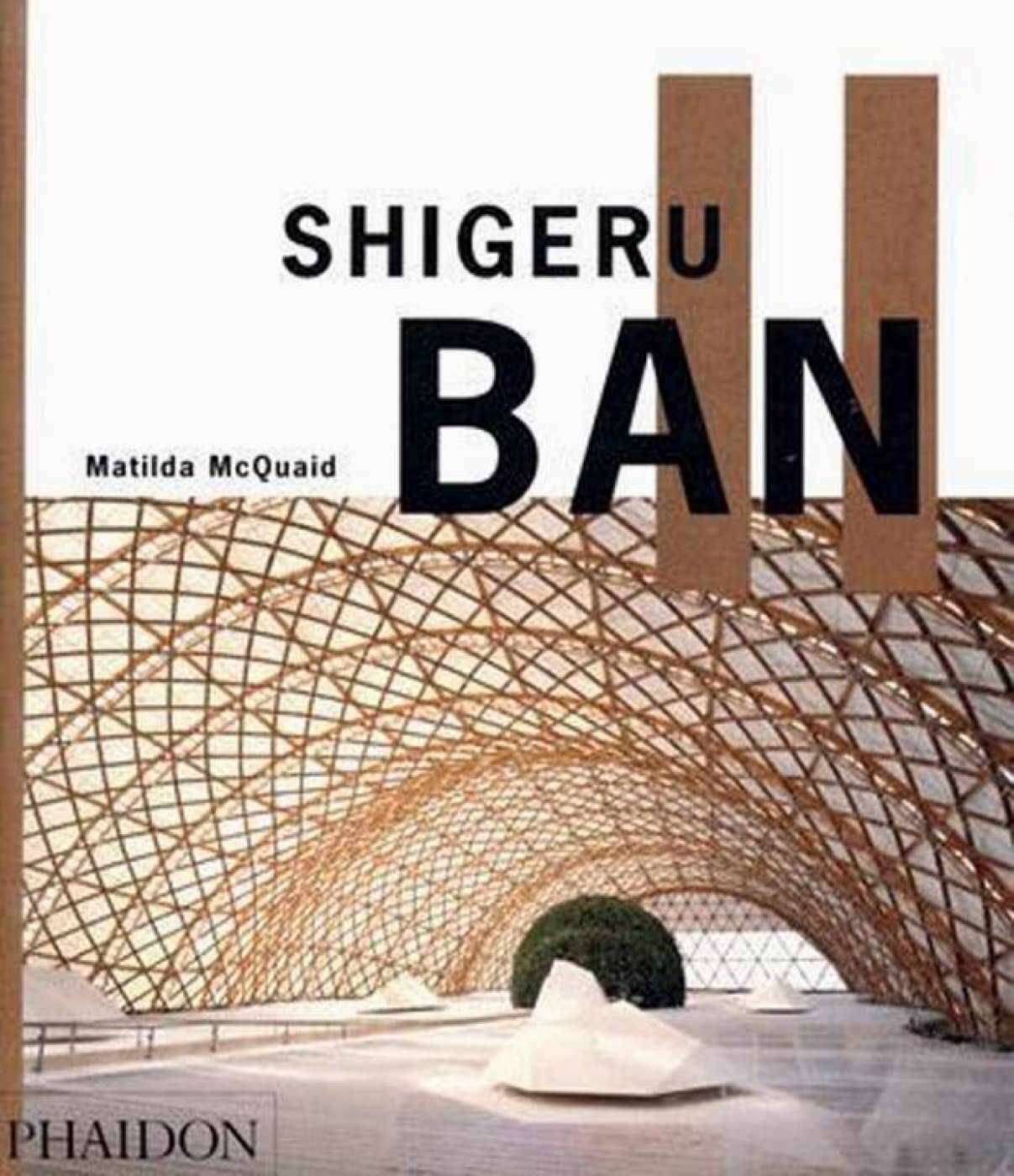
Book Description
This book presents a comprehensive overview of the architectural philosophy and key works of Japanese contemporary architect Shigeru Ban (b. 1957). As one of the most important figures among a new generation of world-class architects, Ban is known for creating elegant, serene, and environmentally responsive buildings using seemingly modest yet highly innovative materials such as cardboard, paper tubes, bamboo, and prefabricated wood. His architecture can be light and soaring, almost birdlike, or simple, grounded, and restrained—reflecting a deeply rooted Japanese aesthetic—while consistently demonstrating respect for both the natural environment and its users.
Ban’s practice spans an exceptionally wide range of scales and clients, from one-room temporary paper-tube shelters designed for earthquake refugees around the world to a 14,000-square-foot private residence in Sharon, Connecticut, which marked his first architectural commission in the United States. This breadth of work highlights not only his versatility in form and material, but also his conviction that architecture carries a profound social responsibility and humanitarian mission.
Through his long-standing commitment to disaster relief and his exploration of sustainable, recyclable materials, Ban has earned widespread recognition and acclaim in architectural and art circles across Europe and the United States. His Curtain Wall House was featured in the Museum of Modern Art’s 1999 exhibition Un-Private House. He has since designed a children’s museum in Japan, a canal museum in France, and a private art museum in Belgium, participated in multiple Venice Architecture Biennales, and designed the Japan Pavilion for Expo 2000 in Hannover, Germany. In 2003, he was also selected as a member of the THINK architectural team, one of two finalist groups competing for the redevelopment of the World Trade Center site in New York.
This paperback edition is only the second monograph on Shigeru Ban to be published, and remains the most up-to-date and comprehensive. Designed in Japan in close collaboration with the architect himself, the book is organized according to Ban’s material-based approach to architecture. It features 32 major projects, richly illustrated with color photographs, architectural drawings, and sketches, offering an in-depth look at how Ban employs humble materials to address contemporary architecture, aesthetics, and humanitarian concerns.
Details
Author: Matilda McQuaid, Frei Otto
Publisher: Phaidon Press
Publication Year: 2006
Format: Paperback
Size: 29 × 25 cm
Pages: 240 pages