Book Description
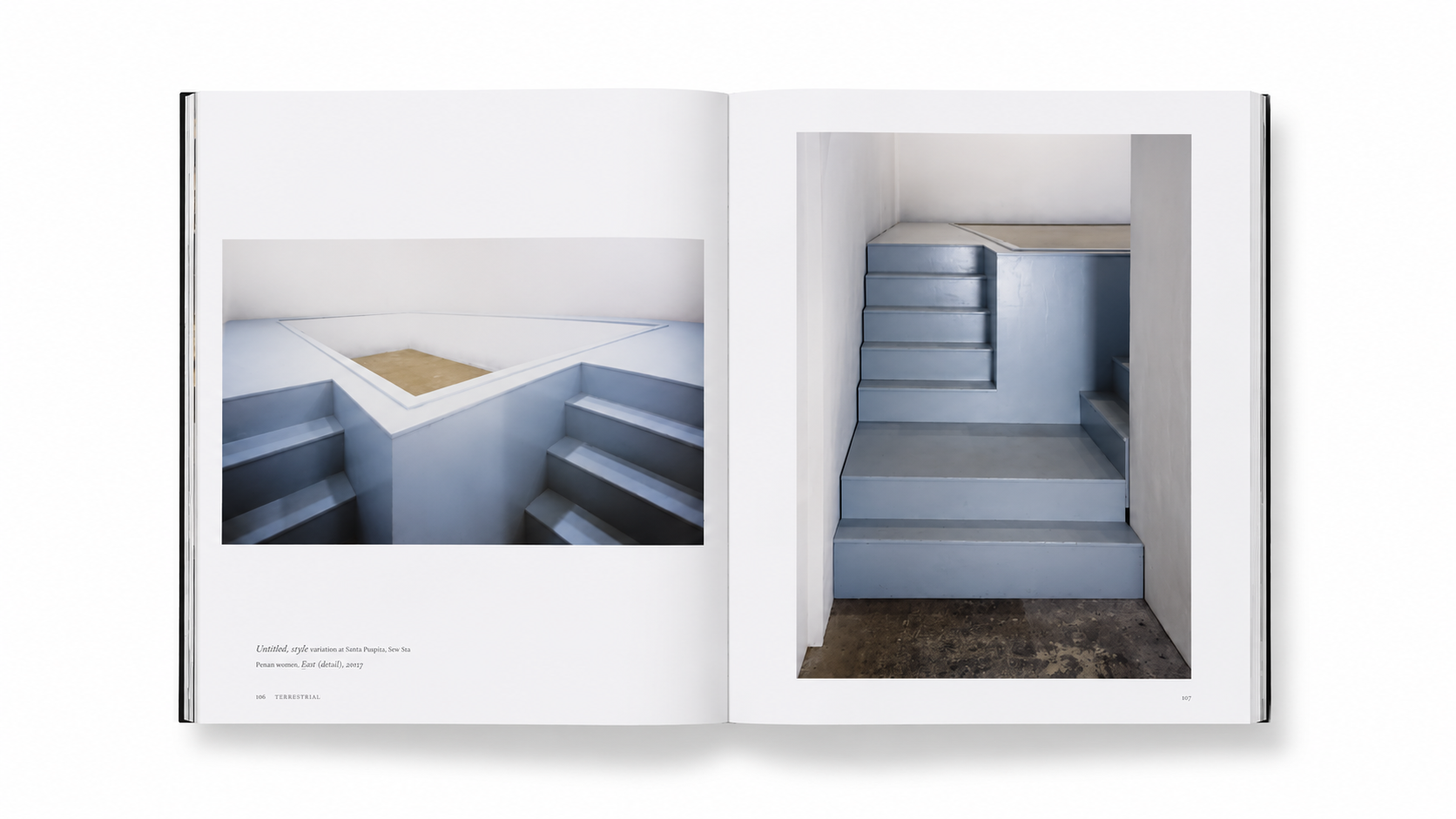
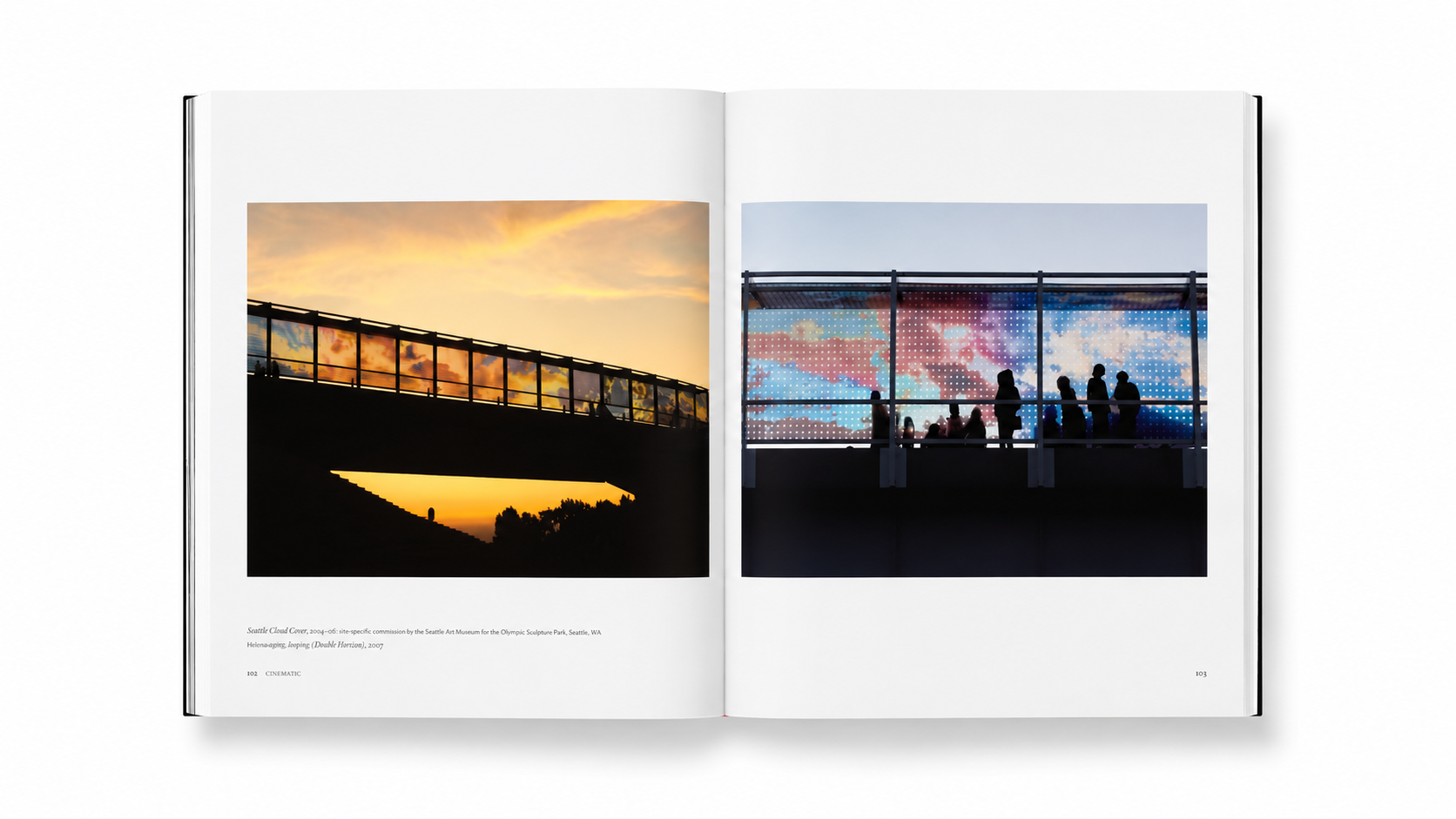
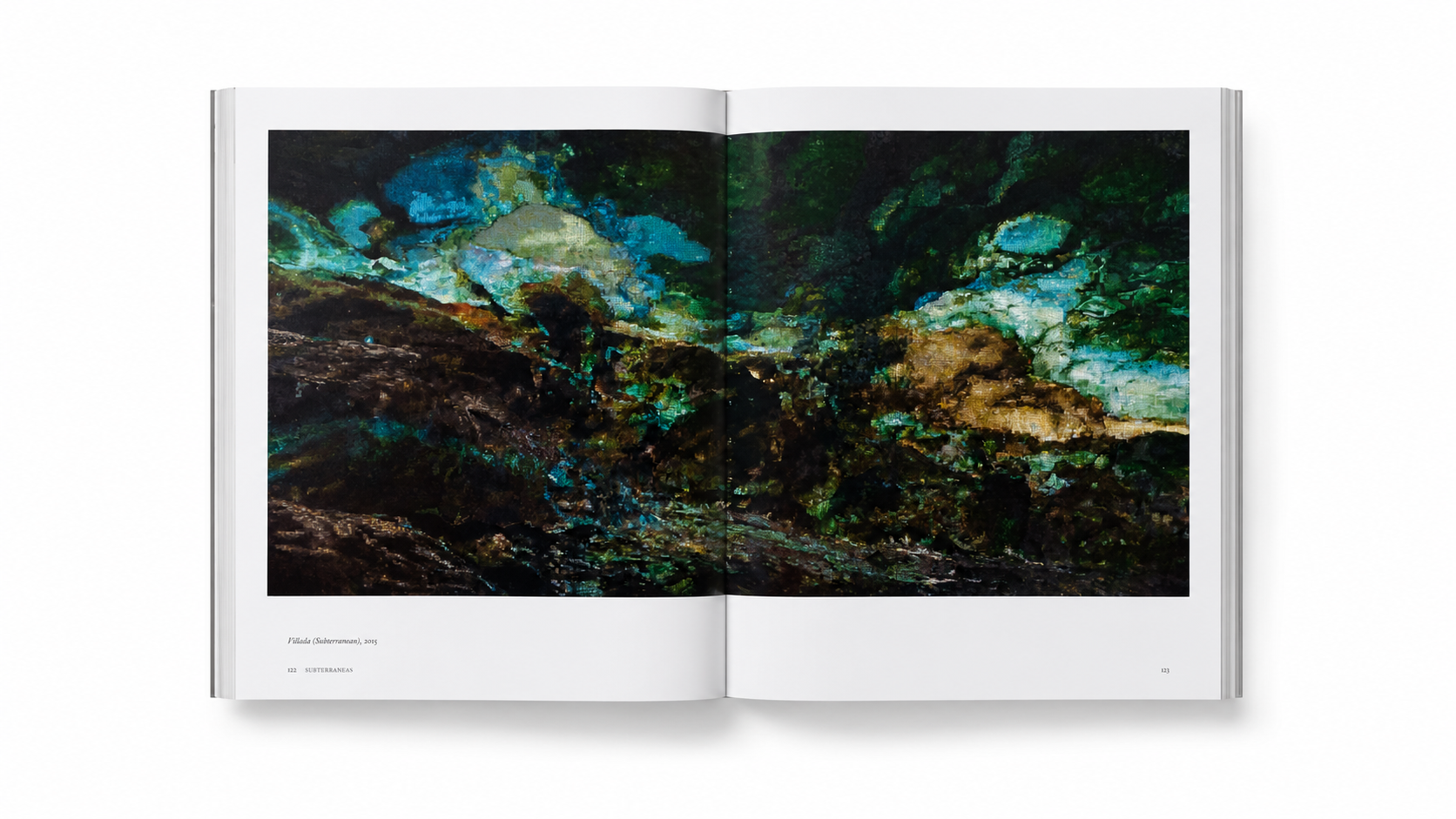
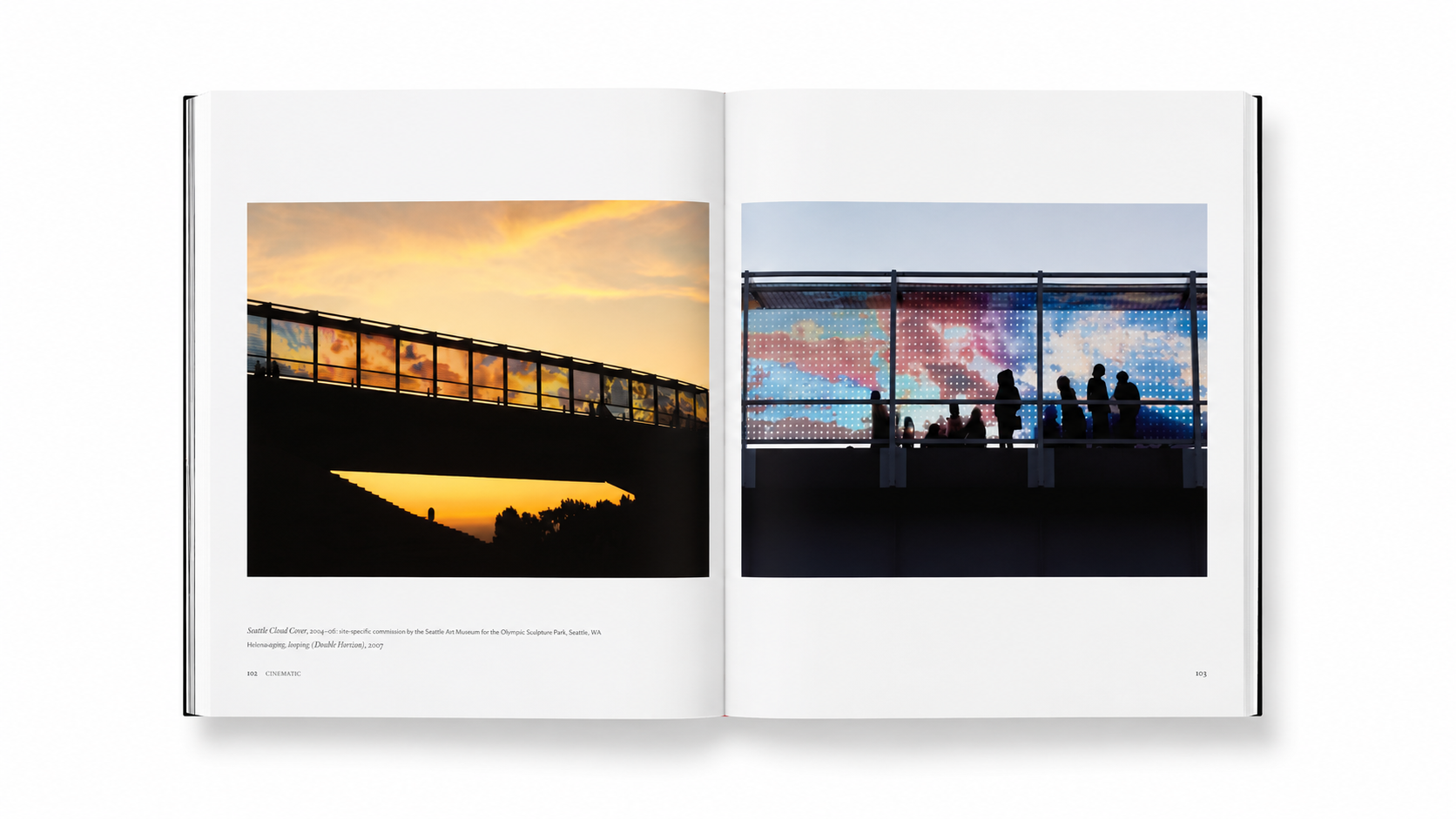
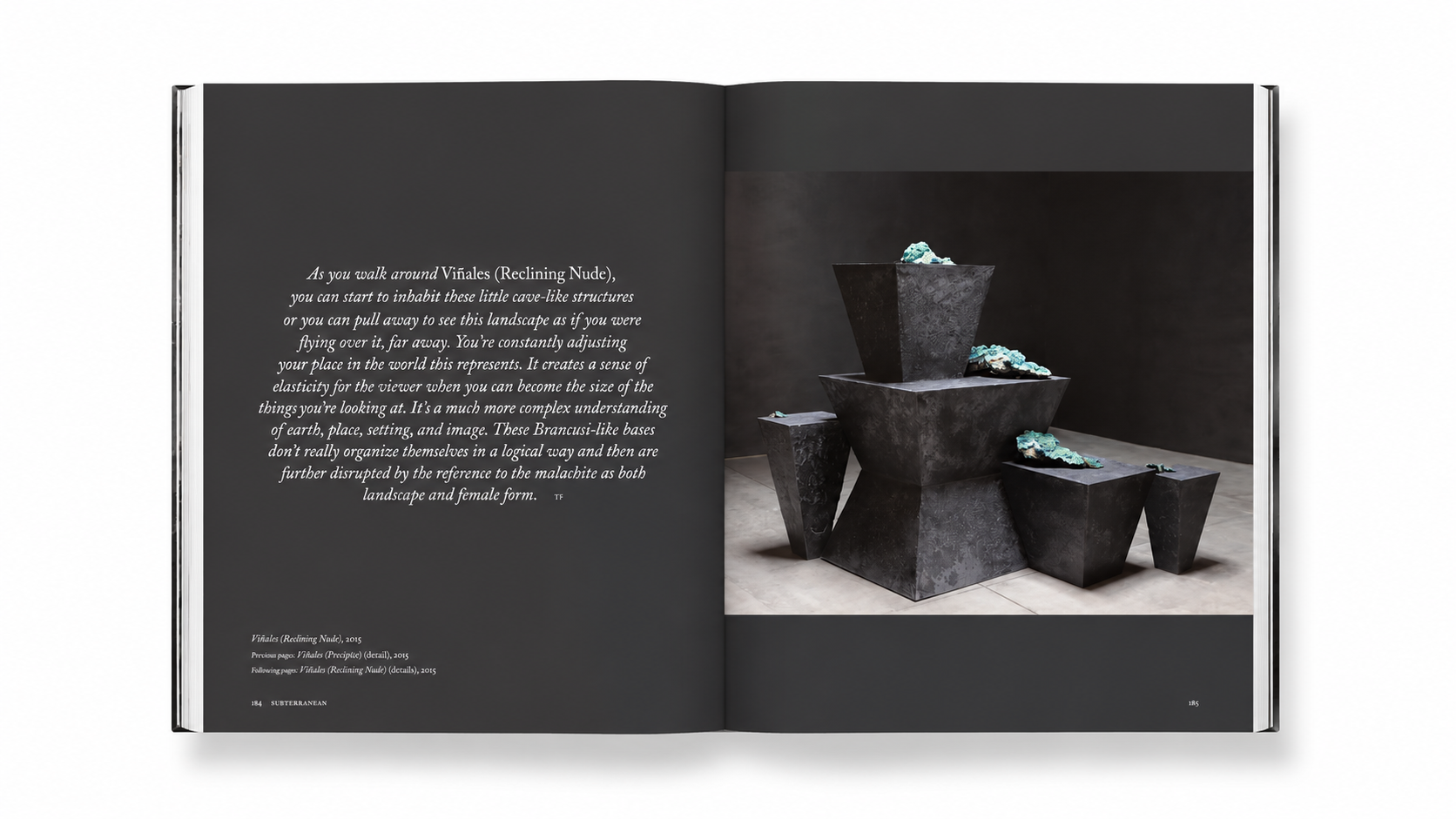
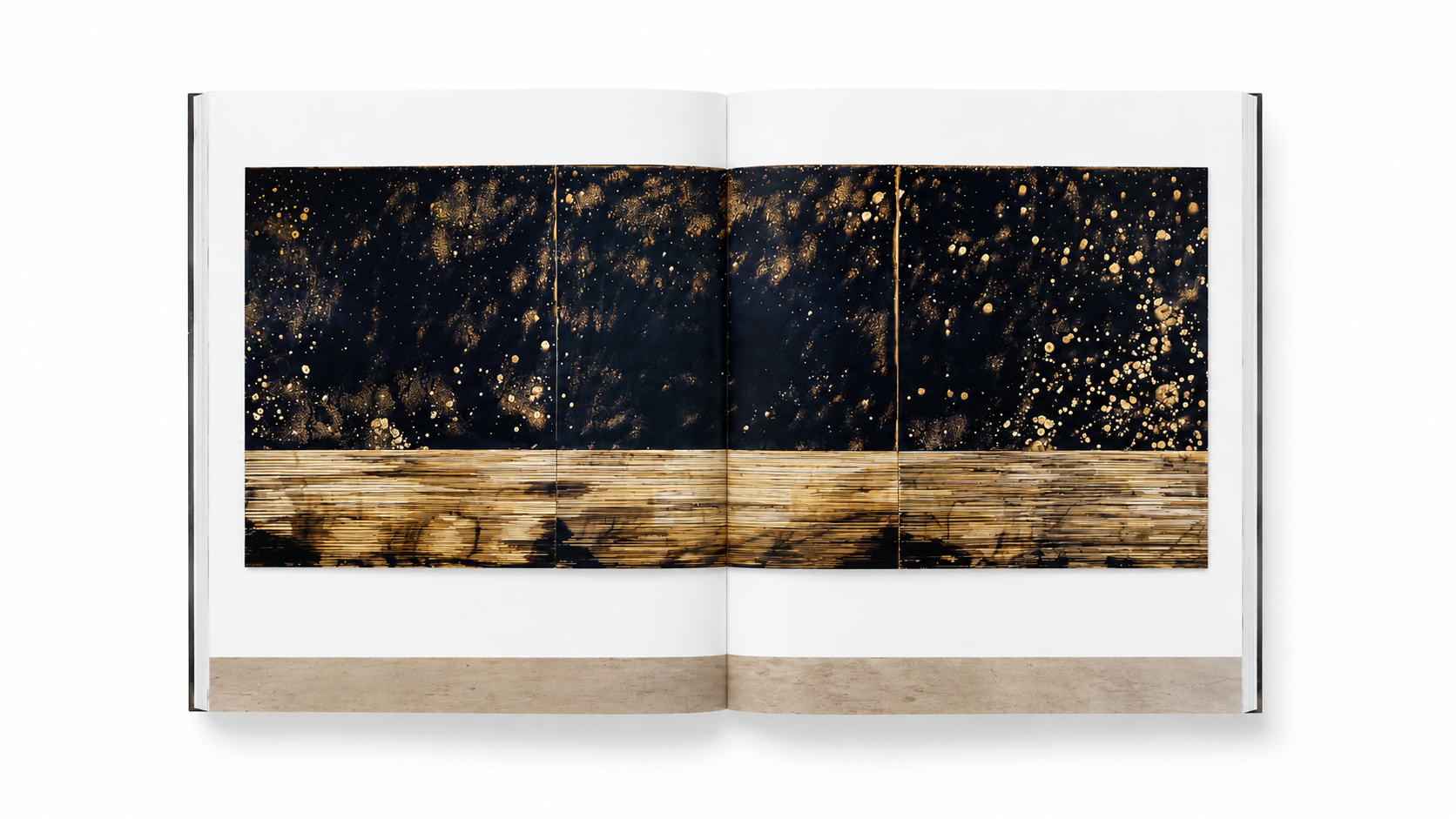
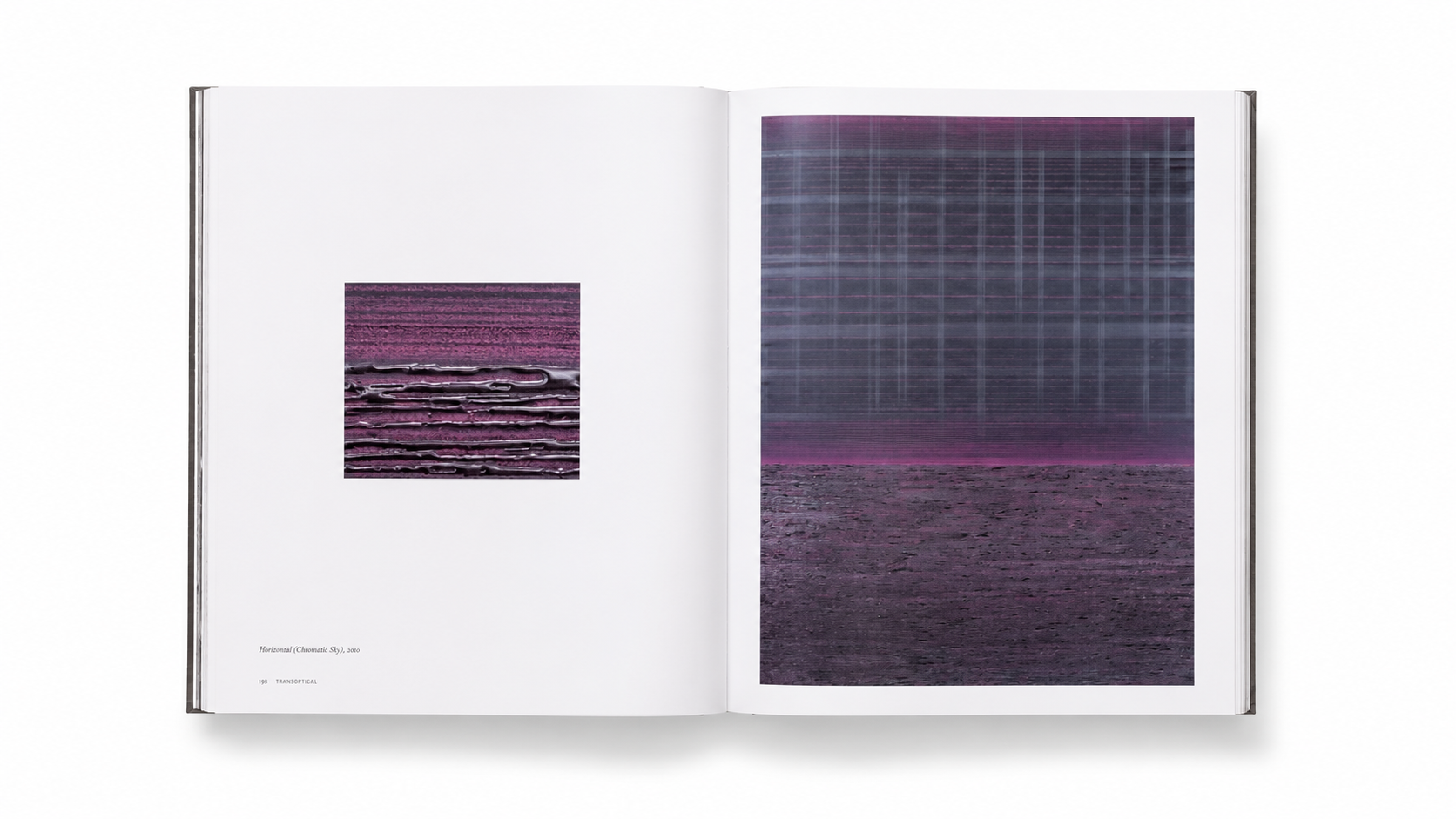
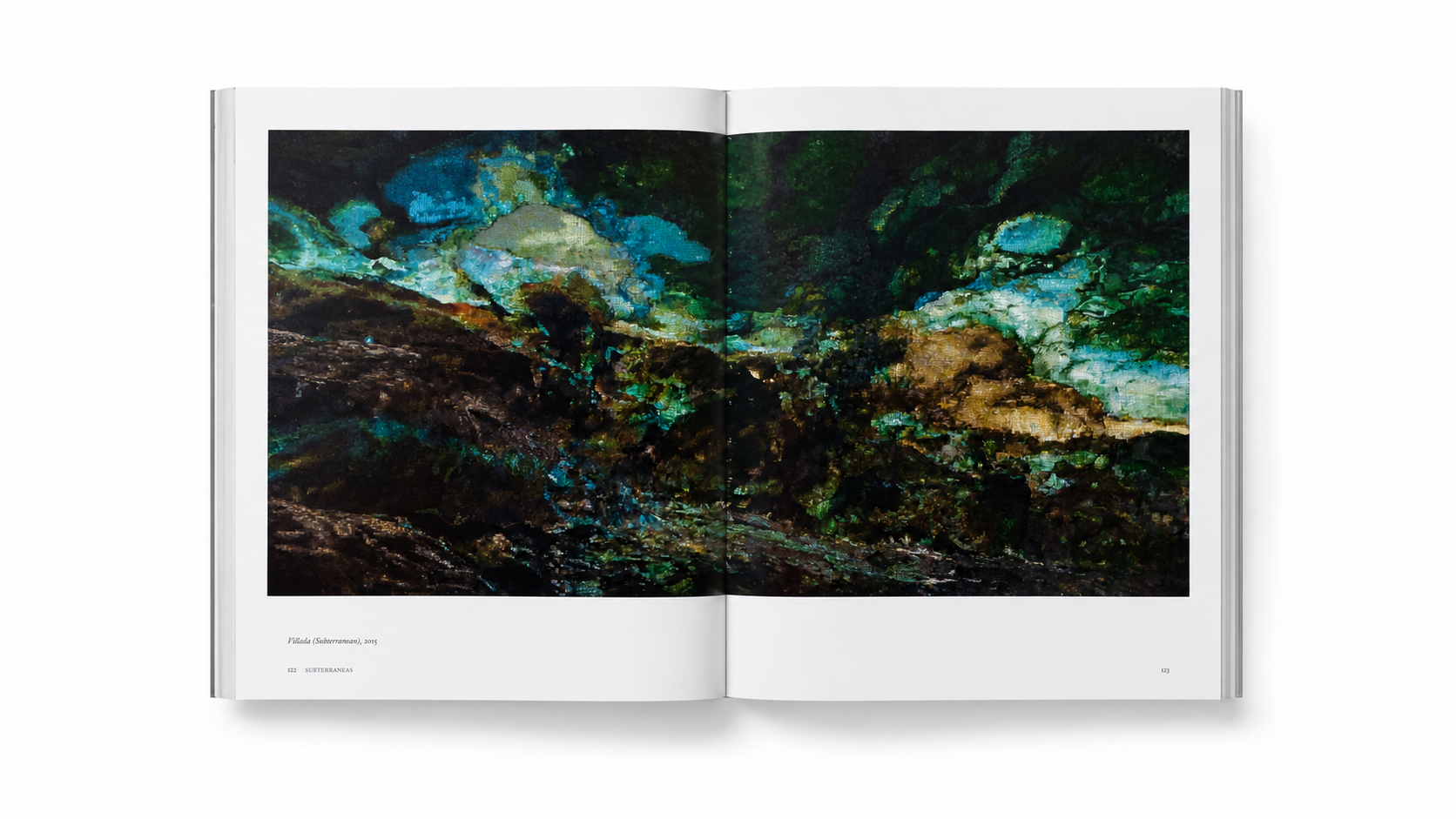
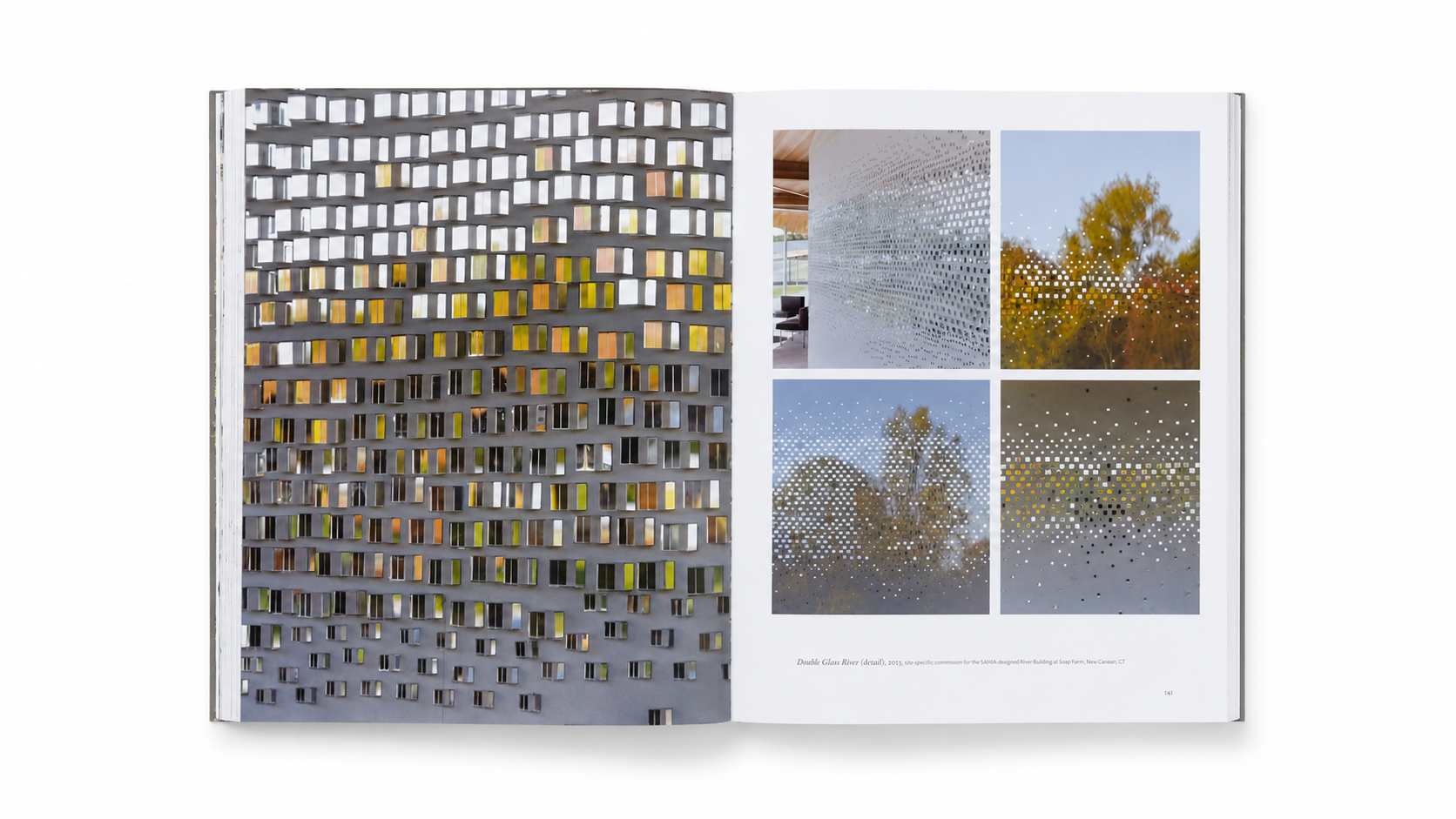
In contemporary art, the concept of landscape has evolved far beyond the depiction of natural scenery. It has become a lens through which artists explore history, power, memory, and identity. Cuban American artist Teresita Fernández stands among the most influential voices of the past two decades, renowned for creating monumental works that exist between sculpture, installation, and architectural space. Employing unconventional materials such as graphite, pyrite, malachite, gold leaf, dyed threads, and polycarbonate, she invites viewers to reconsider both their surroundings and their own place within them. Teresita Fernández: Wayfinding is the most comprehensive survey of her work to date, bringing together an extensive selection of artworks, artist's sketches, critical essays, and interviews. Rather than following a chronological narrative, the book is organized around the concept of Wayfinding, offering a compelling framework for understanding more than twenty years of her artistic practice.
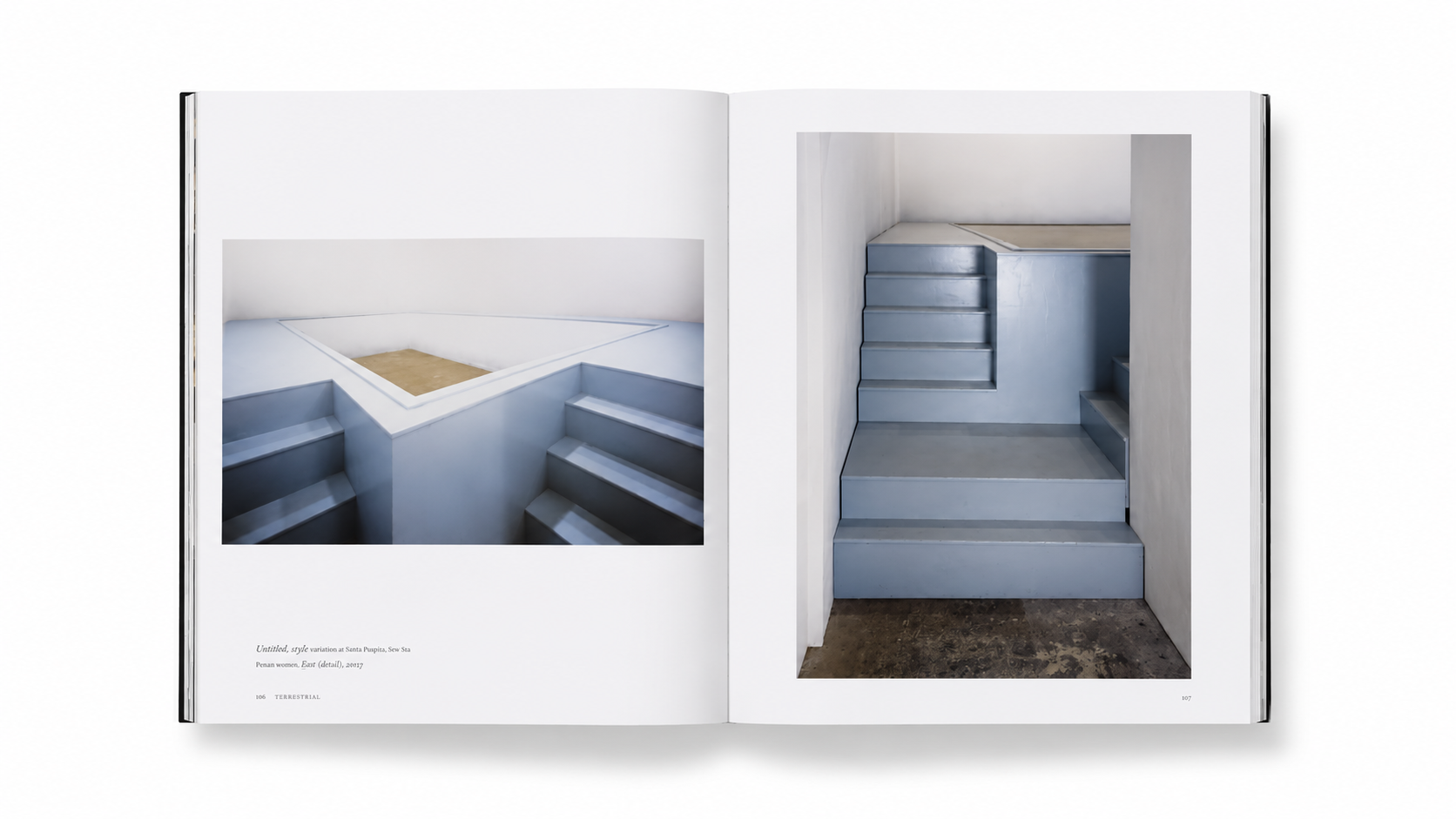
For Fernández, Wayfinding is not simply about navigation—it is the process of locating oneself within unfamiliar environments, interpreting space, and even embracing the experience of becoming lost. The book unfolds through six thematic chapters—Landscape, Celestial, Terrestrial, Subterranean, Cinematic, and Radiance—forming a journey that moves across the earth's surface, beneath it, into the sky, and through psychological space. Rather than representing nature, Fernández redefines landscape itself as a site where physical geography, colonial history, cultural memory, and systems of perception intersect. As the artist has observed, *"We look at landscapes, but landscapes also look back at us."* This reversal of the act of seeing allows her work to occupy a space where poetry and politics, sensory experience and critical reflection, coexist.
Unlike many retrospective monographs that prioritize chronology, Wayfinding connects works through thematic relationships, encouraging dialogue between projects created across different periods while revealing the evolution of Fernández's ideas. Alongside her large-scale public installations, sculptures, and immersive environments, the volume incorporates the artist's own writings, literary and poetic references, and insightful essays that illuminate how she uses material, light, and scale to transform our perception of space. In doing so, the book mirrors Fernández's creative methodology itself—art does not provide definitive answers, but continually invites viewers to reposition themselves in relation to the world around them.
Teresita Fernández: Wayfinding is therefore far more than a monograph; it is a profound meditation on seeing, movement, and environmental consciousness. At a time when the global art world is increasingly engaged with ecological crisis, colonial histories, and the politics of landscape, Fernández reminds us that what deserves our attention is not merely the grandeur of nature, but the hidden histories embedded within the land—and the ways in which the world continually reshapes us as we seek to understand it. This remarkable volume offers not only the ideal introduction to one of today's most significant contemporary artists, but also an essential exploration of how landscape, space, and perception can be reimagined through art.
Details
Author: Denise Markonish
Publisher: Prestel
Publication Year: 2017
Dimensions: 30 × 25 cm
Binding: Hardcover