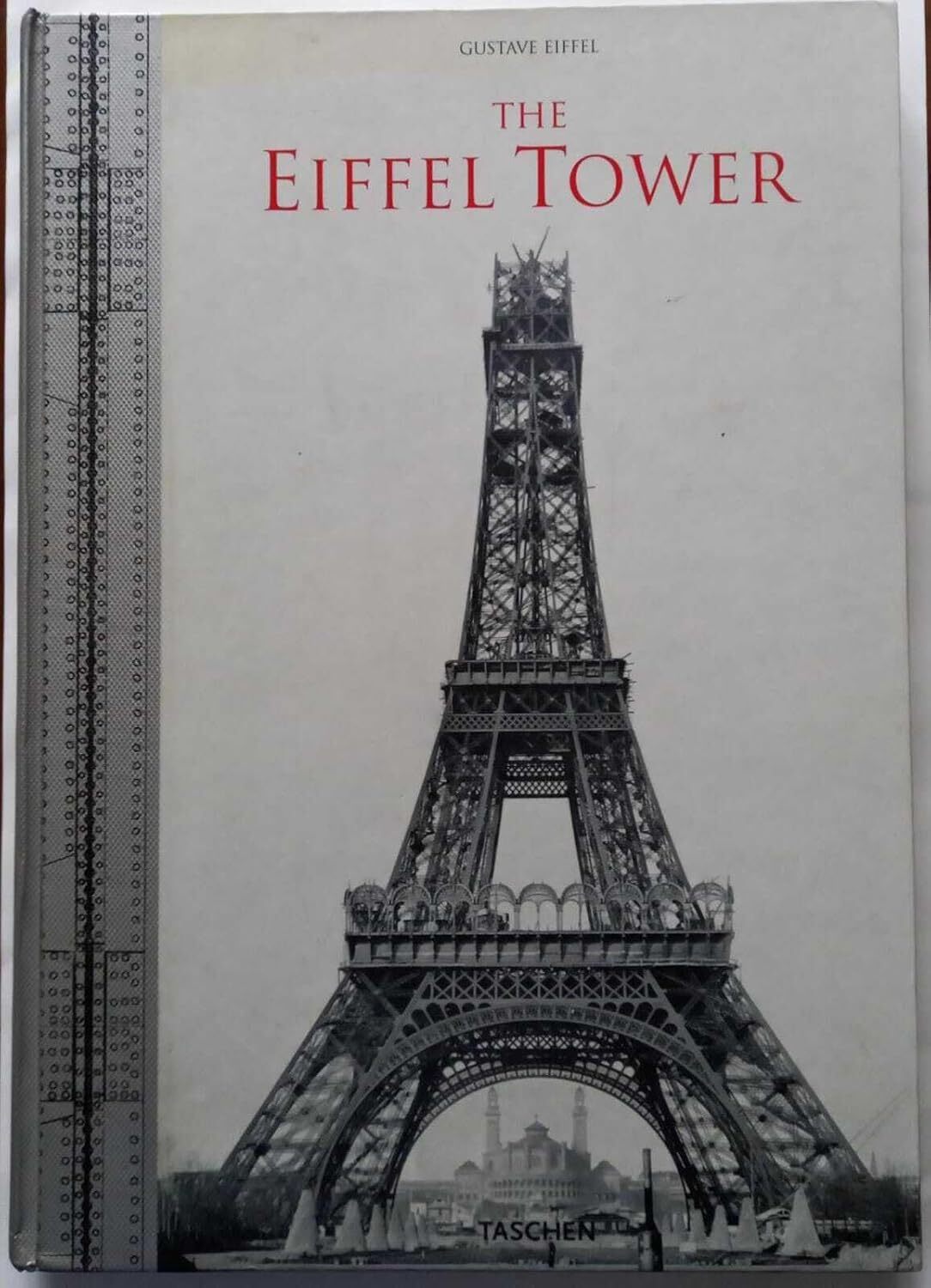
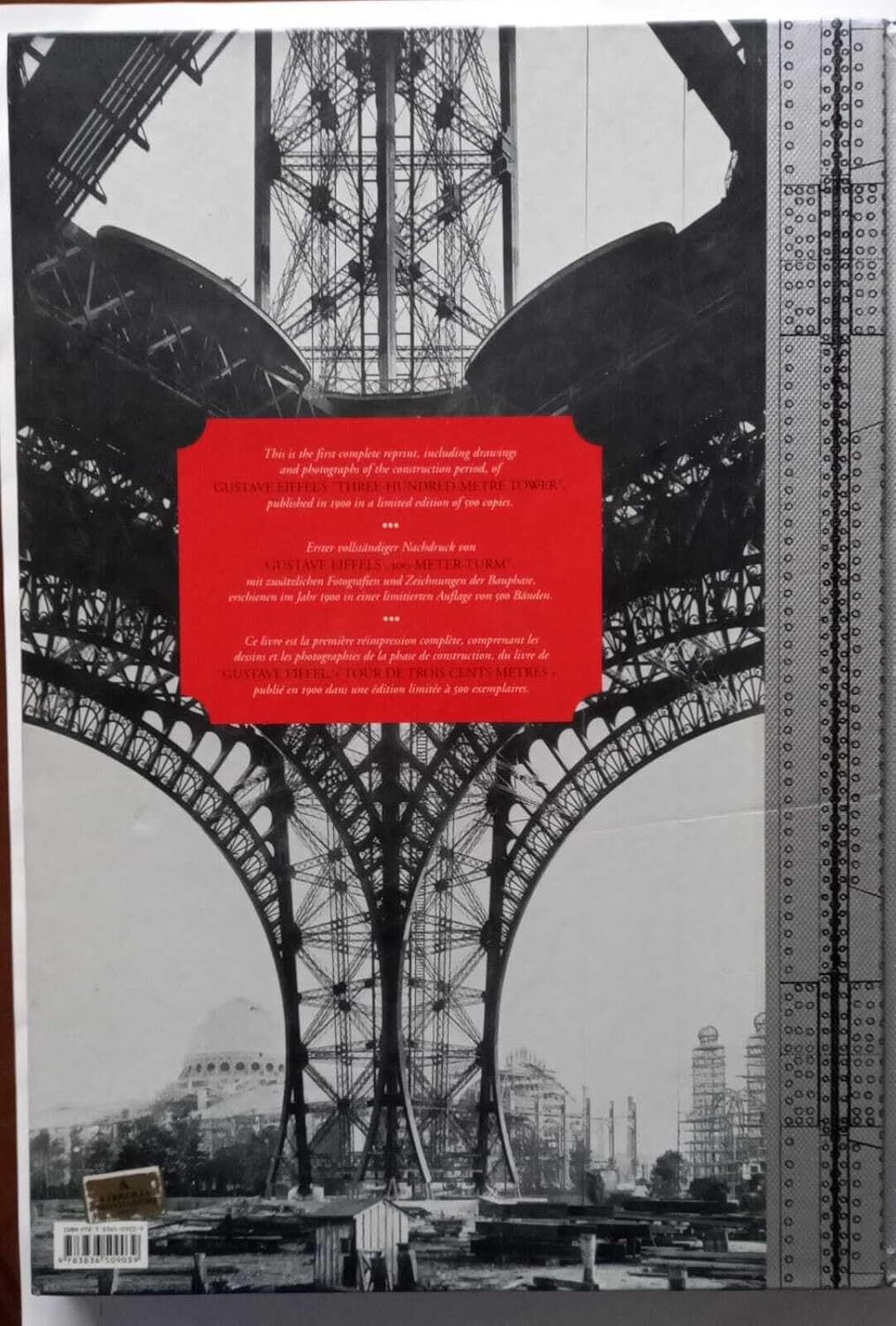
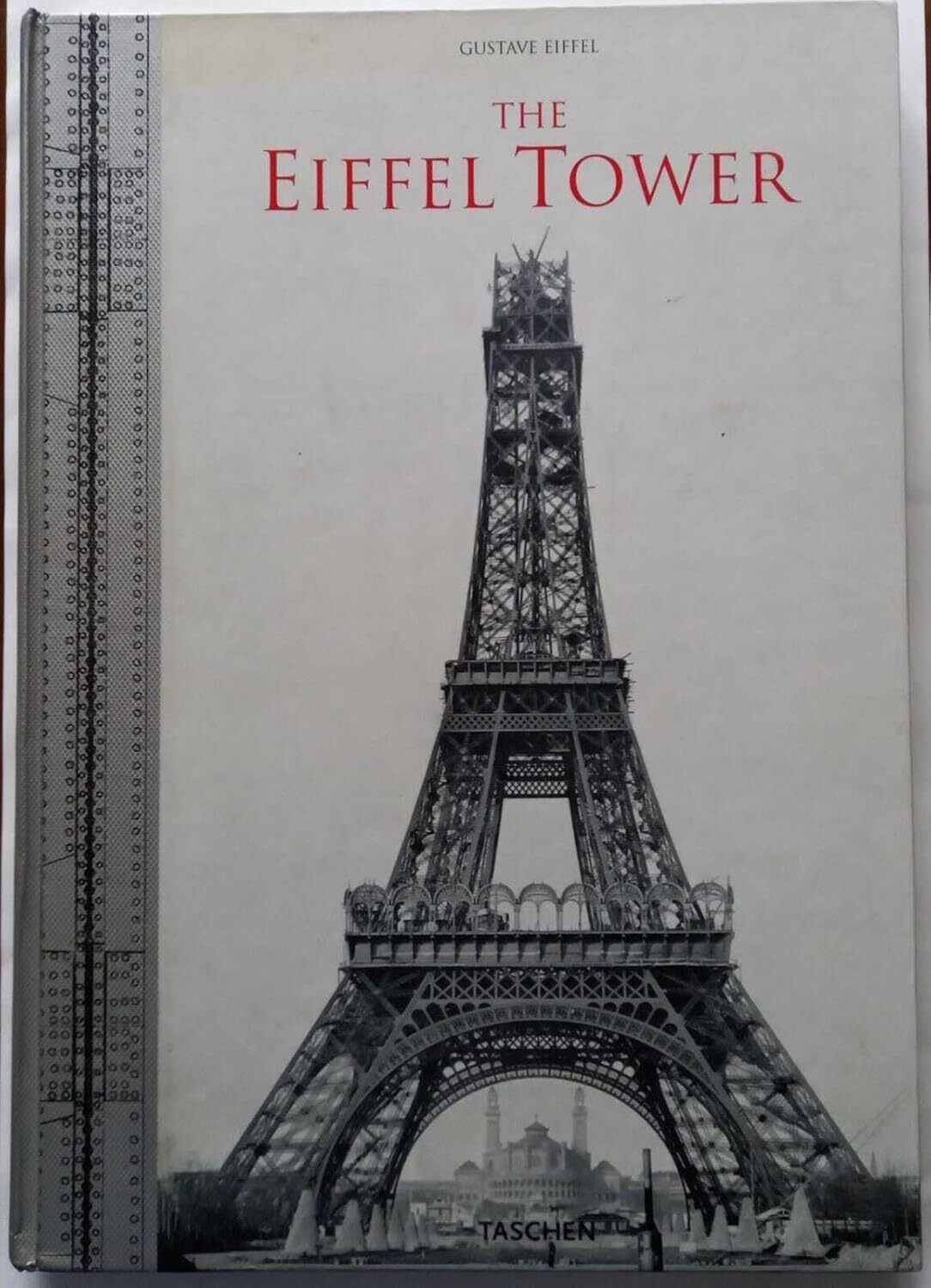
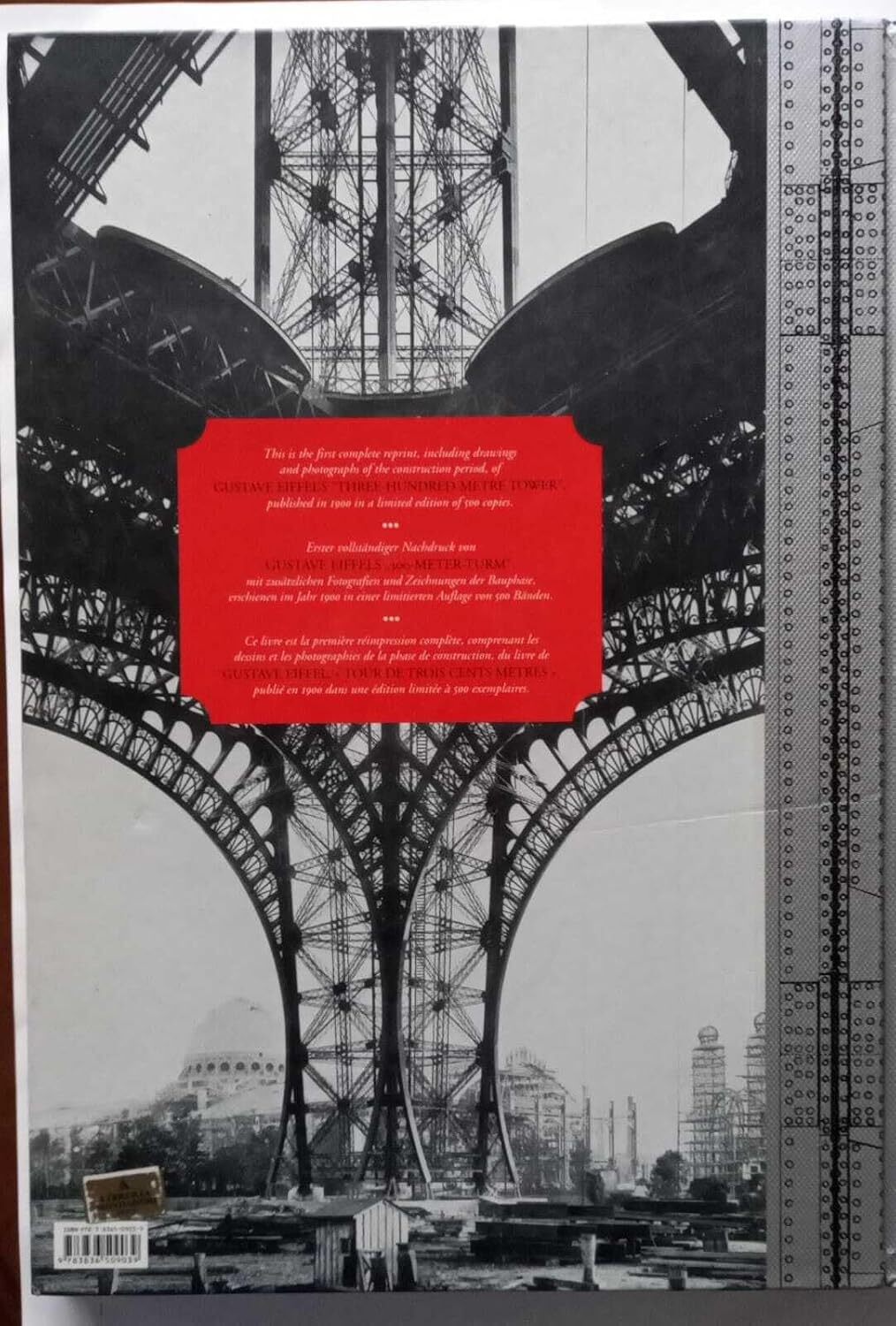
The Iron Colossus: A Complete Engineering Record of the Birth of the Eiffel Tower
Completed in 1889 for the World’s Fair, the Eiffel Tower marked a defining moment in the history of engineering. Rising to a height of 300 meters, it became the tallest structure in the world at the time, redefining the limits of modern construction. Originally granted permission to stand for only twenty years, the tower was preserved thanks to its unparalleled engineering value and symbolic significance, eventually becoming a global landmark synonymous with Paris and attracting more than six million visitors each year.
The Iron Colossus is an exceptionally rare reprint that offers a comprehensive account of the Eiffel Tower’s conception and construction. The original volume was personally compiled and published by Gustave Eiffel in 1900 as a large-format folio, produced in a limited edition of just 500 copies. Never offered for sale, it was distributed solely as a gift or donation, making it one of the most elusive engineering documents of its time. This reprint brings the spirit and achievement of nineteenth-century engineering back into print.
The book features 53 double-page plates containing an extraordinary 4,300 detailed technical drawings, which meticulously explain the structural design and construction logic of the tower. These are complemented by 33 historical photographs documenting the building process, vividly capturing the step-by-step realization of this monumental iron structure. Together, the drawings and photographs reveal the exceptional engineering insight behind Eiffel’s masterpiece and provide a window into the technological peak of the industrial age.
For architects, engineers, and designers, this volume is an essential reference for understanding the engineering vision of the Eiffel Tower. At the same time, the richness of its visual material allows general readers to appreciate the technical depth and cultural significance behind one of Paris’s most enduring symbols. The Iron Colossus stands as a classic work of both scholarly importance and visual impact, offering a complete record of the birth of one of the world’s greatest engineering marvels.