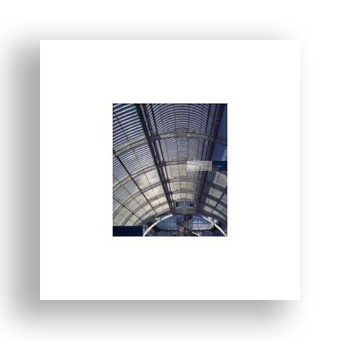
This book is a classic and comprehensive study of glasshouse architecture, offering a systematic overview of the evolution of glass-enclosed spaces from their origins to the modern era. Beginning in the mid-16th century, it examines how the desire to cultivate exotic plants in often harsh climates generated an urgent need for controllable glass environments. This demand led to the emergence of the glasshouse, alongside the development of ingenious mechanical systems capable of regulating temperature, humidity, and ventilation—early experiments in creating artificial microclimates.
With the technological and engineering advances of the early 19th century, glasshouse architecture rapidly expanded in scale and structural ambition. Initially commissioned by private estates and botanical societies, these large glass constructions marked a significant shift in architectural possibility. By the mid-19th century, the rise of mass production and specialized component systems made modular glass architecture feasible, culminating in landmark projects such as the Crystal Palace, an iconic symbol of the industrial age.
The book offers in-depth analyses of key innovators, including Joseph Paxton and J. C. Loudon, exploring how their advances in structural design, prefabricated components, and building systems laid the foundations for modern glass architecture. It also extends into the early 20th century, examining how the technical and conceptual legacy of the glasshouse influenced later pioneers such as Paul Scheerbart and Bruno Taut, shaping modernist and utopian architectural visions.
Through an integrated discussion of history, technology, and design theory, this volume not only traces the development of glasshouse architecture but also reveals how glass evolved from a practical material for horticultural use into a central medium symbolizing transparency, rationality, and futurity in modern architecture. For readers interested in architectural history, design culture, industrial technology, and the evolution of spatial ideas, this book stands as a work of substantial scholarly depth and lasting inspiration.