Description
Every day, hundreds of product images pass before our eyes: perfumes, jewellery, tableware, cosmetics and fashion accessories, all presented against similar backgrounds and photographed from similar angles as they compete for attention. The Still Life focuses precisely on this moment of visual excess. Even when a product’s function and appearance are already clearly visible, photographers, stylists and art directors must still consider how an object can be rearranged so that viewers are willing to pause for a few seconds longer.
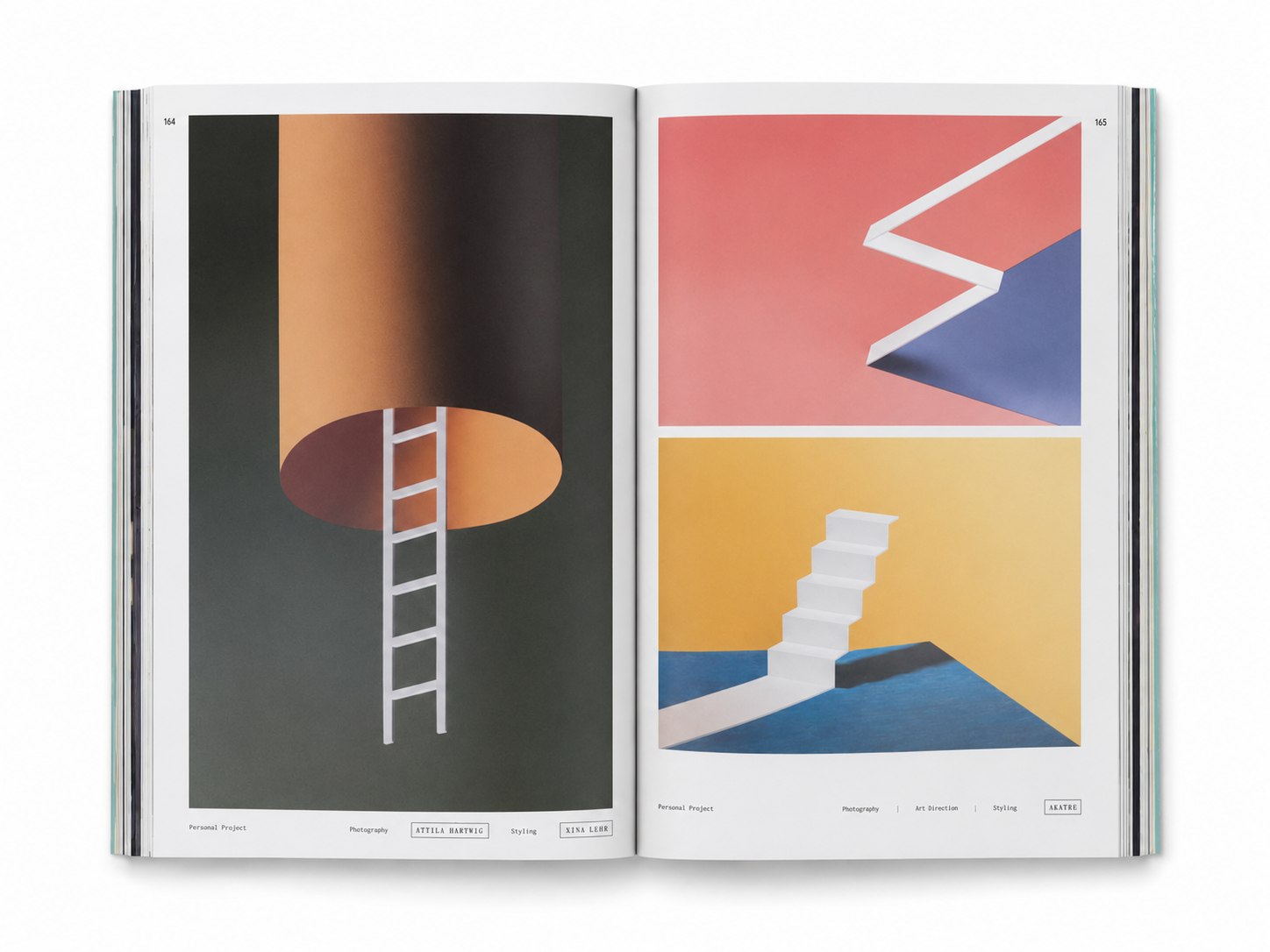
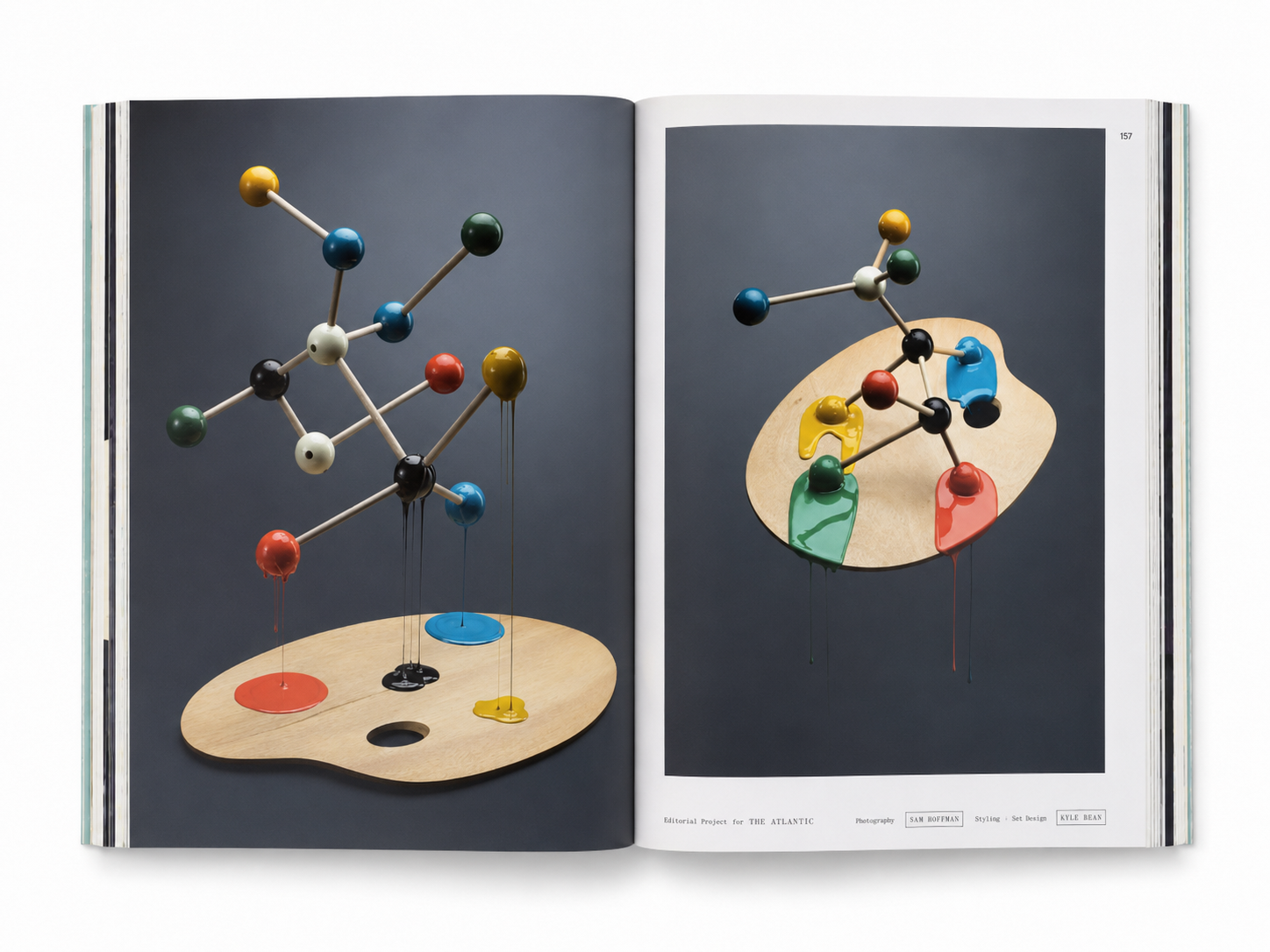
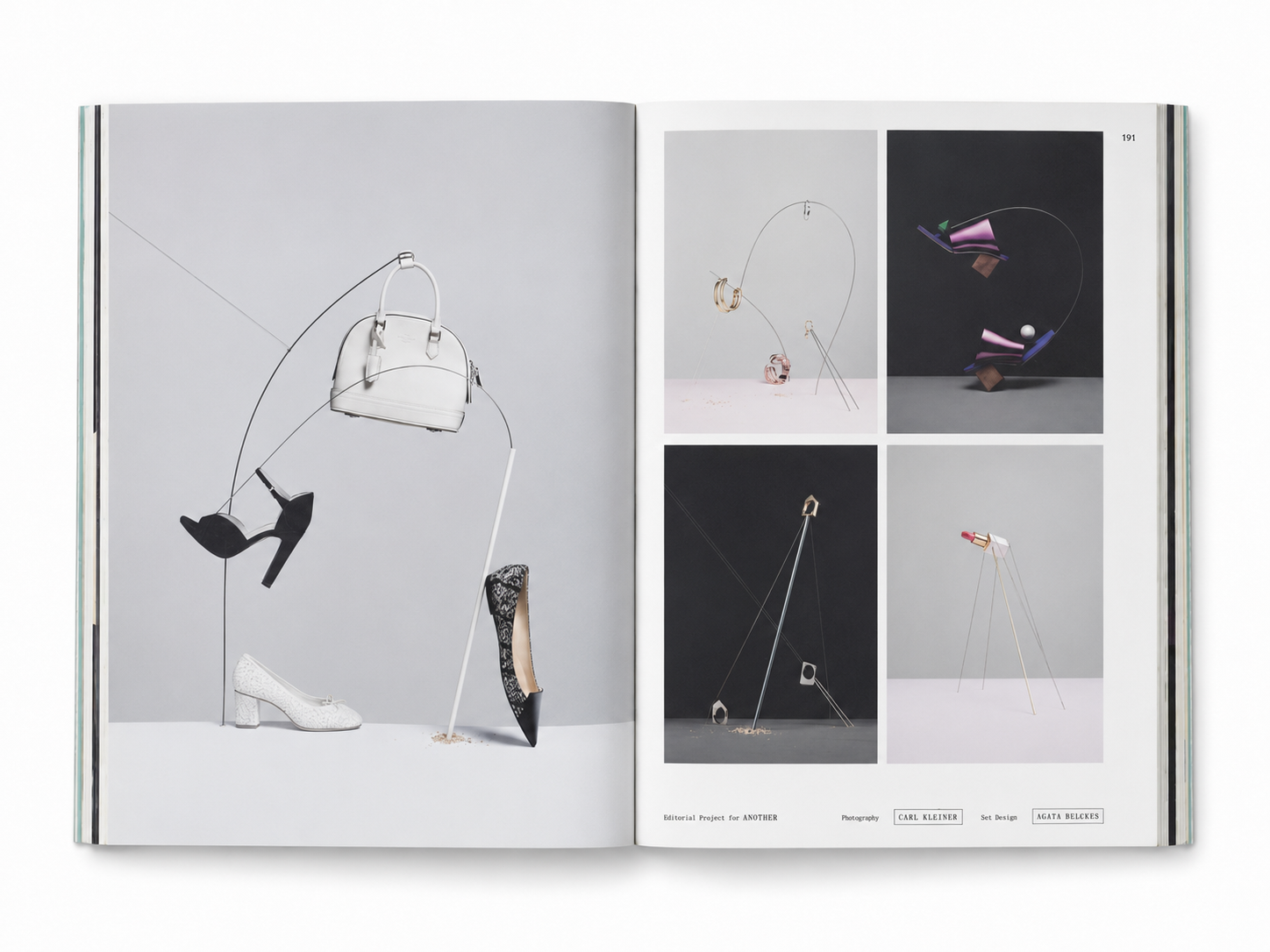
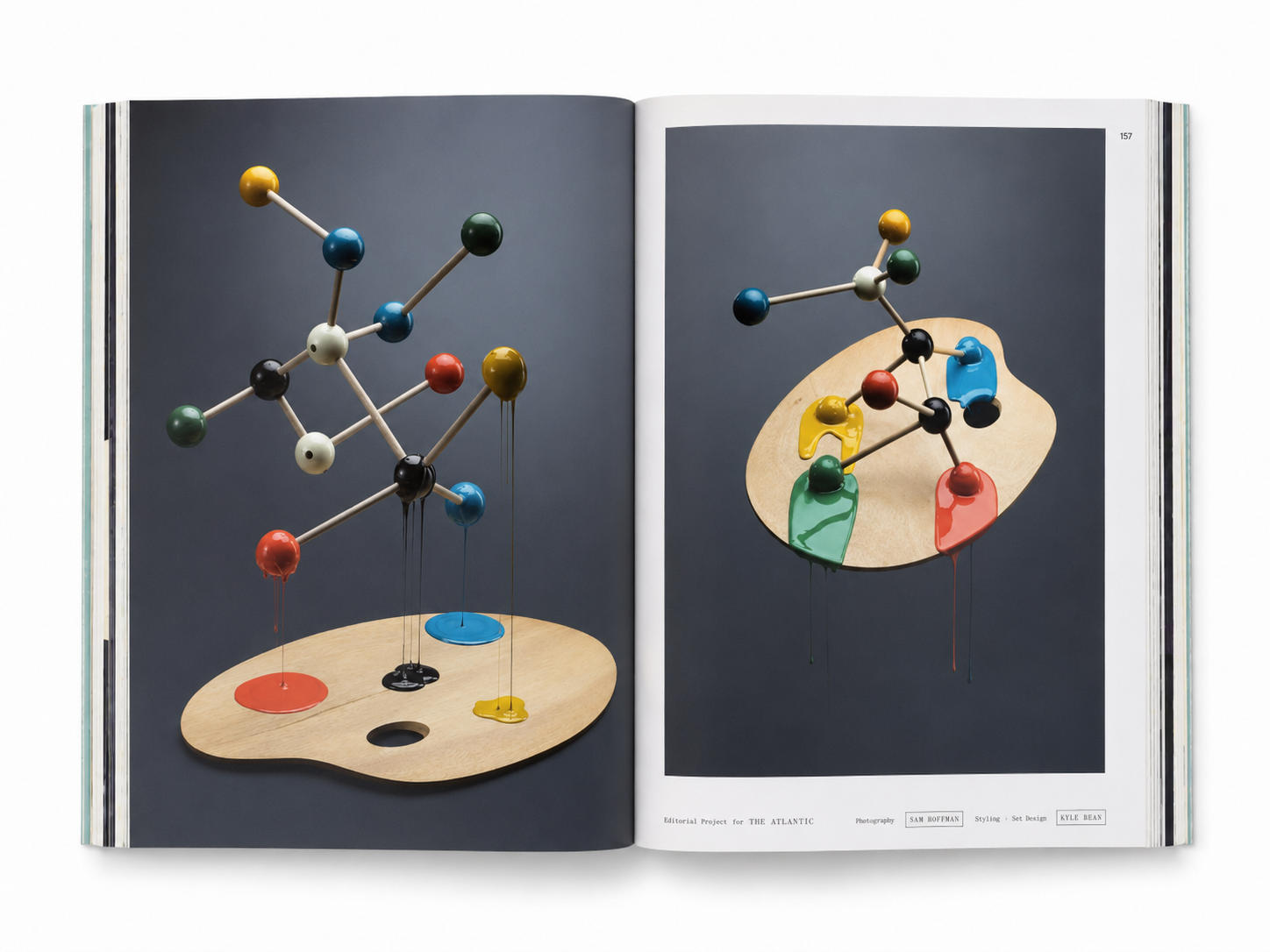
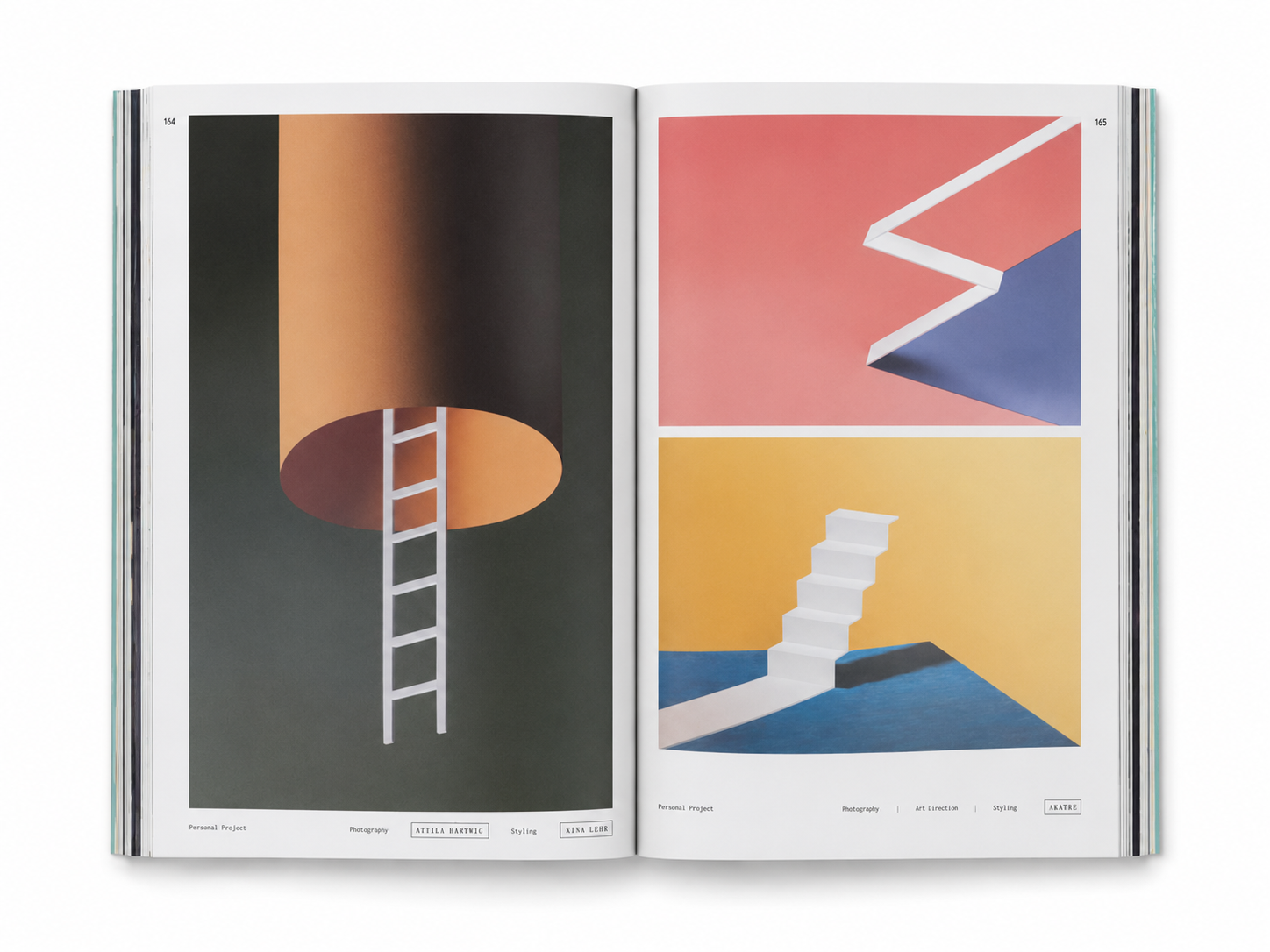
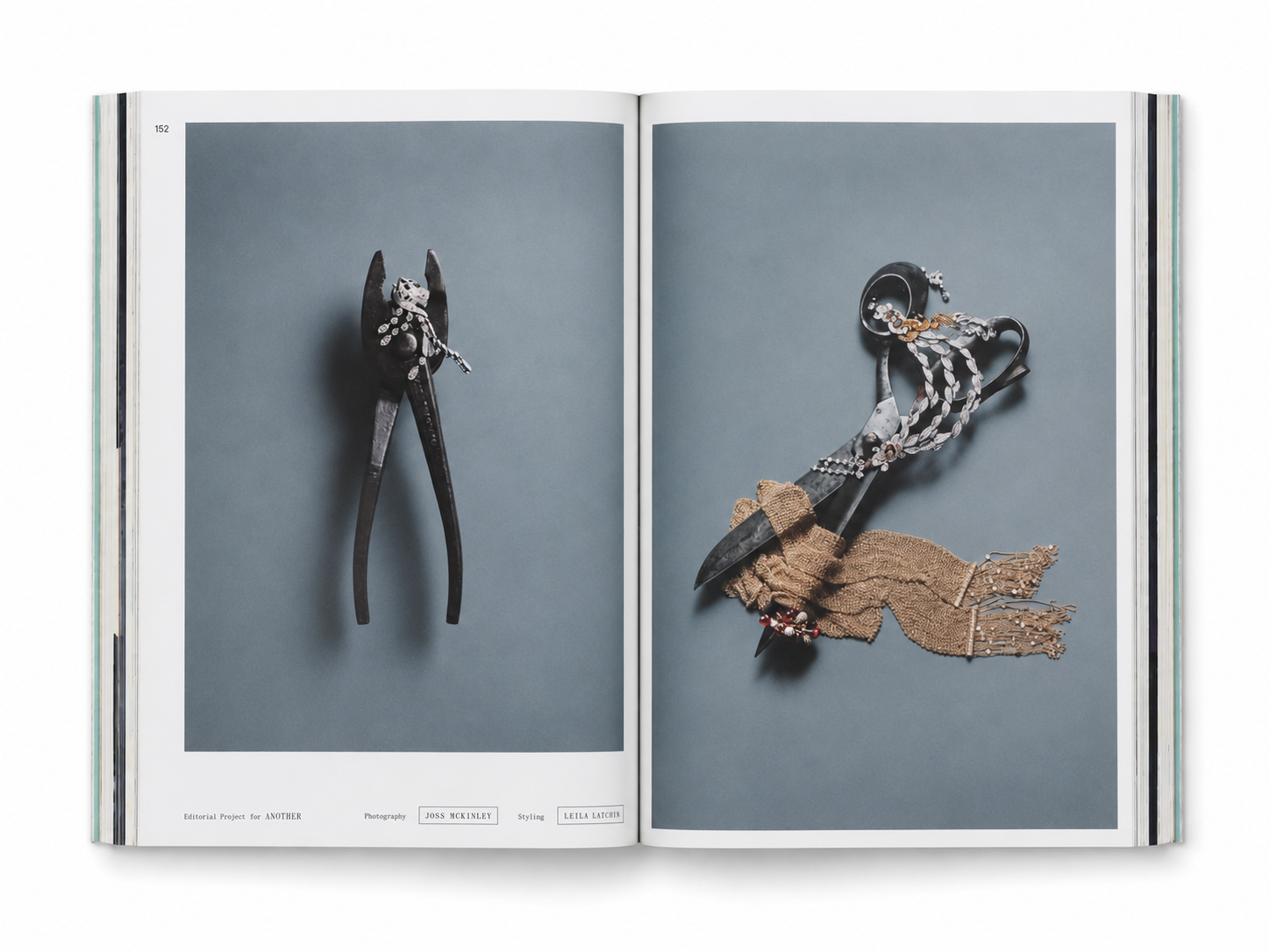
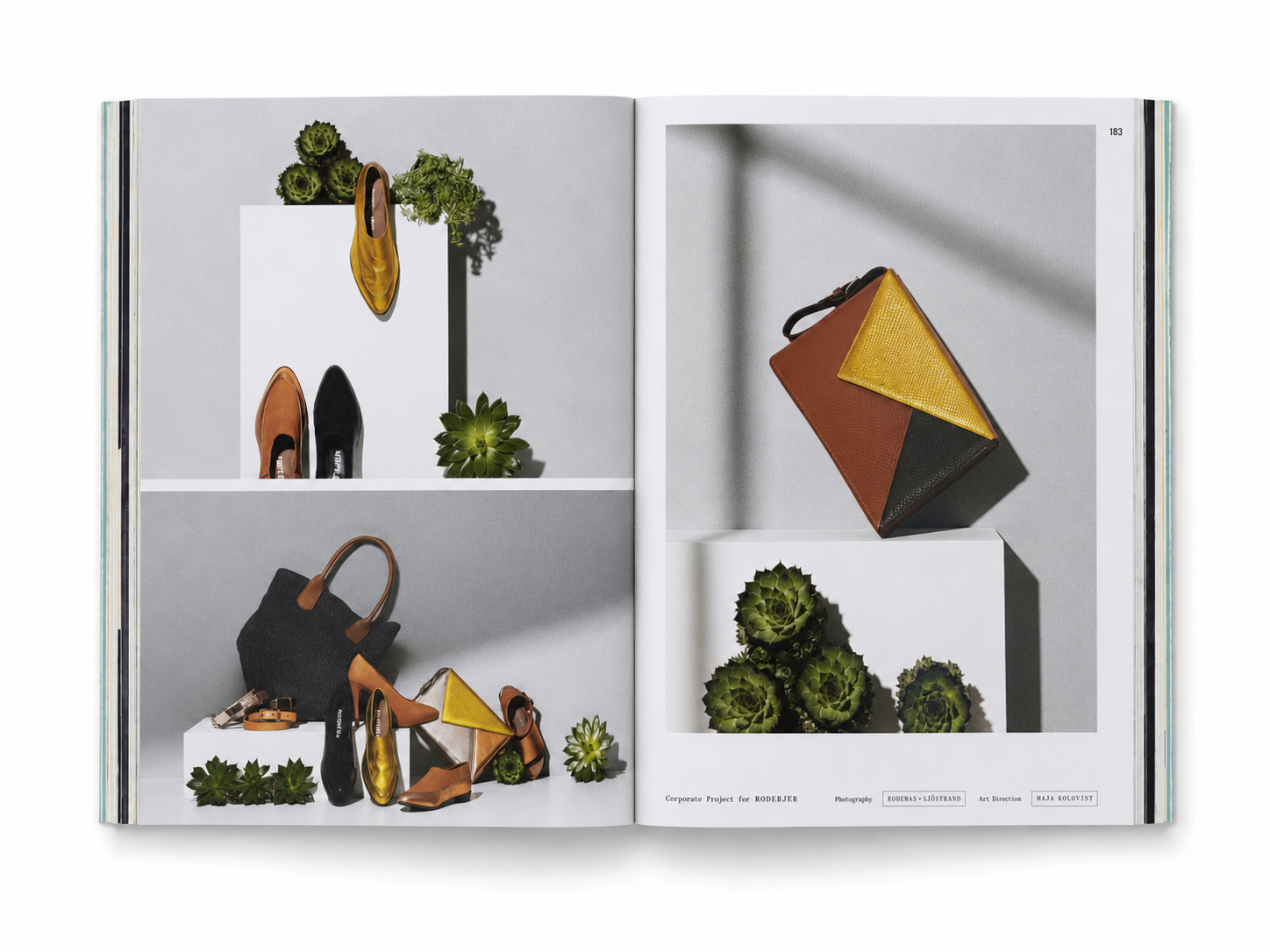
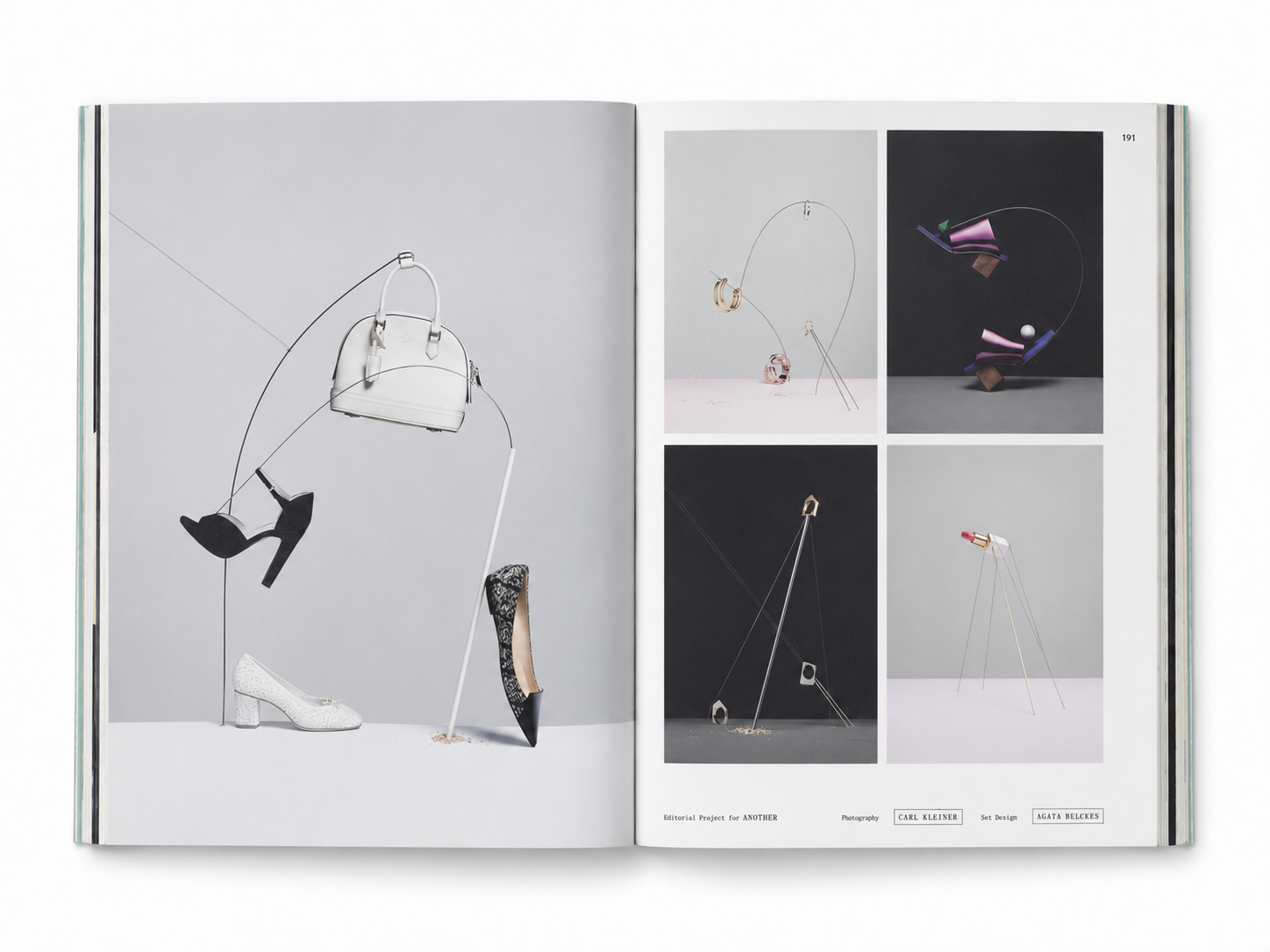
The book brings together contemporary still-life works created for magazines, advertising campaigns, brand projects and display design. In these images, products are no longer isolated against plain white backgrounds. Instead, they enter scenes constructed from flowers, paper, liquids, mirrors, concrete, metal and geometric structures. As different objects are brought together, they begin to create weight, rhythm and emotion. A bottle of nail polish may flow across a concrete surface like paint, while a piece of jewellery may be positioned within a structure resembling an architectural model. Familiar products are consequently offered new ways of being seen.
Sarah Illenberger arranges flowers to resemble the instant when fireworks burst into bloom, allowing the plants to retain both their natural textures and a festive radiance. Carl Kleiner supports tulips with fine metal wires, making their stems bend, lean and balance like bodies. These images do not necessarily require elaborate plots; the position, direction and material relationships of the objects are enough to establish a narrative. Viewers are first drawn to an unusual sense of order, only gradually becoming aware of the products and brands within the composition.
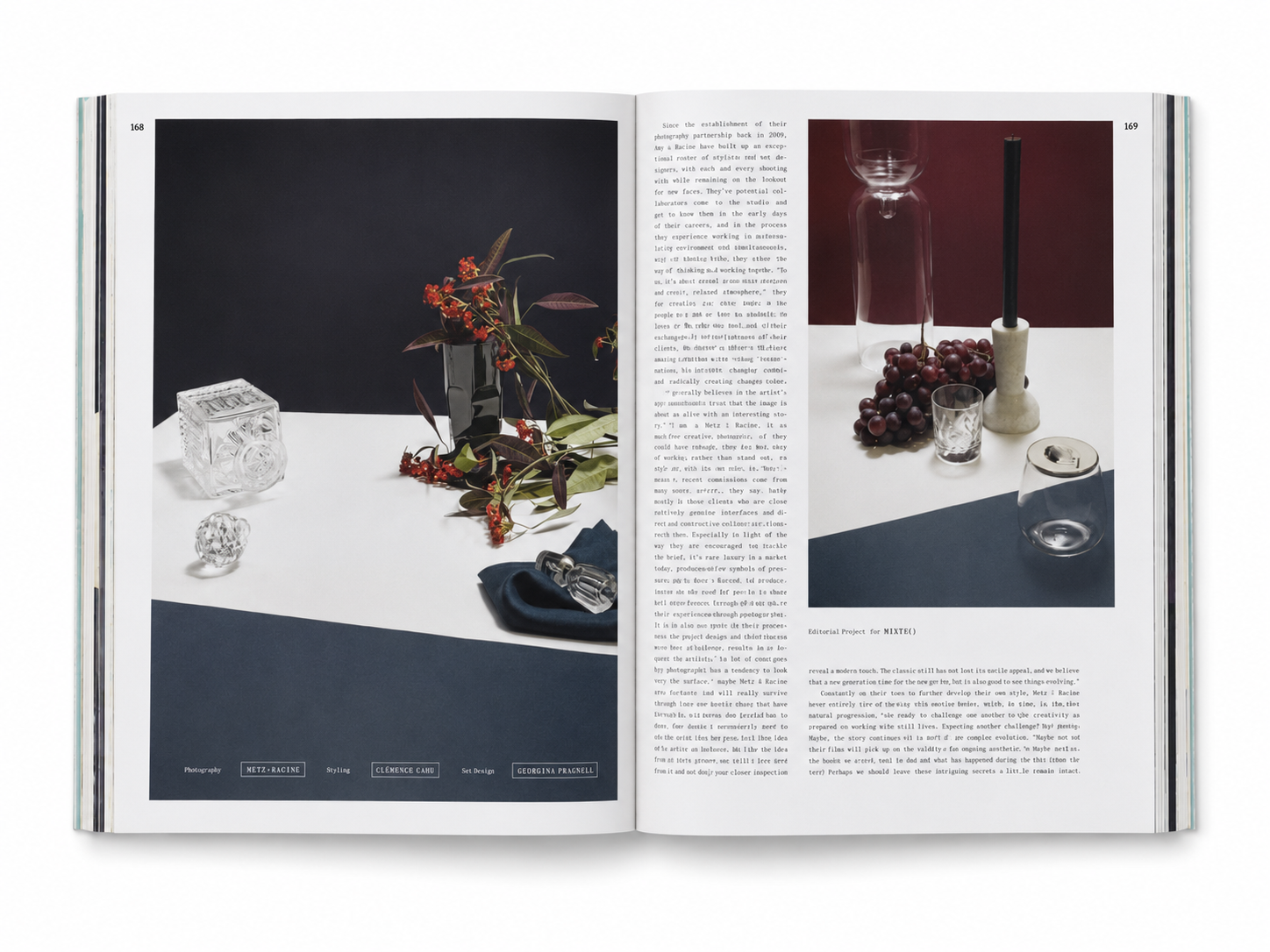
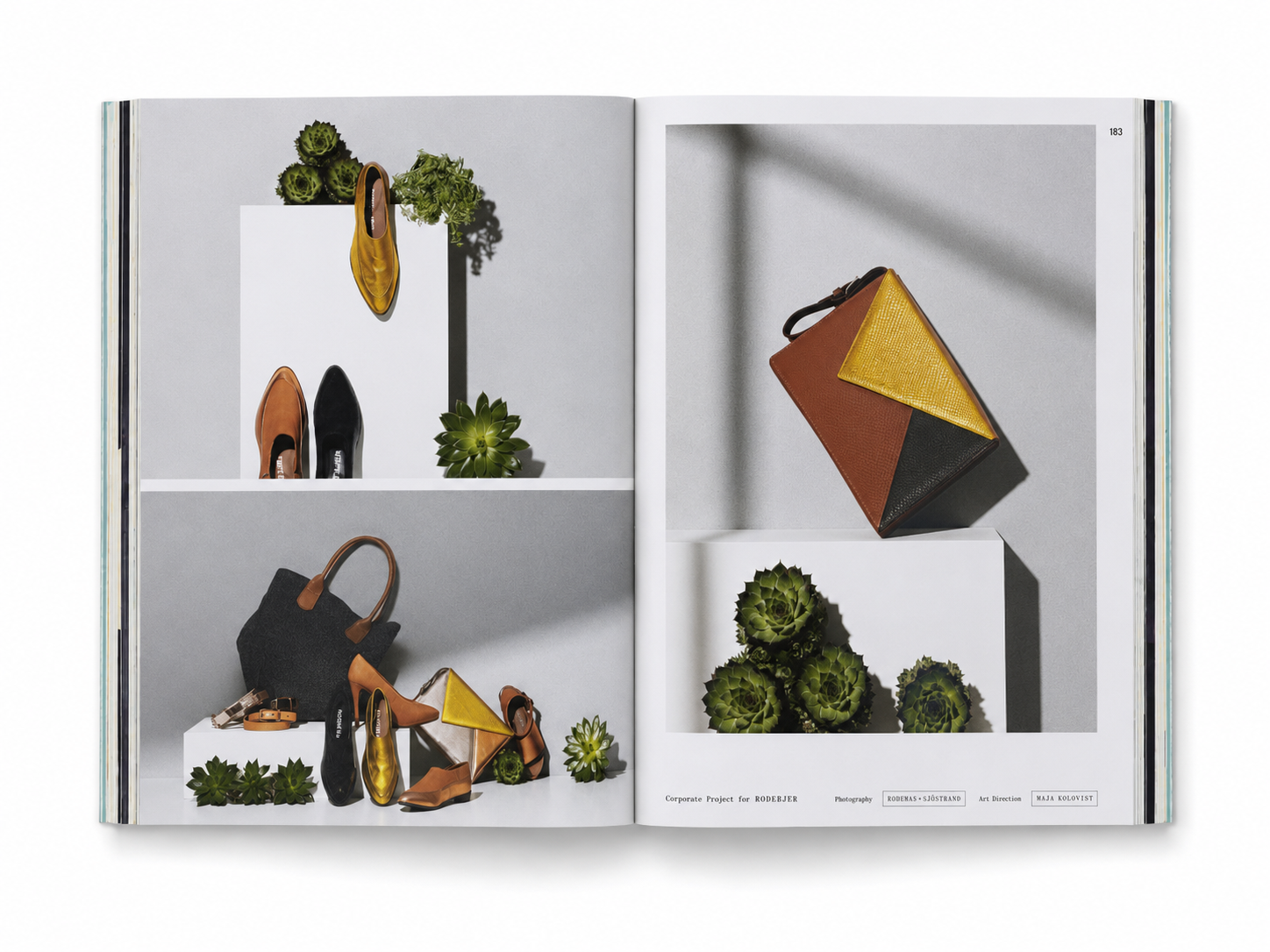
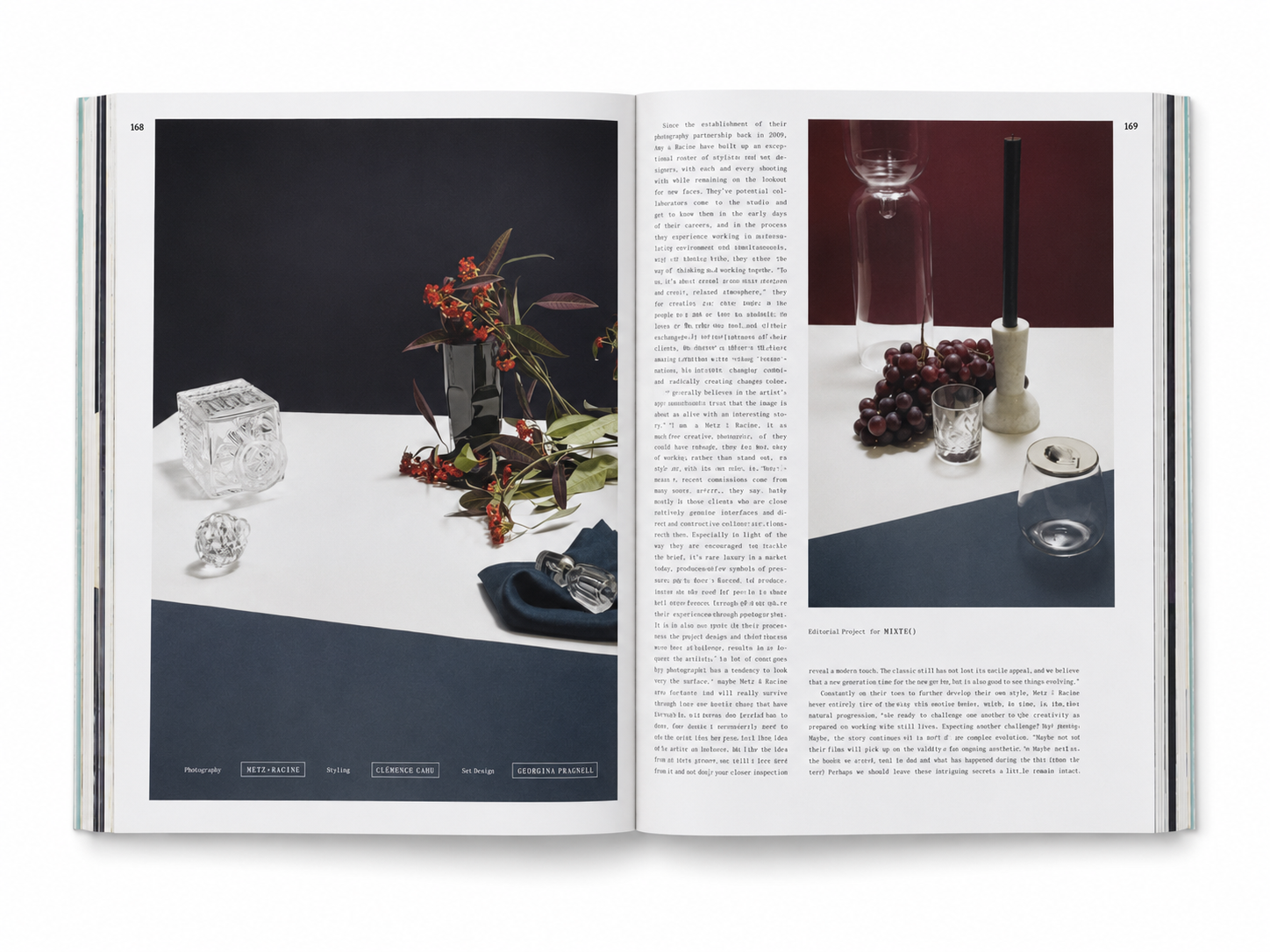
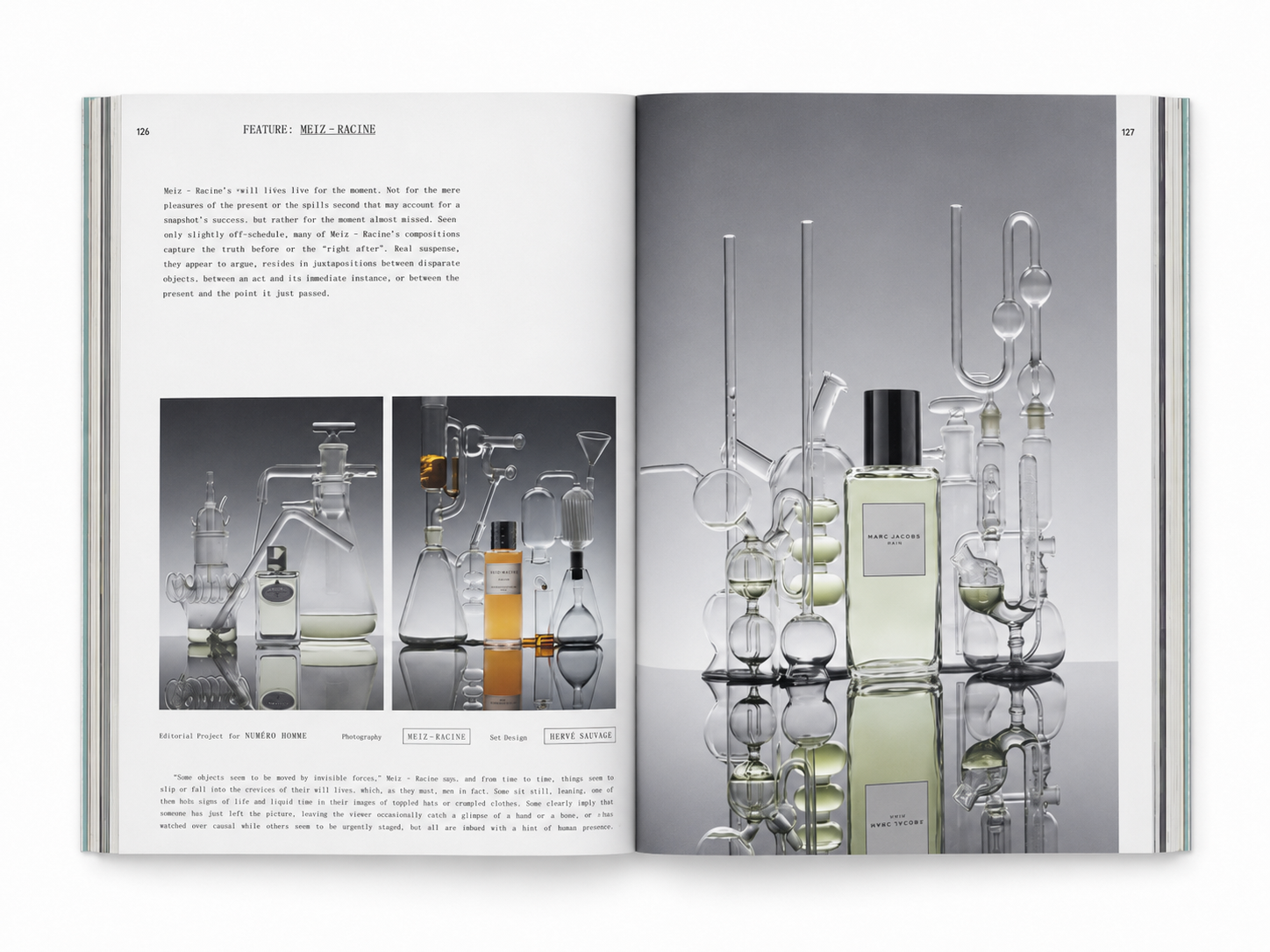
The power of still-life photography often emerges from the distance between an object’s original purpose and its newly created setting. Everyday items are enlarged, suspended, stacked or placed in improbable situations, temporarily removed from their familiar modes of use. The background is no longer simply a space that supports the product: rough concrete can accentuate the sheen of cosmetics, transparent glass can amplify light and colour, and soft textiles can transform the impression created by metal, plastic and rigid packaging. Through these encounters between materials, the product gradually acquires its own character.
The Still Life also reveals that a single product image is usually the result of collaboration among many people. The photographer controls the lighting and viewing angle, the stylist determines how the objects are arranged, prop and set designers construct the scene, and the art director ensures that the image remains consistent with the brand’s visual language. Product photography is therefore closely connected to graphic design, sculpture, illustration, stage design and spatial display. A magazine spread, an advertisement or a shop window may all originate from the same approach to visual thinking.
A persuasive product image allows the creative concept and the qualities of the product to support one another. The transparency of a perfume bottle, the reflections of jewellery, the texture of food or the structure of a tool can all become starting points for the design of a scene. When props and effects are used merely to create spectacle, the product can easily become lost within an elaborate composition. Only when the arrangement genuinely responds to the object’s materials, purpose and brand positioning can the image leave a clear and lasting impression.
The styles collected in The Still Life range from restrained compositions with generous negative space to richly layered and highly decorative scenes. The book includes both precise, geometric studio photography and visual experiments infused with humour, sensuality and surrealism. Rather than offering a fixed formula for product photography, it demonstrates the many forms that product storytelling can take. For photographers, stylists, advertising professionals and graphic designers, it serves as a visual reference library for composition and the use of materials. For general readers, it also reveals the overlooked visual potential of everyday objects.
When a cup, a bottle of perfume or a piece of jewellery is rearranged, it communicates more than its dimensions, materials and function. The surrounding light, colours, plants and forms begin to construct a story that has not yet been fully told. The appeal of The Still Life lies precisely in its ability to remove products temporarily from the shelf and place them within a visual world capable of inspiring the imagination.
Details
Authors: Robert Klanten, Anna Sinofzik, Sven Ehmann
Publisher: Gestalten
Publication Year: 2015
Dimensions: 34 × 25 cm
Binding: Hardcover