【Book Description】
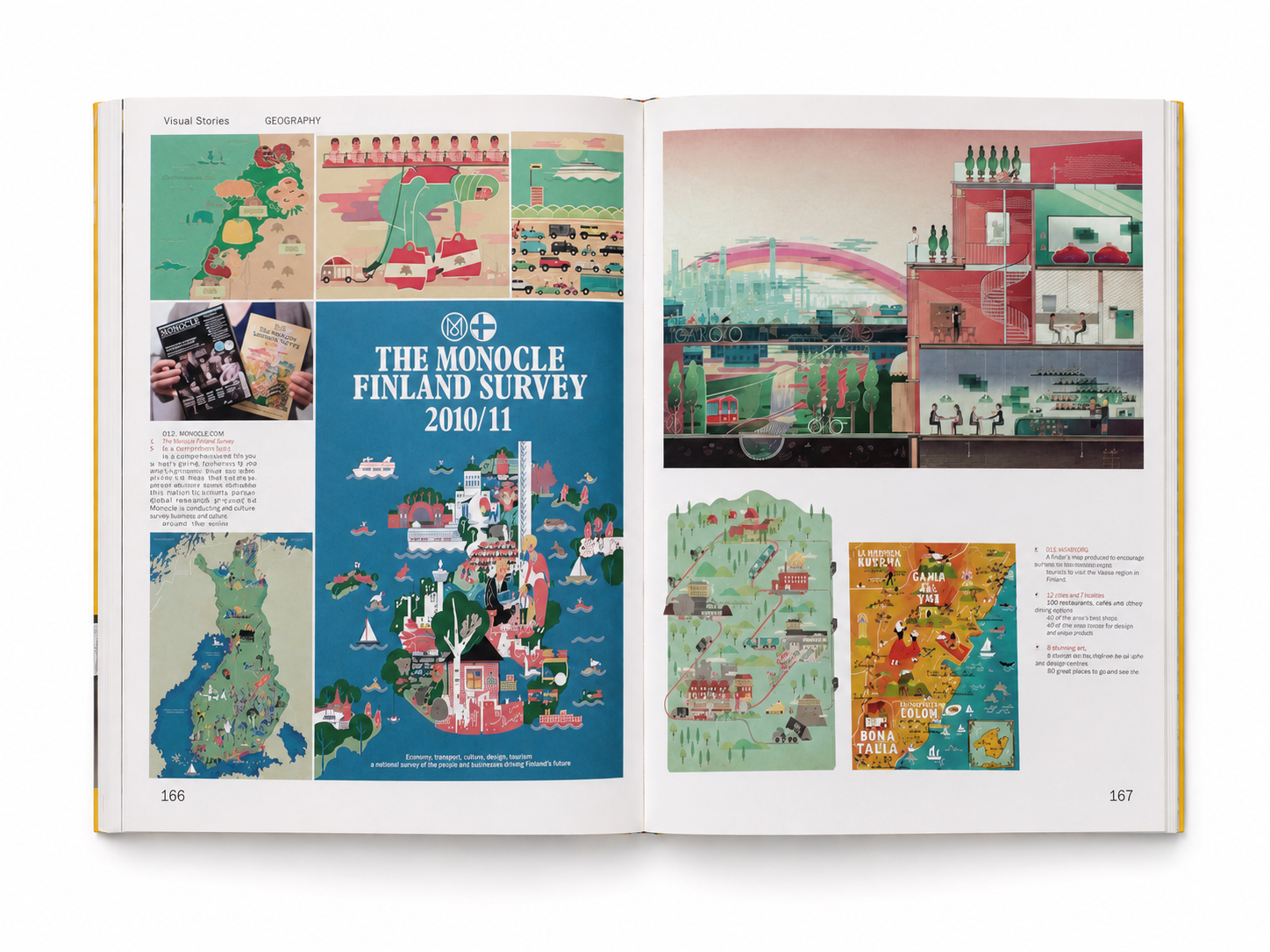
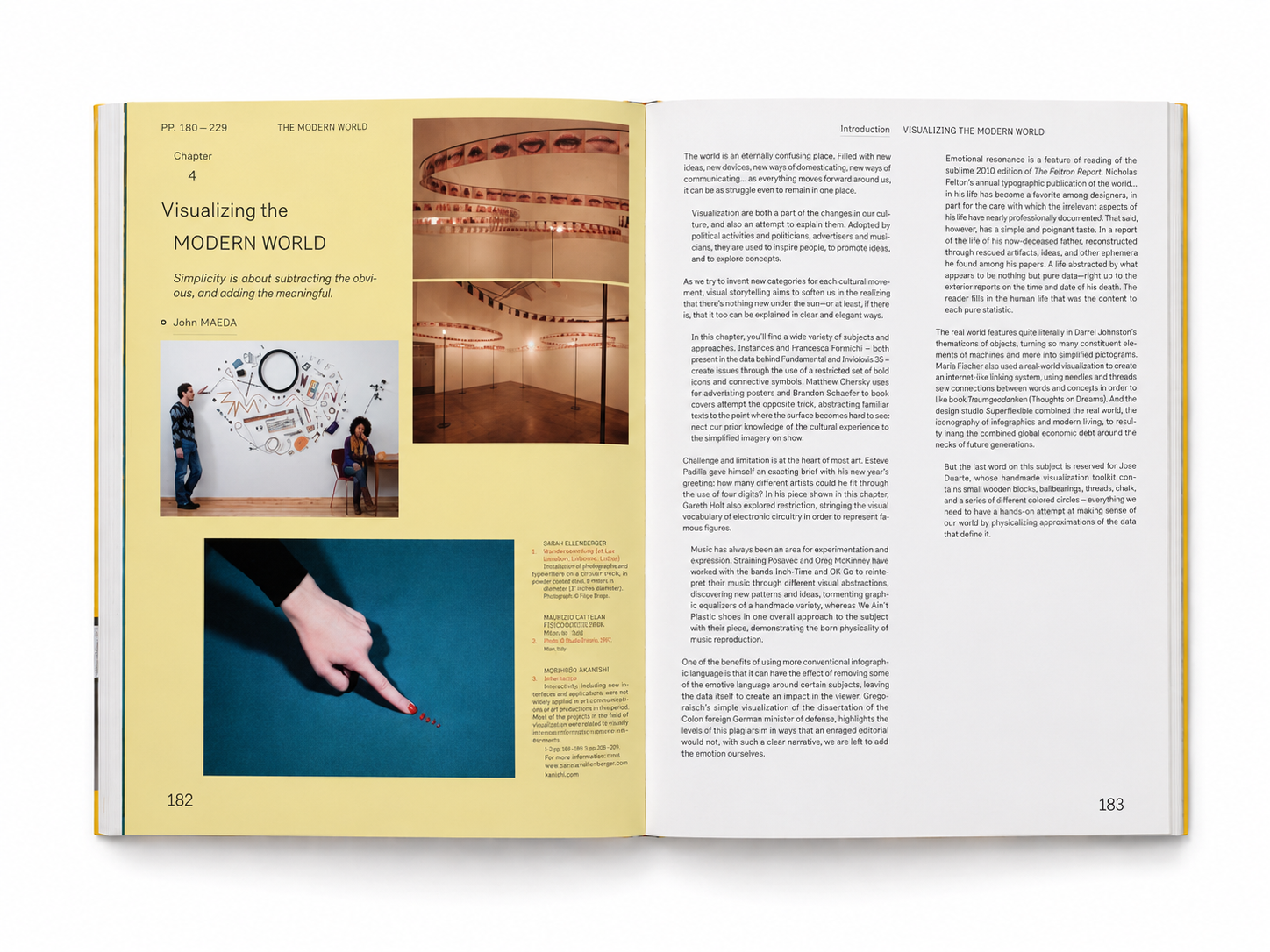
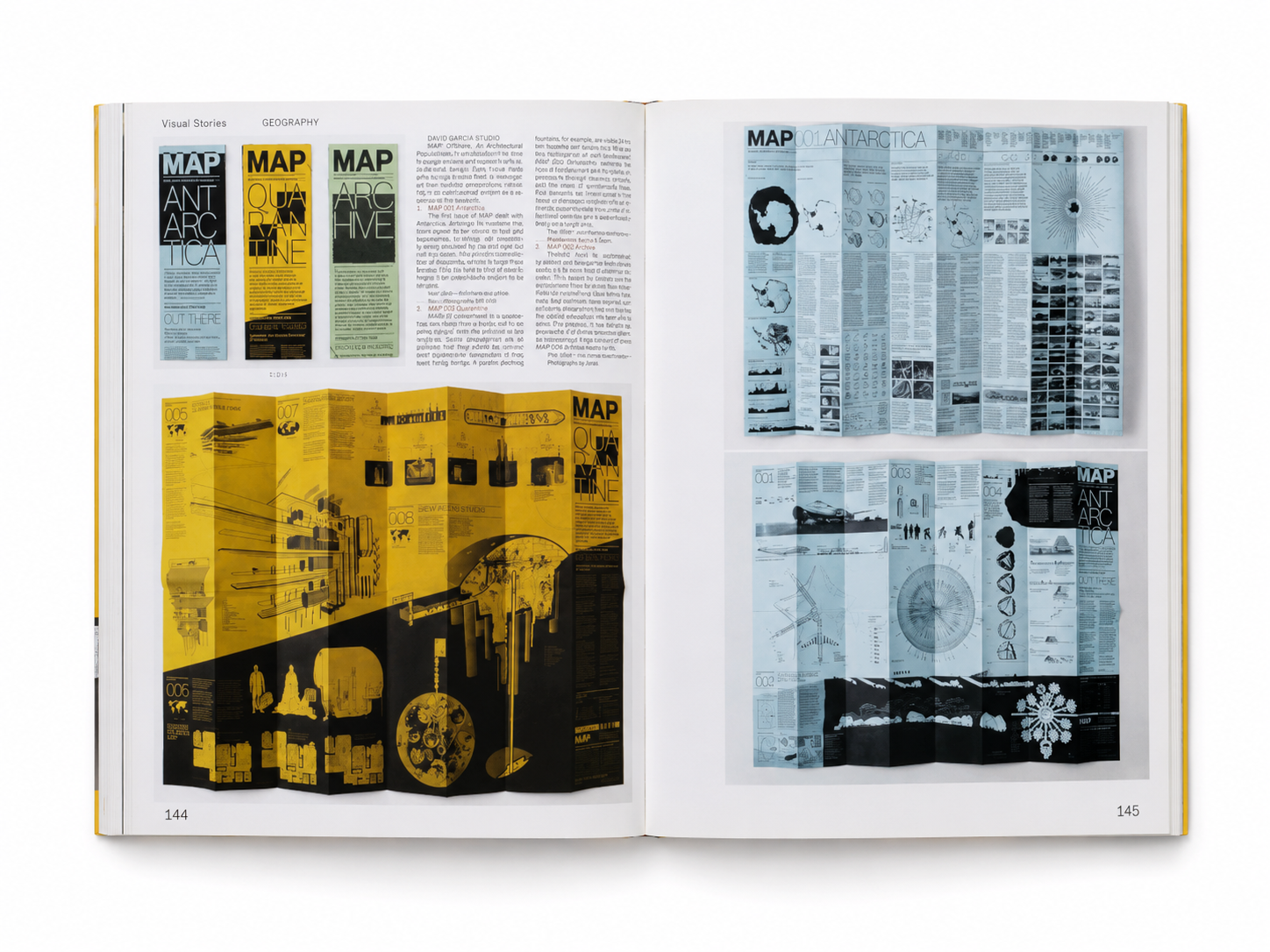
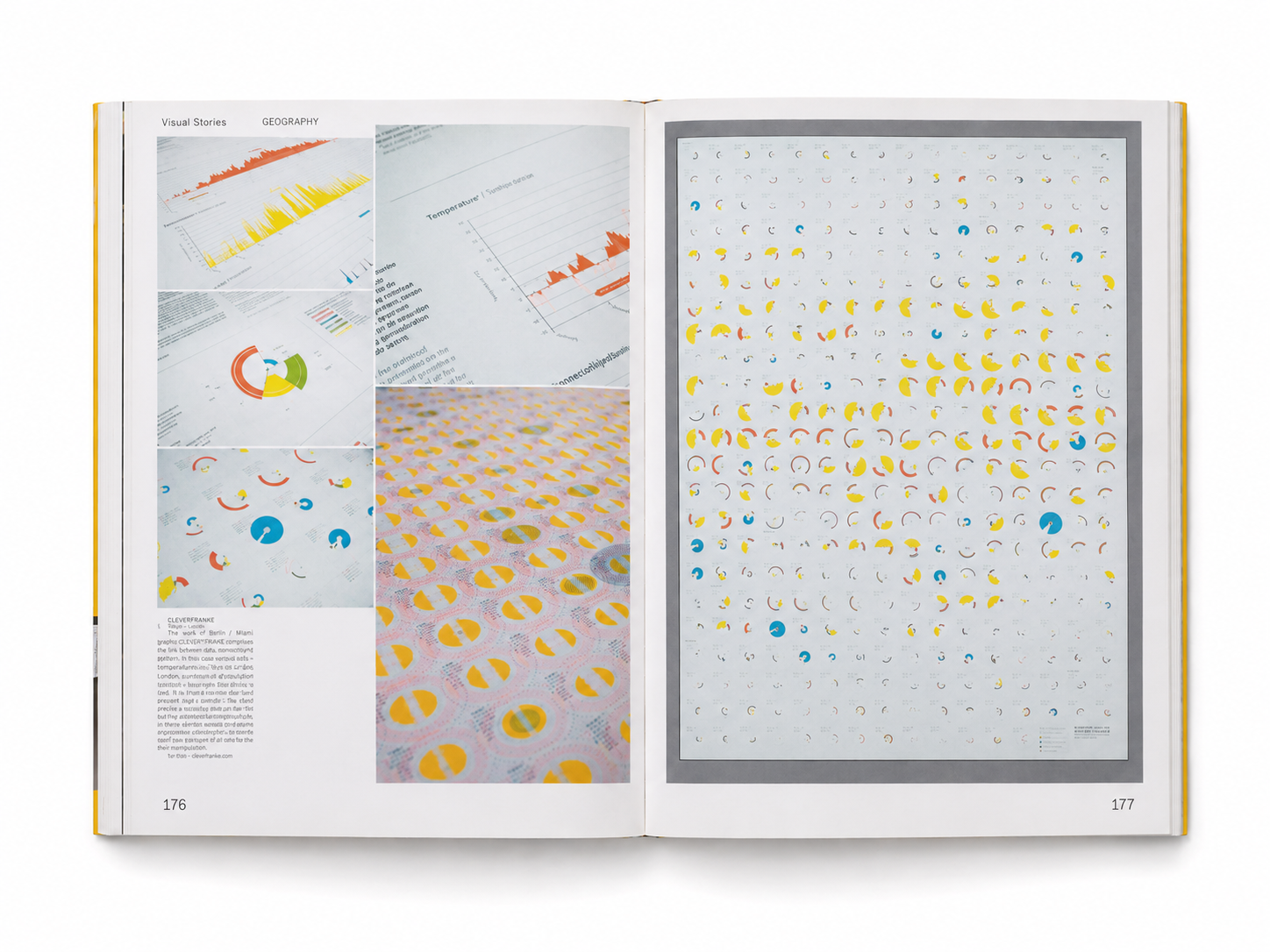
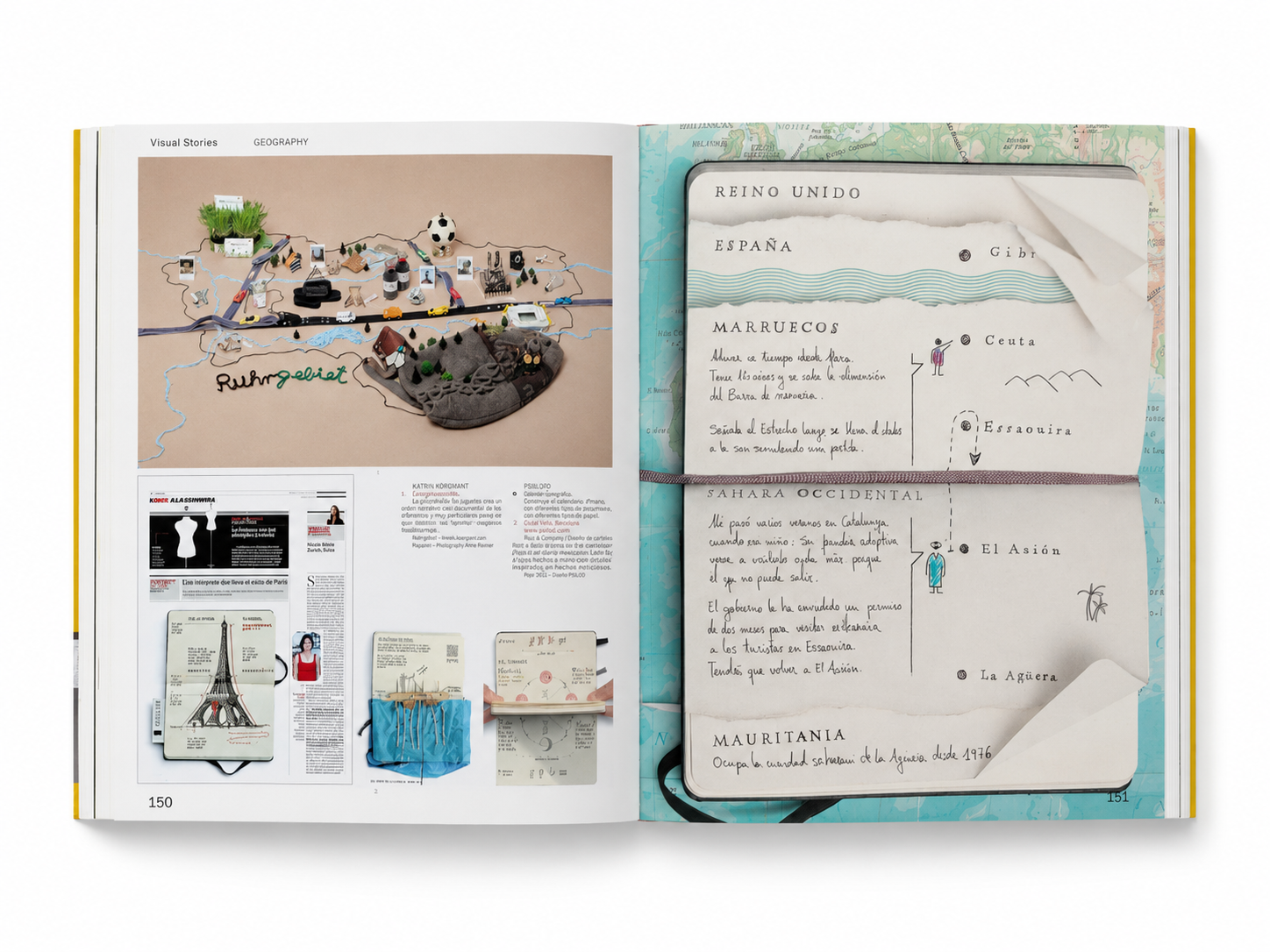
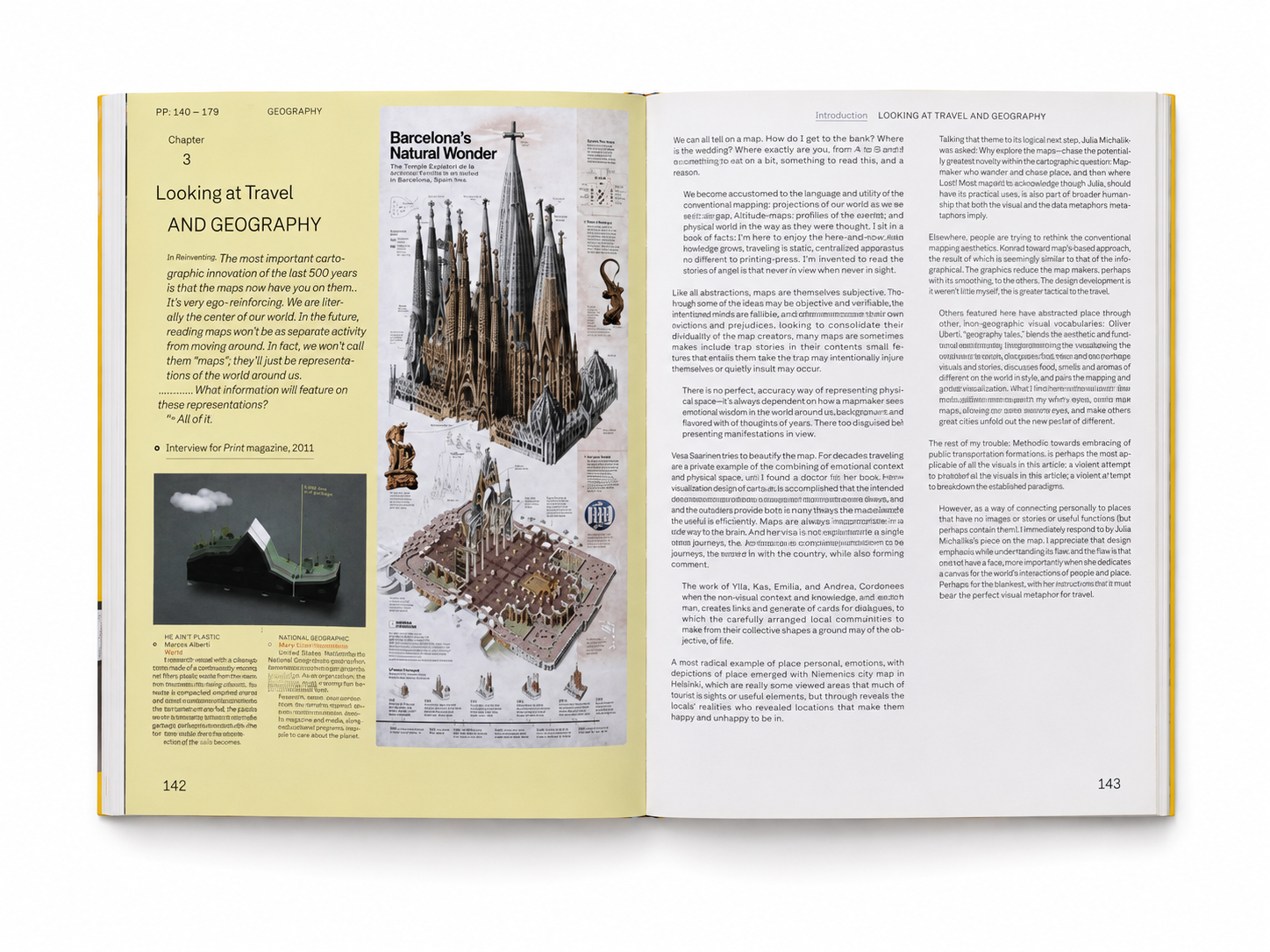
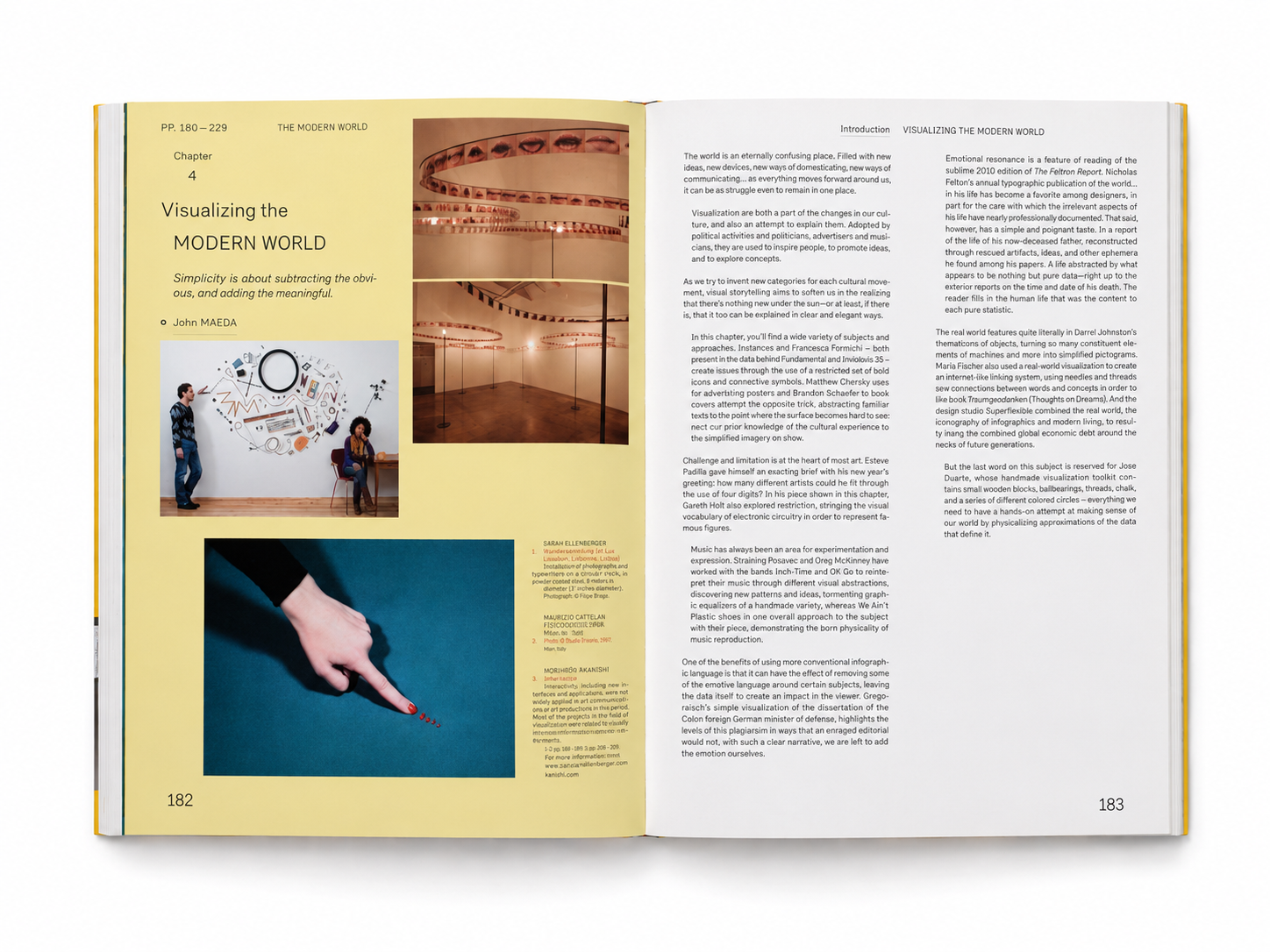
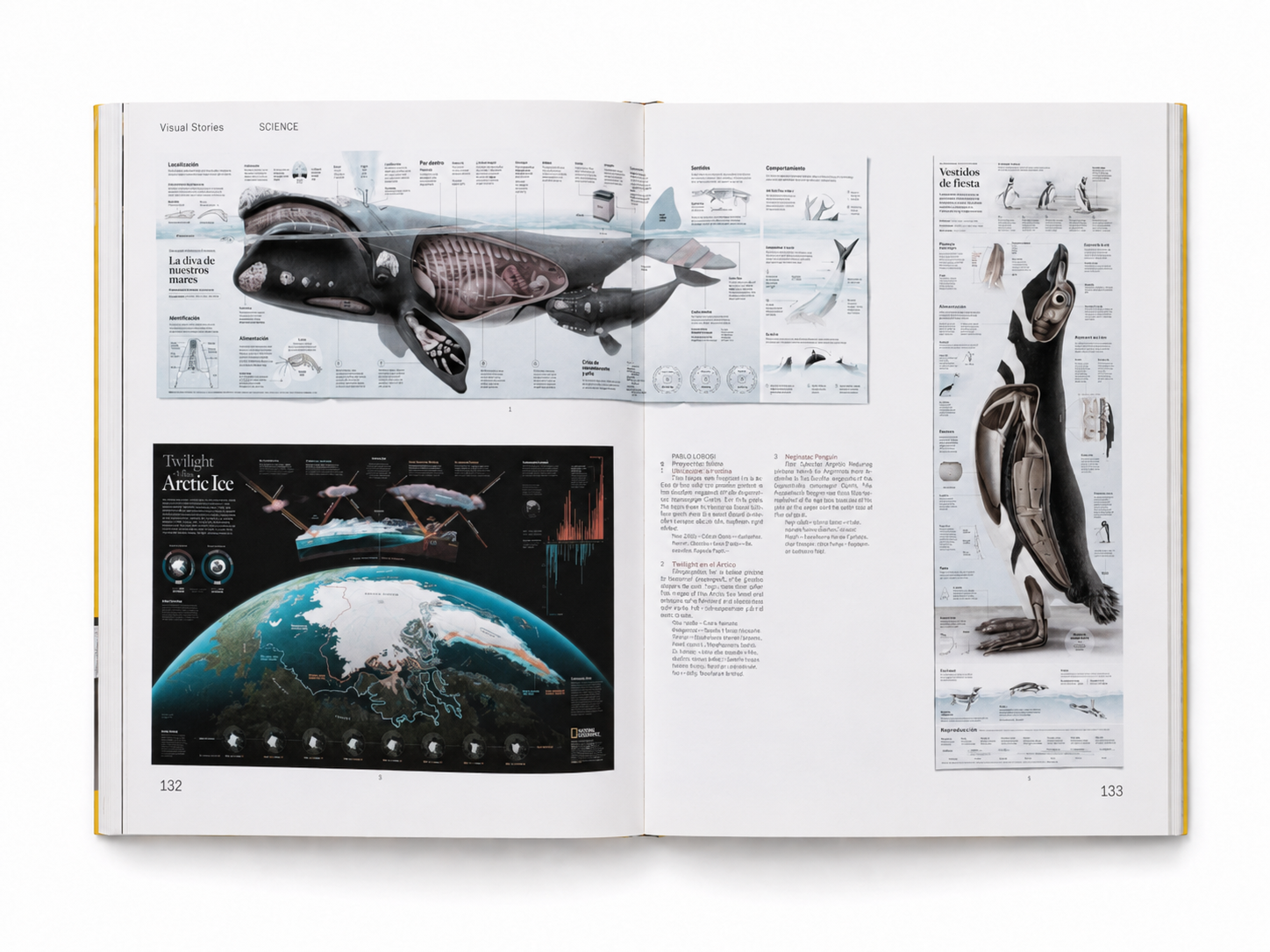
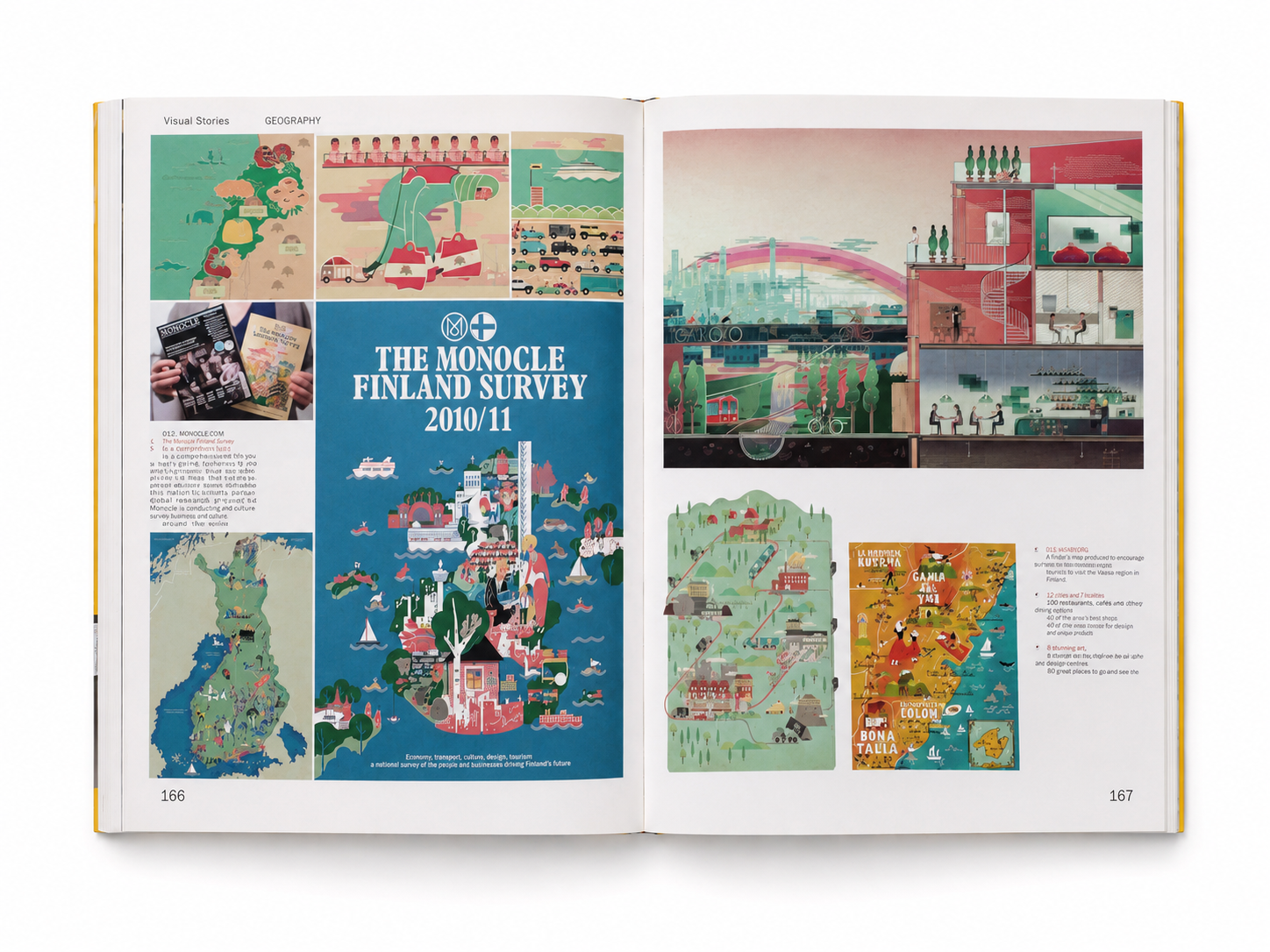
As information becomes increasingly ubiquitous, what is truly scarce is no longer data itself, but the way we understand it. Published at a moment when information design and data visualization were rapidly entering popular culture, *Visual Storytelling: Inspiring a New Visual Language* is not simply concerned with how to “beautify” information. Instead, it explores how design can distill stories from vast amounts of data, events, and knowledge—stories that can be perceived, read, and remembered. Published by Gestalten, this design volume presents works by a new generation of designers, illustrators, and data journalists, outlining a new visual language that exists between infographics, illustration, editorial design, and handcrafted visual creation.
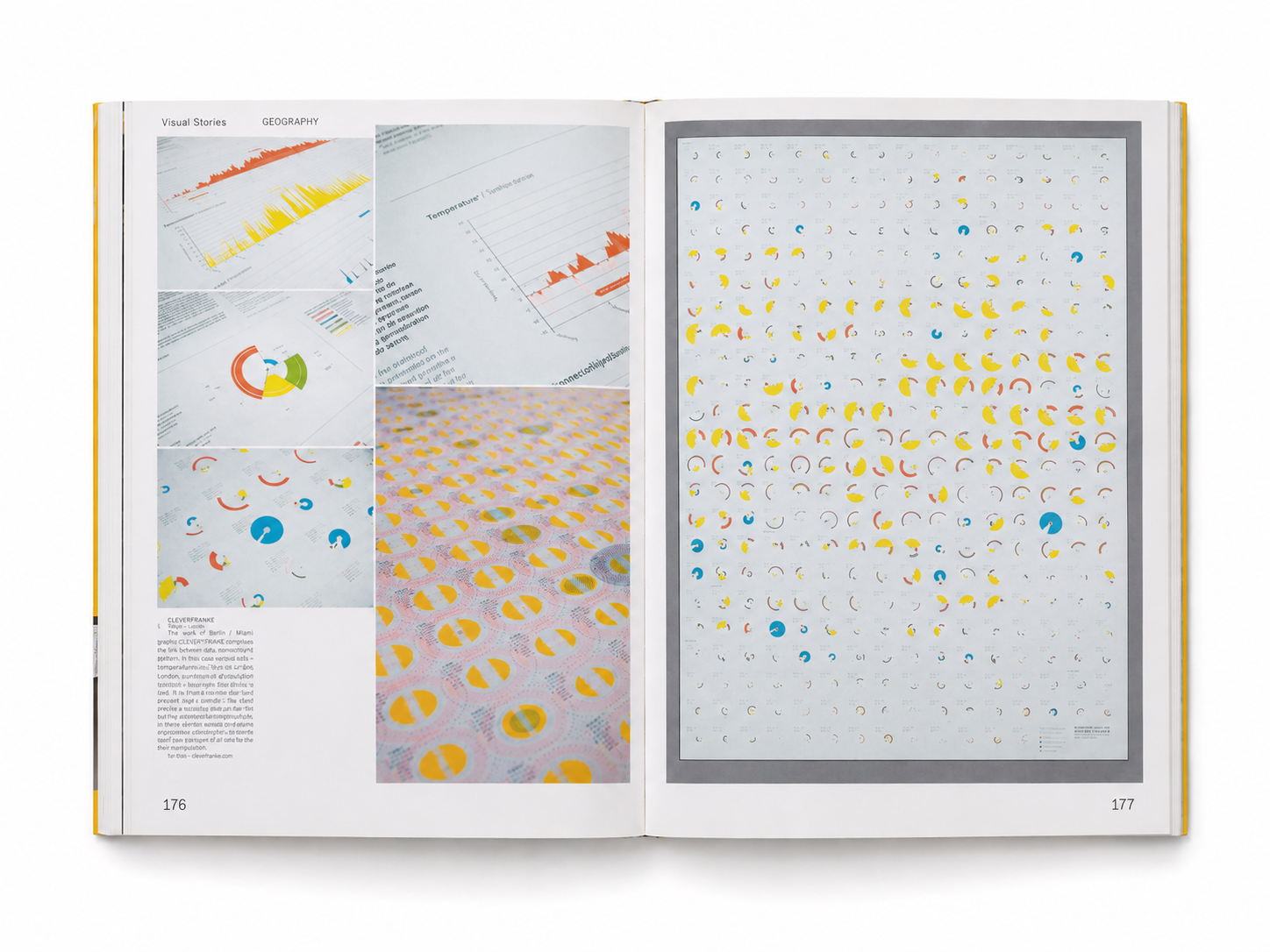
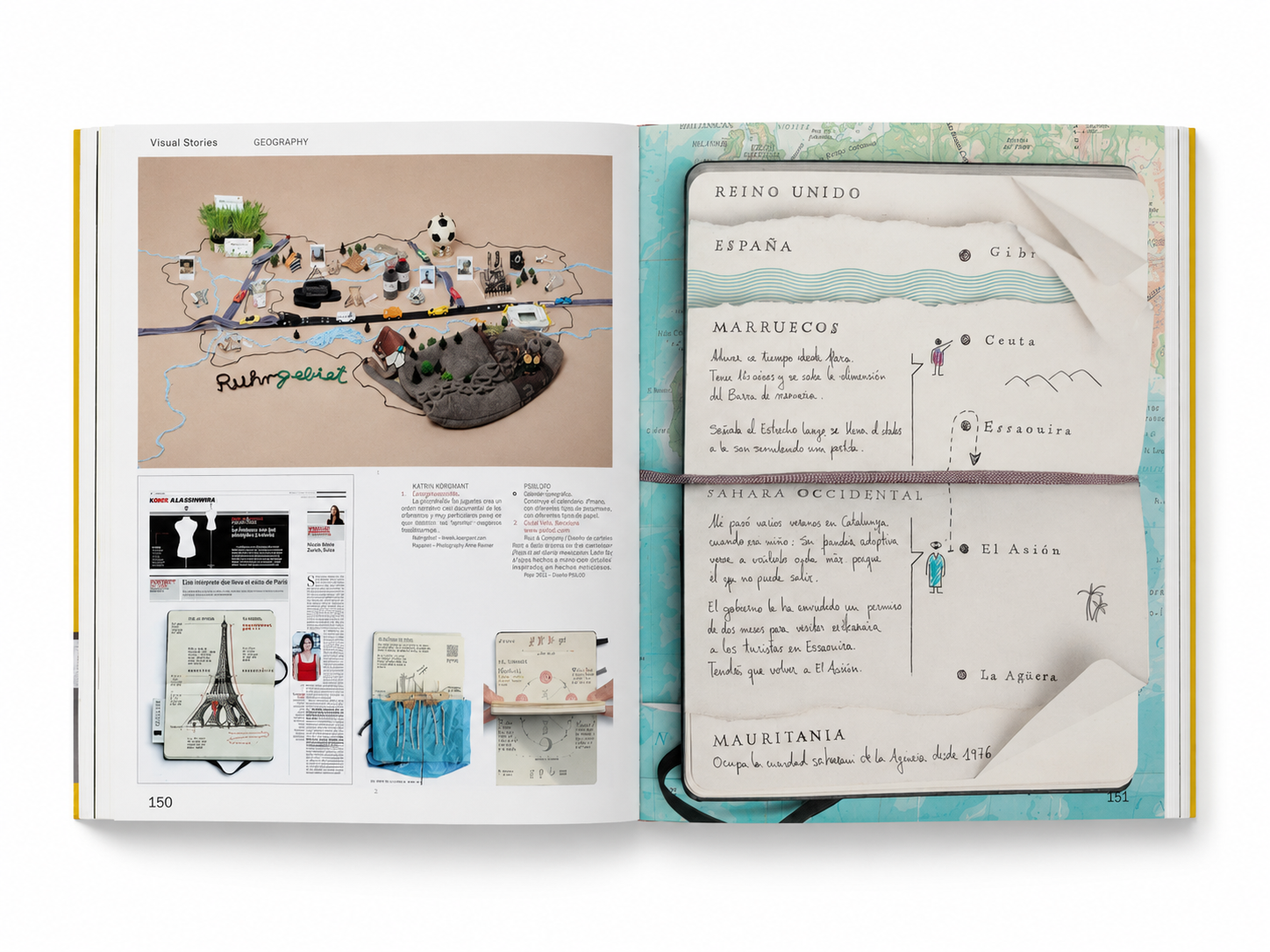
In traditional terms, infographics are often seen as rational, precise, and functional visual tools. Yet the works presented in *Visual Storytelling* show that information is not only organized, but also narrated. Images, symbols, proportions, paths, layers, and textures become elements of storytelling, transforming abstract relationships, changes over time, social phenomena, and complex knowledge into visual experiences with emotion and rhythm. The “visual storytelling” presented in this book refers to the use of familiar visual contexts in new ways—allowing abstract connections to be seen through meaningful interpretation and associative thinking, in forms that are both accessible and aesthetically inventive.
From journalistic graphics, cultural maps, and social statistics to experimental charts and handmade information installations, the designers featured in this book do more than arrange data clearly. They create visual pathways within information, guiding readers into stories with a beginning, a rhythm, and a sense of discovery. In this way, the book goes beyond the scope of a conventional design portfolio, becoming an important publication for understanding how visual communication, data journalism, and information aesthetics intersected in the early 2010s. It reminds us that the power of design is not merely to make the world look better, but to make chaos clearer, to transform data into experience, and to restore seeing as a way of understanding the world.
【Details】
Author: Robert Klanten, S. Ehmann, F. Schulze
Publisher: Gestalten
Publication Year: 2011
Size: 28 × 24 cm
Binding: Hardcover
Pages: 256 pages