Description
Good industrial design does not always need complex forms or conspicuous technology to attract attention. Sometimes, it simply makes a chair more comfortable, a set of cutlery easier to use, or an ordinary object fit more naturally into everyday life. BIG-GAME: Everyday Objects looks back on the first fifteen years of the Swiss design studio BIG-GAME, using furniture, tableware, watches, ceramics, packaging, and other household products to show how design can find a clear and engaging balance among function, materials, production, and daily use.
BIG-GAME was founded in 2004 by Augustin Scott de Martinville, Grégoire Jeanmonod, and Elric Petit, who describe their work as “simple, functional, and optimistic.” Their designs do not rely on spectacle, nor do they turn ordinary objects into inaccessible collectibles. Instead, they begin with familiar behaviors and everyday needs, using concise structures, carefully judged proportions, and a measured sense of humor to give useful objects a distinctive yet approachable character. Even products intended for mass production and international distribution retain a strong and coherent design identity.
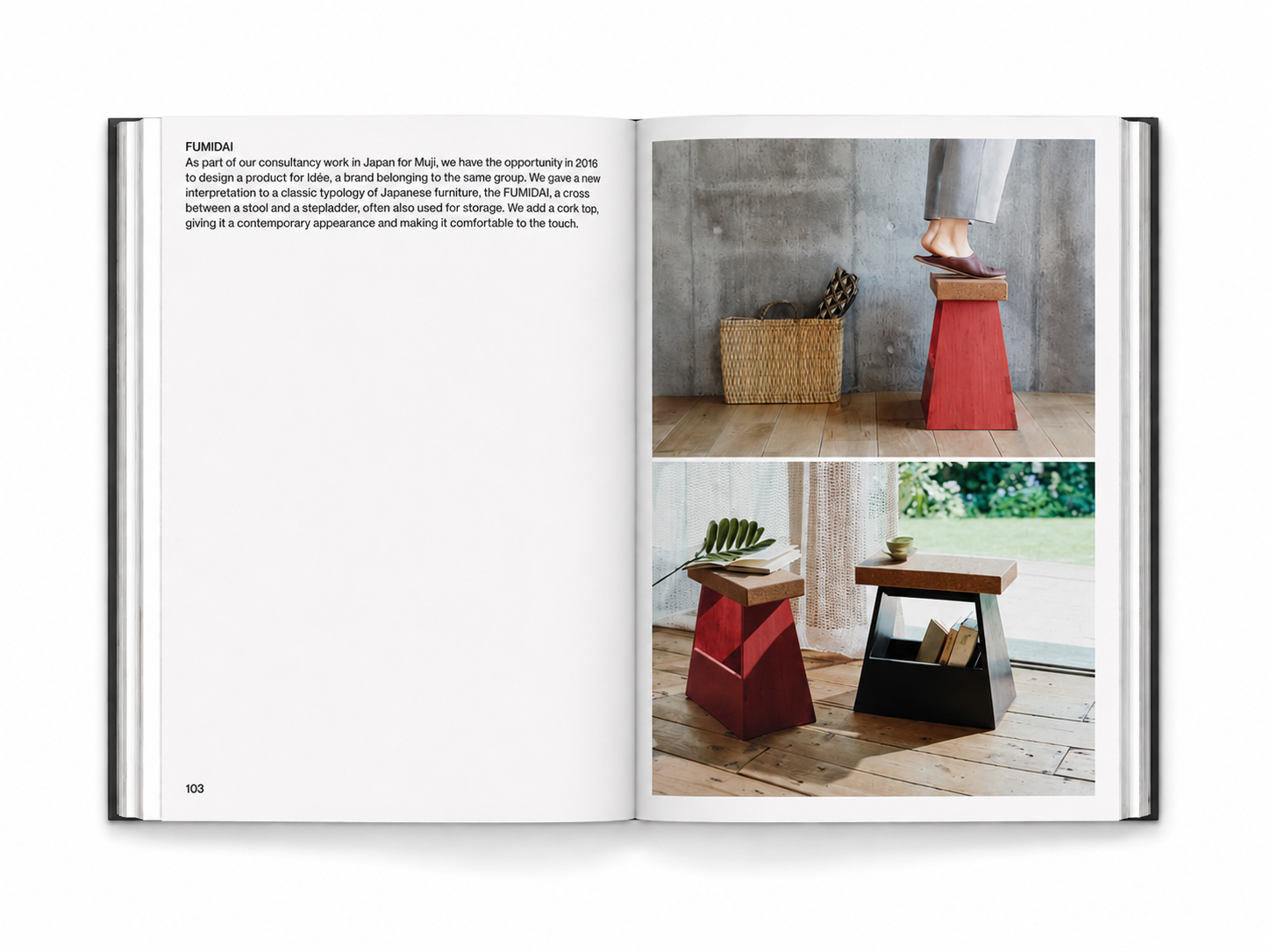
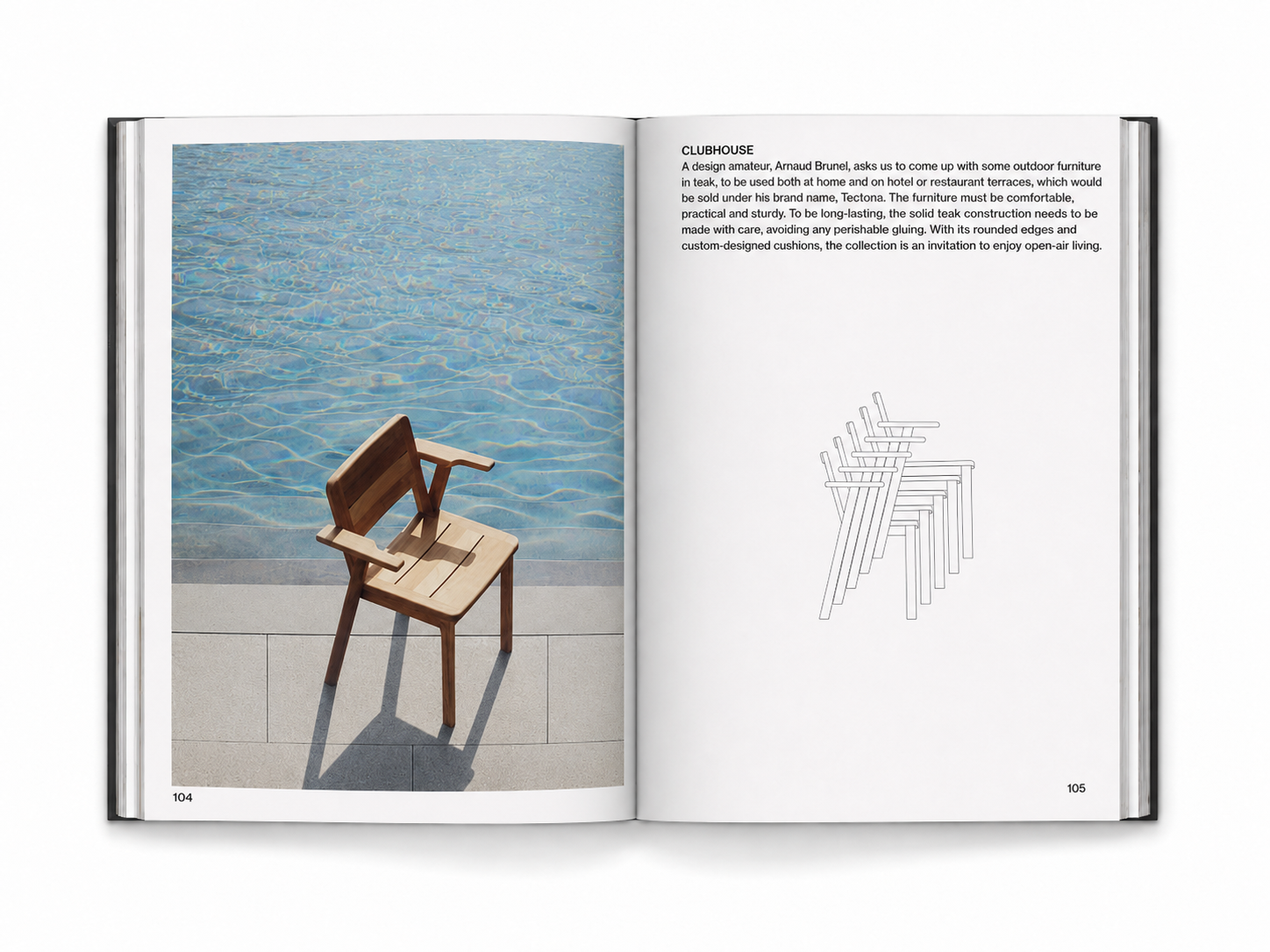
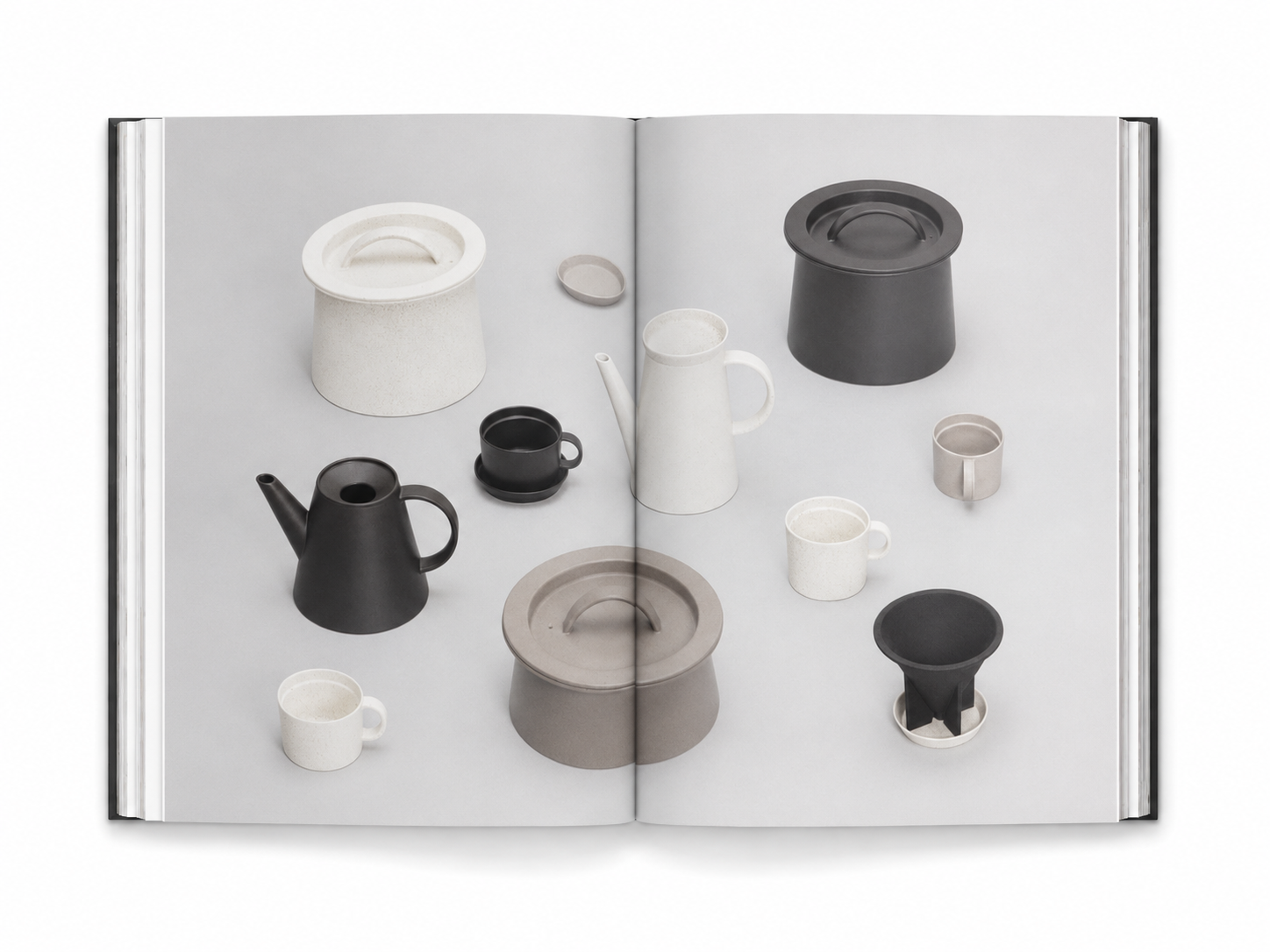
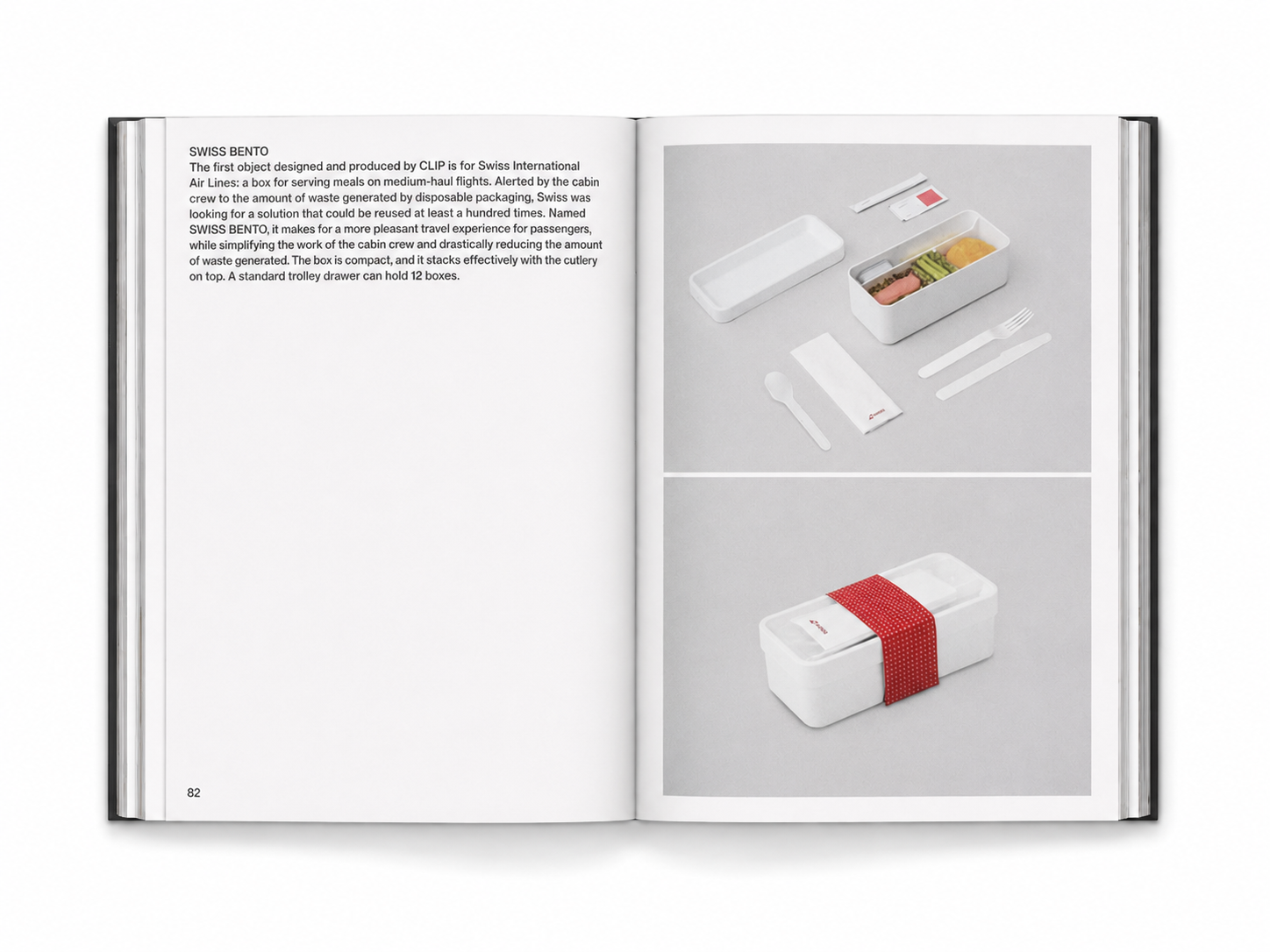
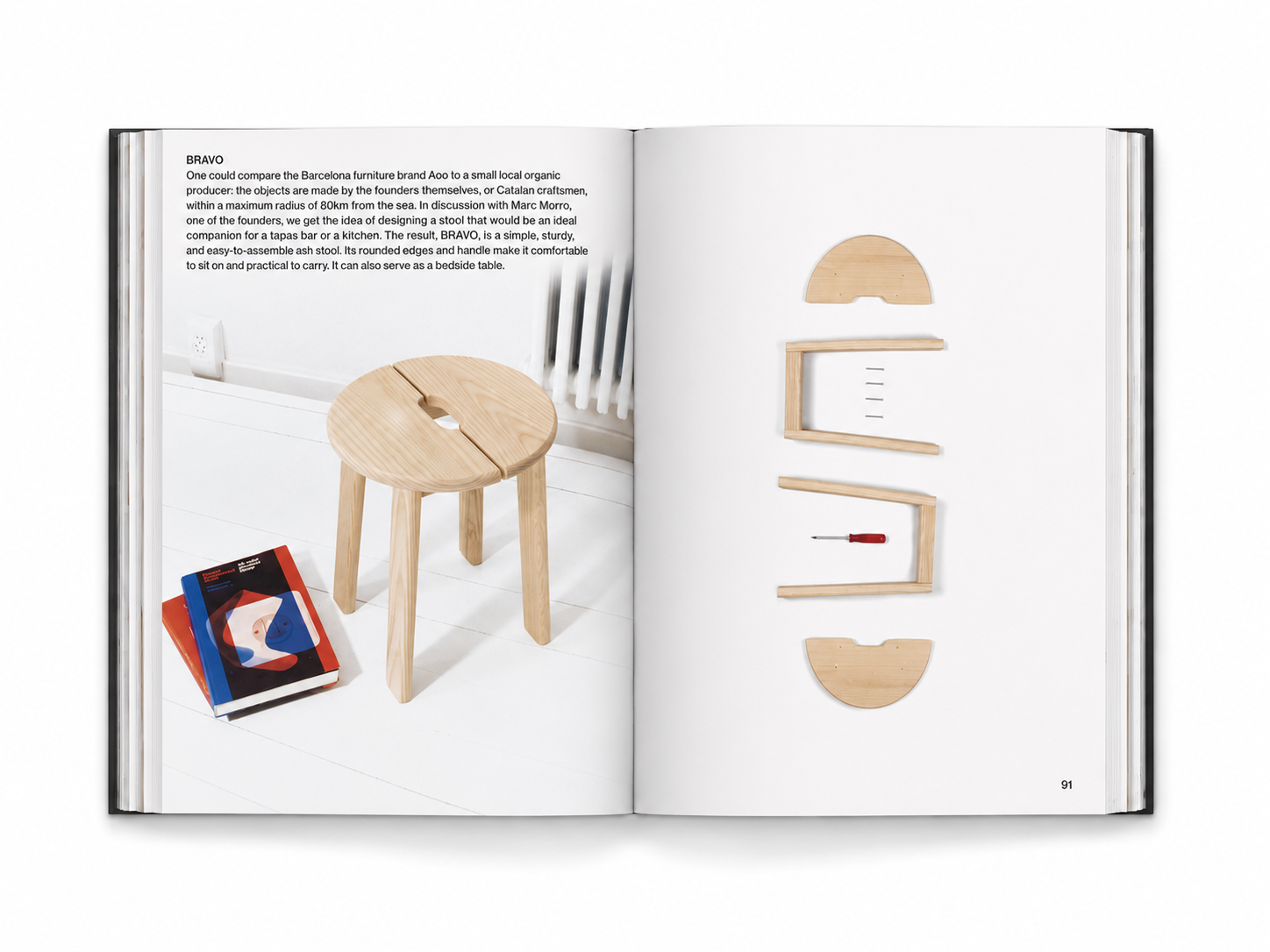
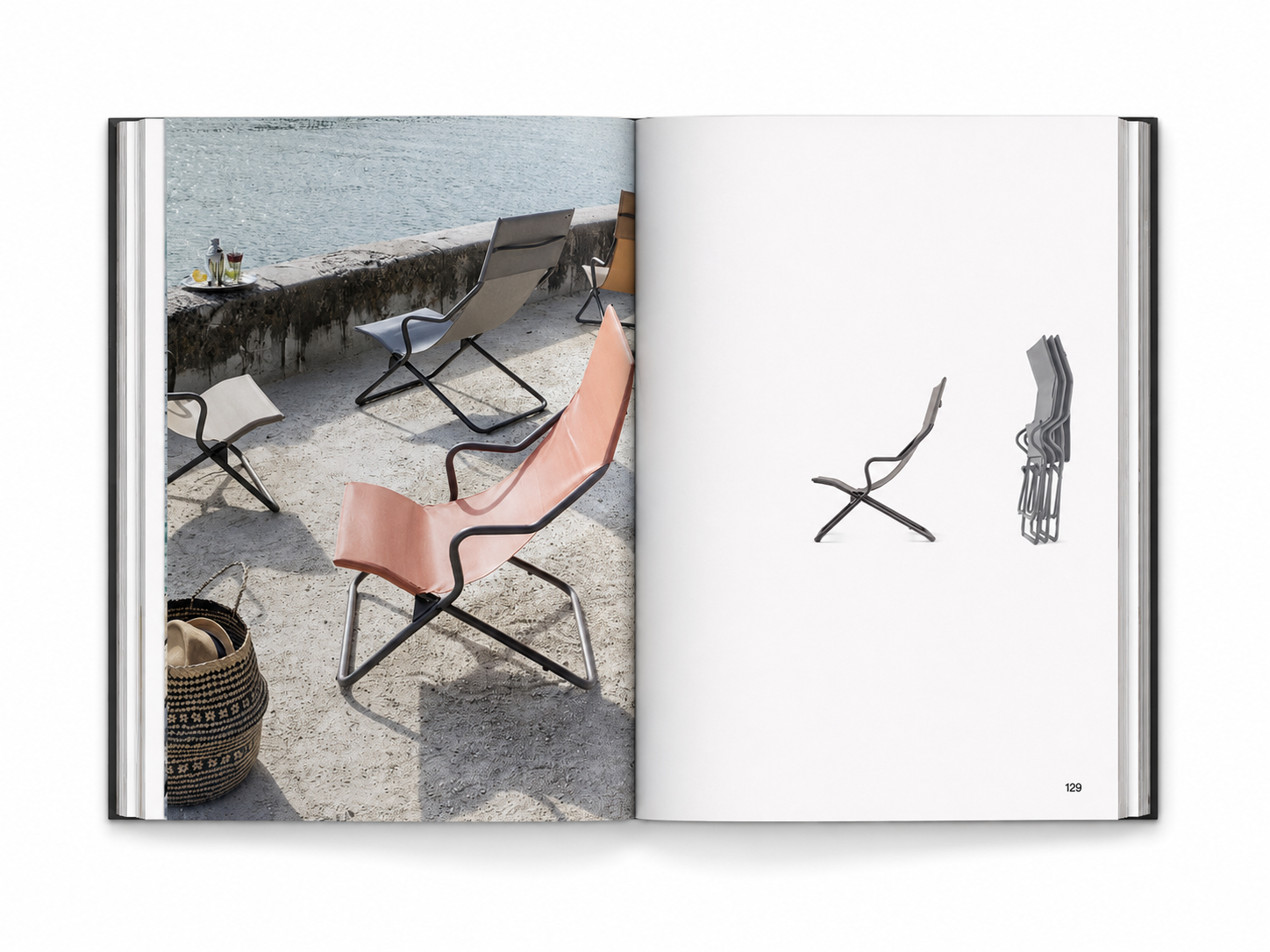
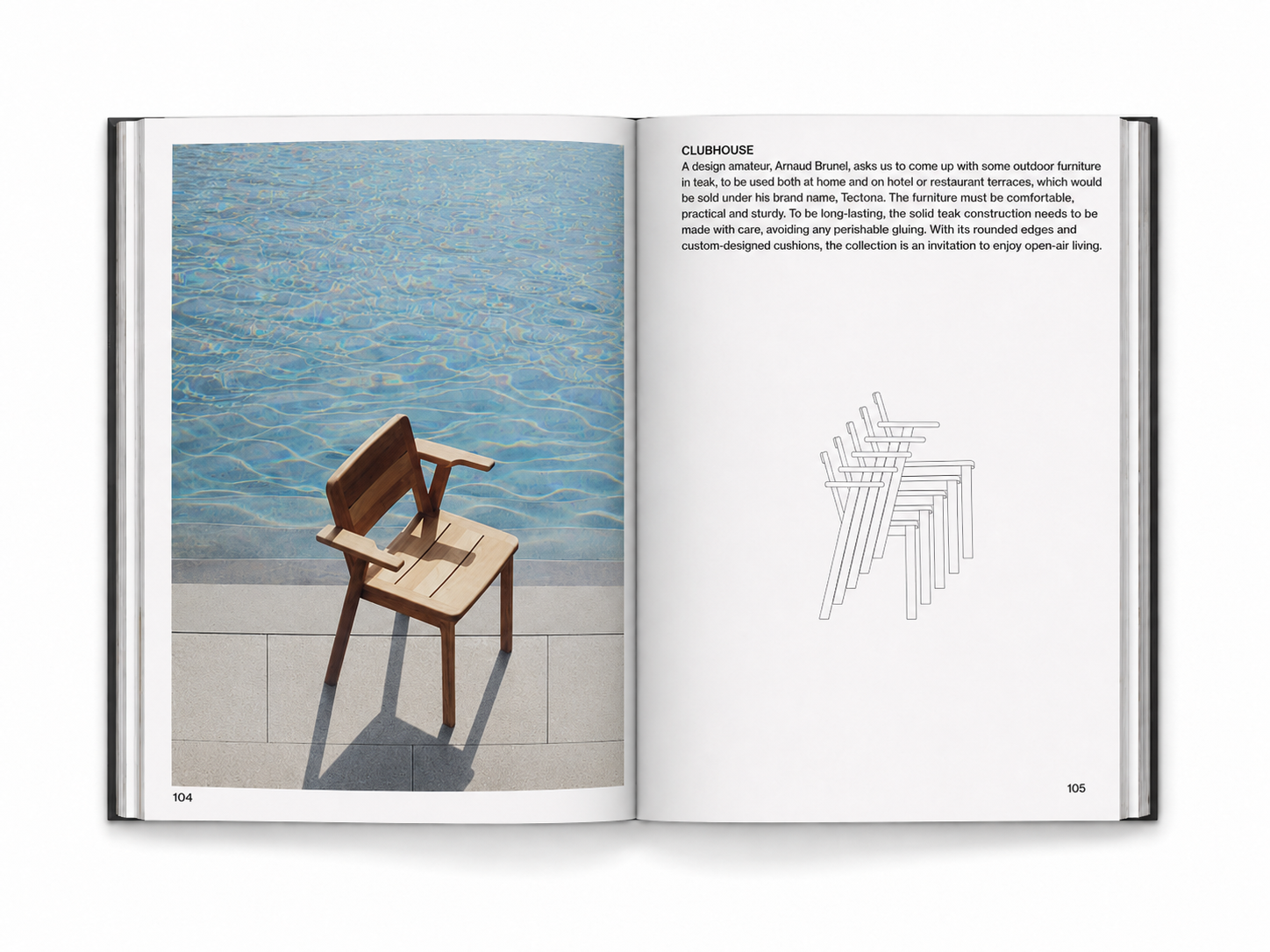
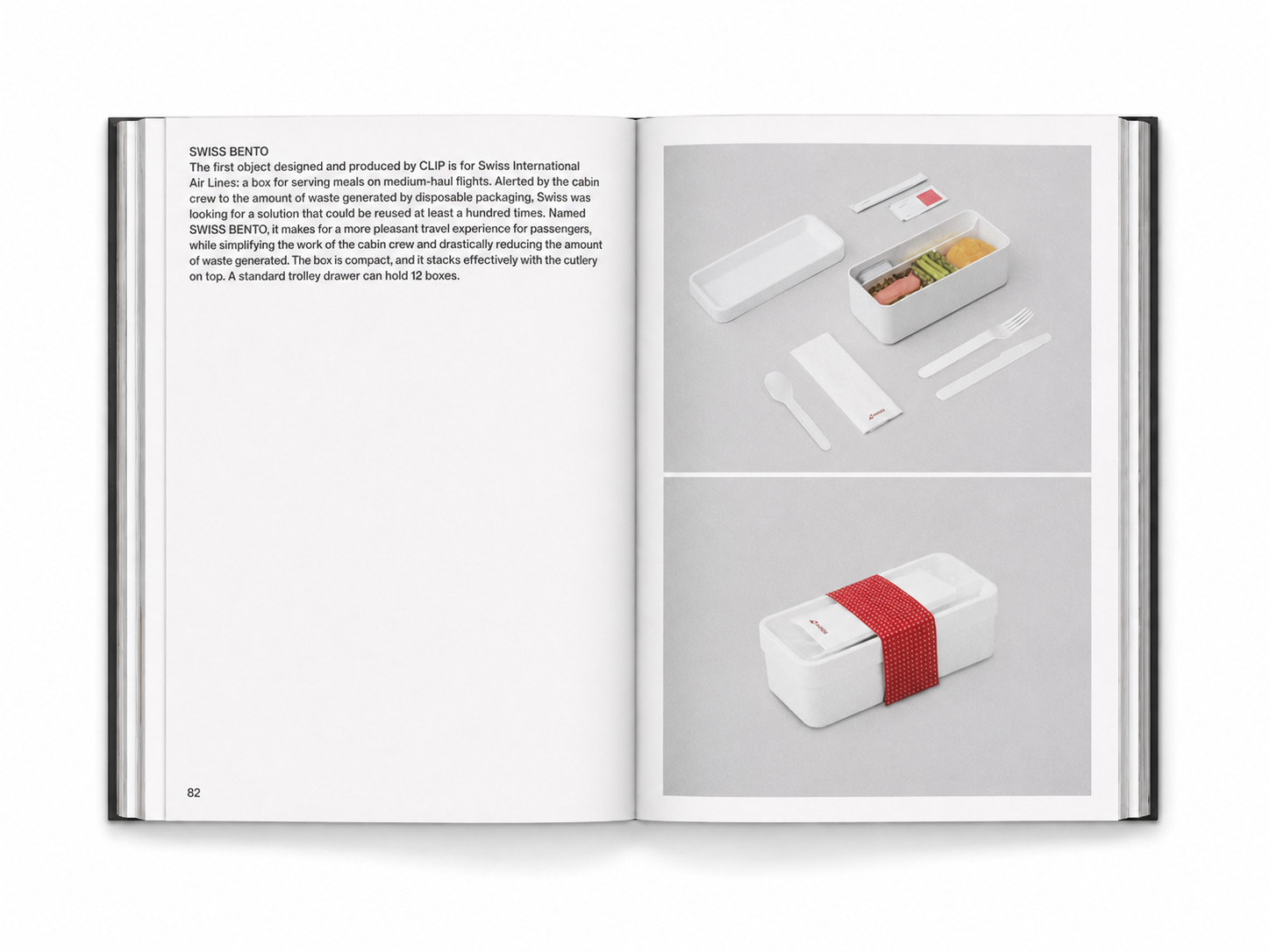
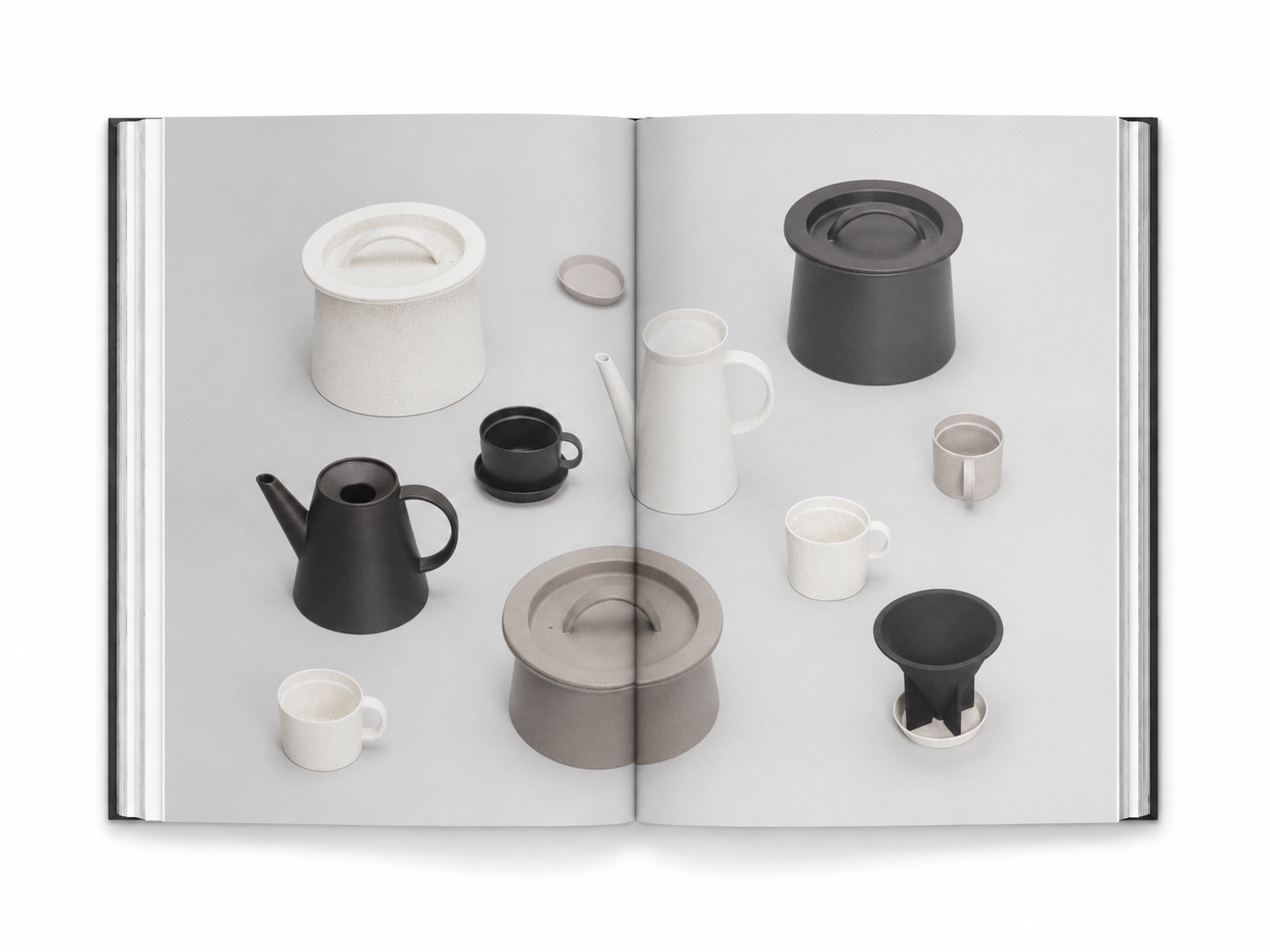
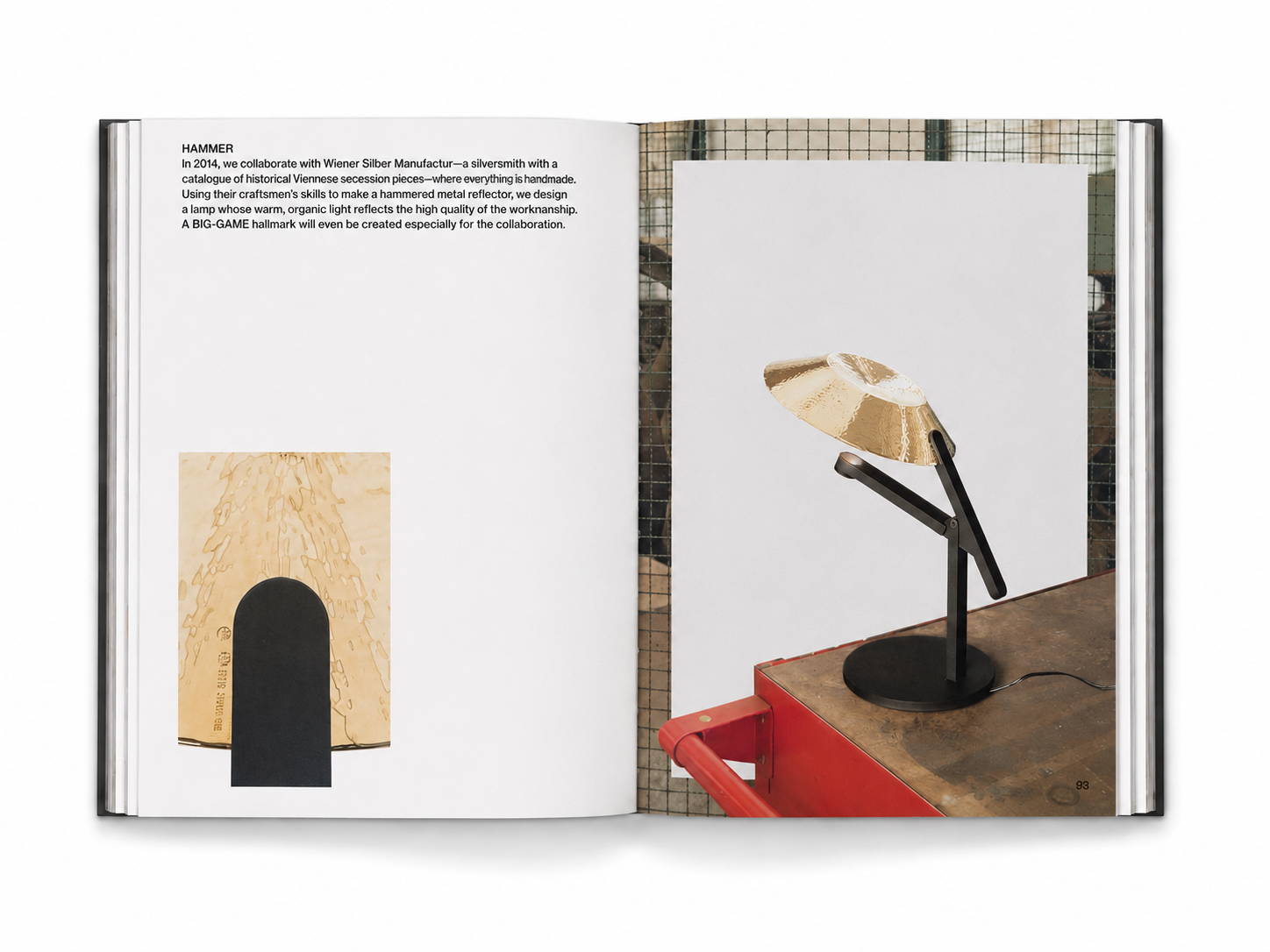
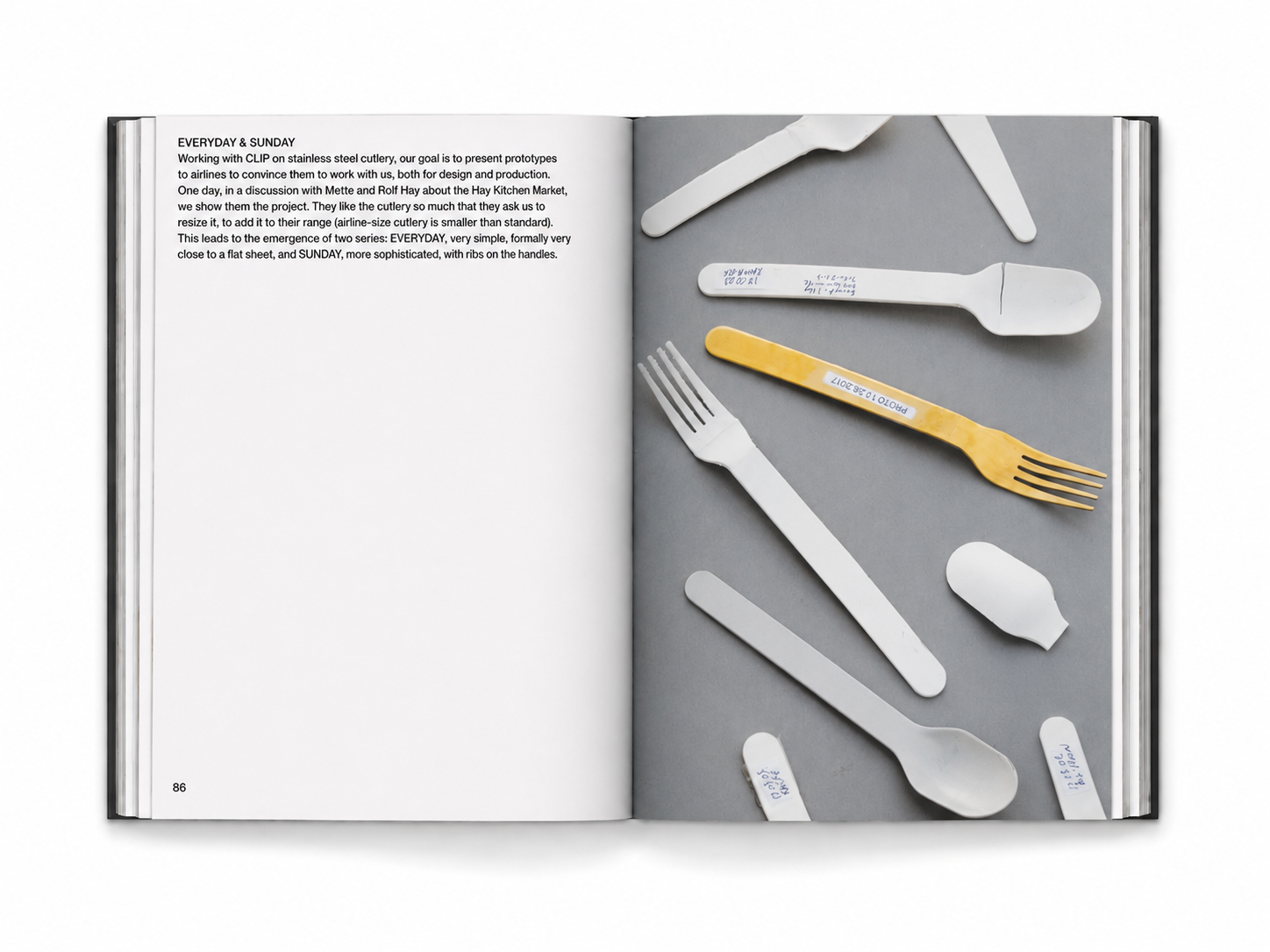
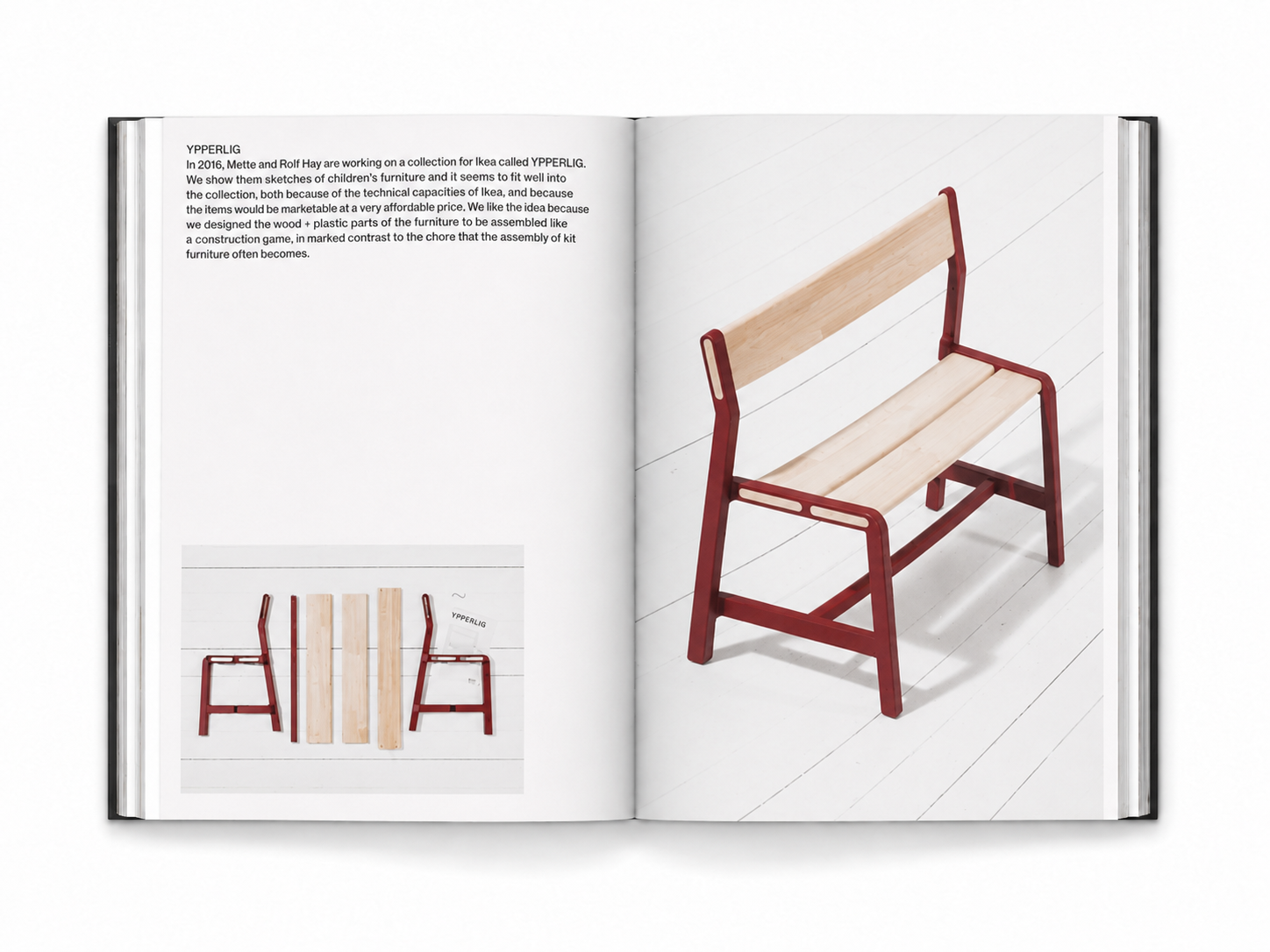
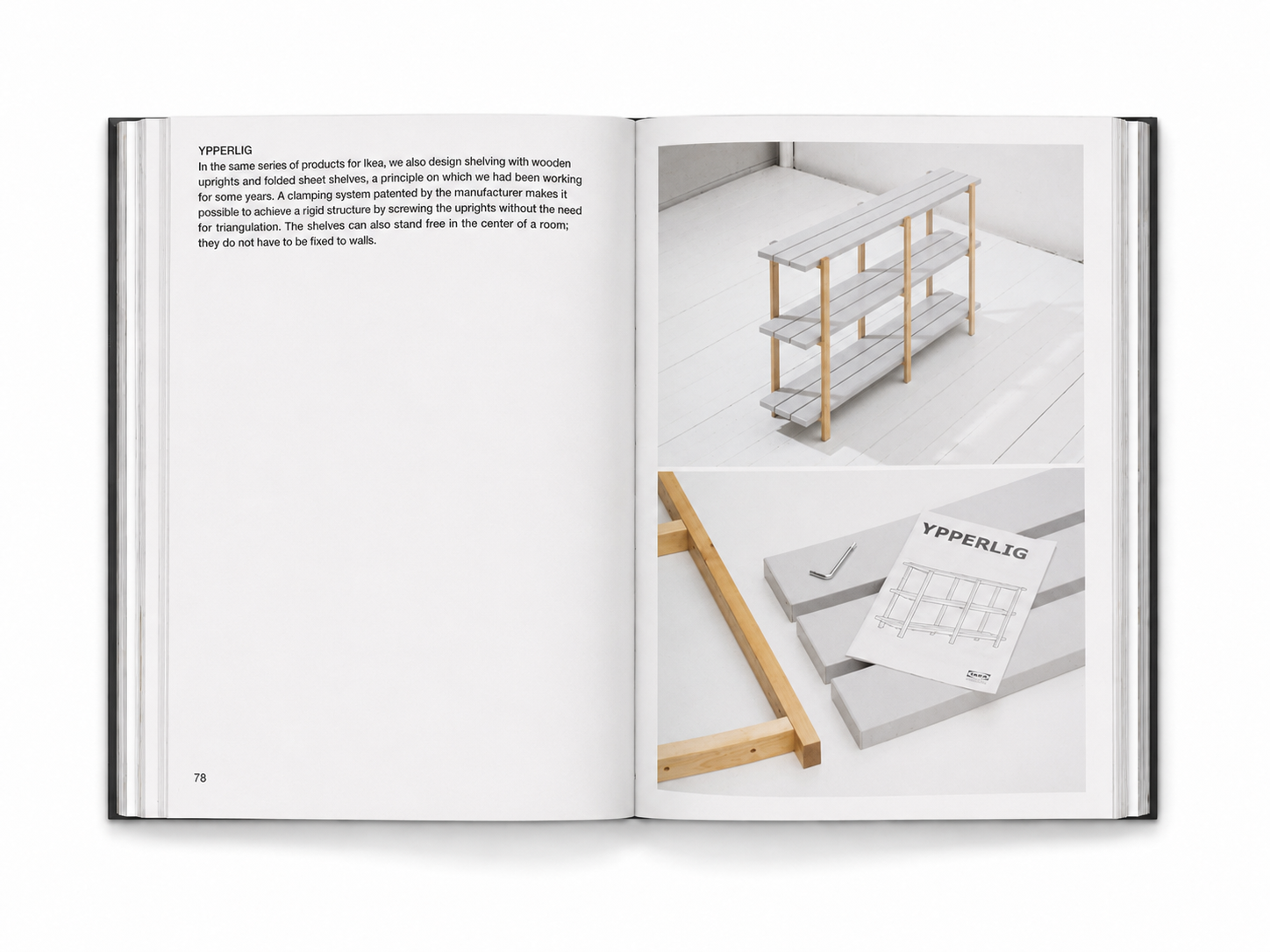
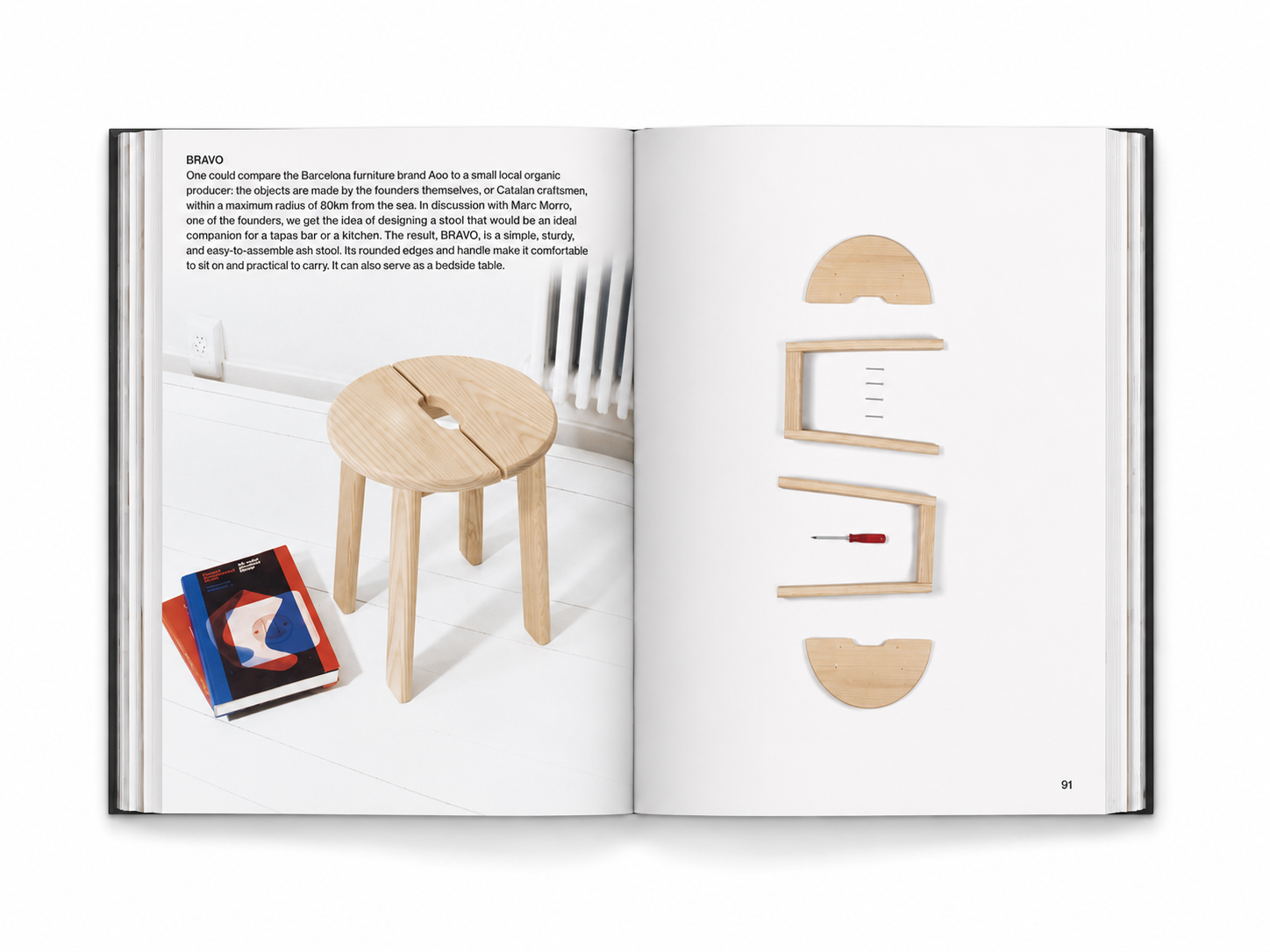
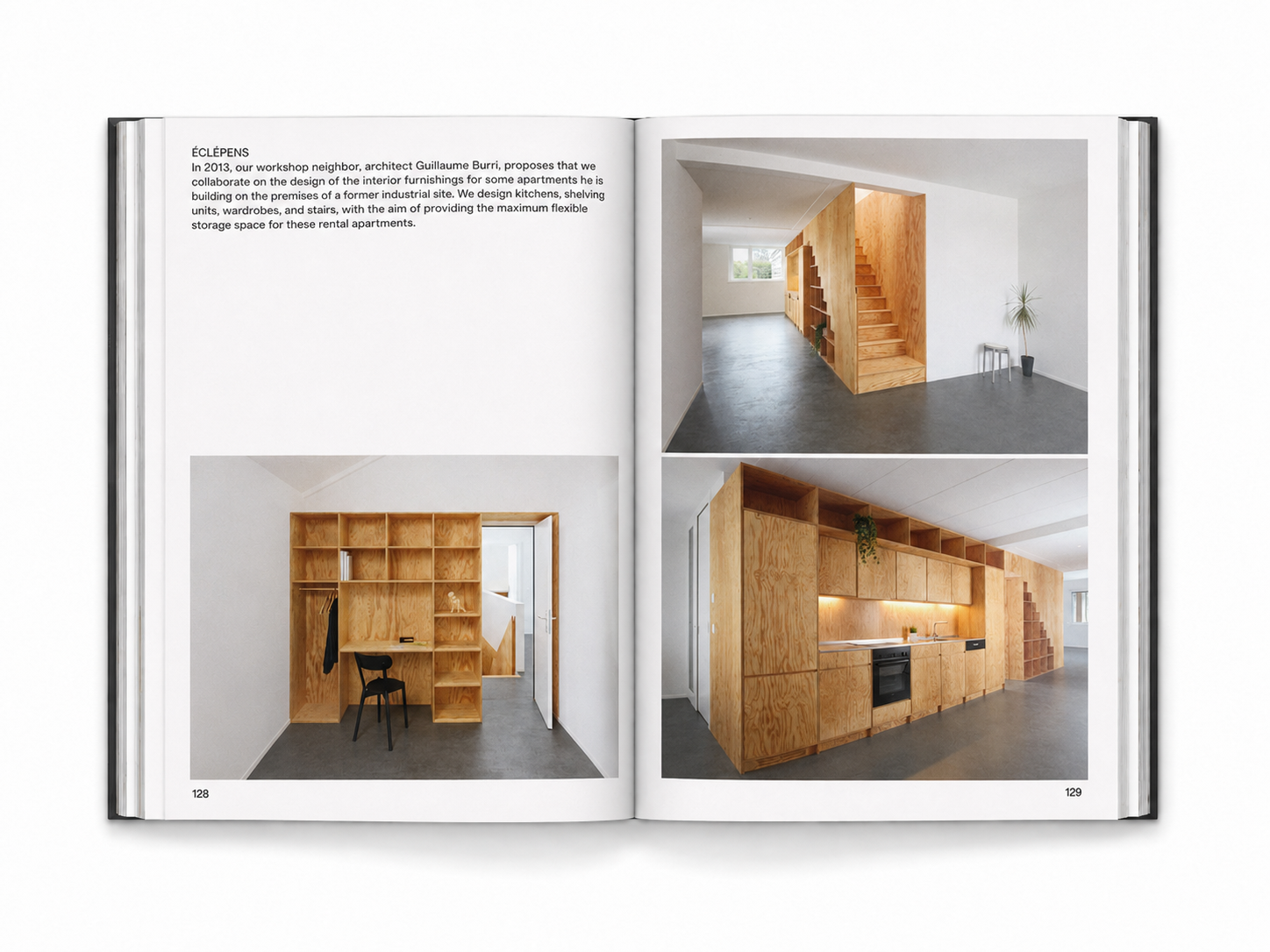
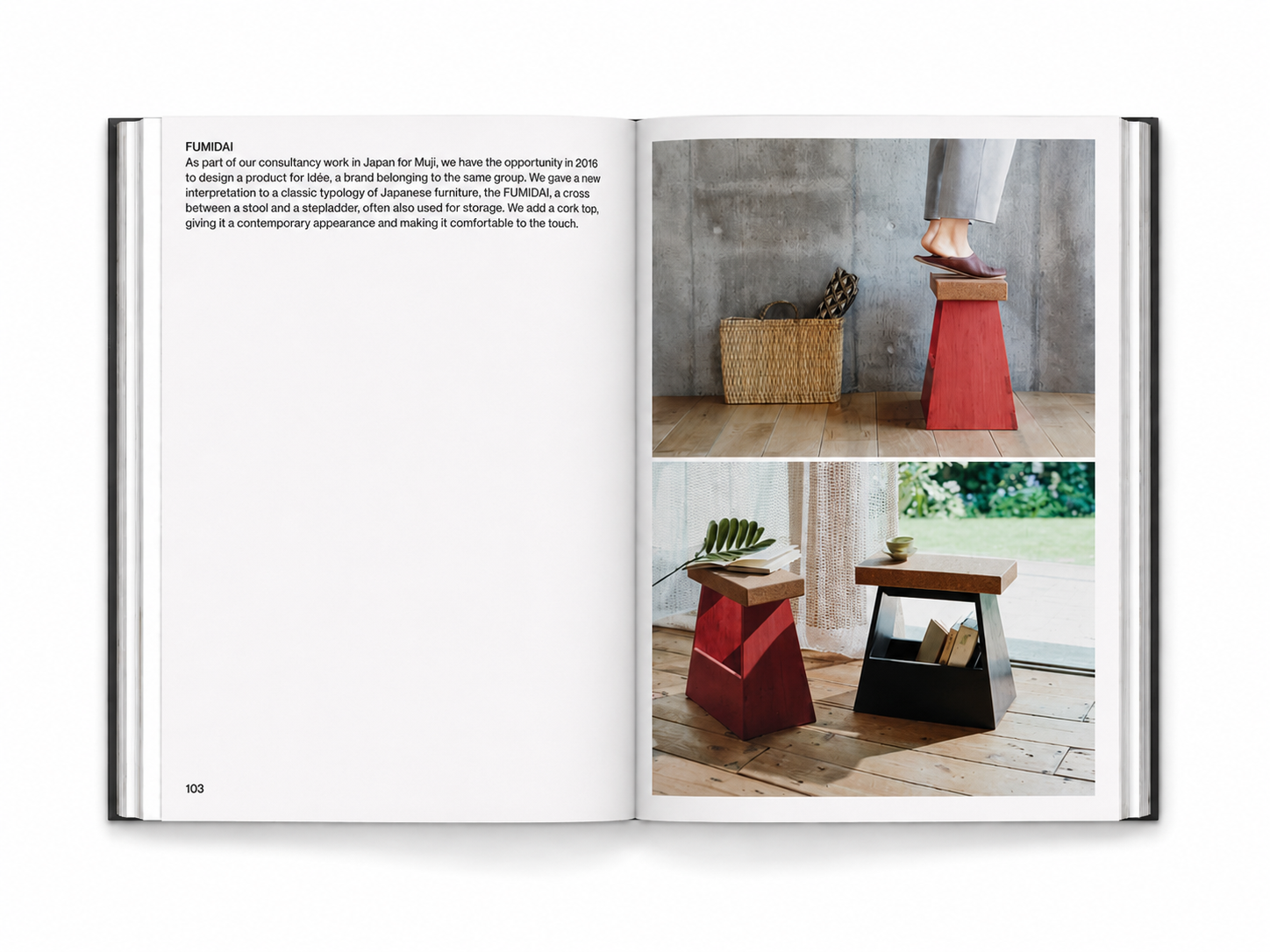
The book features major collaborations with brands including Alessi, HAY, MUJI, Magis, Nespresso, and Karimoku. Projects range from supermarket wine bottles, airline cutlery, and Swiss watches to Japanese ceramics, affordable furniture, and chairs now held in museum collections. Together, they reveal how the studio moves across different industries, price points, and manufacturing conditions. One of its best-known works, the BOLD Chair, uses two thick continuous lines to form the legs, seat, and backrest. Resembling an enlarged three-dimensional sketch, it combines visual humor with a clear and effective structural solution.
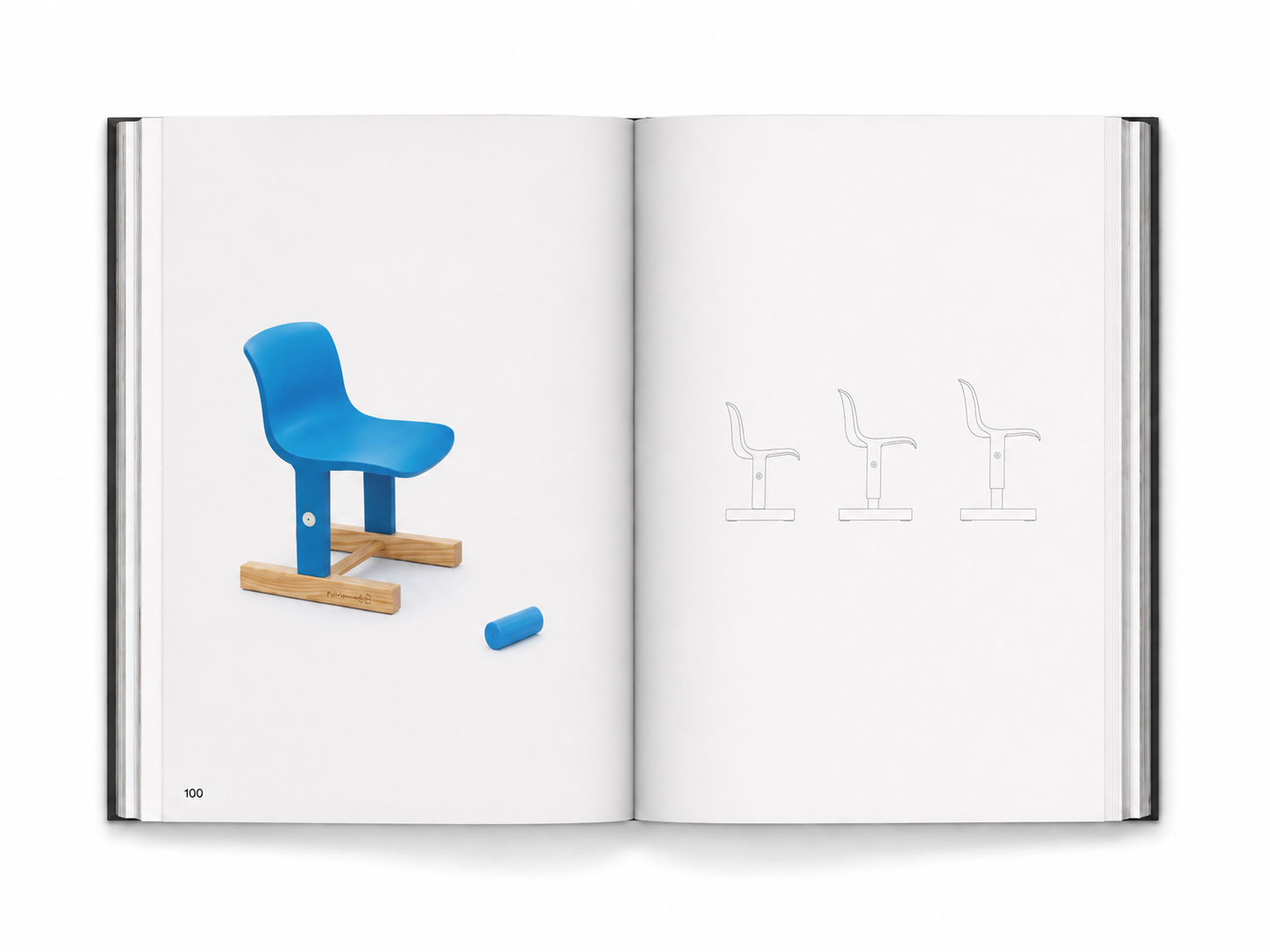
Everyday Objects does more than present finished products. Through interviews, diagrams, models, development material, and specially produced photography, it allows readers to follow the complete process from observation, sketching, and discussion to industrial production. The book examines how designers understand factory techniques, manage costs, choose materials, respond to brand requirements, and repeatedly refine ideas in response to manufacturing limits and user experience. Rather than promoting the myth of the individual design genius, it emphasizes team discussion, the involvement of manufacturers, and the collective nature of long-term collaboration.
At a time when products are launched and discarded with increasing speed, BIG-GAME’s commitment to function, durability, and everyday usefulness remains especially relevant.
BIG-GAME: Everyday Objects reminds us that industrial design is not simply about giving objects a new appearance, but about reorganizing the relationships among the body, materials, manufacturing, price, and daily habits. The book is particularly valuable for industrial designers, furniture and household-product designers, product developers, design students, and anyone interested in how an everyday object is successfully brought into production. It presents a quiet yet enduring design philosophy: the most successful object is not always the one that demands attention, but the one that enters daily life and gradually becomes difficult to live without.
Details
Author: Anniina Koivu
Publisher: Lars Müller Publishers
Publication Year: 2019
Size: 23×17 cm
Binding: Hardcover
Pages: 160 pages