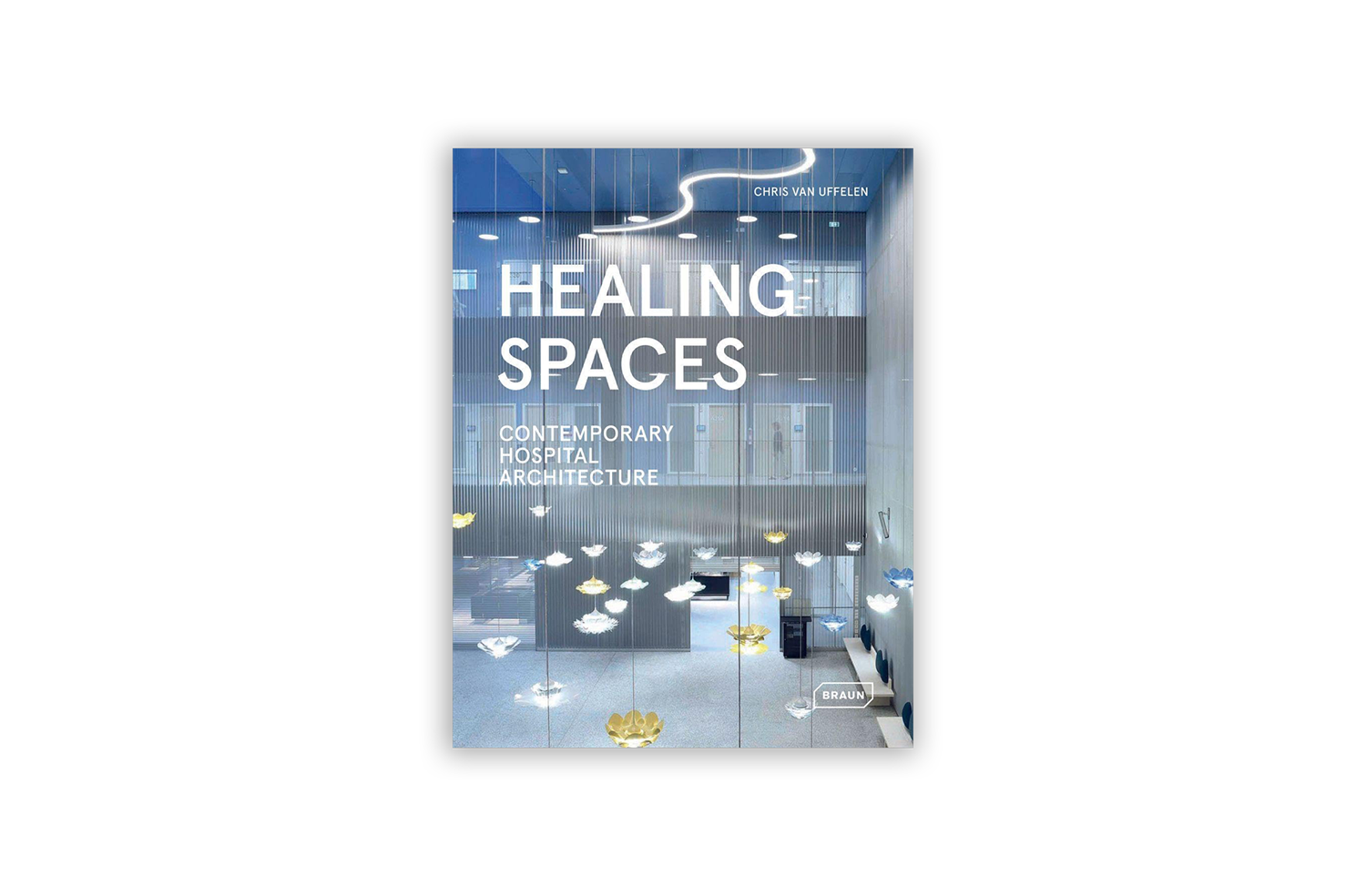
【Book Description】
In recent years, the importance of hospitals and healthcare architecture has come into sharper focus. Especially in the aftermath of the COVID-19 pandemic, the demands placed on healthcare environments worldwide have changed significantly. From infection control and spatial flexibility to the working conditions of medical staff and the psychological well-being of patients, the question of how healthcare architecture should be rethought has become an increasingly important issue in architecture and urban development.
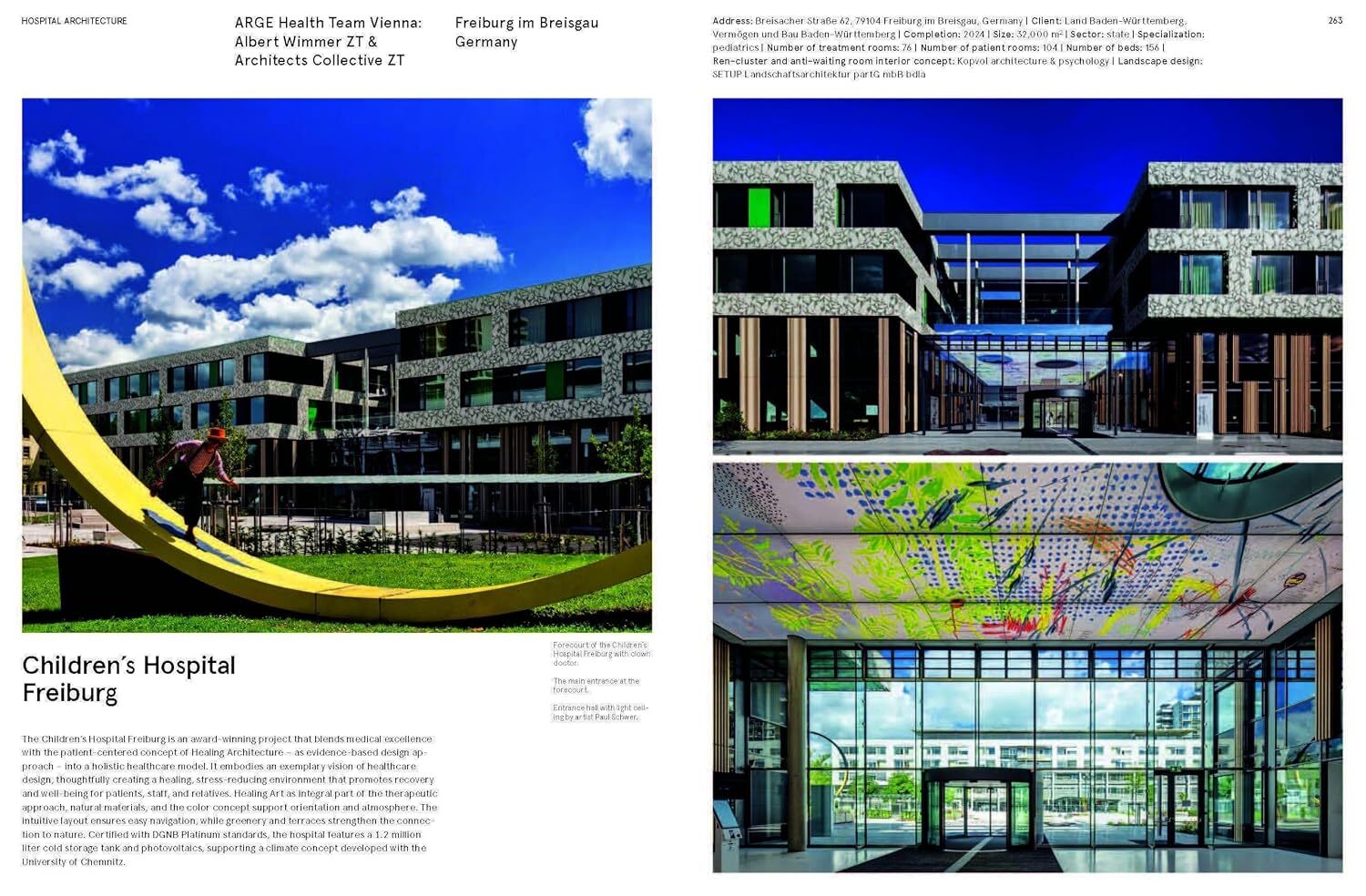
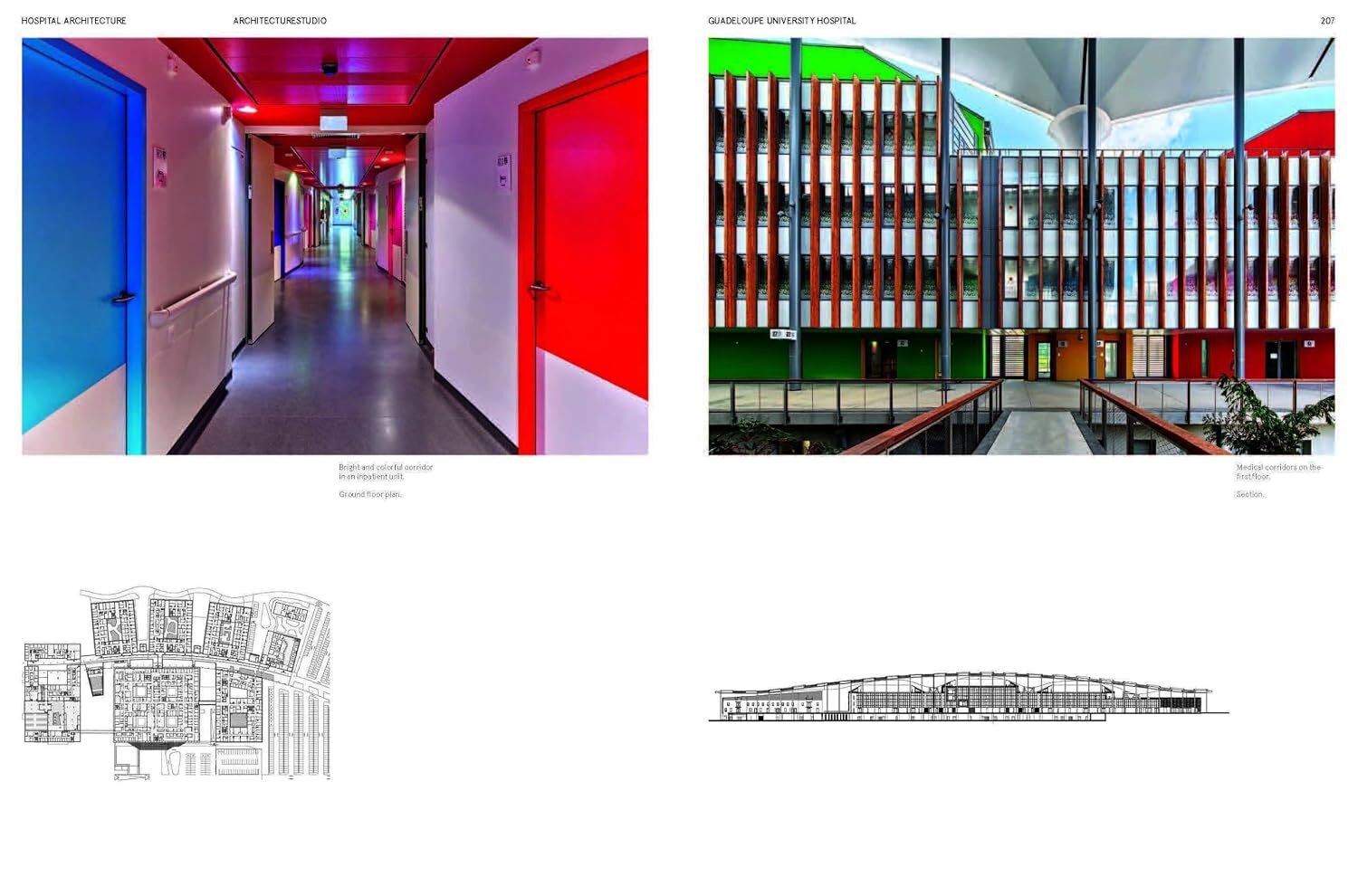
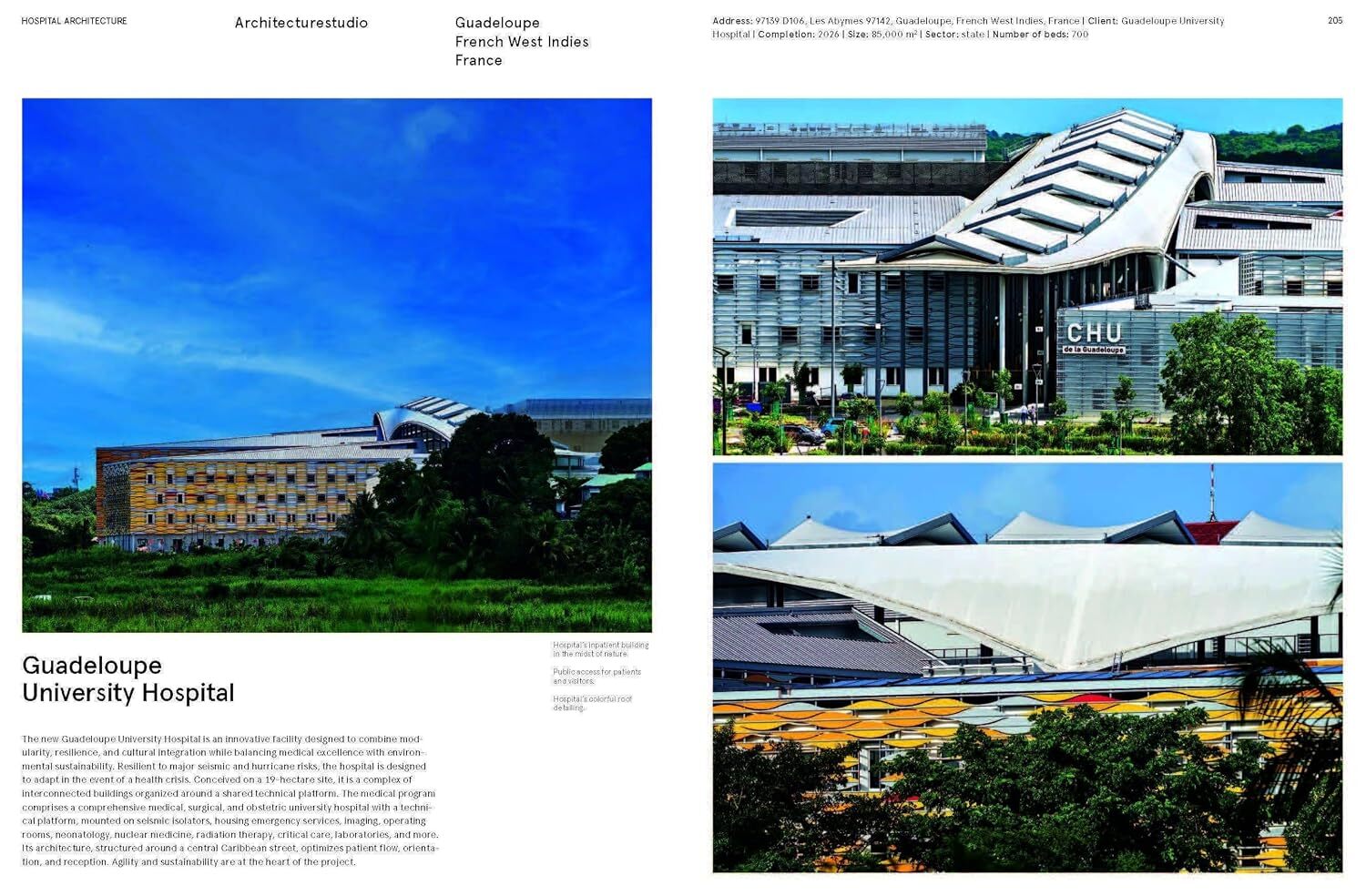
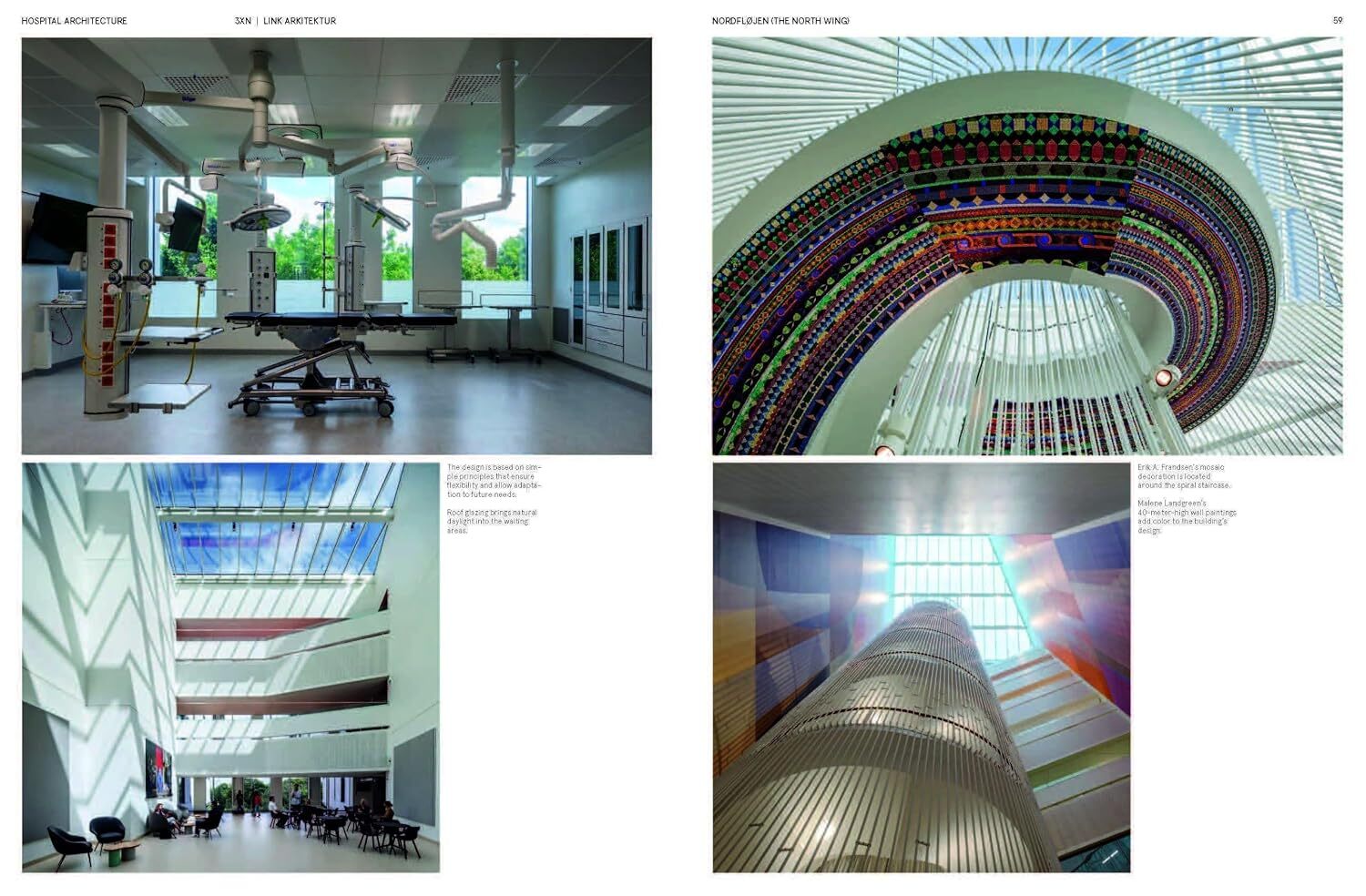
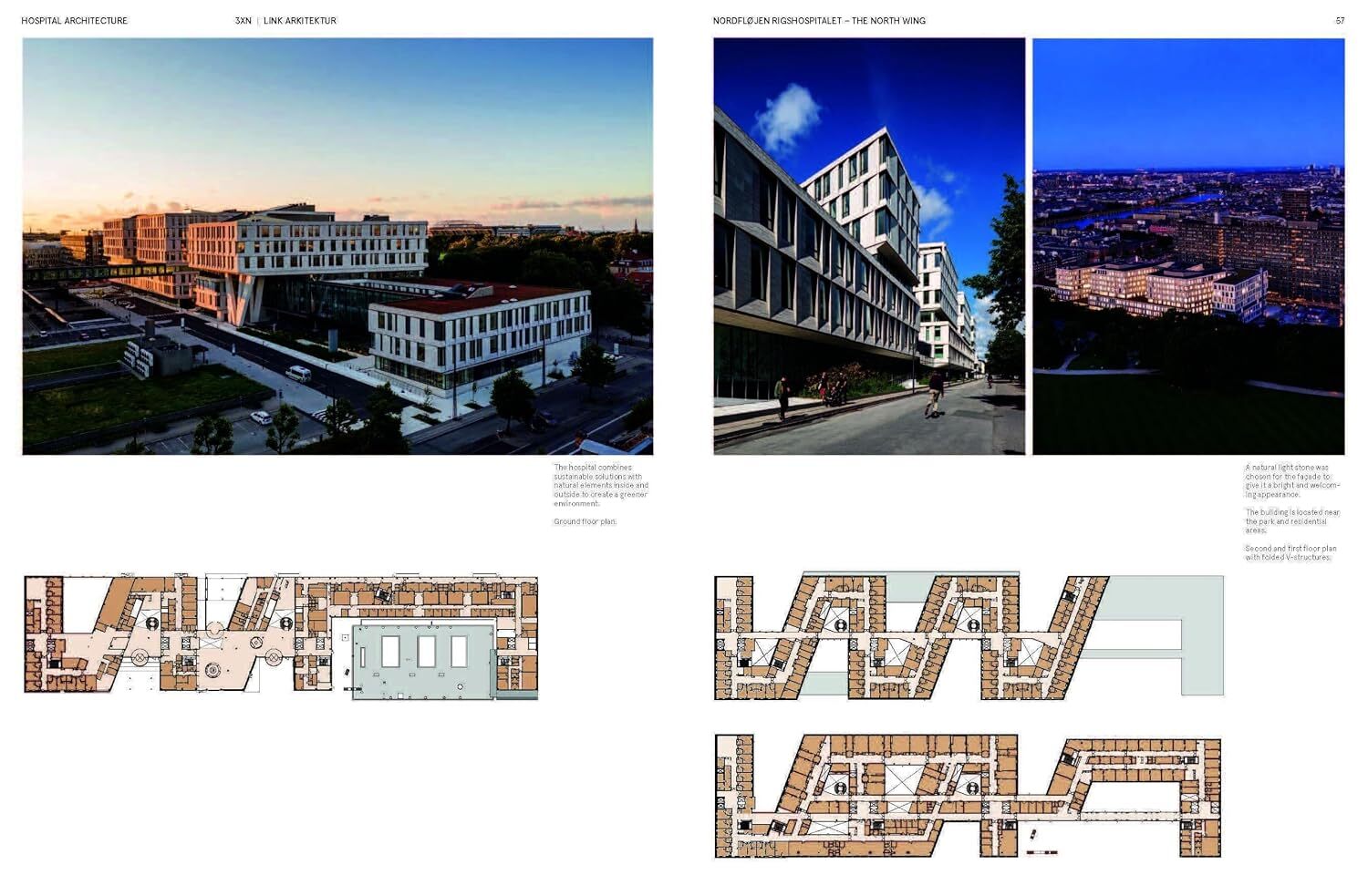
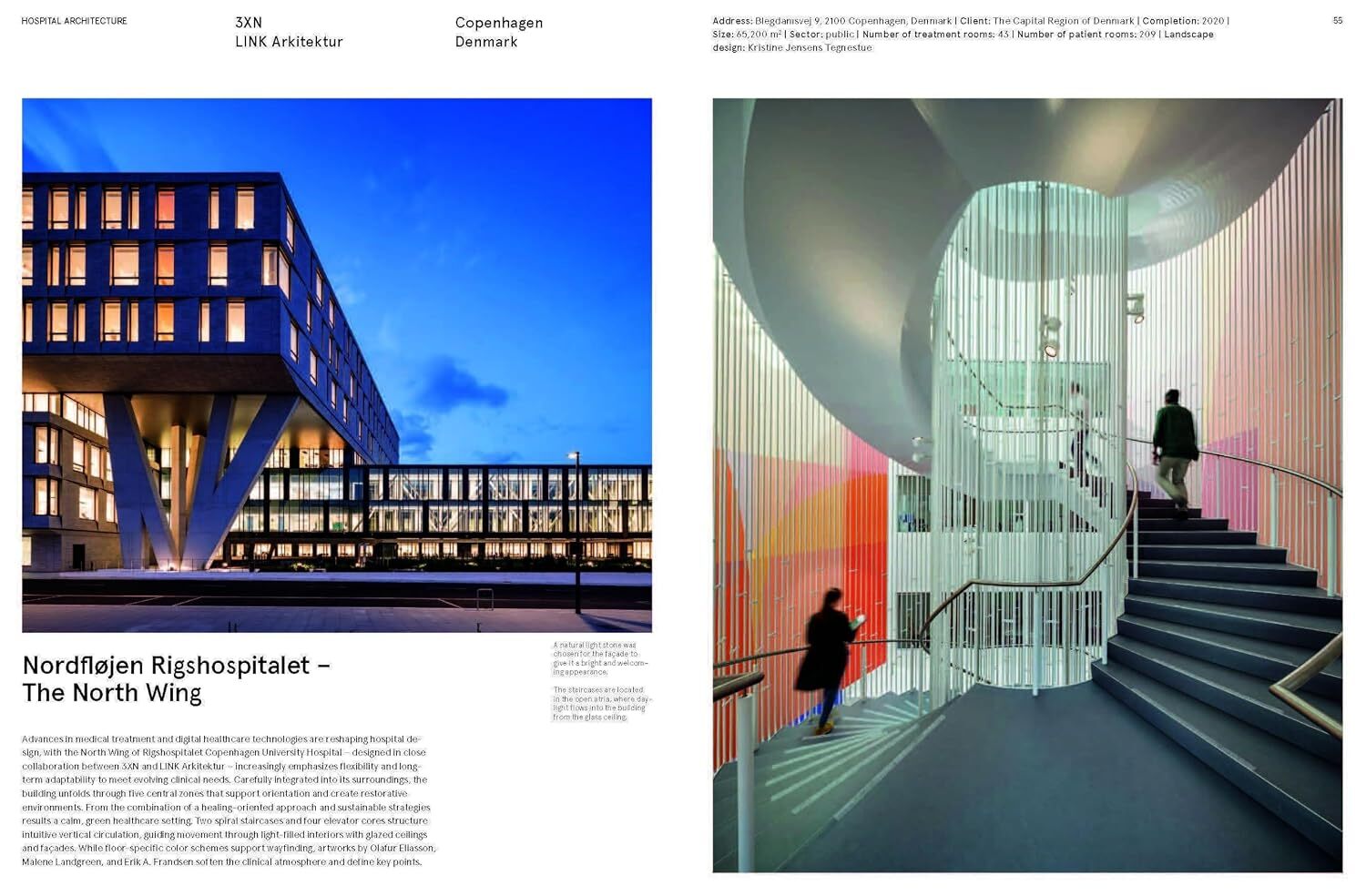
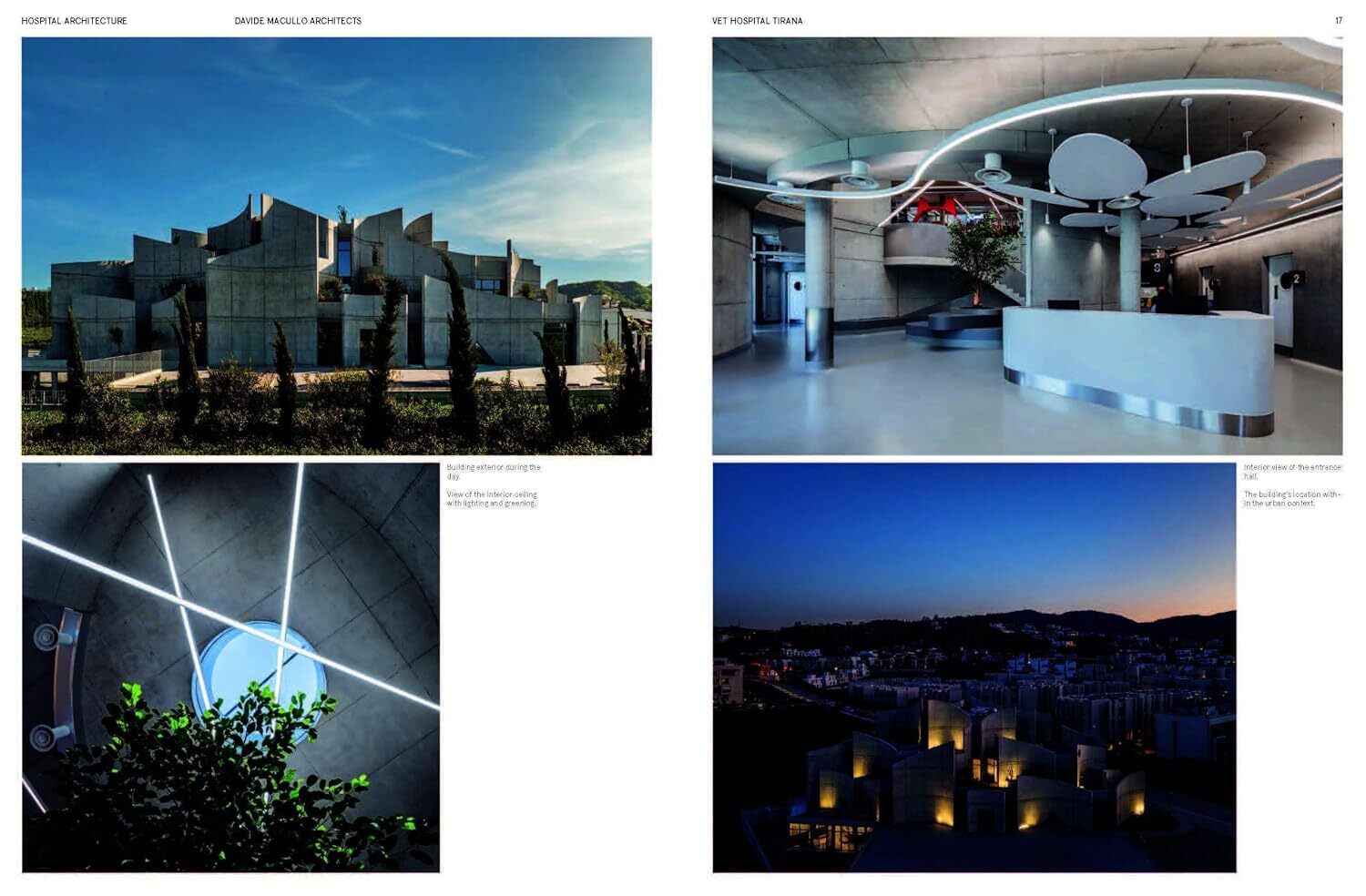
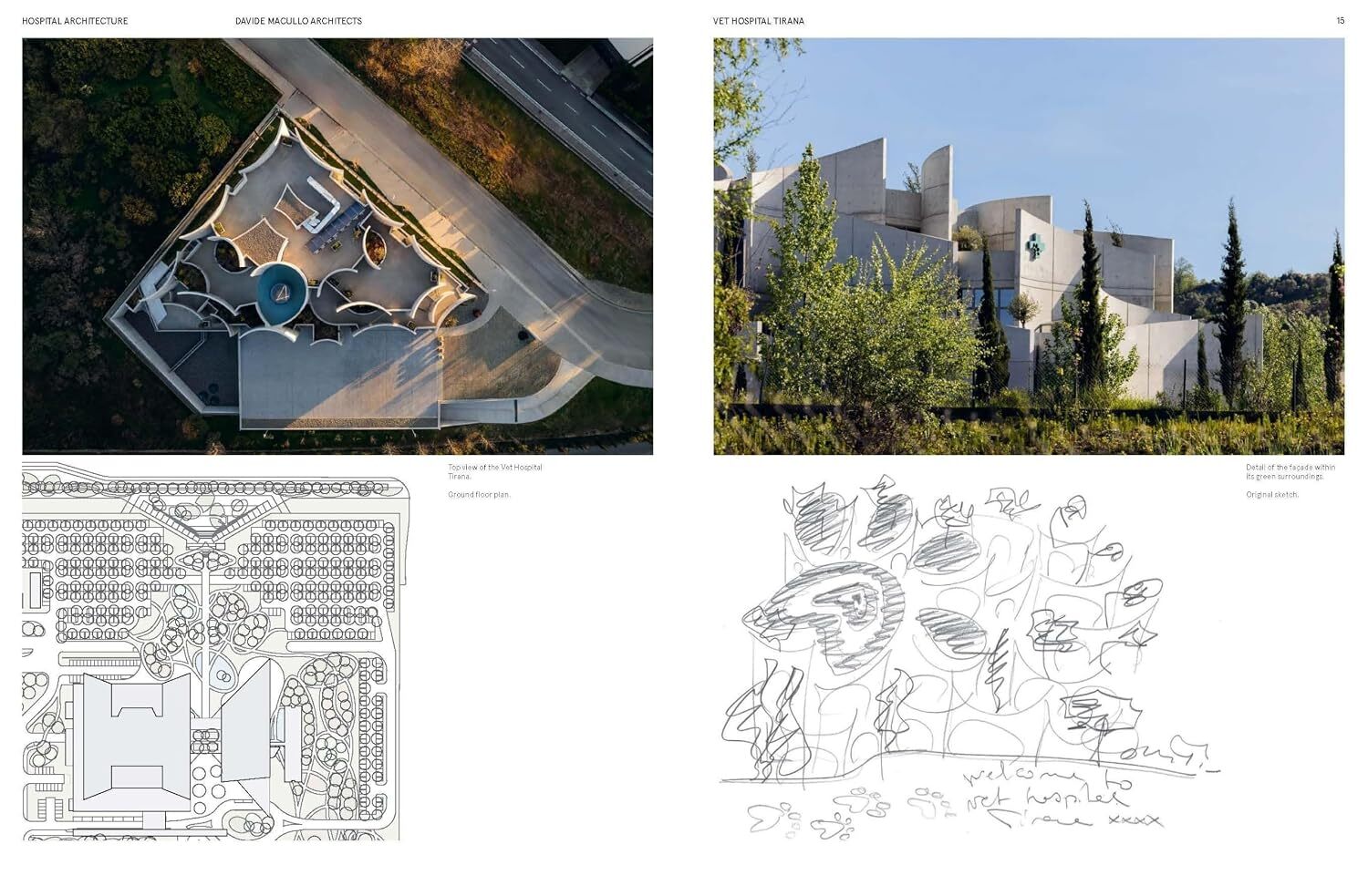
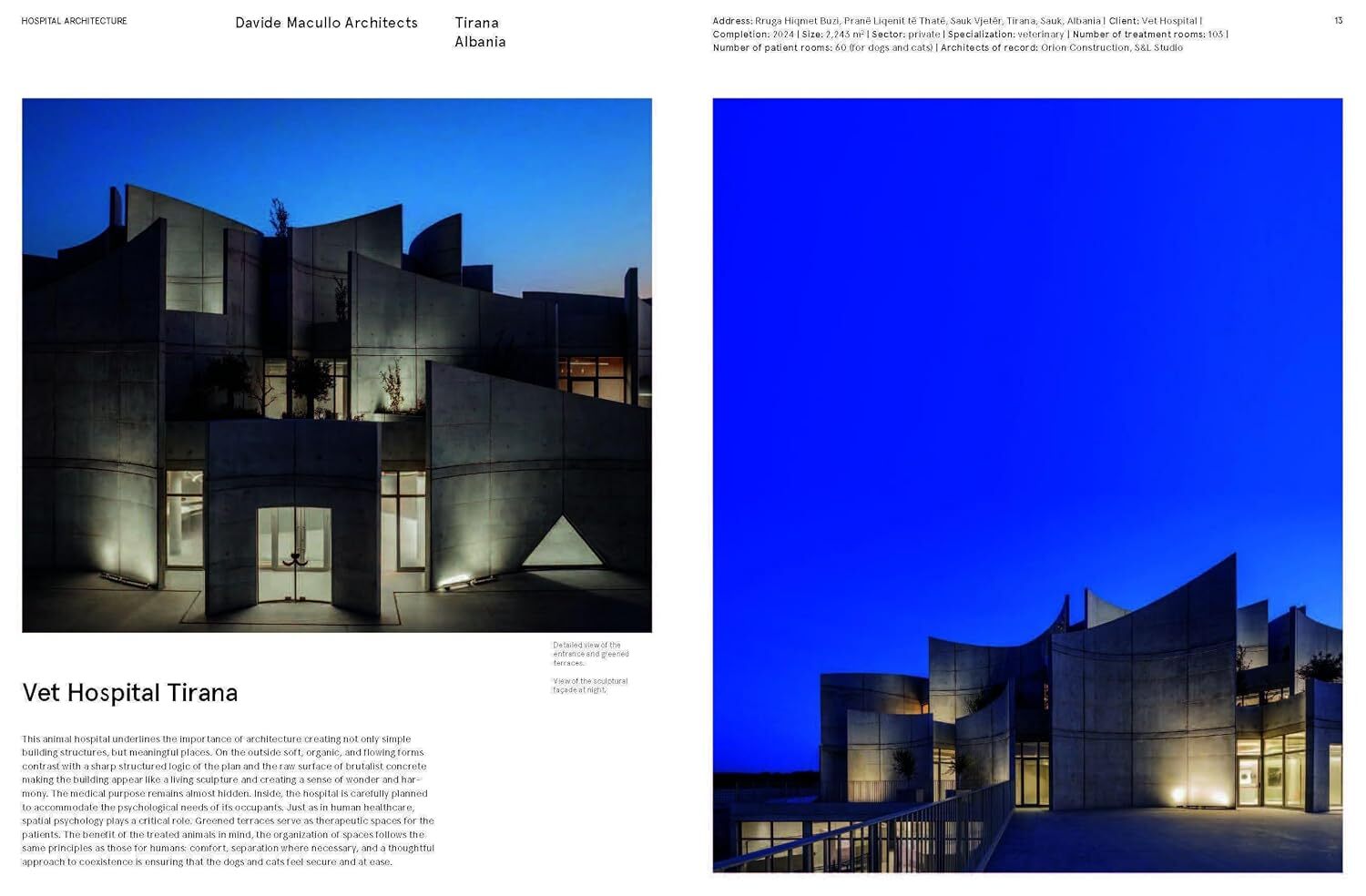
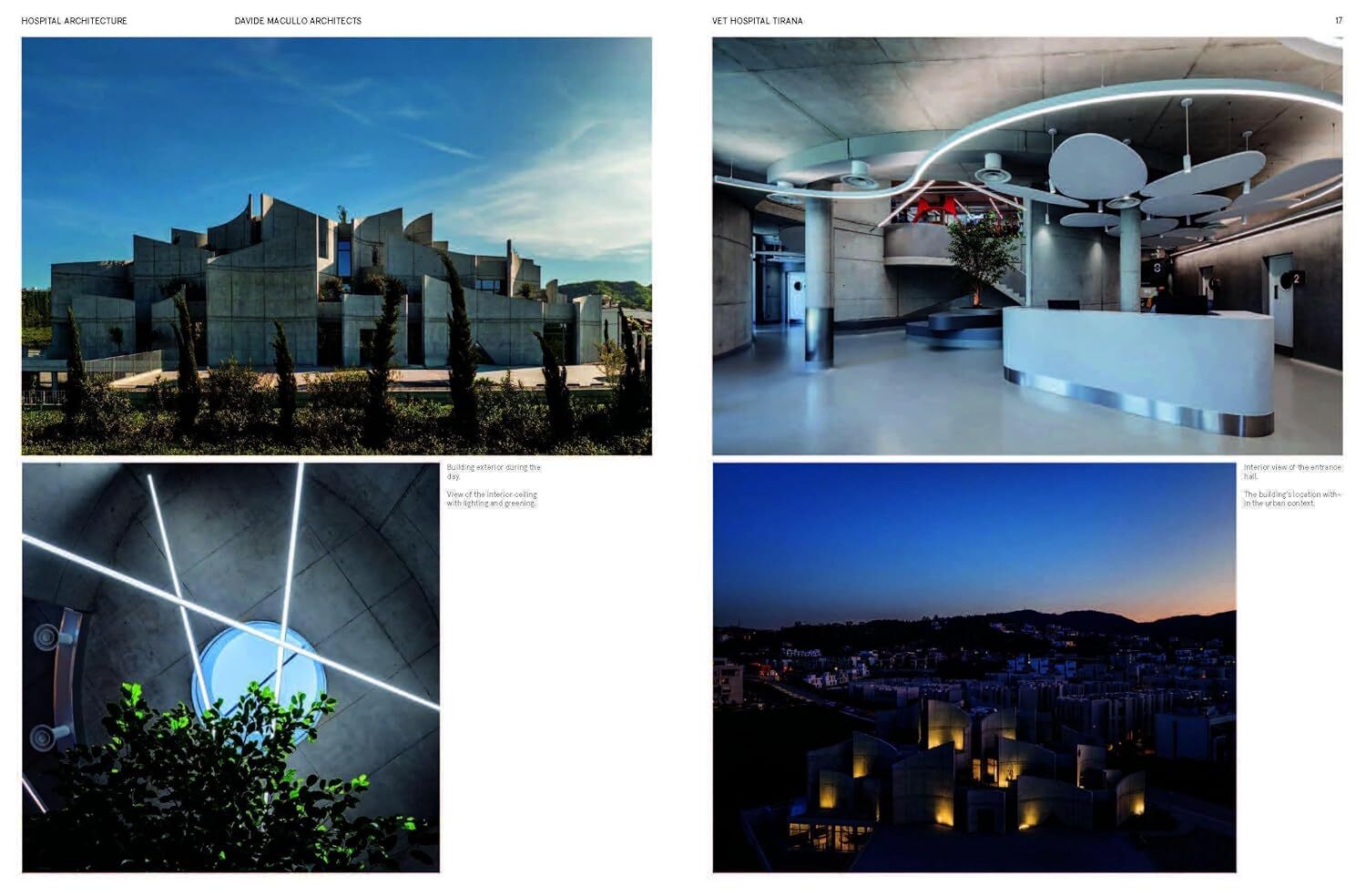
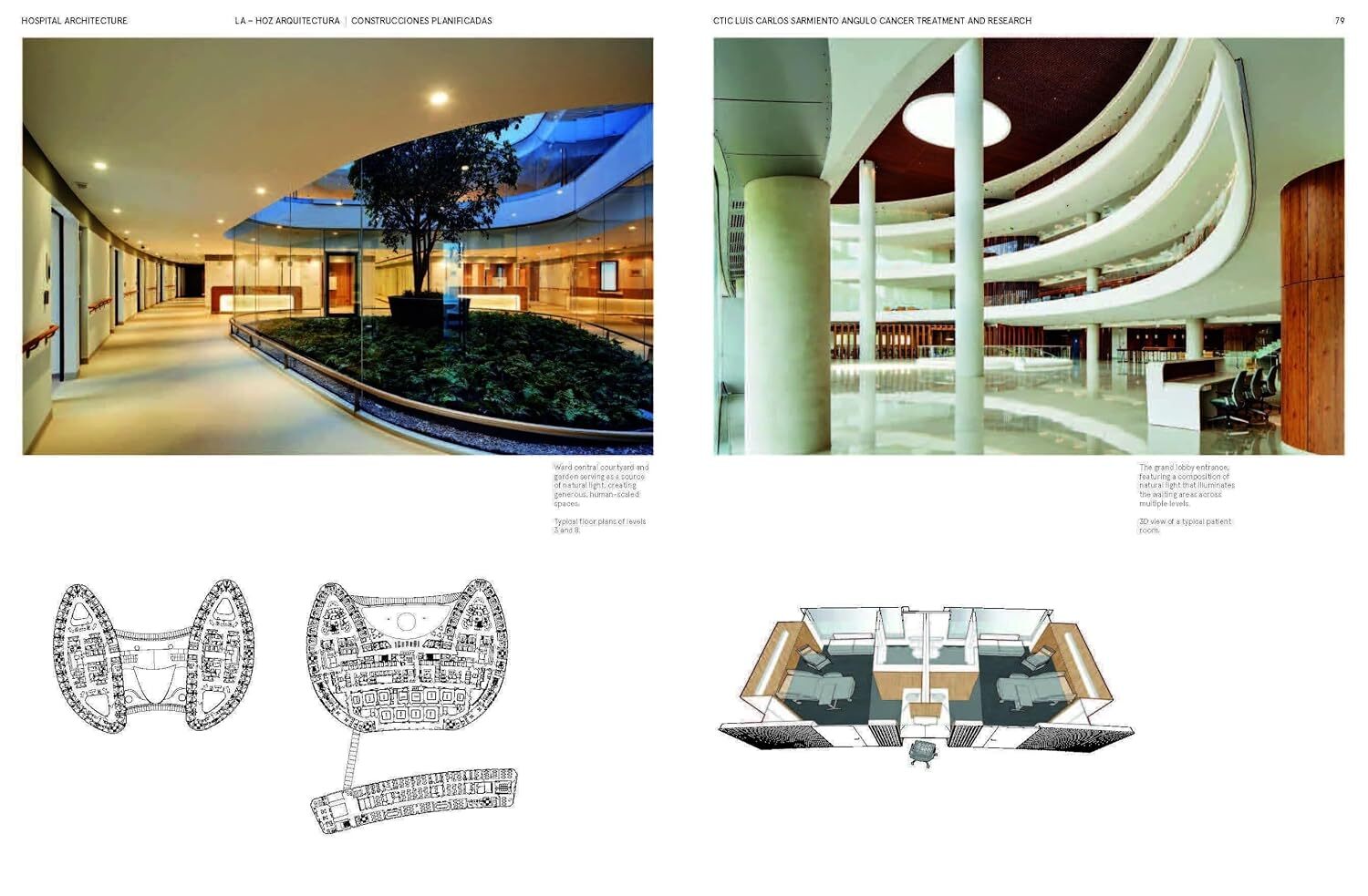
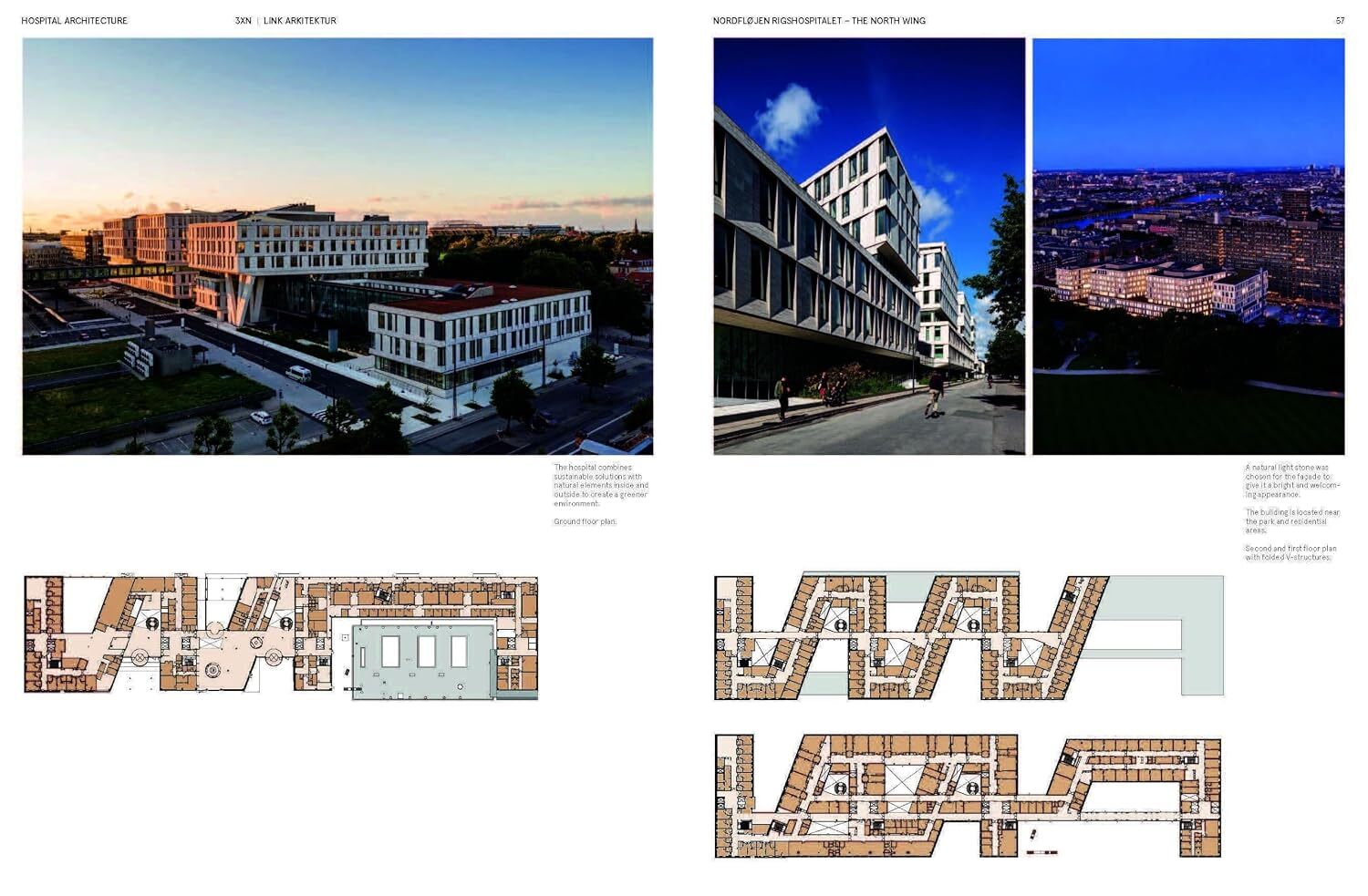
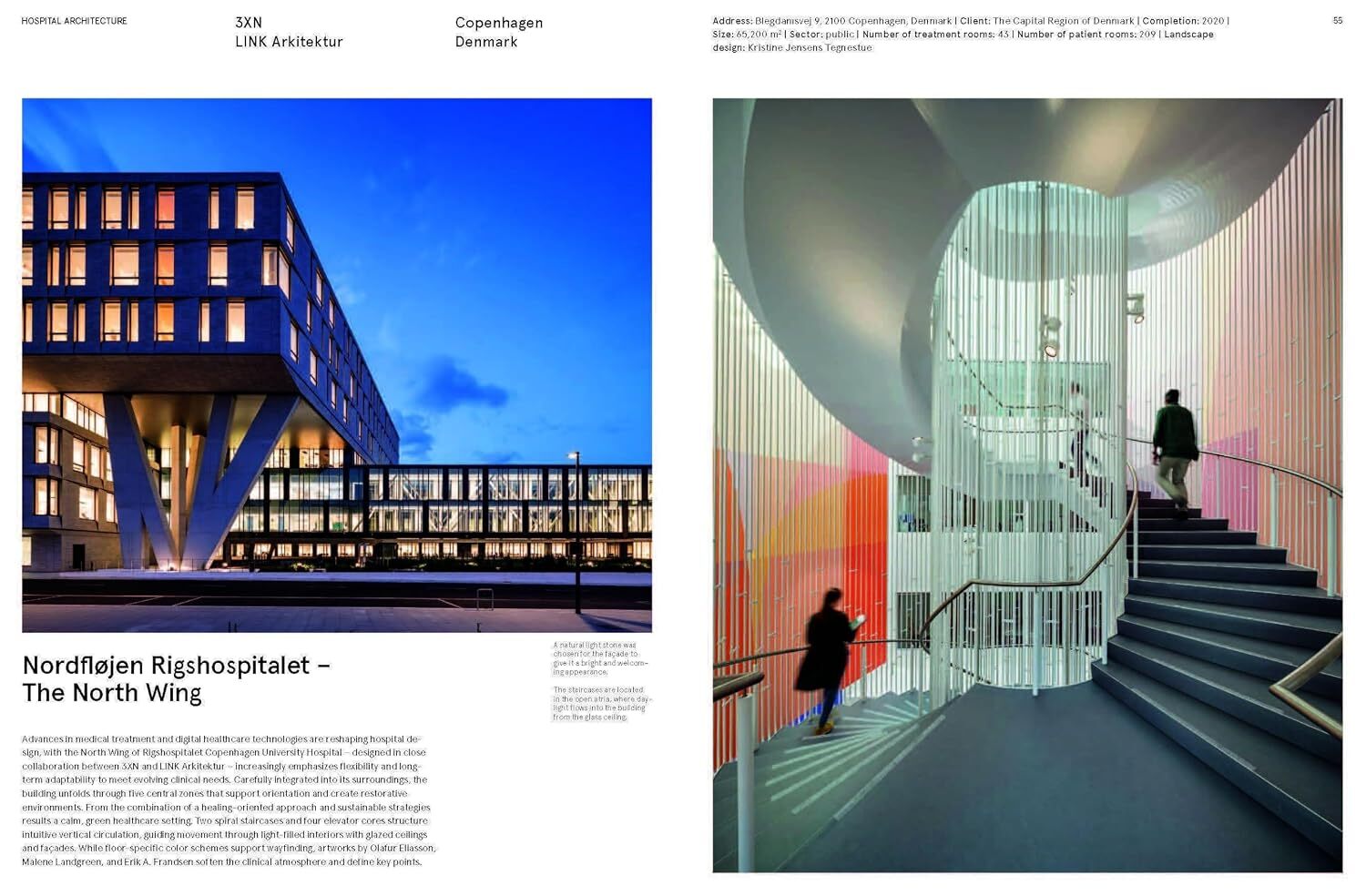
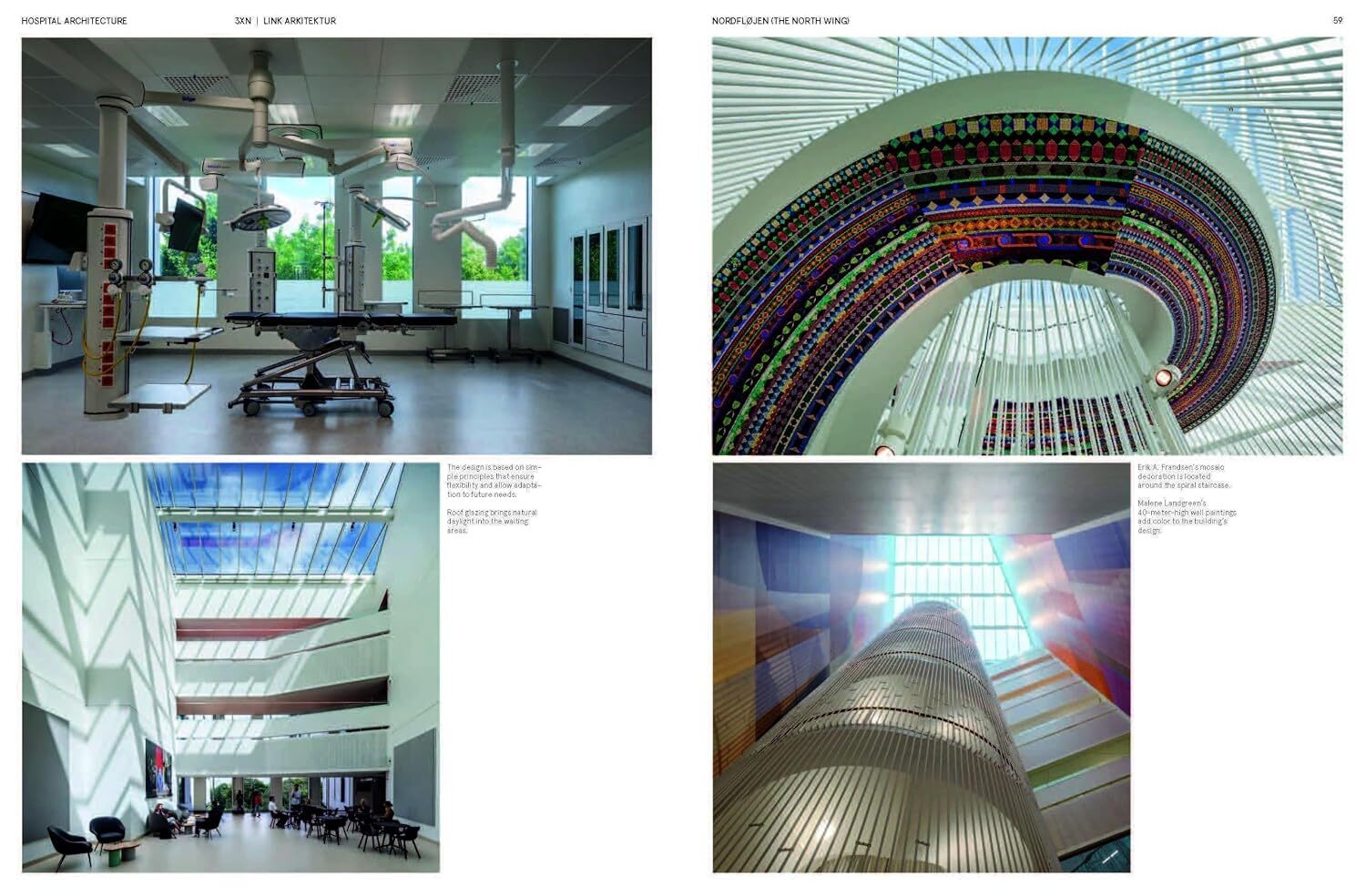
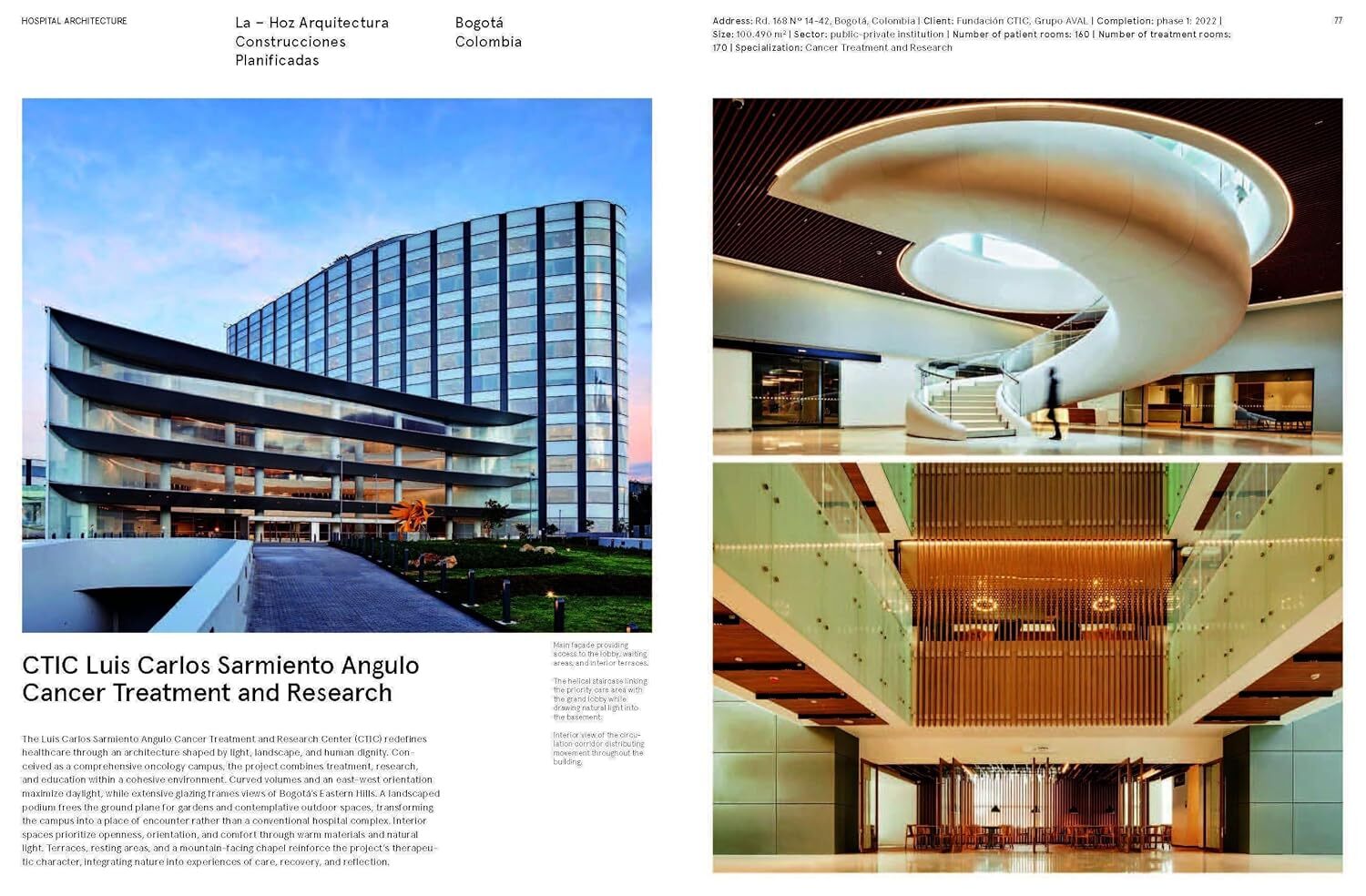
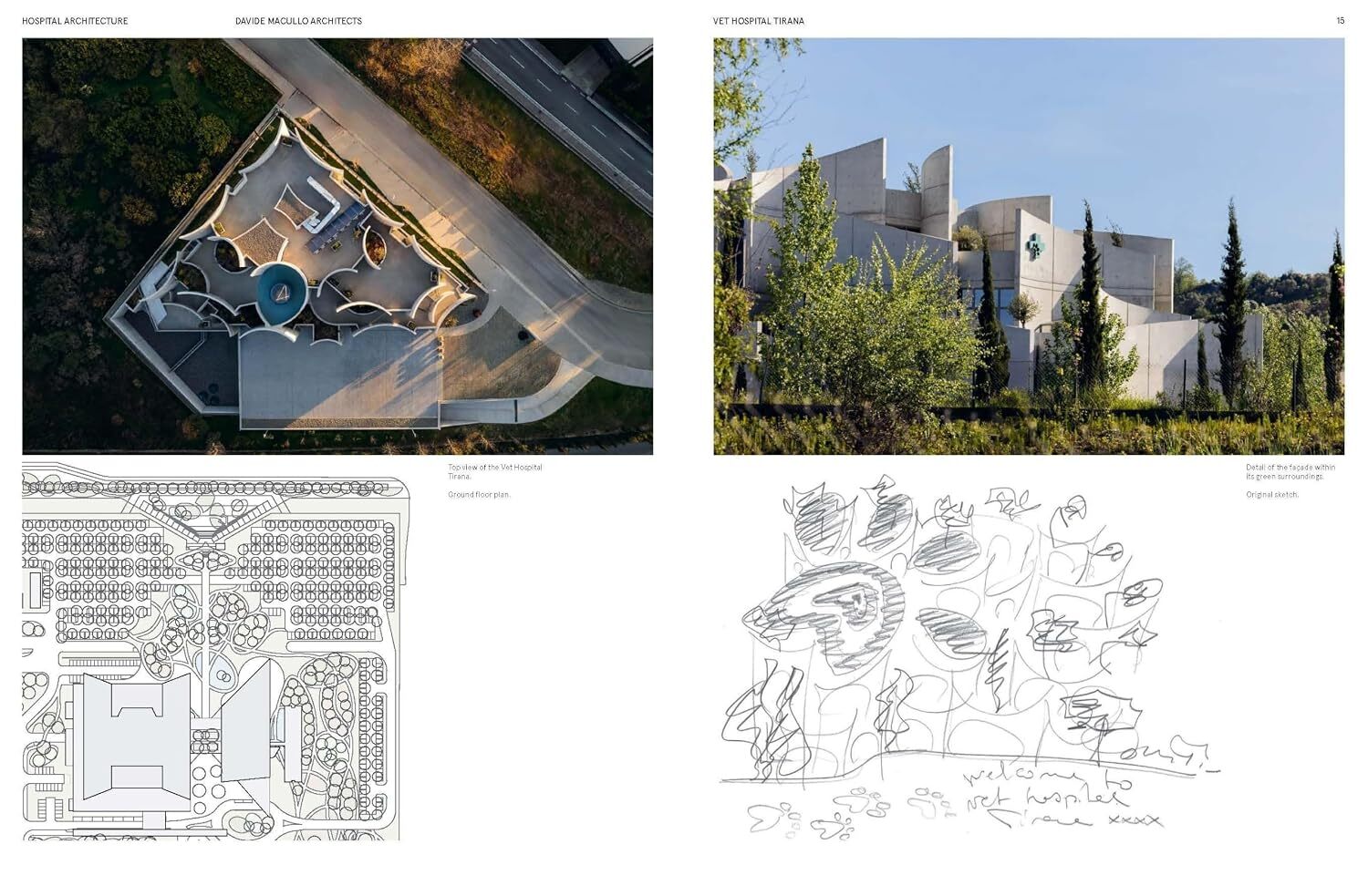
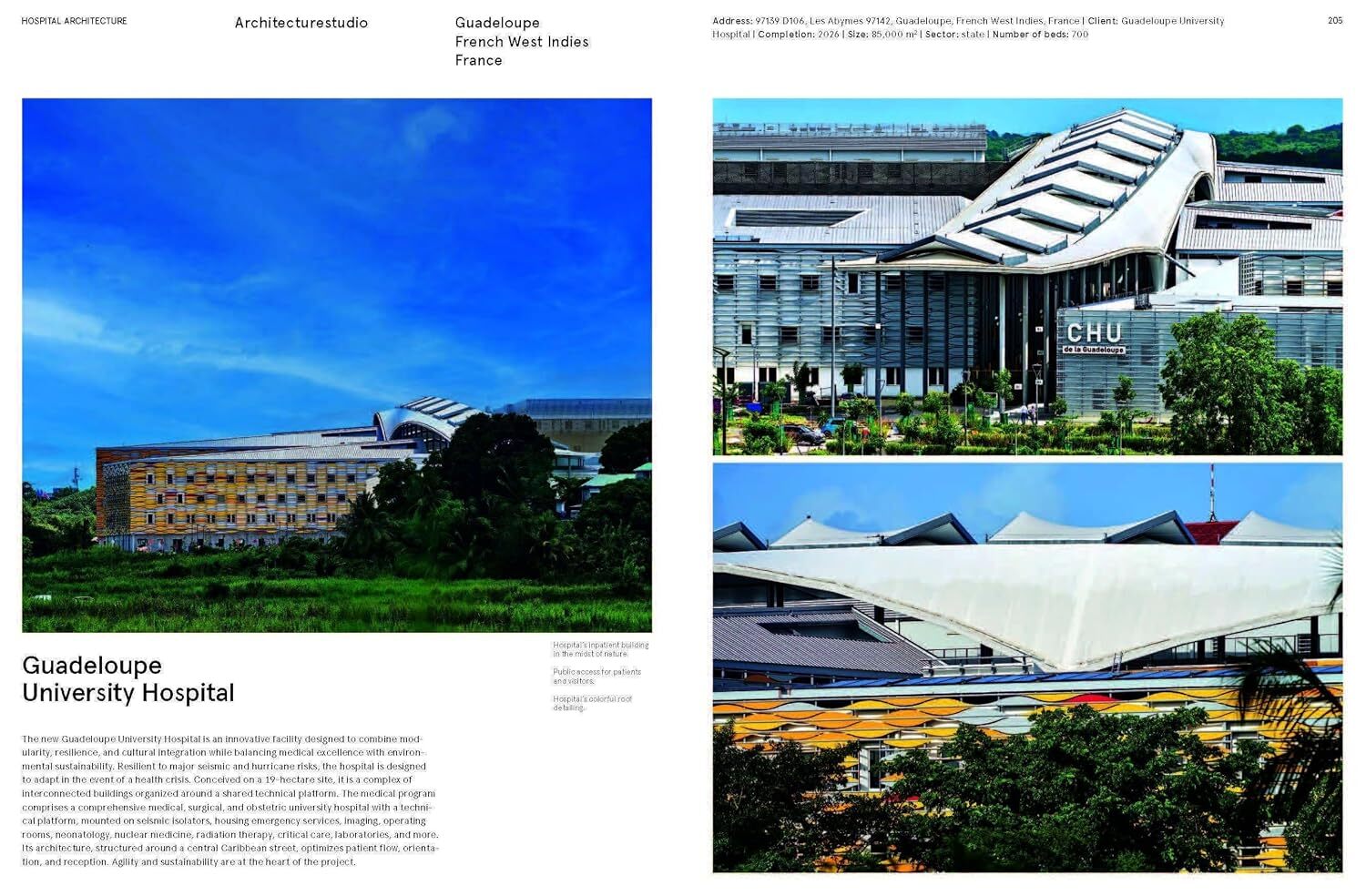
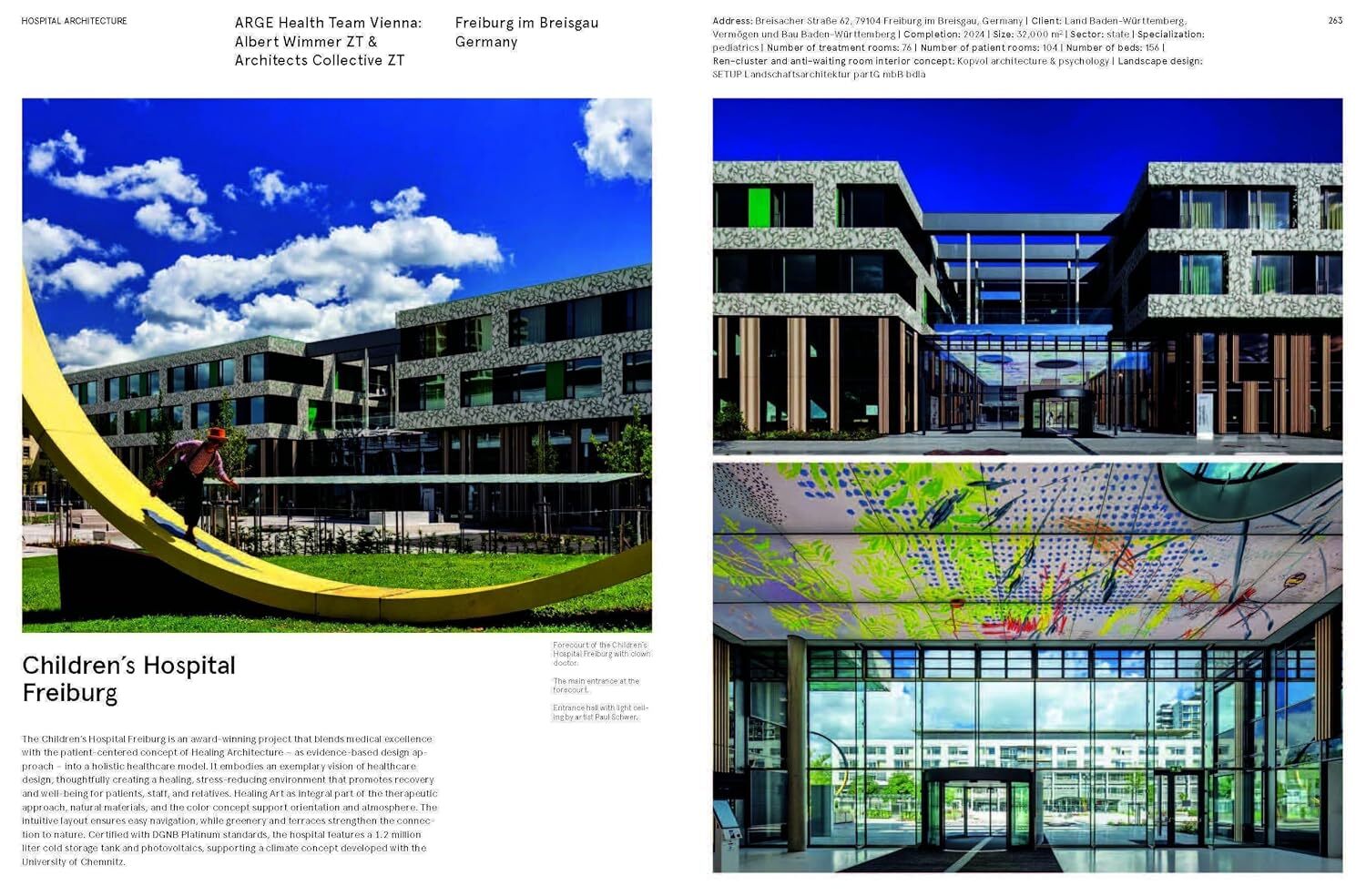
This book focuses on contemporary hospital and healthcare facility design, presenting a selection of notable recent projects and examining how architects use forward-looking spatial strategies to make medical environments more resilient in times of public health emergencies, while also improving everyday efficiency and user comfort.
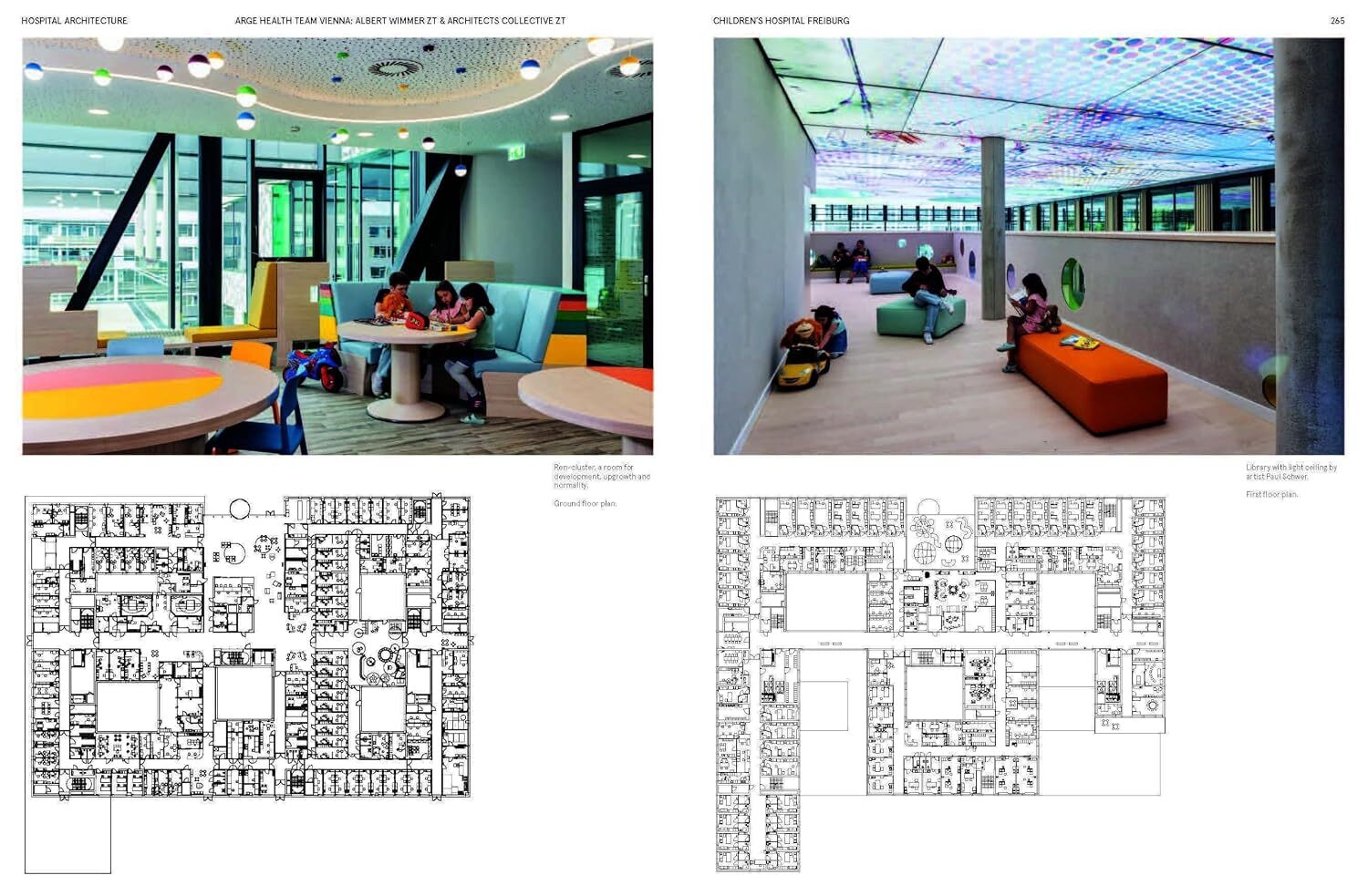
The design approaches featured in the book include modular building systems, designated infection-control zones, flexible care units, and adaptable spaces that can quickly respond to changing needs. These solutions are not only intended to address the pressures of exceptional circumstances, but also reflect a broader shift in modern hospital design—from single-purpose functionality toward more adaptable and human-centered environments.
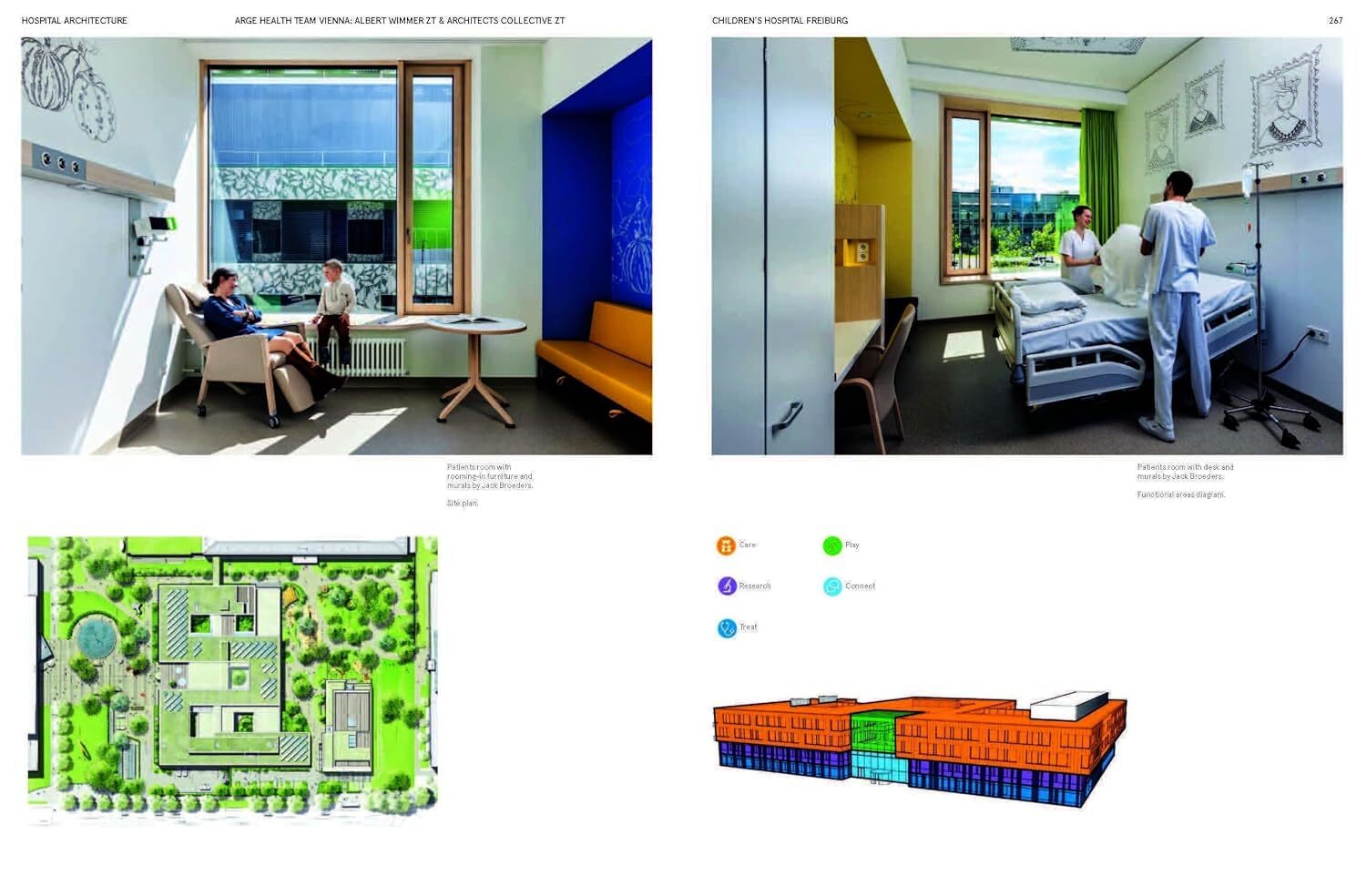
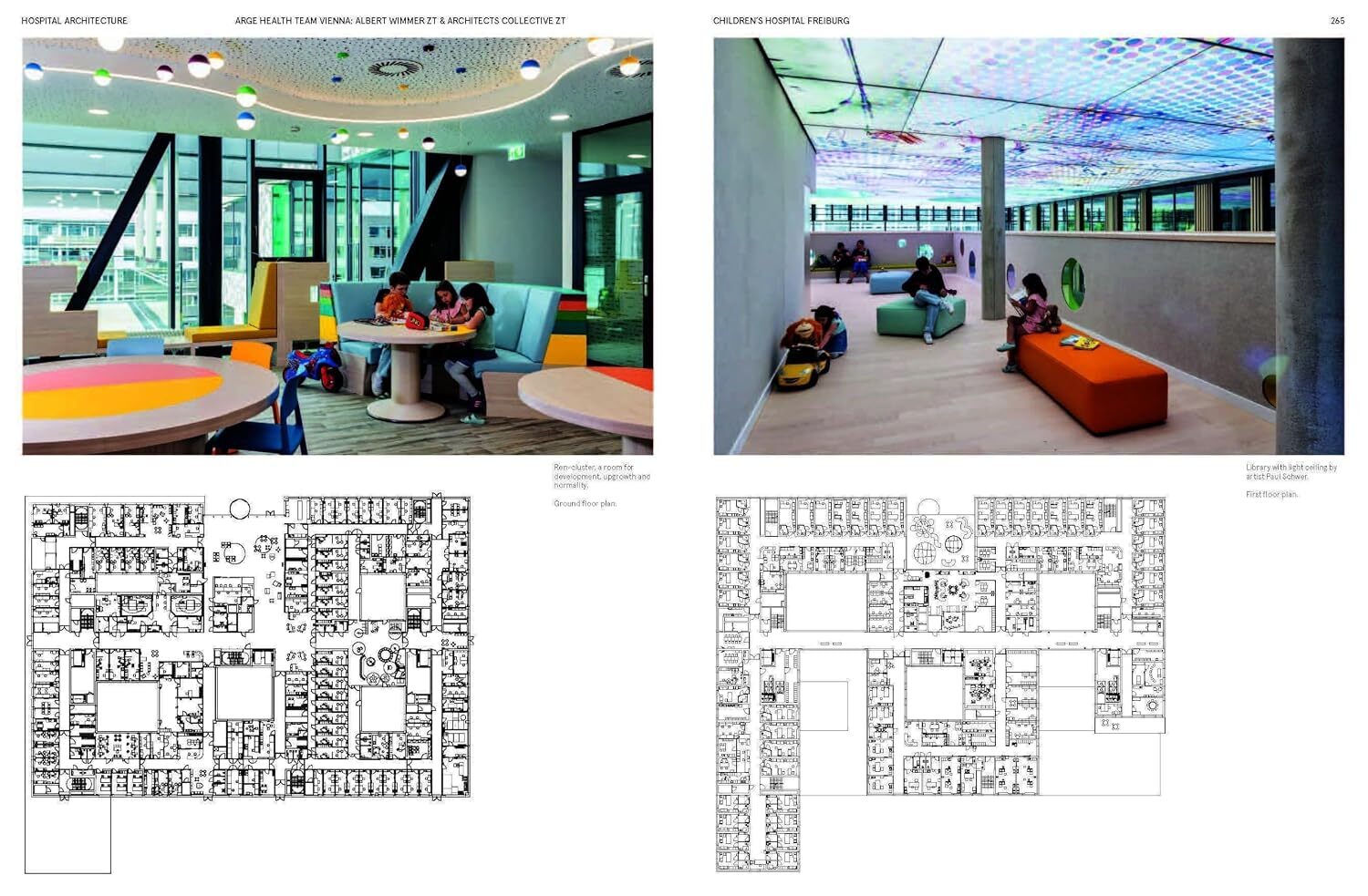
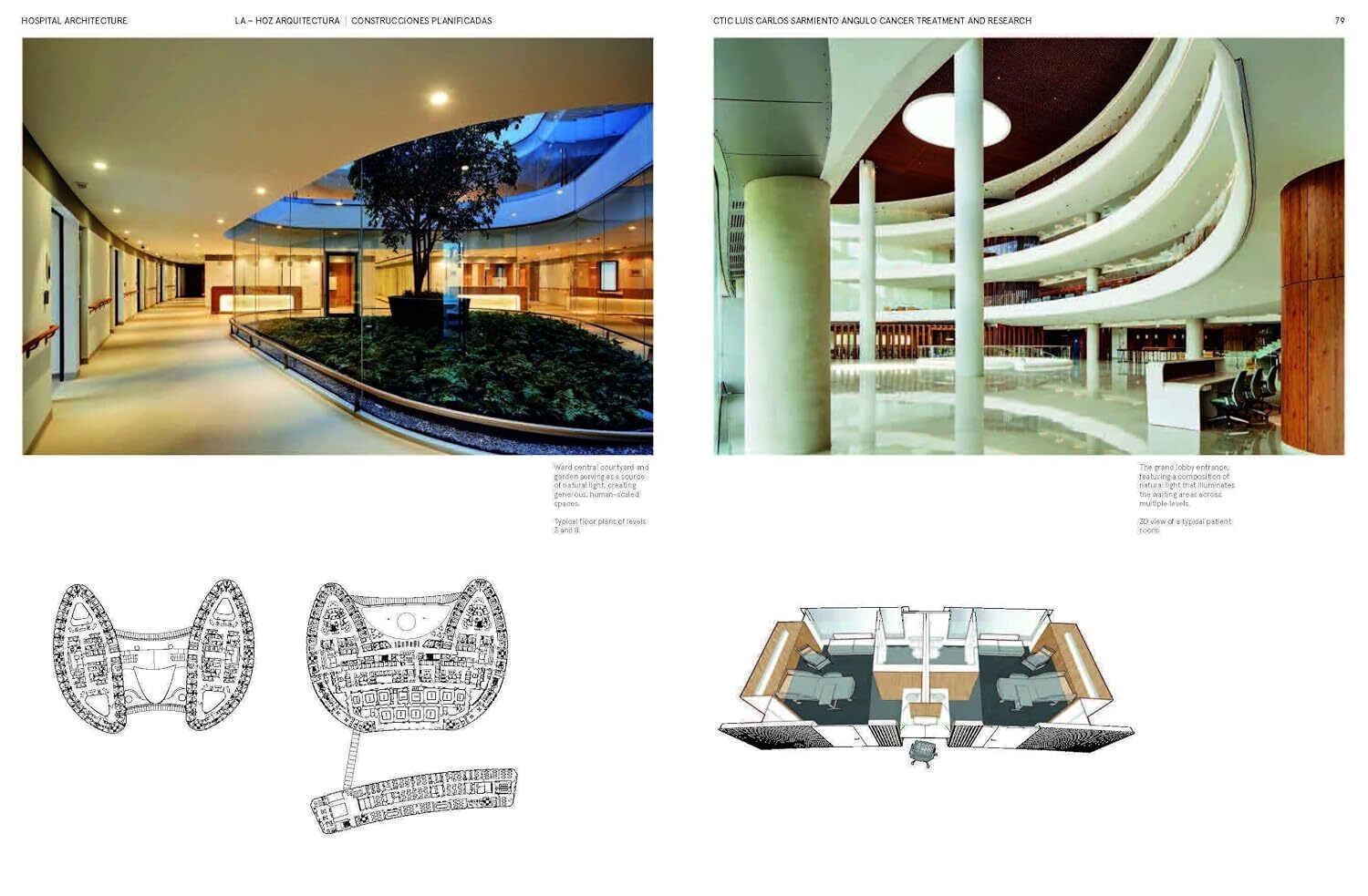
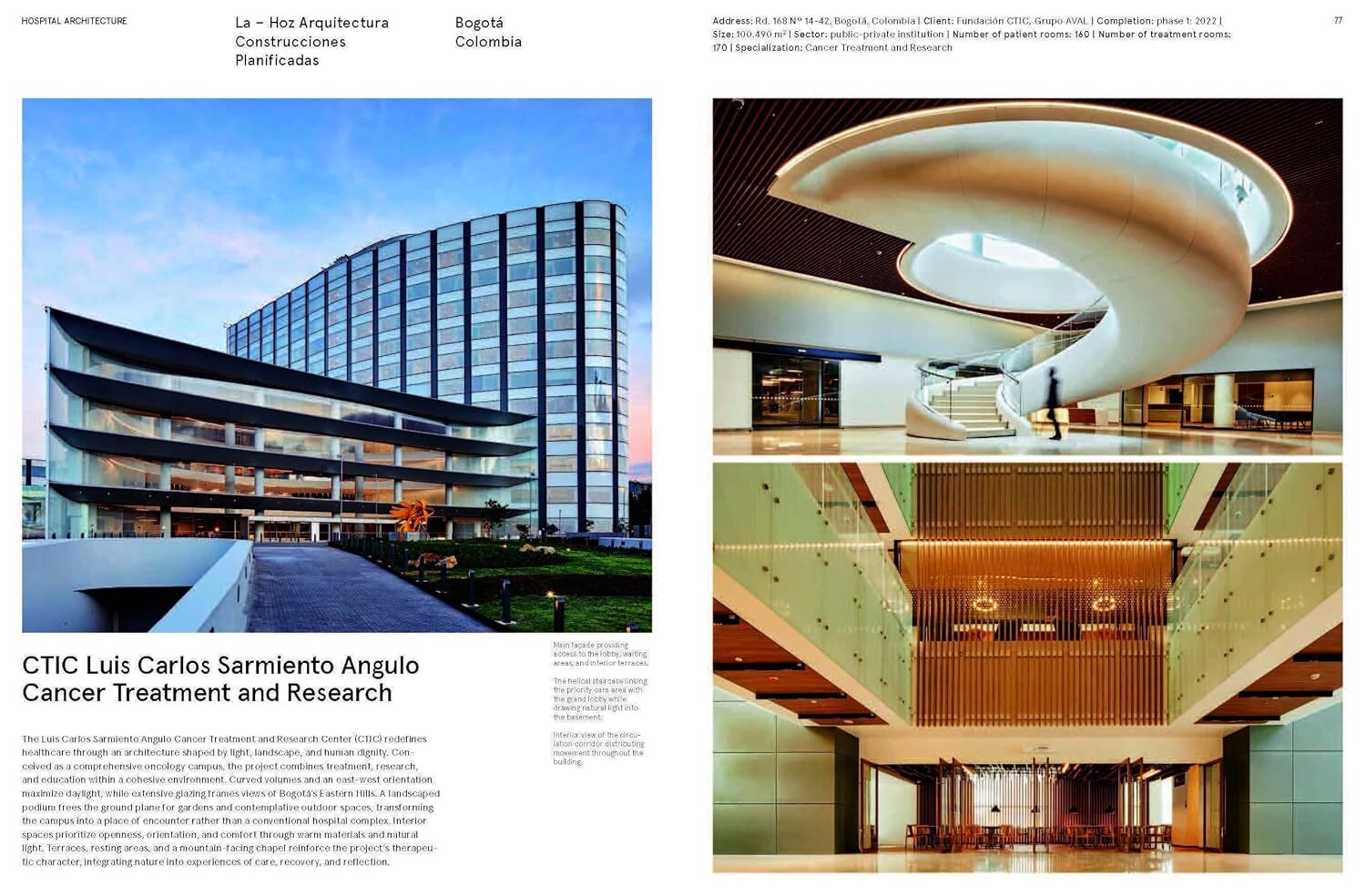
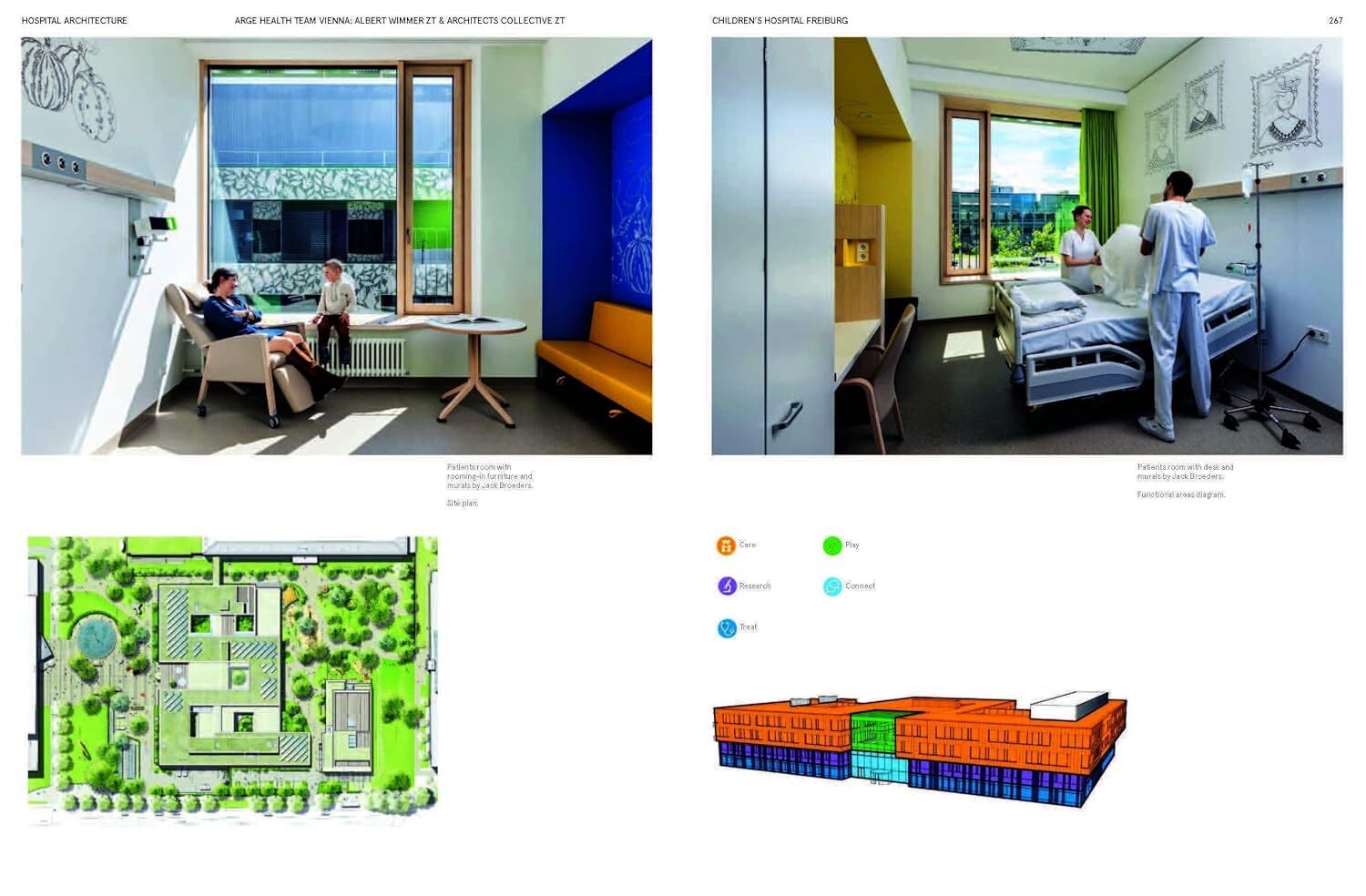
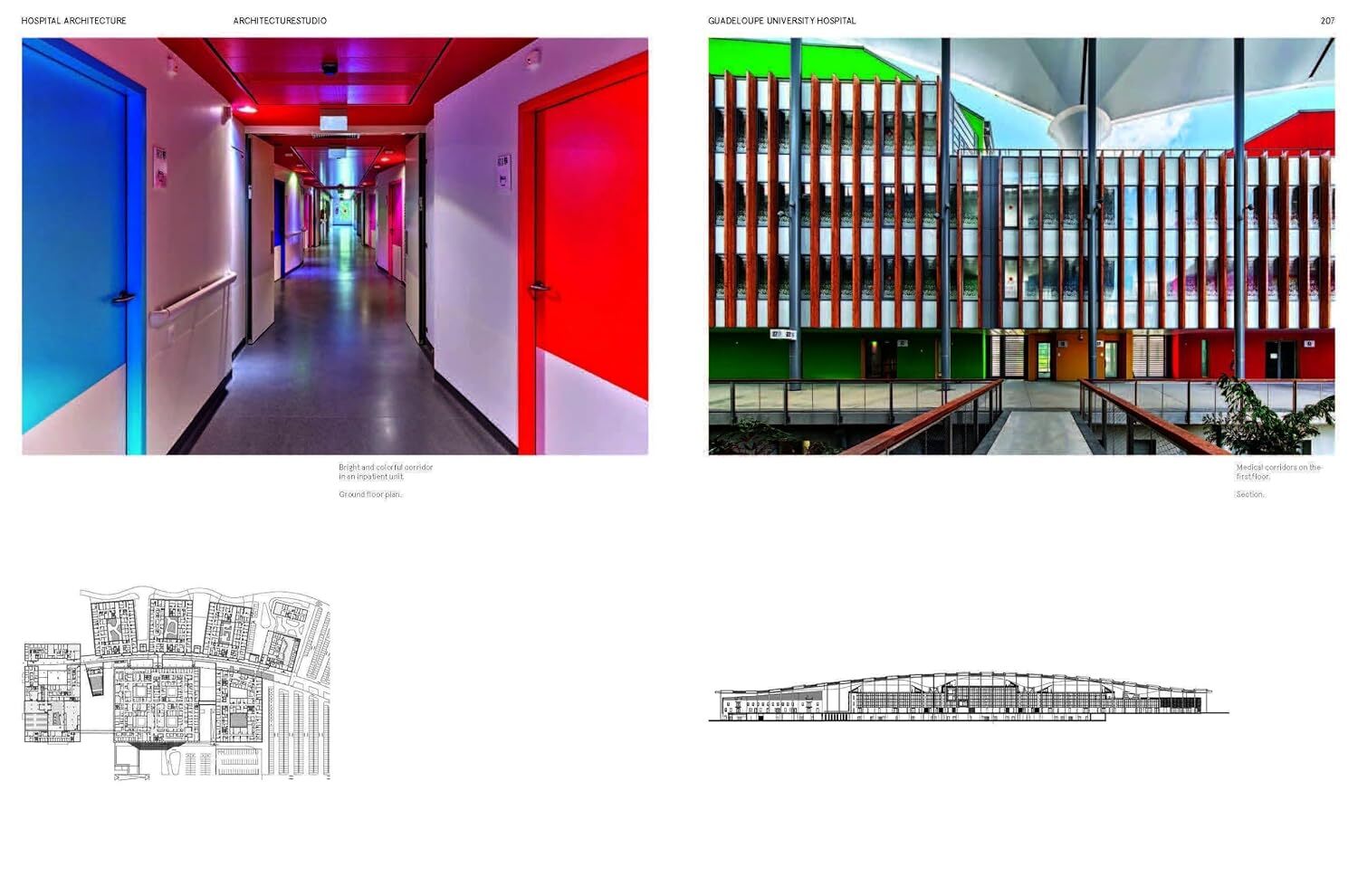
Beyond function and safety, the book also pays close attention to the actual experience of patients within healthcare spaces. The lighting, circulation, scale, and material choices of waiting areas, patient rooms, and treatment spaces can all influence emotional well-being and the recovery process. At the same time, well-considered design can help improve the safety and working conditions of doctors, nurses, and other healthcare professionals.
Although the featured projects vary in scale, location, and architectural approach, they share a common focus on people. These healthcare buildings are conceived not simply as places for medical treatment, but as environments that also support healing, efficiency, safety, and dignity.
For readers interested in hospital architecture, healthcare interiors, public architecture, and healing environments, this book offers a comprehensive overview of contemporary case studies and encourages a broader reconsideration of how future healthcare spaces can respond to increasingly complex and rapidly changing social needs.
【Details】
Author: Chris van Uffelen
Publisher: Braun
Publication Year: 2026
Dimensions: 29 × 22 cm
Binding: Paperback
Pages: 352